0%

Table of Contents

Honestly, things are moving fast these days. Everyone's talking about prefabrication, modular construction… feels like it's all the rage. You go to a site, and it's all about speed, efficiency, getting things up quick. But you quickly realize it's not just slapping things together. It’s about the details, and those details… they can bite you.

I’ve seen too many projects where the design looked great on paper, all clean lines and fancy renderings, but then you get on site and it’s a nightmare to actually build. Like, they'll specify some high-end stainless steel mesh, beautiful stuff, but forget about how you’re actually going to cut it, bend it, weld it in the field. Have you noticed, designers rarely think about the poor guy with the plasma cutter?

We mostly deal in wire mesh, of course. Not just any mesh, though. You've got your standard stainless steel 304 and 316 – that’s your bread and butter, good corrosion resistance, relatively easy to work with. But we’re seeing more demand for things like titanium mesh now, especially in marine applications. It's… different. Lightweight, incredibly strong, smells faintly metallic even when it's clean, and you gotta be careful with the tooling, it'll chew through your dies if you're not paying attention. Then there’s galvanized steel mesh, always a reliable workhorse, but that zinc smell can be pretty strong on a hot day, and you’ve got to watch out for white rust.
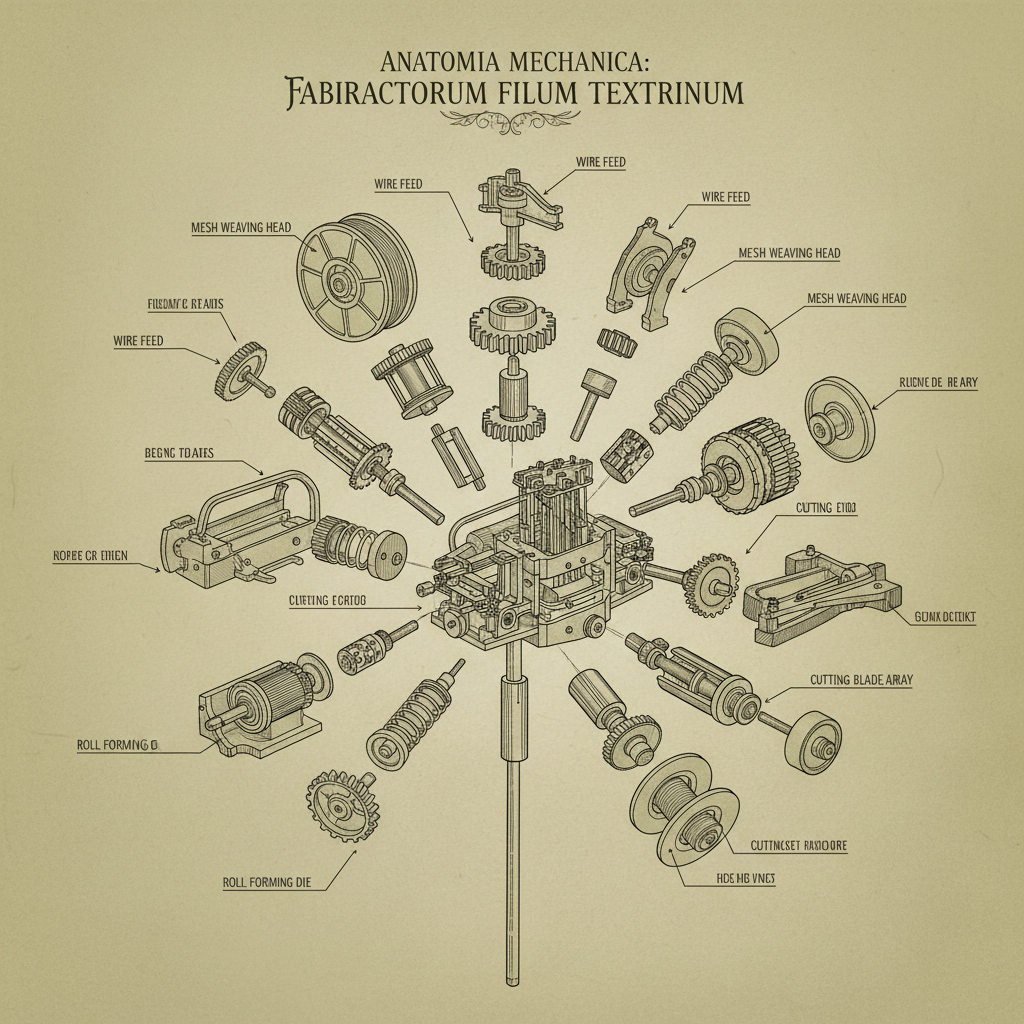

wire mesh fabricators

The Current Landscape of Wire Mesh Fabrication

wire mesh fabricators

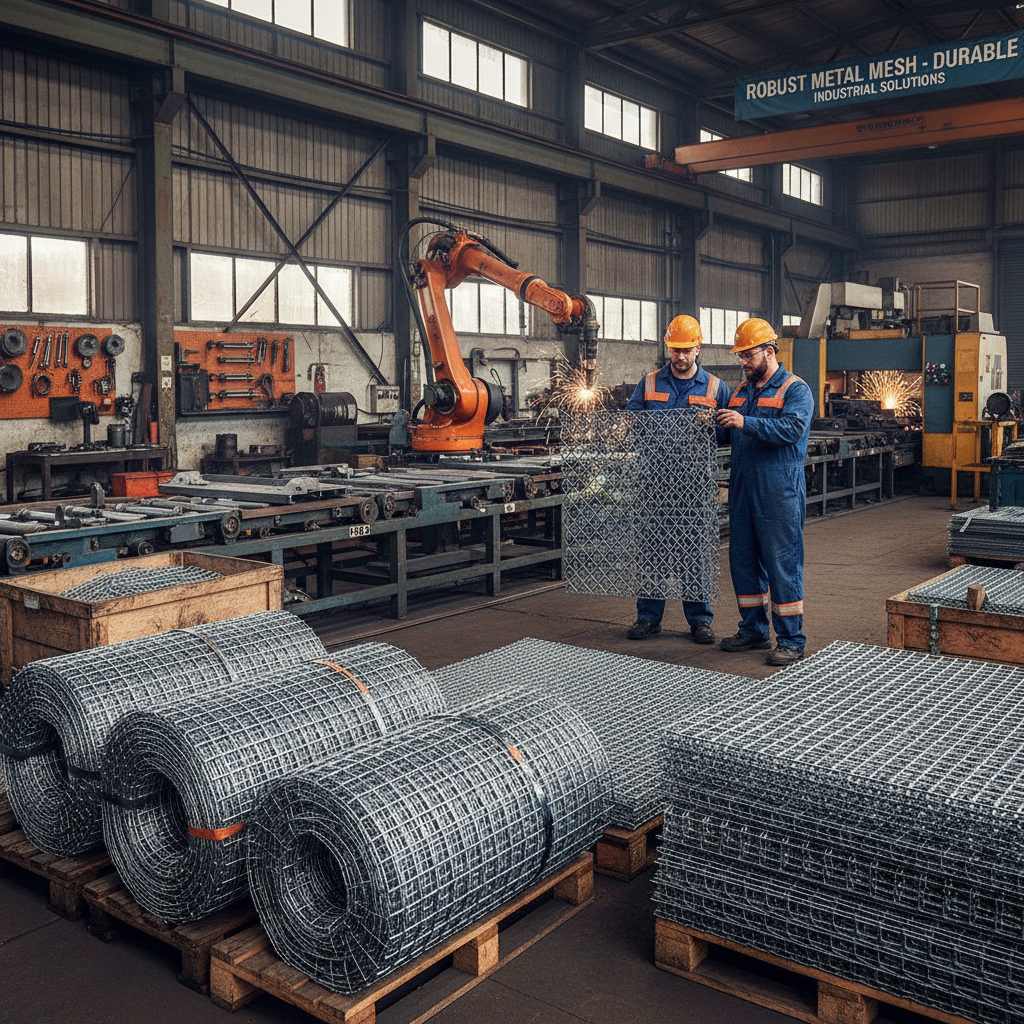
Prefabrication is king, as I said. It’s all about shop drawings, BIM models, getting everything pre-cut, pre-bent, and shipped to site ready to assemble. But it means we’re spending a lot more time upfront on detailed drawings and quality control. It’s less “cut it as you go” and more “make sure it’s right the first time”. Honestly, it's a good thing. Less wasted material, less rework, happier foremen.

And the demand is… well, it’s across the board. From architectural facades to industrial filtration, reinforcing concrete to security screens. We’re even seeing it in new applications like sound barriers along highways and green walls in urban areas. It’s a surprisingly versatile material, wire mesh.

Common Design Pitfalls in Wire Mesh Projects

I encountered this at a water treatment plant in Texas last time. Designer specified a really fine mesh for a filter, looked great on the drawings. But the solids kept clogging it up! Turns out, they hadn't accounted for the actual particle size of the stuff they were filtering. It was a simple oversight, but cost them a fortune in downtime and replacement filters.

Another common one is underestimating the loads. People will design a beautiful wire mesh screen, all lightweight and airy, and then forget about wind loads or snow loads. Suddenly, you’ve got a safety hazard. You’ve got to run the numbers. Always.

And don’t even get me started on weldability. Some alloys are a pain to weld, and if you don’t have a skilled welder, you’re going to end up with weak joints and a whole lot of headaches.

Material Selection: Beyond the Spec Sheet

Strangely, a lot of people just look at the grade of stainless steel – 304, 316, whatever – and think that’s all that matters. But the form of the steel is critical. Is it woven wire mesh? Welded wire mesh? Expanded metal? Each has different properties, different strengths and weaknesses.

And it’s not just about the material itself. It's about the finish. Polished? Brushed? Powder-coated? Each finish affects corrosion resistance and aesthetics. We had a client once who wanted a polished stainless steel mesh for a high-end hotel. It looked amazing, initially. But it showed every fingerprint and water spot. Ended up having to switch to a brushed finish to make it practical.

There are also the newer materials, like copper mesh for RFID shielding, or nickel alloys for high-temperature applications. These are more specialized, more expensive, and require more expertise to work with, but they can solve problems that traditional materials can't.

Real-World Testing and Performance

Labs are great for theoretical testing, sure. Pull tests, shear tests, corrosion tests… but they don’t always replicate real-world conditions. I prefer to see things tested on site, under actual use.

We did a project a few years back, reinforcing a bridge deck with welded wire mesh. The engineers wanted to do all sorts of fancy calculations, but I insisted on a full-scale load test. Turns out, their calculations were off. The mesh was deflecting more than expected. We had to adjust the design before it went into full production. It saved them a lot of trouble – and potentially a catastrophic failure.

Wire Mesh Fabrication Performance Metrics


How Wire Mesh is Actually Used in the Field

You’d be surprised. Engineers will specify something, but the guys on the ground will always find a way to adapt it. I've seen mesh used as makeshift scaffolding, temporary barriers, even as a strainer for paint! You can't plan for everything.

The biggest issue is often installation. Getting the mesh properly tensioned, secured, and aligned. It’s not rocket science, but it requires skill and attention to detail. A sloppy installation can compromise the entire system.

Advantages, Disadvantages, and Customization Options

Advantages? Lightweight, strong, relatively inexpensive, versatile… the list goes on. Disadvantages? Can be susceptible to corrosion if not properly treated, can be difficult to work with depending on the material and form, and it's not always the most aesthetically pleasing solution.

But you can customize it to a huge degree. Mesh size, wire diameter, material, finish, even the shape. We did a project last year where a client wanted a curved wire mesh facade for a museum. It was a complex shape, required a lot of custom bending and welding, but the end result was stunning.

We can even do things like integrate lighting or sensors into the mesh. It’s all about finding the right solution for the specific application.

A Customer Story: The Debacle

Last month, that small boss in Shenzhen who makes smart home devices – real headstrong guy – insisted on changing the interface for a security screen from standard USB to . Said it was “more modern”. We warned him, told him the existing sensors weren’t compatible, that it would require a complete redesign of the wiring harness. He wouldn’t listen.

He went ahead with it anyway. And, predictably, it was a disaster. The sensors wouldn’t connect reliably, the whole system kept crashing. He ended up having to scrap the entire batch and go back to the original design. Cost him a fortune.

It just goes to show, sometimes the simplest solution is the best. Don't fix what isn't broken.

Summary of Key Considerations for Wire Mesh Fabrication

Material Type Application Environment Fabrication Complexity Cost Analysis
Stainless Steel 304 Indoor, Moderate Corrosion Low - Medium Moderate
Stainless Steel 316 Outdoor, High Corrosion Low - Medium High
Galvanized Steel Dry Indoor/Outdoor Low Low
Titanium Marine, Extreme Corrosion Medium - High Very High
Expanded Metal Aluminum Architectural, Low Load Low Moderate
Copper Mesh EMI Shielding, Electronics Medium High

FAQS

What’s the biggest mistake people make when specifying wire mesh for a filtration system?

Honestly, it's usually not considering the particle size of the material they're trying to filter. You can have the strongest, most corrosion-resistant mesh in the world, but if the holes are too big, it’s useless. It’s a simple thing, but it gets overlooked surprisingly often. Always do a sieve analysis beforehand. And don’t just look at the nominal mesh size; consider the actual open area.

How do you prevent corrosion on galvanized steel mesh in a coastal environment?

Coastal environments are tough on galvanized steel. The salt spray accelerates corrosion. The best thing to do is to over-galvanize it—get a thicker coating to begin with. You can also apply a protective coating, like epoxy or polyurethane. Regular cleaning is important, too. Washing off the salt spray periodically will significantly extend its lifespan. Honestly, stainless steel is usually a better long-term investment in a coastal area, but it’s more expensive upfront.

What's the difference between woven and welded wire mesh, and when would you choose one over the other?

Woven mesh is made by interlacing wires, creating a more flexible and uniform structure. It's good for applications where you need a consistent opening size and some give. Welded mesh, as the name suggests, is made by welding wires together. It's stronger and more rigid, better for applications where you need high structural integrity. I tend to use welded for reinforcing concrete, and woven for security screens, but it really depends on the specific application.

Can wire mesh be recycled?

Absolutely. Most wire mesh is recyclable, especially steel and aluminum. Stainless steel is also recyclable, but it’s a bit more complex because of the alloy composition. The biggest challenge is getting it sorted and separated from other materials. We work with several scrap metal recyclers who take in old wire mesh. It's a good way to reduce waste and get some value back.

What’s the typical lead time for a custom wire mesh fabrication project?

That varies a lot depending on the complexity, the material, and our current workload. For a simple, standard mesh, we can usually turn it around in a week or two. But for a complex, custom design, it can take several weeks, or even months. It's always best to plan ahead and give us as much lead time as possible. Especially these days, supply chains are still a bit wonky.

What are some of the emerging trends in wire mesh fabrication?

We're seeing a lot of interest in 3D-formed wire mesh for architectural applications—creating complex shapes and curves. Also, there's a growing demand for conductive wire mesh for electromagnetic shielding. And, of course, everyone's looking for lighter-weight, stronger materials. We’re exploring some new alloys and manufacturing techniques to meet those demands.

Conclusion

So, there you have it. Wire mesh fabrication isn't glamorous, but it's essential. It’s a surprisingly versatile material, and when done right, it can solve a lot of problems. It requires a good understanding of materials, fabrication techniques, and real-world conditions.

Ultimately, whether this thing works or not, the worker will know the moment he tightens the screw. You can have the fanciest designs and the best materials, but if it’s not practical to install and use, it’s all for nothing. That’s why I spend so much time on site, talking to the guys doing the work. They're the ones who really know what's going to work and what's not.

Michael Davis

Michael Davis

Michael Davis is the Logistics and Supply Chain Manager for Jinzehong’s US operations. He is responsible for ensuring seamless and efficient delivery of products to customers across North America. With a background in international trade and logistics, Michael excels at optimizing shipping routes and managing complex import/export regulations. He focuses
Previous Top 10 Decorative Metal Wire Mesh From China Gains Global Attention at the 2025 Shanghai International Filter Material Exhibition