Your Guide to Buying barbed wire for sale: What You Should Know
Having spent a fair share of my career knee-deep in the industrial equipment sector, I can tell you there’s a lot more to barbed wire than meets the eye. Sure, it looks simple—a twisted wire with sharp spikes—but when you're on the ground, dealing with fencing projects or security installations, you quickly realize the differences in quality, design, and material matter a whole lot.
Barbed wire might seem like a commodity, but oddly enough, choosing the right type can make or break your project's durability and effectiveness. Frankly, I always advise clients to consider more than just the price tag, especially since the lifespan of fencing impacts maintenance costs down the line.
Let’s talk about what goes into the best barbed wire for sale. Most quality barbed wires are made from galvanized steel which resists rust and lasts several years under harsh weather conditions. There’s also PVC-coated variants that add a layer of protection and sometimes, that extra aesthetic touch for commercial or residential use.
I’ve noticed many engineers swear by the tensile strength of the wire and the sharpness and spacing of the barbs for maximum deterrence. The right density of barbs—that is, the number per meter—varies according to application, and customization is often a dealmaker when sourcing wire for security-sensitive projects.
In fact, here’s a small spec table summarizing typical barbed wire features you’ll encounter:
| Specification |
Details |
| Material |
High-tensile galvanized steel wire, or PVC-coated steel wire |
| Wire Diameter |
2.0mm - 2.5mm (main wire); 1.8mm - 2.0mm (barbs) |
| Barb Spacing |
Approximately 100mm - 150mm |
| Length per Roll |
Approximately 100m - 500m |
| Coating Type |
Galvanized (electro or hot-dip), or PVC-coated |
Now, if you’re wondering about where to source this wire or how vendors compare in today’s market, the following quick rundown might help. I’ve had conversations with several suppliers and, frankly, there’s a notable difference when it comes to quality control and customization options.
| Vendor |
Product Range |
Customization |
Lead Time |
Price Competitiveness |
| Jinzehong Wire Mesh |
Wide (Galvanized & PVC-coated) |
High (Barb spacing, coating type) |
2-3 weeks |
Competitive |
| Alpha Wire Co. |
Medium |
Moderate |
3-4 weeks |
Average |
| SecureFencing Ltd. |
Niche (Security-focused) |
Low |
1-2 weeks |
Premium |
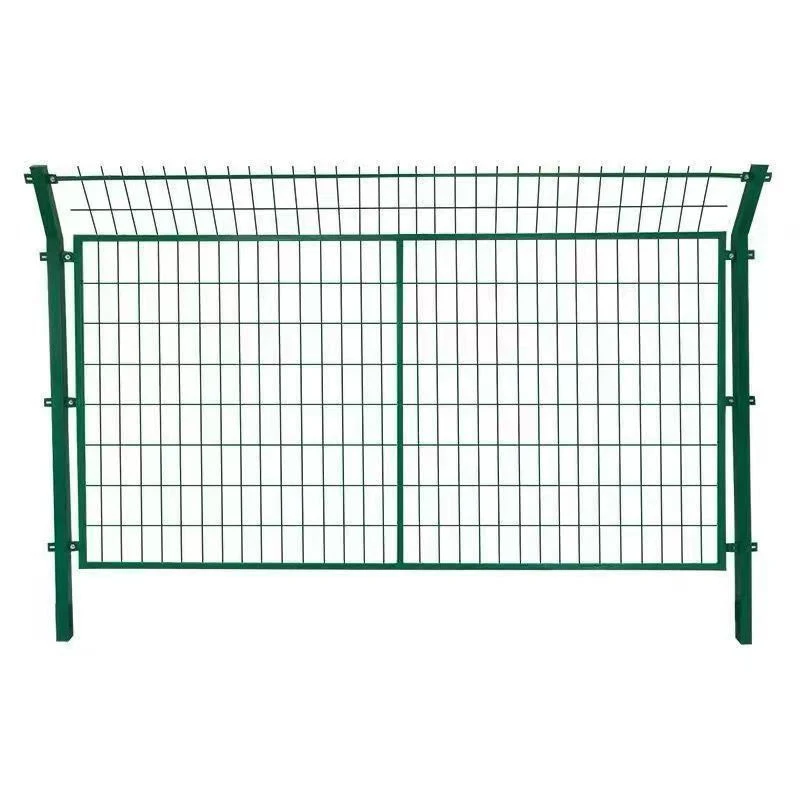
One project I recall vividly involved an agricultural client who needed a robust fencing solution to protect livestock from wild animals. They initially tried cheaper wire, but after a season, it started rusting and breaking. We switched them over to a thicker, hot-dip galvanized wire with closer barb spacing—and the difference was night and day. Years later, they're still running with it, and the maintenance calls have dropped to almost zero.
In real terms, investing in quality pays off. It feels like with barbed wire, you really get what you pay for—cut corners here, and you risk added labor and replacement costs that can catch you off guard.
Before wrapping up, if you’re browsing suppliers, look out for clear product certifications and quality testing guarantees – these things matter more than you might think. Materials get pushed to their limits in harsh environments, and knowing your wire was tested to hold up under these conditions builds trust. That, and a vendor who’s open to customization, can save a lot of headaches in the field.
So, if you’re searching for reliable barbed wire for sale, remember it’s not just about the spikes or twists. It’s about the material strength, the coating quality, and yes, the little specs that in the end deliver years of dependable fencing.
To put it simply: choose wisely, and it’ll stand the test of time—and weather.
References:
- Industrial Wire Products Literature, Jinzehong Wire Mesh Co.
- Fencing Material Durability Study, Agricultural Safety Journal, 2022
- Field Experience Reports from SecureFencing Ltd.