Understanding 2mm Steel Mesh: Why This Simple Material Makes a Big Global Impact
If you've ever walked past a construction site or peeked inside a warehouse, you've probably seen steel mesh without giving it a second thought. But when we zoom in on 2mm steel mesh, a material characterized by its 2-millimeter wire thickness, things start to get interesting. This seemingly simple grid of metal wires is quietly shaping industries—from construction safety to infrastructure reinforcement and even humanitarian aid. What's more, its importance only seems to grow as global demands for stronger, more sustainable, and cost-effective materials increase.
In fact, according to the International Organization for Standardization (ISO), steel wire mesh products have seen a steady rise in production and application across continents, playing a vital role in urban development and disaster resilience. It’s fascinating how something that looks so straightforward can carry such global relevance.
The Global Context of 2mm Steel Mesh
Around 2 billion people worldwide live in rapidly urbanizing regions where infrastructure needs constant upgrading. The World Bank highlights that reinforcing concrete with materials like steel mesh drastically improves safety and longevity—it’s a silent guardian against structural failure. But applications don’t stop there. The 2mm thickness strikes a sweet spot: thin enough to be pliable and lightweight, yet solid enough to withstand stress and strain under pressure.
Challenges such as increasing natural disasters, demand for affordable housing, and industrial expansion only heighten the need for materials that are both reliable and accessible. That's where 2mm steel mesh steps in, addressing a lot of these problems with no fuss — just proven, solid metal.
Takeaway
Today’s infrastructure—and even humanitarian efforts—rely on 2mm steel mesh more than you might expect. It’s affordable, versatile, and endlessly useful across industries.
What Exactly Is 2mm Steel Mesh?
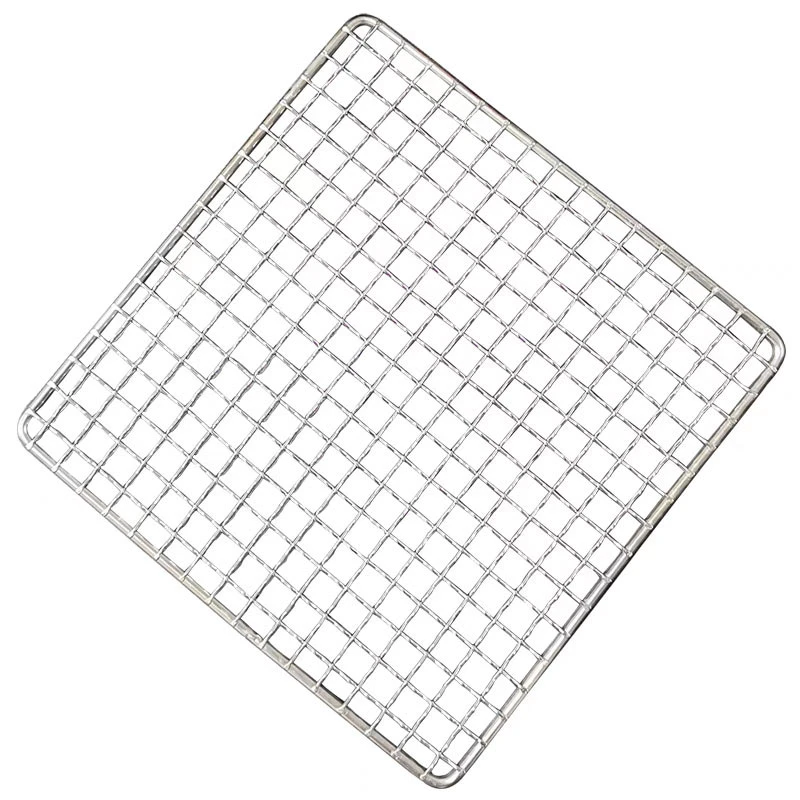
Simply put, 2mm steel mesh refers to a grid of steel wires, each wire having a thickness of two millimeters, welded or woven together to form sheet-like panels. These panels offer structural reinforcement, filtration capabilities, and physical barriers, all depending on the mesh size and construction method.
Importantly, 2mm steel mesh is tailored for scenarios where strength can’t be compromised but where flexibility and weight also matter. For example, in modern concrete reinforcement, this size delivers a robust matrix that holds materials together and prevents cracking, a bit like steel sinews inside a building.
Mini Takeaway
When you hear “2mm steel mesh,” think of a strong, adaptable backbone for structures and protective barriers with industrial and humanitarian applications.
Core Components and Key Factors of 2mm Steel Mesh
1. Durability
Steel, especially when galvanized or treated against corrosion, offers exceptional durability. Many manufacturers produce 2mm steel mesh with coatings that can withstand harsh environments—whether coastal humidity or industrial chemicals.
2. Scalability
Panels of 2mm steel mesh can be manufactured in various sizes, allowing easy customization from small-scale fencing all the way to large infrastructure projects. The mesh size within these panels can also be changed, impacting strength and weight.
3. Cost Efficiency
Compared to thicker wire meshes, 2mm avoids unnecessary material bulk while maintaining core strength. This balance reduces both shipping and installation costs—critical for budget-conscious constructors or NGOs working on emergency housing.
4. Flexibility and Weight
Though rigid in structure, 2mm steel mesh panels are surprisingly lightweight and easier to handle than thicker varieties. This means faster installation times and less need for heavy machinery.
5. Versatility
From concrete reinforcement to security fencing and even filtration screens, 2mm steel mesh’s adaptability turns it into a multi-industry hero.
Typical Specifications for 2mm Steel Mesh Panels
| Specification |
Value |
Notes |
| Wire Diameter |
2mm |
Standard thickness for this product line |
| Mesh Opening Size |
10mm x 10mm (common) |
Customization possible |
| Panel Size |
2m x 6m (typical) |
Varies by order |
| Material Grade |
Carbon Steel, Galvanized, Stainless Steel |
Depending on application needs |
| Weight |
~4.5 kg/m² |
Light enough for manual handling |
How Is 2mm Steel Mesh Used Around the World?
From sprawling skyscraper bases in megacities to temporary shelters in refugee camps, 2mm steel mesh fits a surprising array of needs. In regions like Southeast Asia, rapid urban expansion necessitates affordable, reliable reinforcements for both commercial and residential buildings. Africa’s rising demand for agricultural fencing and water management systems also leans heavily on this mesh type.
In humanitarian contexts, NGOs often rely on these panels to create quickly assembled partitions, protective cages, or habitats that require a solid frame but need to be moved or reconfigured. For example, after the 2015 Nepal earthquake, relief efforts included deploying steel mesh reinforcements for rebuilding schools and community buildings quickly, offering both structural integrity and some flexibility in design.
Industrial zones, especially in areas with moderate seismic risk, similarly adopt 2mm steel mesh for safety fences and concrete reinforcement. Its balance of strength and economy makes it popular from automotive factories in Europe to mining facilities in Australia.
Global Use Summary
- Construction reinforcement worldwide, especially in developing urban centers.
- Humanitarian shelters and temporary structures in disaster zones.
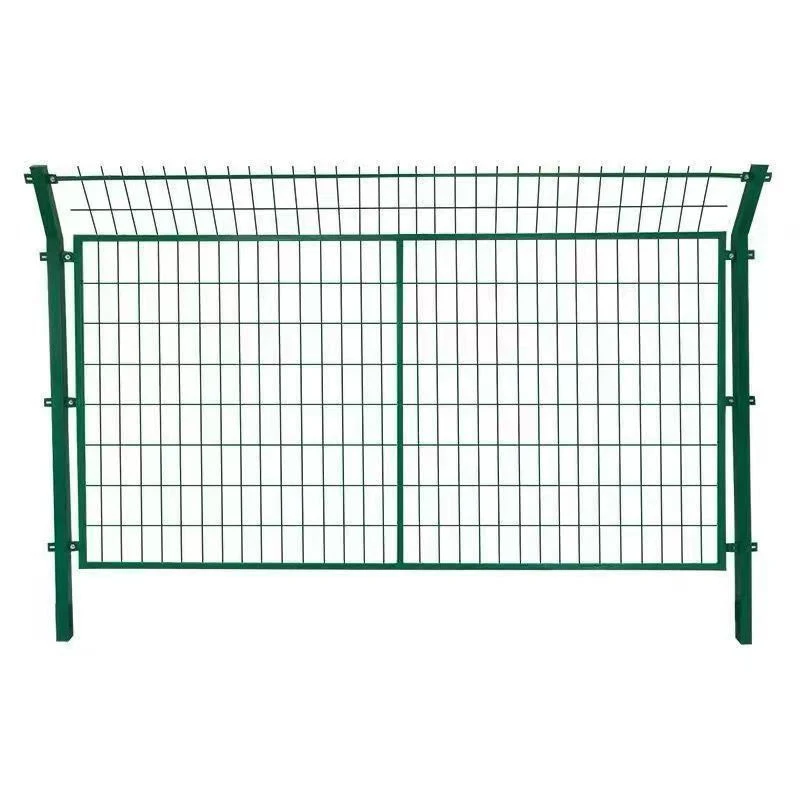
- Agricultural fencing and industrial safety barriers.
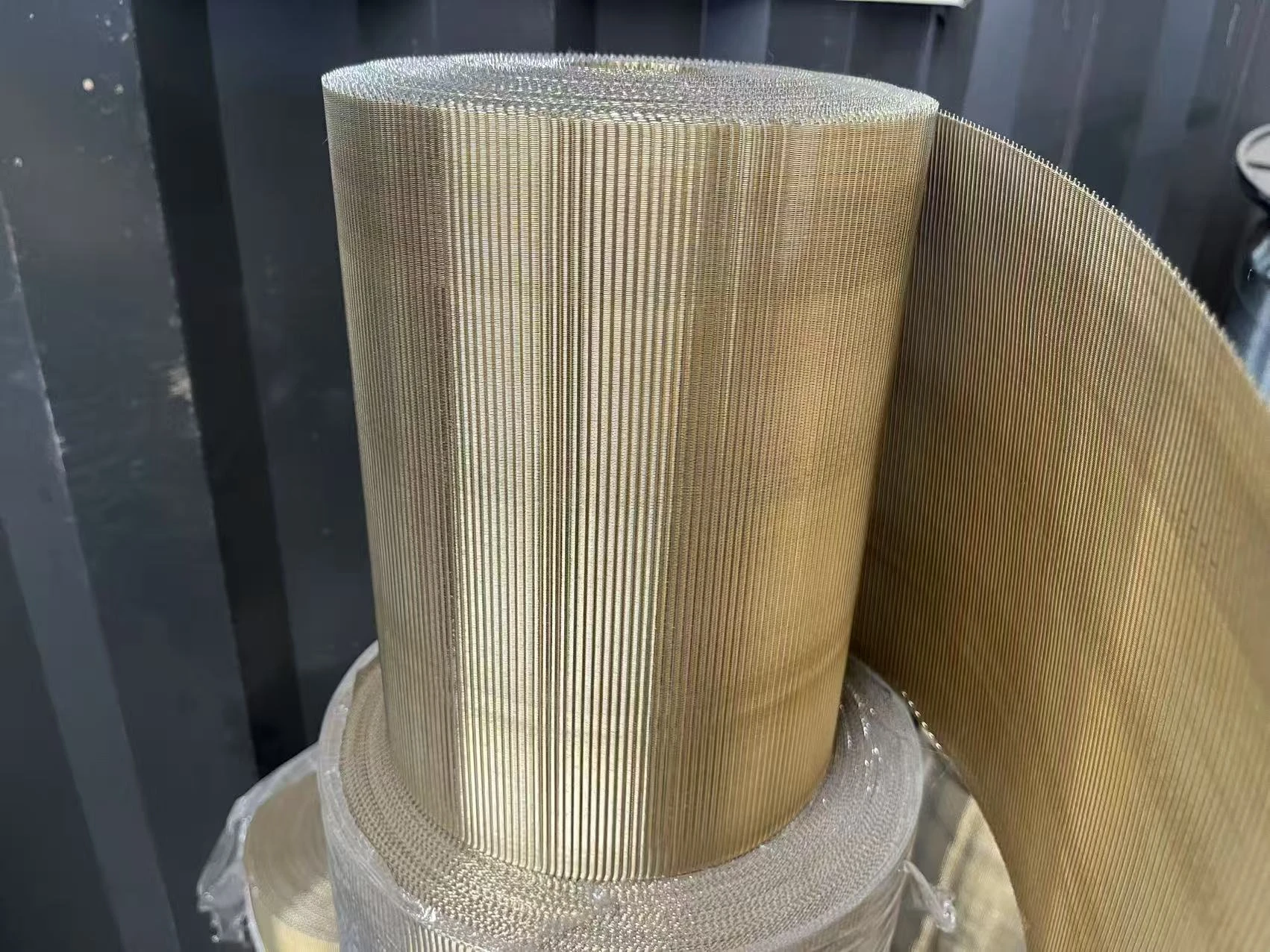
- Filtration and sieving in manufacturing industries.
Why Choose 2mm Steel Mesh? The Advantages
When you factor in both the bottom line and the bigger picture, 2mm steel mesh has a strong case. First, the cost savings are real—not just in purchasing, but installation and upkeep. Lighter weight means it’s easier and faster to handle, trimming labor overhead.
On the sustainability front, steel is infinitely recyclable, making this mesh type a greener choice compared to composites. This appeals to architects and planners pushing for eco-friendly building standards like LEED or BREEAM.
Emotionally, it’s also about safety and peace of mind. Workers, owners, and residents feel reassured knowing structures supported by this mesh persist through the roughest challenges—storms, earthquakes, or just the test of time.
Emerging Trends: What's Next for 2mm Steel Mesh?
Industry watchers and engineers are excited by innovations in coatings that make steel mesh even more resistant to corrosion without costly maintenance. There’s also a trend toward integrating smart technologies—embedding sensors within mesh panels to monitor stress or deformation in real-time.
Additive manufacturing techniques might soon allow for on-site fabrication of customized steel mesh panels, reducing transport footprints. And with green energy popping up everywhere, mesh is being designed to support solar installations and wind turbines, combining strength with multifaceted utility.
Common Challenges and How They're Overcome
Maybe the biggest challenge with 2mm steel mesh is striking the right balance between flexibility and rigidity—too stiff can cause joints to fail under dynamic forces; too flexible, and you lose structural support. Some manufacturers are playing with alloys and weaves to get that sweet spot.
Another is corrosion, particularly in coastal or chemically harsh environments. Modern galvanizing methods and polymer coatings address this head-on.
Finally, transportation and storage can be tricky for large panels. Modular designs and foldable mesh panels are gaining ground as solutions.
Vendor Comparison of 2mm Steel Mesh Providers
| Feature |
Jinzehong Wire Mesh |
Global Steel Mesh Inc. |
SuperGrid Supplies |
| Customization Options |
High – mesh size, coatings, sizes |
Medium – mostly standard panels |
Low – limited sizes |
| Quality Certifications |
ISO 9001, ISO 14001 |
ISO 9001 |
None listed |
| Lead Time |
2-3 weeks |
3-5 weeks |
1-2 weeks (limited stock) |
| Pricing |
Competitive |
Mid-range |
Lower for basics |
| Global Shipping |
Yes |
Limited |
No |
FAQ: Frequently Asked Questions About 2mm Steel Mesh
Q1: How durable is 2mm steel mesh in coastal environments?
A1: When galvanized or coated properly, 2mm steel mesh offers excellent corrosion resistance even in saline coastal areas. Many engineers recommend additional polymer coatings for enhanced protection, ensuring decades of performance.
Q2: Can 2mm steel mesh be customized for specific industrial filters?
A2: Absolutely. The mesh opening size and panel dimensions can be tailored to meet filtration needs, from coarse sieving to finer particulate control.
Q3: What’s the typical lead time to order customized 2mm steel mesh panels?
A3: Lead times vary but generally fall between 2 to 4 weeks depending on complexity and volume. Working with established vendors like Jinzehong Wire Mesh can speed this up.
Q4: Is 2mm steel mesh suitable for temporary fencing in disaster relief?
A4: Yes, it’s lightweight and sturdy enough for quick installation while still providing robust security and wind resistance, making it an ideal choice.
Q5: Are there environmental benefits to using steel mesh versus plastic alternatives?
A5: Steel mesh is fully recyclable and tends to have a longer service life, reducing waste and resource consumption over time.
In Conclusion: The Long-Term Value of 2mm Steel Mesh
It’s easy to overlook the quiet heroes like 2mm steel mesh, but as we’ve seen, they underpin vital infrastructures, protect lives, and enable innovation in construction, agriculture, and humanitarian aid. Durable, cost-effective, and versatile, this wire mesh continues to be a foundational material adapting to a changing world.
If you want to explore more about how 2mm steel mesh might support your projects, check out our range here — there’s a lot of value waiting in those grids you never really noticed before.
References & Further Reading
- ISO Standards on Steel Wire Mesh
- World Bank Urban Development Data
- Reinforced Concrete - Wikipedia