Understanding s Steel Wire Mesh: More Than Just Metal Grids
If you’re in industries from construction to agriculture, chances are you’ve come across s steel wire mesh. But what precisely is it, and why does it matter so much worldwide? At first glance, it’s a simple concept—a network of steel wires woven or welded into grids. However, its importance stretches far beyond simple fencing or reinforcement. Globally, s steel wire mesh serves as a backbone for infrastructure, safety controls, and even humanitarian projects.
Knowing the basics—and the nuances—of this material unlocks a deeper appreciation for the infrastructure that supports daily life, whether it’s in bustling urban centers or disaster-prone regions trying to rebuild. Plus, understanding the different types and applications can help you select the right mesh for your needs, saving time and money.
The Global Scene: Why s Steel Wire Mesh Is Everywhere
It turns out, s steel wire mesh isn’t just some industrial niche product—it’s actually a giant in the global materials market. According to the International Organization for Standardization (ISO), wire mesh production has grown significantly, especially in developing economies where infrastructure projects and agricultural improvements are booming.
For example, the World Bank reported that over 1 billion people live in areas vulnerable to natural disasters. In such places, robust, adaptable materials are essential to rebuilding homes and securing public spaces quickly. That’s where s steel wire mesh’s flexibility and strength come in: it can serve as reinforcement for concrete, make temporary fencing, and even act as barriers for erosion control.
But here’s an interesting challenge: Despite its robustness, many regions struggle with sourcing mesh that meets local standards or that can be easily customized for unique environments. Manufacturers and suppliers must adapt rapidly to these needs.
Mini takeaway:
- s Steel wire mesh is a cornerstone for global infrastructure, especially in disaster resilience and agriculture.
- Growing demand calls for adaptable, certified products to meet diverse regional challenges.
What Exactly Is s Steel Wire Mesh?
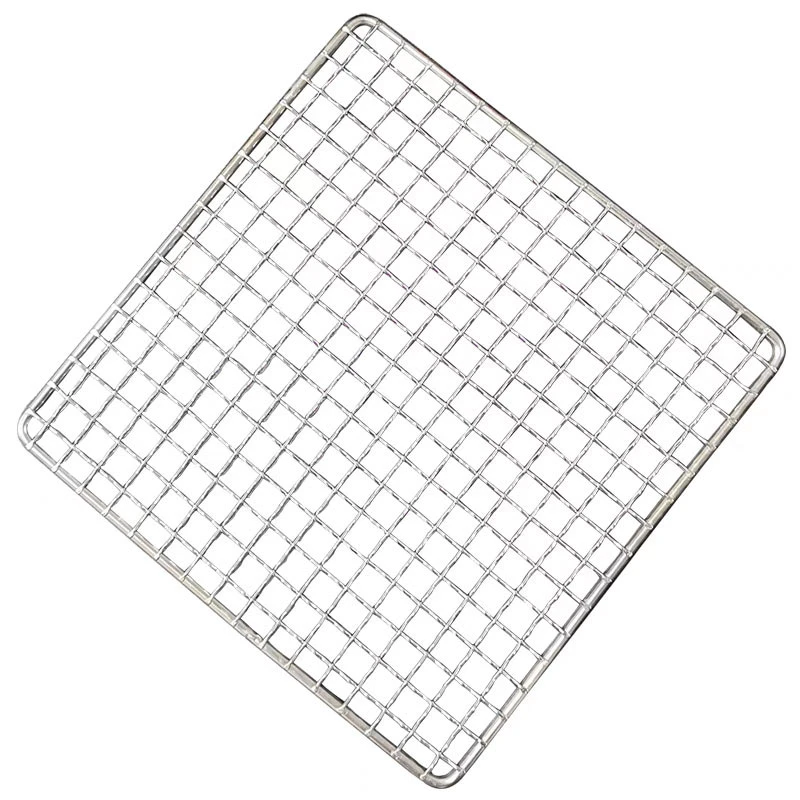
Simply put, s steel wire mesh is a grid-like material made by weaving or welding steel wires into a mesh pattern. It’s like a metal fabric—flexible or rigid depending on the design—that serves to reinforce, secure or filter. It blends strength and versatility, fitting modern needs in construction, industrial filtration, and beyond.
In humanitarian contexts, this mesh can be lifesaving. For example, after earthquakes or floods, pre-fabricated mesh can reinforce shelters or prevent landslides. Meanwhile, in heavy industry, it helps create filters that separate particles or reinforce materials for longevity.
Mini takeaway:
- s Steel wire mesh = steel wires formed into grids, used in multiple sectors.
- Its key value lies in adaptability—from heavy-duty reinforcement to delicate filtration.
Core Components That Make s Steel Wire Mesh Work
1. Durability
One of the first things engineers praise about s steel wire mesh is its toughness. The steel used often goes through galvanization or other coatings to resist corrosion and rust, which means it can last decades outdoors without losing integrity. Durability reduces lifecycle costs substantially, especially in harsh environments.
2. Flexibility & Customization
Not all mesh is created equal. Depending on how wires are woven or welded, the mesh can be more flexible or rigid. Wire thickness, spacing, and pattern can all be customized for the project—whether you need a fine mesh for industrial filtering or a robust mesh for road barriers.
3. Cost-Efficiency
When you compare materials like concrete reinforcement bars or plastic meshes, s steel wire mesh strikes a remarkable balance. It’s affordable, widely available, and easy to work with—saving time on installations and reducing maintenance.
4. Environmental Resistance
Advanced coatings protect it from UV, chemicals, and weather, enabling use in extreme climates from desert heat to salty coastal air. This quality is critical for applications in marine industries or arid regions.
5. Safety Compliance
The products often meet ISO and ASTM standards, certifying their quality and making them acceptable globally. This is crucial for industries like food production or healthcare filtration where safety and hygiene matter.
Typical Specifications of s Steel Wire Mesh
| Specification |
Details |
| Material |
High tensile galvanized steel / stainless steel |
| Wire Diameter |
0.5mm – 5mm |
| Mesh Size |
1 inch to 6 inches (customizable) |
| Coating |
Galvanized zinc, PVC, or stainless finish |
| Standard Compliance |
ISO 9001, ASTM A1064/A1064M |
Mini takeaway:
- Its durability and coatings help in diverse climate challenges.
- Customization enables applications from fence posts to particle filtration.
Global Applications and Use Cases of s Steel Wire Mesh
s Steel wire mesh really shines in its versatility. You’ll find it in some surprising places:
- Construction: Reinforcement in concrete slabs, walls, and roads ensures safety and longevity.
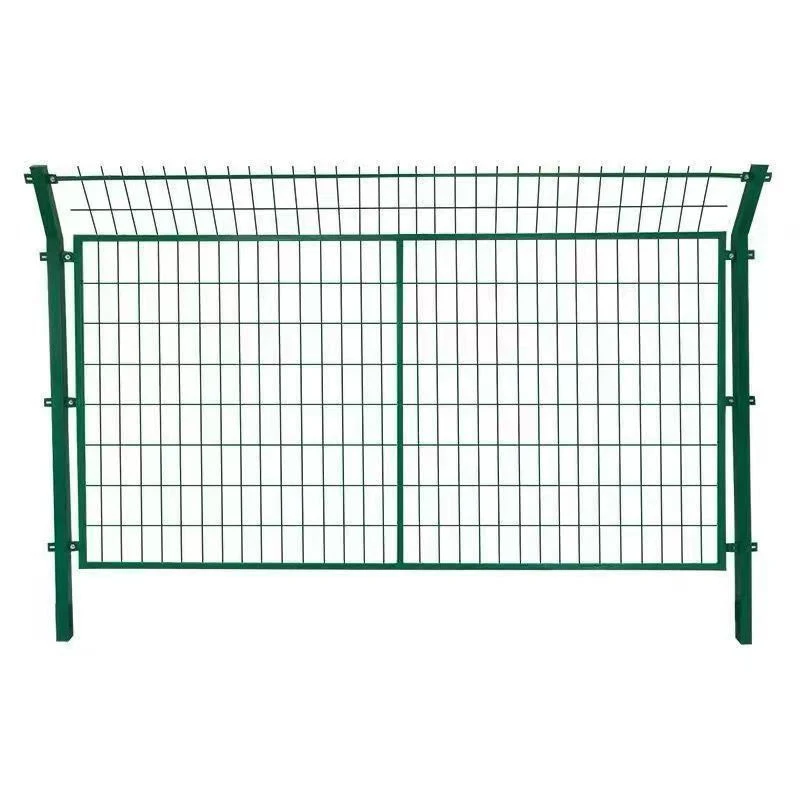
- Agriculture: Protective fencing, animal enclosures, and support for climbing plants.
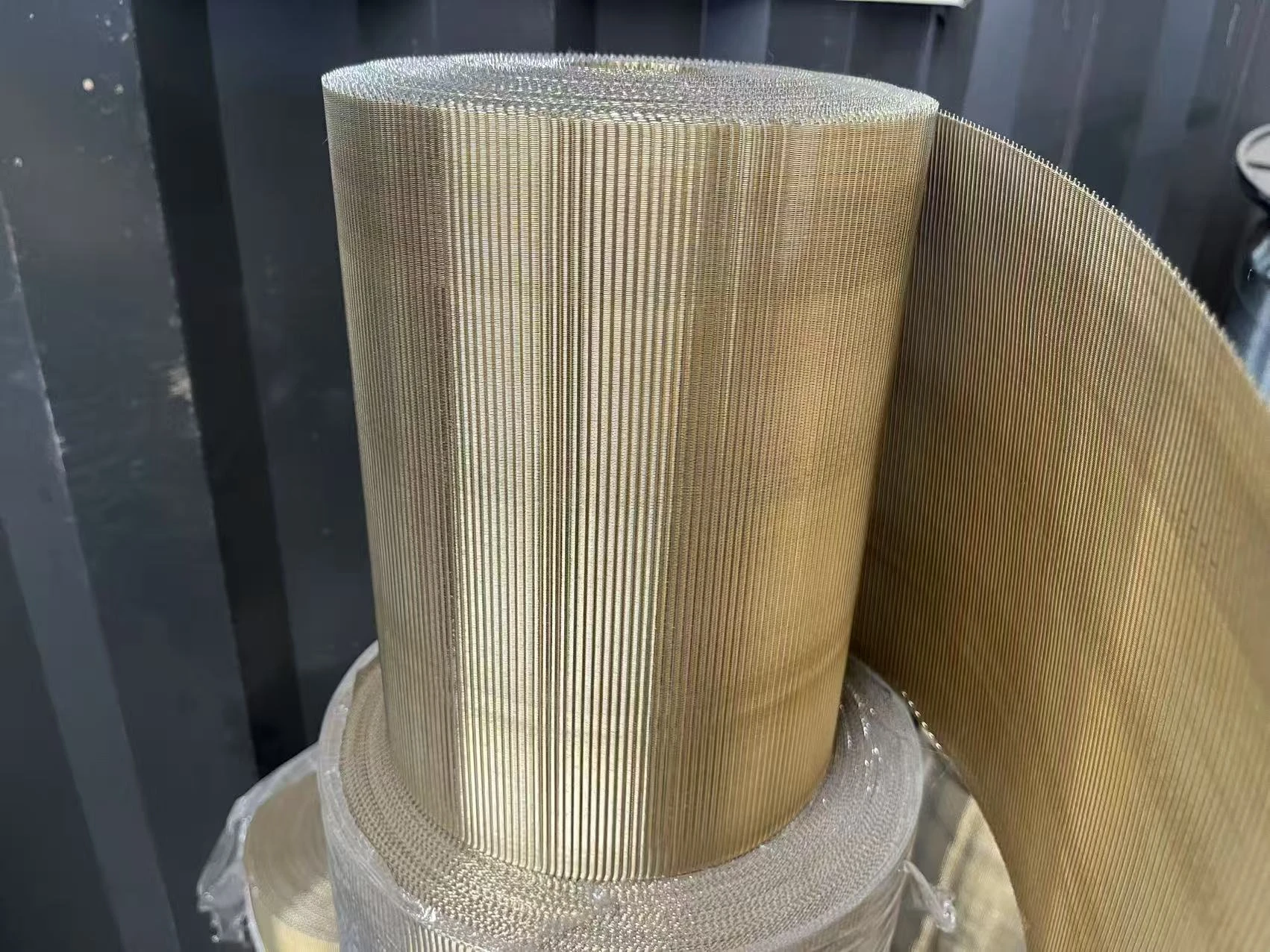
- Industrial Filtration: The mesh helps separate solids and liquids in chemical and food processing plants.
- Disaster Relief: Post-disaster shelters get extra strength by integrating welded wire mesh panels for faster assembly.
- Mining and Infrastructure: Rockfall barriers and erosion control in mountainous or vulnerable zones.
For instance, in Southeast Asia, NGOs working on flood prevention use s steel wire mesh coated with PVC to create barriers that stand up to monsoon seasons. Meanwhile, European manufacturers are developing fine mesh filters tailored for pharmaceutical production. And oddly enough, aviation safety zones utilize it for secure fencing around critical areas.
Mini takeaway:
- Applications span construction, agriculture, filtration, and disaster recovery.
- Regional innovations demonstrate the mesh's flexibility to meet local challenges.
Advantages and Long-Term Value of Choosing s Steel Wire Mesh
So what really motivates businesses and governments to invest in s steel wire mesh? Here’s the lowdown:
- Cost Savings: It’s durable, which reduces repairs, replacements, and labor.
- Sustainability: Many meshes use recyclable steel, reducing environmental impact.
- Safety & Trust: Customers know the product meets rigorous global standards.
- Social Impact: In developing regions, using quality wire mesh means safer homes and infrastructure, which uplifts community well-being.
- Innovation Friendly: It integrates well with green technologies — like solar panel mounts or vertical farming setups.
It feels like s steel wire mesh quietly supports the dignity of both builders and end users—whether it’s protecting crops from wildlife or reinforcing a new community center.
Mini takeaway:
- The mesh offers a rare blend of economy, sustainability, and reliability.
- Its social contribution is subtle but vital, improving safety and innovation opportunities.
What’s Next? Future Trends in s Steel Wire Mesh
Looking ahead, the mesh will keep evolving. Some key trends include:
- Eco-Friendly Materials: Research into coating alternatives that further reduce carbon footprints is underway.
- Smart Mesh Solutions: Incorporating sensors to monitor structural health or environmental factors.
- Automation in Production: Using robotics to create ultra-precise and custom meshes faster and cheaper.
- Integration with Renewable Energy: Mesh as structural support for solar panels or vertical gardens.
It’s an exciting time because technology is literally welding and weaving itself into smarter steels.
Challenges—and How Experts Are Tackling Them
Of course, no material is perfect. The biggest hurdles with s steel wire mesh include:
- Corrosion in Extreme Environments: Even galvanized coatings wear out.
- Weight Concerns: Sometimes the steel mesh is heavy and costly to transport.
- Customization Delays: Quick turnaround on custom sizes can be tricky.
Experts suggest high-performance coatings like nano-ceramic layers to boost longevity and lightweight alloy mixes to ease transport. Plus, modular system designs allow faster assembly and replacement onsite.
Vendor Overview: How Do Top Manufacturers Stack Up?
| Vendor |
Specialty |
Customization |
Lead Time |
Certifications |
| Jinzehong Wire Mesh |
Galvanized & PVC mesh |
High; custom designs |
2–4 weeks |
ISO 9001, ASTM |
| Global Mesh Co. |
Stainless steel mesh |
Medium |
3–5 weeks |
ISO, CE |
| FiberTech Industries |
Lightweight wire alloys |
Low |
4–6 weeks |
ASTM only |
FAQ: Your Practical Questions About s Steel Wire Mesh
Q1: How do I choose the right mesh size for fencing?
Choosing mesh size depends on your project's purpose. For security fencing, tighter mesh (1-2 inch grid) prevents intrusion, while larger meshes are fine for agricultural animal enclosures. Always consider wire thickness too—for durability.
Q2: Can s steel wire mesh be used in marine environments?
Yes, but with caution. Standard galvanized mesh will corrode faster due to salt. Marine-grade stainless steel or PVC-coated mesh is more suitable to survive salt spray and humidity.
Q3: How long does s steel wire mesh typically last outdoors?
With proper coatings, it can last 15–30 years or more. Environmental factors affect this, so routine inspections and maintenance help maximize lifespan.
Q4: Is it possible to get custom mesh made quickly?
Yes, but the lead time depends on the complexity and vendor. Companies like Jinzehong Wire Mesh offer a good balance of customization with turnaround times of 2–4 weeks.
Q5: How does s steel wire mesh integrate with green building?
It supports green projects by reinforcing eco-friendly concrete alternatives and acting as durable support structures for green roofs or solar panel arrays, enhancing longevity and sustainability.
Conclusion
In real terms, s steel wire mesh is quietly indispensable. From securing modern infrastructure to supporting communities in crisis, its versatility and reliability shine through. If you want to explore high-quality, customizable solutions, definitely visit our website to see what options are available. It’s worth investing in a product that’s proven over decades yet continues to innovate toward a smarter, greener future.
Thanks for sticking with me through this deep dive. Sometimes, it’s the things we take for granted—like a simple sheet of steel mesh—that hold the world together.
References
- International Organization for Standardization (ISO)
- World Bank: Disaster Risk Management
- Wikipedia: Wire Mesh