Understanding Webnet Stainless Steel Mesh: A Modern Industry Essential
Stainless steel mesh might sound like a niche material, but when you dig a bit deeper, webnet stainless steel mesh reveals itself as a quietly transformative product. Globally, it's central to industries ranging from construction and architecture to environmental protection and humanitarian aid. The mesh’s durability, flexibility, and corrosion resistance mean it’s often a go-to solution in challenging environments—be they coastal cities or disaster zones. Knowing about this material isn’t just an engineer’s job; it matters to planners, architects, and even NGOs tackling infrastructure problems worldwide.
Introduction: The Global Relevance of Webnet Stainless Steel Mesh
In today’s interconnected and rapidly urbanizing world, materials that combine strength, longevity, and adaptability get top priority. According to ISO standards relating to stainless steel and global materials engineering, stainless steel mesh offers unmatched performance, especially in corrosive or extreme climates. For example, in coastal regions where salty air accelerates rusting, this mesh material’s corrosion resistance helps buildings and industrial frameworks retain structural integrity over decades. Oddly enough, it also plays an important role in humanitarian contexts, where strong but lightweight and quick-to-deploy structures are needed urgently.
The demand for resilient infrastructures is only growing, with the United Nations estimating a 68% global urban population by 2050 — a surge that pressures engineers and designers to seek sustainable building materials. Webnet stainless steel mesh addresses some of these emerging needs by providing scalable, flexible solutions without compromising on strength.
Definition & Meaning
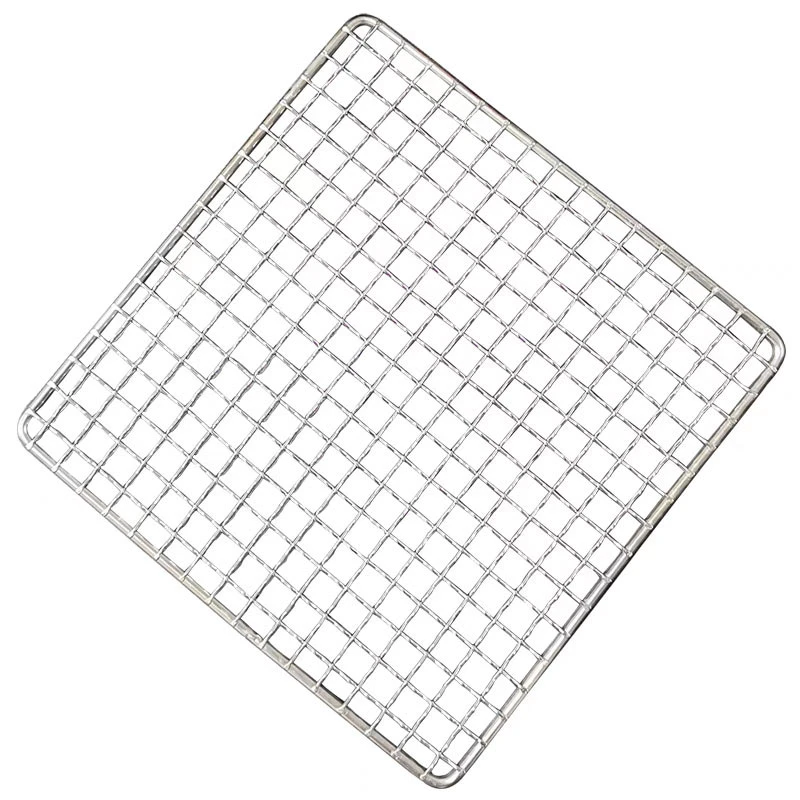
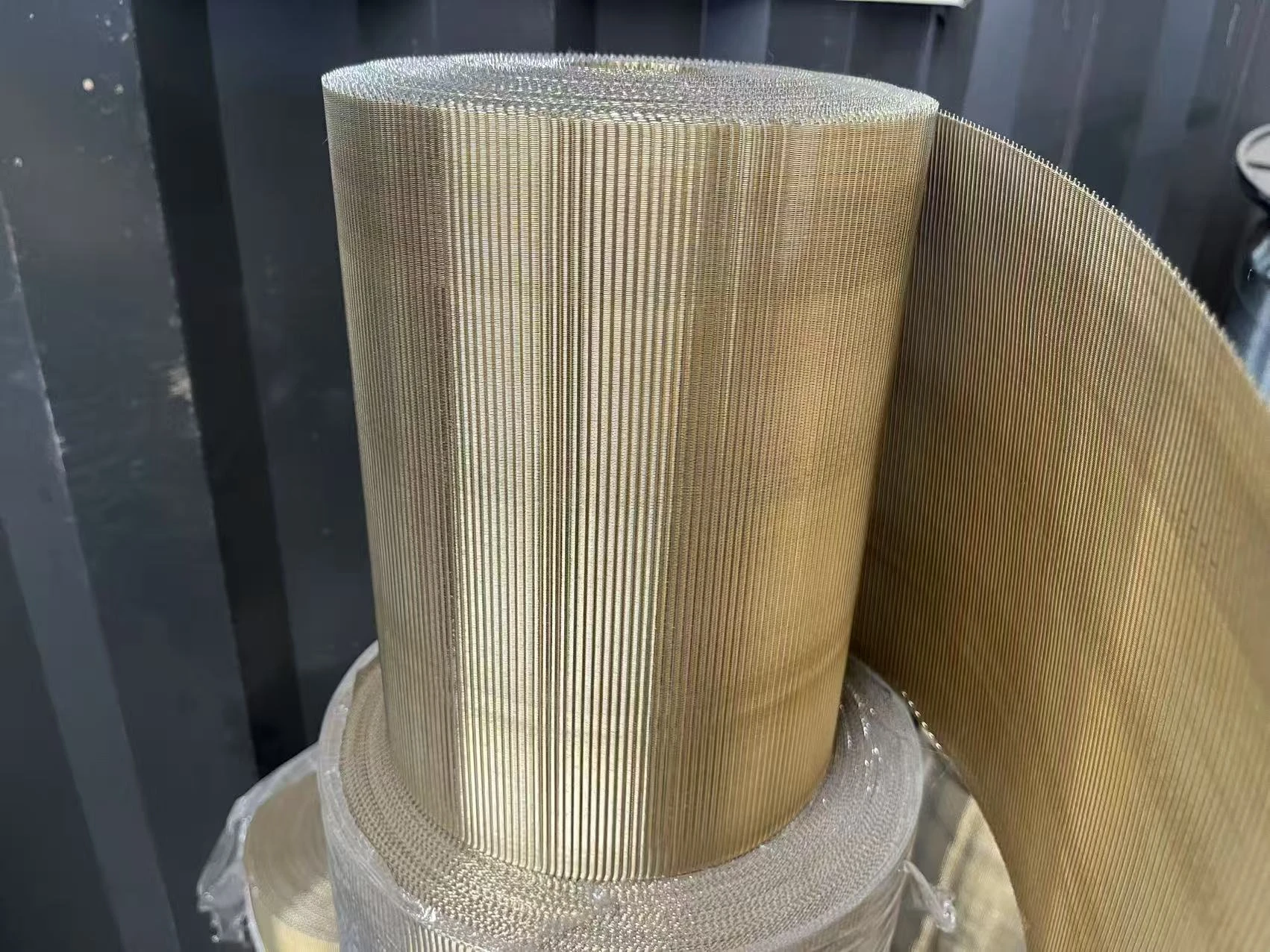
At its core, webnet stainless steel mesh is a mesh fabric composed of stainless steel wires woven or welded into interlocking patterns. Unlike traditional wire mesh, webnet typically features flat cables or flattened wires that create a broader, more stable, and lightweight netting structure. This design offers superior flexibility and load-bearing capacity compared to standard round-wire meshes.
Essentially, it's the “web” of stainless steel that forms a supportive net — often customized in mesh size, thickness, and finish. These tailored properties make it incredibly valuable in modern industries such as construction, façade engineering, industrial filtration, and even in safety and security applications. Frankly, it’s a material that bridges industrial strength with artistic flexibility.
Key Factors or Core Components of Webnet Stainless Steel Mesh
1. Durability and Corrosion Resistance
Because it’s stainless steel, the mesh resists rust and chemical damage, which is critical for outdoor or marine settings. It can last decades without losing integrity — a huge factor in lifecycle cost analysis.
2. Flexibility and Adaptability
The flattened cable structure means it can conform around curves or unusual shapes, making it ideal for architectural applications like façades, canopies, or railing infills.
3. Lightweight Strength
Despite being metal, webnet offers a high strength-to-weight ratio, allowing for easier transport and installation compared to heavier sheet metals or concrete.
4. Aesthetic Appeal
Its clean, modern look has made it a favorite among designers. Beyond function, it improves visual transparency while providing safety and security.
5. Customization Options
Wire diameters, mesh sizes, coating, and material grades can be chosen to fit specific performance needs.
Product Specification Table for Typical Webnet Stainless Steel Mesh
| Specification |
Details |
| Material Grade |
304, 316, 316L stainless steel |
| Wire Diameter |
2.5mm to 12mm flat cables |
| Mesh Size |
Varies from 10mm up to 150mm squares |
| Finish |
Mill finish, polished, or coated |
| Weight per sqm |
3–7 kg depending on wire size and mesh pattern |
Global Applications & Use Cases
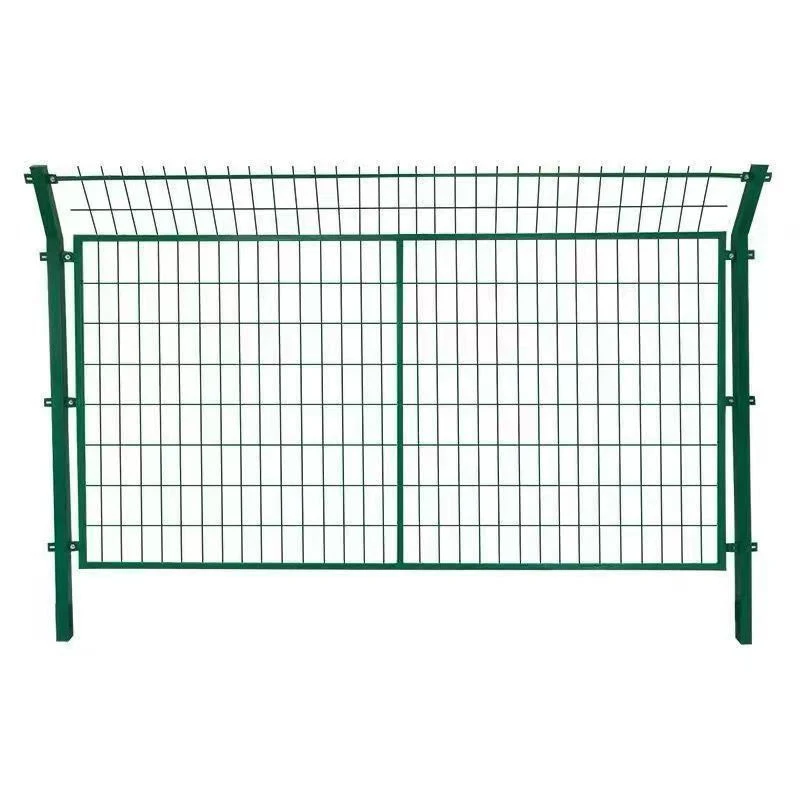
Webnet stainless steel mesh has an impressively broad footprint. In Europe, it's popular for architectural façades and safety screens on bridges, valued for combining safety and minimalist aesthetics. In Asia, where urban density invites vertical greenery, the mesh acts as plant support structures that endure heavy rainfall and high humidity. In the U.S., this mesh finds use in the petrochemical industry as filtration screens, because of its resistance to chemicals and heat.
Humanitarian organizations often use it in post-disaster zones to construct shelters quickly yet securely. Its adaptability means shelters can be modular, adjustable, and robust against weather extremes. Thinking about the logistics, using webnet stainless steel mesh helps reduce transportation weight, which directly speeds up deployment.
Vendor Comparison Table
| Vendor |
Material Grades |
Customization Options |
Lead Time |
Price Range |
| Jinzehong Wire Mesh |
304, 316L |
Wire diameter, mesh size, finish |
2–3 weeks |
Competitive, volume discounts available |
| Global Wire Solutions |
304, 316, 317L |
Limited mesh sizes |
4–5 weeks |
Higher range |
| Metallux Corp |
316, 316L |
Custom finishes, coatings |
3–4 weeks |
Mid to high range |
Advantages & Long-Term Value
Choosing webnet stainless steel mesh is rarely just about the immediate cost. Sure, upfront it might be a bit pricier than cheaper wire meshes or synthetic alternatives, but the long-term benefits far outweigh that—especially when factoring in maintenance, replacement, and environmental impact.
- Cost Efficiency: Lasts decades without corrosion or deformation, cutting down replacement cycles.
- Sustainability: Stainless steel is recyclable, so it fits cleanly within circular economy goals.
- Safety & Reliability: Handles heavy loads and resists harsh environments, making it trustworthy in critical infrastructure.
- Emotional Impact: Users and communities gain confidence knowing their spaces are secure and well-engineered.
Future Trends & Innovations
Looking ahead, there’s a notable push towards integrating webnet stainless steel mesh with smart technology — think sensors embedded in mesh frameworks for real-time structural health monitoring. Green construction standards increasingly call for materials that are not only durable but have low carbon footprints through their production and recyclability.
Moreover, automation in manufacturing means more precise meshes with complex patterns can be crafted faster and to tighter tolerances, supporting innovative architectural designs. Lastly, hybrid meshes combining stainless steel with composite materials could offer even lighter weights with enhanced properties.
Challenges & Solutions
Despite many benefits, challenges persist. For example, stainless steel mesh can sometimes be costly in large projects with tight budgets, and its fabrication requires specialized equipment. Also, improper installation can undermine performance — meaning selecting knowledgeable suppliers is key.
Innovatively, modular installation systems and off-site prefabrication reduce labor costs and improve quality control. Plus, companies like Jinzehong Wire Mesh provide specialized technical support and customization to overcome these hurdles.
FAQs About Webnet Stainless Steel Mesh
Q: How does webnet stainless steel mesh compare with traditional wire mesh in strength?
A: Due to its flattened cable design and interwoven pattern, webnet mesh often offers approximately 20–30% higher tensile strength than standard round-wire mesh of equal thickness, improving load distribution and durability.
Q: What environments are best suited for using webnet stainless steel mesh?
A: It excels in corrosive environments such as coastal areas, chemical plants, and high-humidity regions — anywhere rust is a concern — plus architectural projects needing both form and function.
Q: Can webnet stainless steel mesh be recycled after its service life?
A: Yes, stainless steel is 100% recyclable without loss of quality. Recycling helps reduce environmental impact and supports sustainable construction practices.
Q: How customizable is webnet mesh for specialized architectural projects?
A: Very customizable. Wire thickness, mesh size, surface finish, and coating options allow adaptation to different load, aesthetic, and environmental requirements.
Conclusion & Call to Action
In an industry constantly seeking materials that deliver strength, durability, flexibility, and aesthetics, webnet stainless steel mesh stands out as a multi-purpose champion. Its global application, from architectural marvels to humanitarian shelters, underscores its value. If you’re considering a project that requires resilient, reliable, and modern mesh solutions, explore the possibilities offered by webnet stainless steel mesh today.
Curious? Visit our website for detailed product information, expert advice, and supply options tailored to your needs.
Mini takeaway: Webnet stainless steel mesh isn’t just metal netting — it’s a smart blend of strength, flexibility, and sustainability that meets tomorrow’s infrastructure challenges today.
References:
1. International Organization for Standardization (ISO) standards on stainless steel materials.
2. United Nations Department of Economic and Social Affairs, World Urbanization Prospects 2018.
3. Wikipedia contributors, "Stainless Steel Mesh," Wikipedia, The Free Encyclopedia.