Heavy Duty Stainless Steel Wire Mesh: What It Is and Why It Matters
If you’ve ever paused to think about the sturdy fencing in industrial sites, the reliable reinforcement in construction, or protective screens that resist the harshest environments, you’ve brushed past heavy duty stainless steel wire mesh. It’s a humble yet critical component in many global industries—from infrastructure and manufacturing to humanitarian aid. But why should anyone outside these fields care? Because this mesh speaks volumes about durability, safety, and sustainability in tough conditions—and understanding it can unlock smarter decisions in construction, disaster relief, and even environmental protection.
Setting the Stage: Why Heavy Duty Stainless Steel Wire Mesh Commands Global Attention
On a worldwide scale, urban growth and industrial expansion demand materials that can endure pressure, corrosion, and wear. According to the International Organization for Standardization (ISO), stainless steel wires are critical in guaranteeing safety and quality in structural applications. Consider this: the global stainless steel market was valued at over $100 billion in 2023, with a steady CAGR reflecting strong demand in construction, mining, and filtration industries.
Meanwhile, the United Nations underscores infrastructure resilience as a key goal in sustainable development, especially for communities prone to natural disasters. Heavy duty stainless steel wire mesh steps in as a solution to challenges like corrosion in salty coastal zones, structural degradation under harsh weather, or even safety compliance in transport hubs. It’s about maintaining integrity under pressure, literally and figuratively.
Mini takeaway: This isn’t just metal woven into a grid; it’s a backbone of safety and durability responding to worldwide demands for smarter, stronger, and longer-lasting materials.
Defining Heavy Duty Stainless Steel Wire Mesh
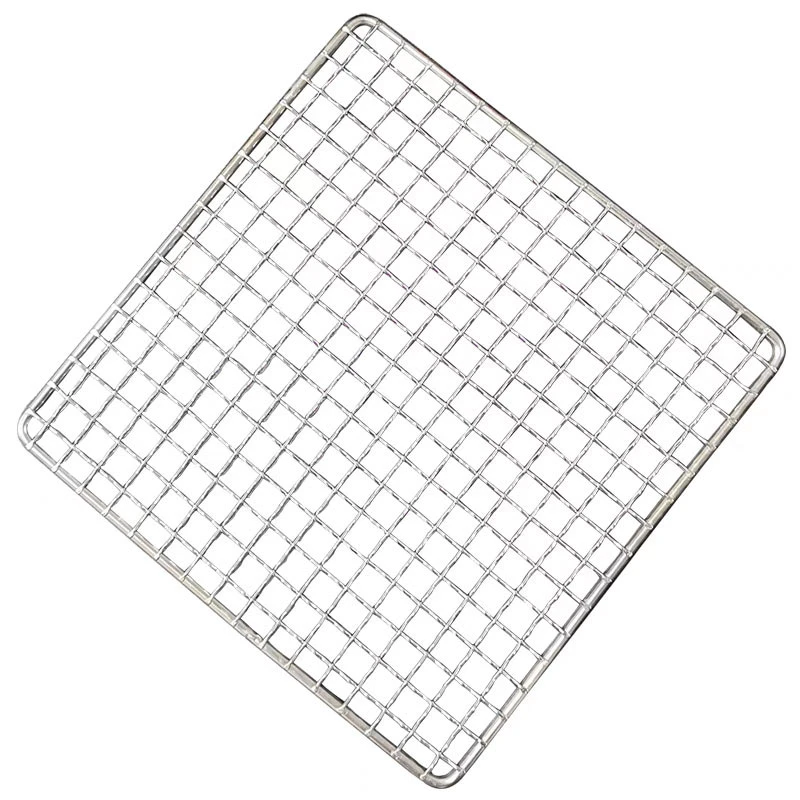
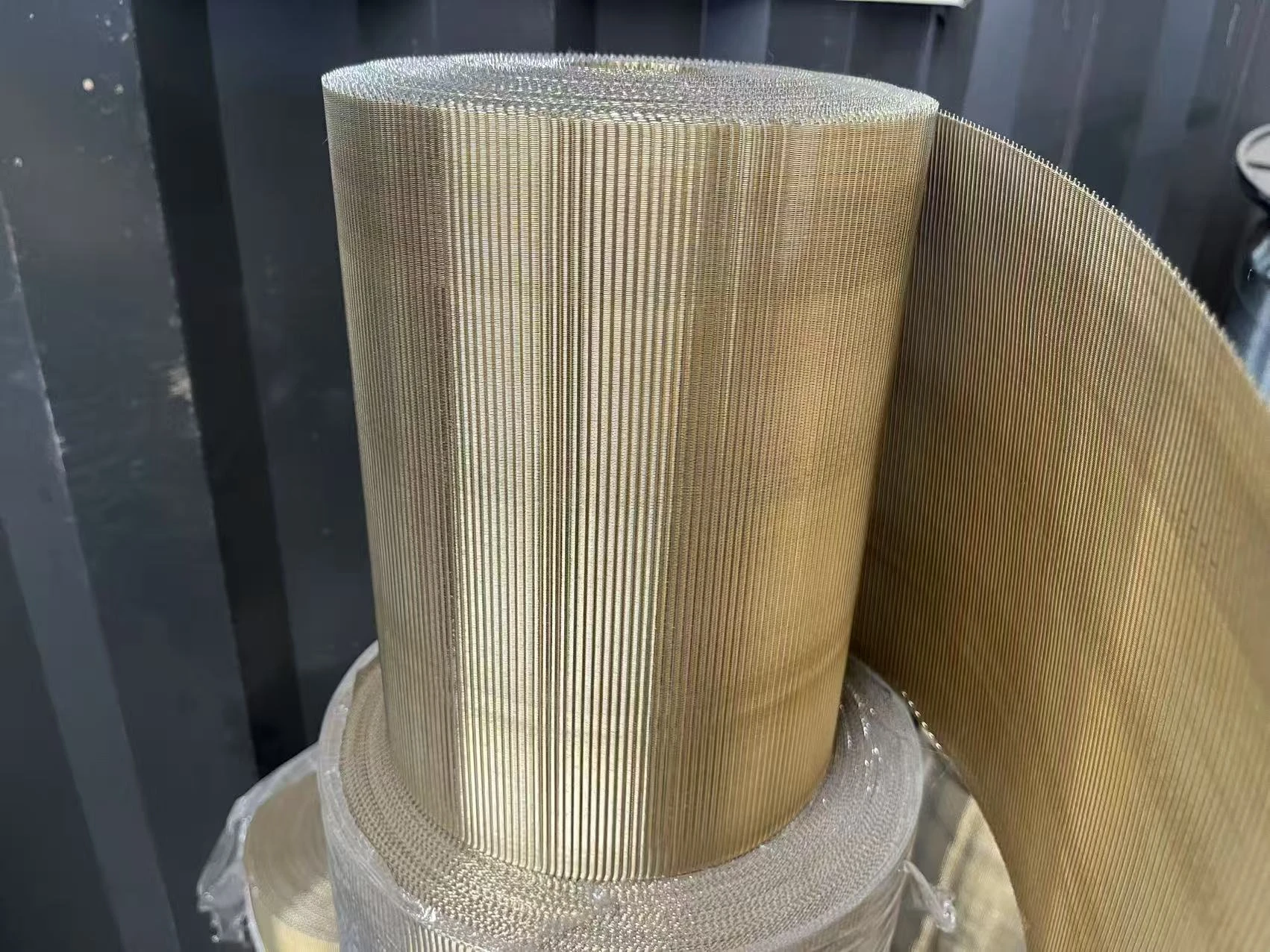
So, what exactly is heavy duty stainless steel wire mesh? Put simply, it’s a grid-like network made from stainless steel wires that are thicker, stronger, and designed for demanding environments. Unlike lighter meshes used for decorative or minor screening tasks, these heavy duty versions withstand high mechanical loads and resist corrosion even in aggressive chemical or marine conditions.
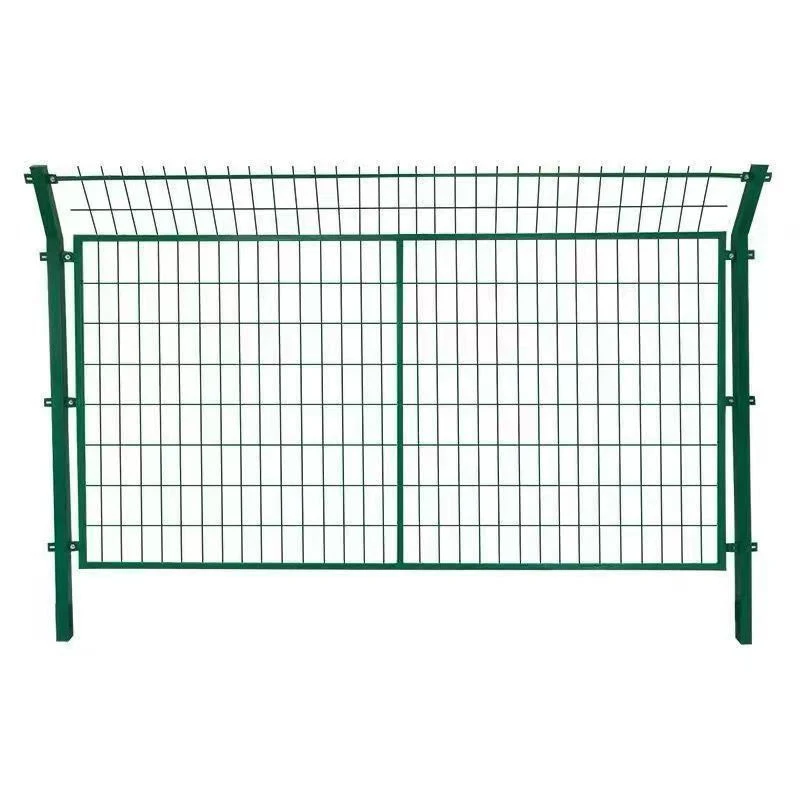
Industrially, it’s found in everything from mine safety barriers and filtration systems to rapid-deployment fencing in disaster relief zones. Humanitarian actors rely on its strength and longevity to protect supplies or secure temporary shelters. You can think of it as the framework that adds confidence to a project—ensuring things hold together when it counts.
Core Qualities That Define Its Strength
1. Durability
Heavy duty stainless steel wire mesh resists rust, mechanical damage, and environmental wear much better than standard wire or plastic meshes. It holds its shape and strength across years, which is why engineers often specify it for projects where failure is not an option.
2. Corrosion Resistance
Thanks to chromium and nickel alloys, this mesh endures salty seas, industrial pollutants, and acidic conditions without corroding. That’s why coastal infrastructure projects or offshore platforms often depend on it.
3. Load-Bearing Capacity
The wires are thicker and more tightly woven, meaning the mesh can support heavy loads or act as reinforcement. For example, concrete forms reinforced with this mesh are significantly tougher.
4. Versatility
It comes in various weave styles and wire gauges, allowing for customization depending on whether the mesh needs to filter microscopic particles or block large debris.
5. Longevity & Maintenance
Because corrosion is minimal, maintenance costs drop significantly over the product lifespan. This appeals especially to industries aiming to minimize downtime and long-term expenses.
Common Specifications of Heavy Duty Stainless Steel Wire Mesh
| Parameter |
Typical Range / Value |
Notes |
| Material Grade |
304, 316, 316L |
316 preferred for marine environments |
| Wire Diameter |
1.5 mm – 6 mm |
Thicker gauges for higher loads |
| Mesh Size (Opening) |
5 mm – 50 mm |
Depends on application |
| Tensile Strength |
~500 – 750 MPa |
High-strength reinforcement |
| Finish |
Polished, Pickled, or Matte |
For aesthetics or additional corrosion protection |
Global Applications: Where Heavy Duty Stainless Steel Wire Mesh Comes to Life
Regions prone to natural disasters, like Southeast Asia, deploy these meshes in rapid shelter constructs—fences to secure sites and reinforcements to protect against cyclones. Mining operations in South Africa use them extensively to barricade heavy machinery and protect workers from debris.
Meanwhile, in Europe, especially the Nordic countries, this mesh supports sustainable building envelopes exposed to wind and salt spray. The military sector globally leverages them to shield sensitive equipment from impacts or sabotage attempts.
And I found it pretty striking that NGOs delivering relief across disaster-hit zones often specify heavy duty stainless steel wire mesh to assemble modular fencing—combining fast assembly with long lifespan.
Mini takeaway: Heavy duty stainless steel wire mesh is not stuck in a single niche; it’s a flexible solution across continents and industries.
Why Investing in Heavy Duty Stainless Steel Wire Mesh Pays Off Long-Term
- Cost Efficiency: Although the initial investment is higher than lower-grade alternatives, the long lifecycle and minimal maintenance quickly offset costs.
- Sustainability: Recyclable material and corrosion resistance reduce waste and environmental impact.
- Social Impact: Improves safety and security for workers and communities.
- Reliability: Keeps structures and equipment secured, building trust between stakeholders.
- Innovation: Enables new construction methods and designs, especially with modular or prefabricated setups.
Innovations Shaping the Future of Heavy Duty Stainless Steel Wire Mesh
In recent years, developments in nanocoatings and hybrid alloys are pushing the mesh’s corrosion resistance even further. Automation in weaving technology means more uniform products with less waste. Plus, there’s growing integration with IoT sensors embedded into meshes for real-time structural monitoring—oddly enough, making metal a bit “smart.”
Green energy projects, especially offshore wind farms, also rely heavily on improved stainless steel mesh for platforms and cable protection. It’s an exciting time when something so “old school” gets a fresh tech twist.
Challenges and How Experts Are Tackling Them
The biggest hurdle remains cost and availability, especially in developing regions where budgets are tight. But new supply chains and local manufacturing hubs are starting to ease this.
Installation complexity can be another pain point, but modular design approaches and pre-fabrication are reducing on-site labor drastically.
Finally, maintaining quality standards worldwide is a continuous challenge, which international certifications and third-party inspections are increasingly ensuring.
Vendor Comparison: Choosing the Right Supplier
| Vendor |
Material Grades |
Customization |
Delivery Time |
Price Range (per m²) |
| Jinzehong Wire Mesh |
304, 316, 316L |
High (custom gauges, meshes) |
2-4 weeks |
$$$ |
| Global Mesh Corp |
304, 316 |
Medium |
3-6 weeks |
$$ |
| SteelNet Solutions |
316L only |
Low |
1-3 weeks |
$$$$ |
FAQs About Heavy Duty Stainless Steel Wire Mesh
1. How does heavy duty stainless steel wire mesh compare to other mesh types in corrosive environments?
Stainless steel grades like 316 and 316L used in heavy duty mesh offer superior corrosion resistance compared to galvanized or plastic meshes. They maintain strength and integrity even in saltwater or acidic conditions, extending service life considerably.
2. Can this mesh be customized for unique project requirements?
Absolutely. Vendors often provide options for wire diameter, mesh size, grades, and finishes. This means you can tailor the mesh to specific load requirements, environmental challenges, or aesthetic needs.
3. Is heavy duty stainless steel wire mesh suitable for temporary or permanent installations?
It’s highly versatile and can serve both purposes. For temporary use, the strength and corrosion resistance mean less replacement or repair. For permanent installations, it offers lasting structural reliability.
4. How can NGOs or international agencies procure heavy duty stainless steel wire mesh efficiently?
Many suppliers offer international shipping and can provide certification for customs clearance. Partnering with experienced vendors like Jinzehong Wire Mesh ensures streamlined procurement with logistics support.
5. What maintenance is required to keep the mesh effective?
Generally minimal. Periodic cleaning to remove debris or chemical deposits is recommended, but stainless steel’s corrosion resistance means structural integrity is rarely compromised over time.
Wrapping It Up: Why Heavy Duty Stainless Steel Wire Mesh Should Be on Your Radar
In short, heavy duty stainless steel wire mesh isn’t just a technical specification—it’s a resilient partner for industries demanding strength, safety, and sustainability. From global infrastructure to humanitarian solutions, its role is quietly pervasive but profoundly important.
Looking ahead, its evolving tech features and greener profiles hint at a lasting place in a world that values both innovation and reliability.
If you’re considering sourcing top-quality wire mesh, don’t hesitate to explore options with heavy duty stainless steel wire mesh vendors who combine craftsmanship, customization, and service excellence.
References:
- ISO Stainless Steel Standards
- World Bank: Infrastructure and Development
- Wikipedia: Stainless Steel