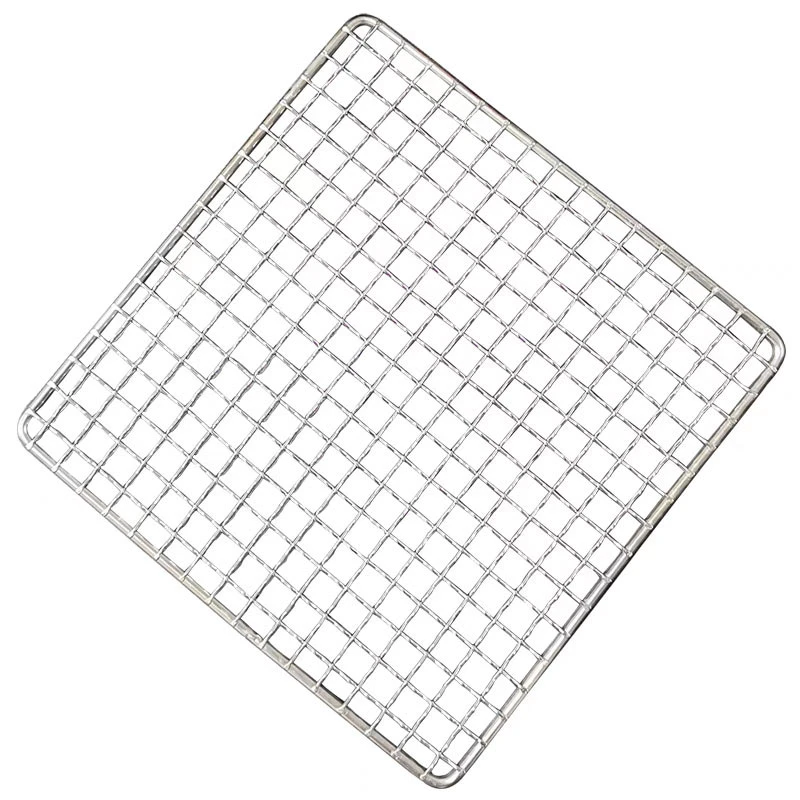
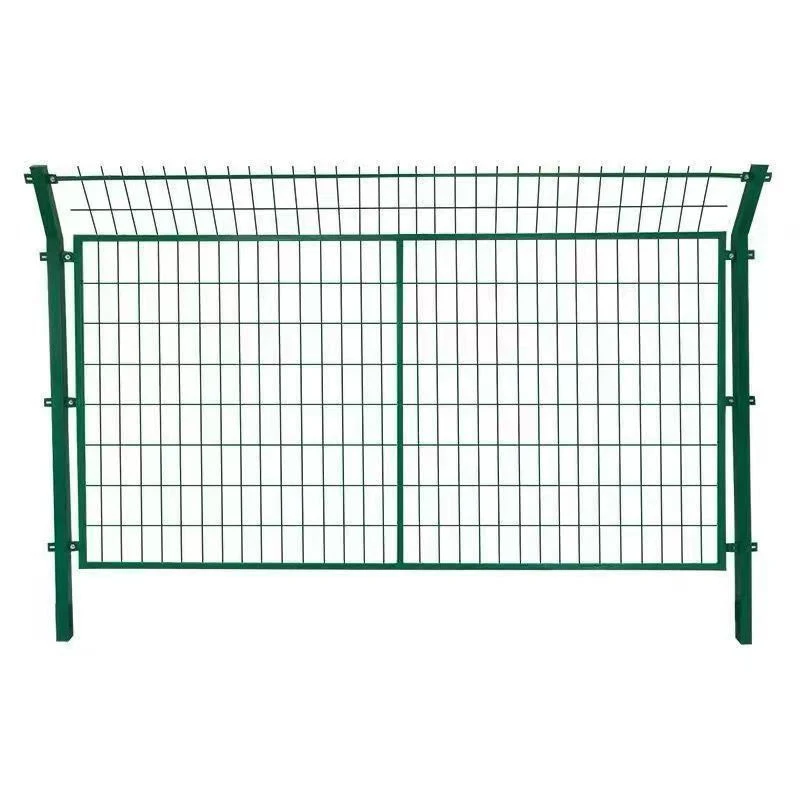
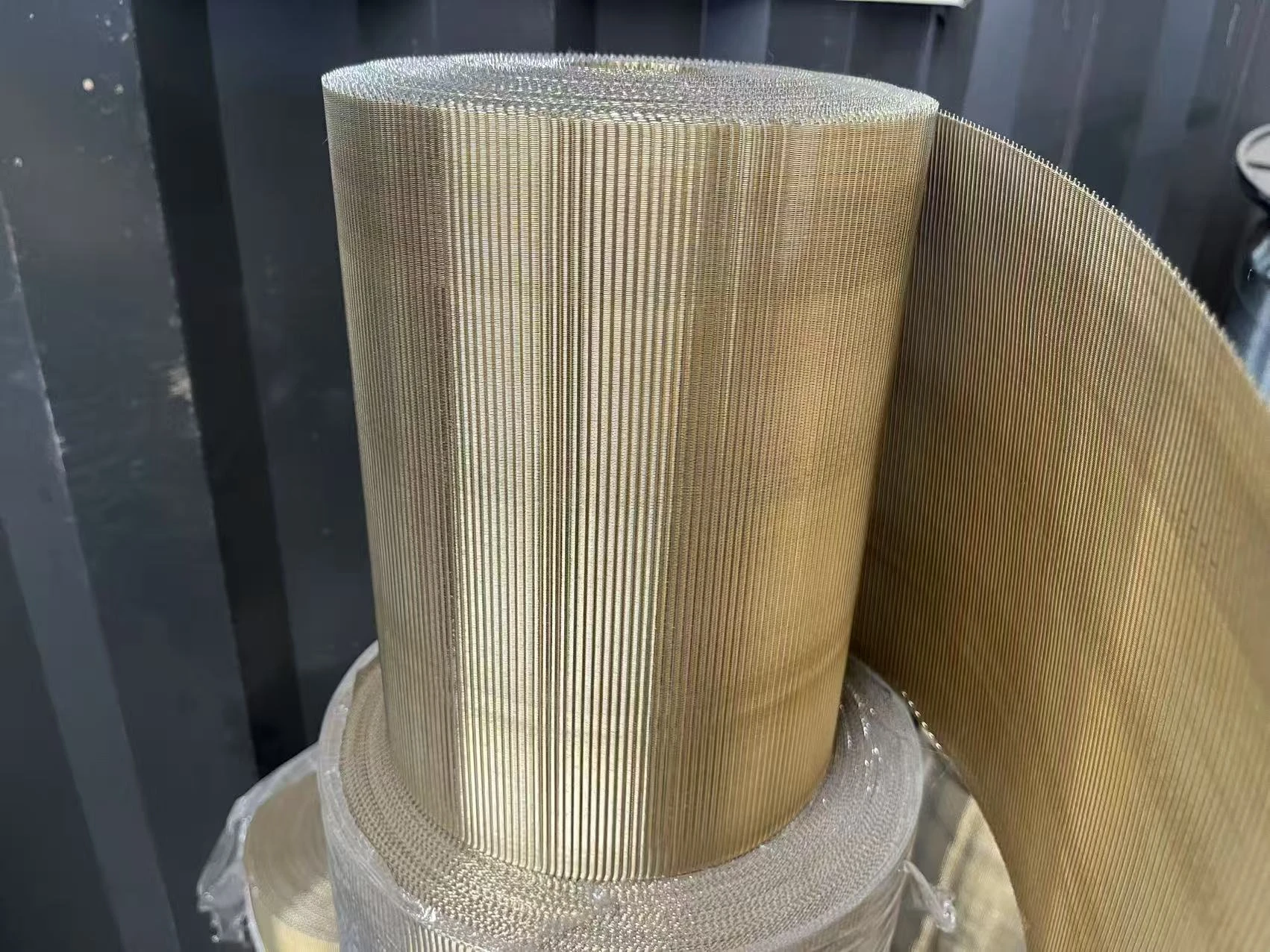
What is 304 Stainless Mesh and Why Does It Matter Globally?
If you’ve ever wondered what makes certain metal meshes so versatile in industries ranging from construction to healthcare, the answer often leads back to 304 stainless mesh. This seemingly simple material plays a surprisingly vital role worldwide—whether it’s shielding delicate equipment, filtering contaminants, or reinforcing structures against harsh environments. Grasping why and how this mesh functions can open up a lot of understanding about modern manufacturing challenges and humanitarian solutions.
At its core, 304 stainless mesh is a woven or welded metal fabric made from 304 stainless steel, which combines corrosion resistance with strength and flexibility. Globally, such mesh bridges the gap between durability and precision, making it a backbone for countless sectors that demand reliability under pressure.
In fact, according to ISO data and global trade reports, the use of stainless steel materials has surged notably over the last decade, especially in medical devices, food processing, and environmental engineering. This growth highlights the mesh’s adaptability and the worldwide push for materials that last without sacrificing performance.
The Global Context: Why 304 Stainless Mesh Is More Relevant Than Ever
World Bank reports show that infrastructure investment keeps climbing, notably in emerging markets with tough climates and resource challenges. The worldwide push toward sustainable development goals (SDGs) amplifies the need for materials that withstand time, pollution, and wear—enter 304 stainless mesh.
But it’s not just durability at stake here. Many industries worldwide wrestle with contamination risks, regulatory pressures, and the sheer cost of maintenance. 304 stainless mesh offers an answer, effectively reducing downtime and escalating safety. Oddly enough, it’s a solution born from a material developed nearly a century ago, proving its staying power.
For humanitarian efforts—think disaster relief or water purification programs—using reliable and recyclable mesh can literally mean the difference between success and failure. As a result, this mesh features not just in factories, but in communities striving to build a better, safer future.
Defining 304 Stainless Mesh: A Simple Explanation
So, what exactly is 304 stainless mesh? Simply put, it’s a metal screen crafted from 304 stainless steel wire. The steel alloy itself contains roughly 18% chromium and 8% nickel, which gives it excellent resistance against rust and staining.
The “mesh” part refers to the woven or welded pattern of the steel wires, arranged to form a grid. This grid can vary in aperture size, thickness, and weave style, tailoring it for specific use cases—like fine filtration or heavy-duty reinforcement.
This mesh’s widespread use joins modern industry needs with basic humanitarian goals. For example, it helps protect water supplies from bacterial invasion or serves as a tough barrier in industrial operations—essentially, it’s the unsung hero behind a lot of infrastructure stability.
Key Characteristics That Define 304 Stainless Mesh
Durability & Corrosion Resistance
304 stainless steel naturally resists corrosion from moisture, chemicals, and high temperatures. This makes the mesh perfect for harsh environments—like coastal manufacturing plants or chemical processing units—where regular steel would fail quickly.
Flexibility & Scalability
While it’s robust, 304 stainless mesh can also be manufactured in an array of sizes and thicknesses. This ability to scale makes it fit for everything from tiny filters in medical labs to massive construction scaffolds.
Cost Efficiency in the Long Run
Initially, 304 stainless mesh might look pricier than alternative metals. However, its longevity and low maintenance outpace short-term savings you might get with cheaper materials. For operators, this means less downtime, fewer replacements, and a better return on investment.
Ease of Cleaning and Maintenance
Since it resists staining and rust, this mesh is easy to clean—an essential feature in food production, pharmaceuticals, or anywhere hygiene is non-negotiable. The ability to sanitize without degrading the mesh also extends its useful life.
Strength-to-Weight Ratio
Though sturdy, 304 mesh is relatively lightweight compared to other metals, simplifying transport and installation while still maintaining structural integrity.
Recyclability & Sustainability
Increasingly, stakeholders look at materials’ environmental footprint. Fortunately, 304 stainless steel is 100% recyclable, allowing mesh producers and users to participate in sustainability efforts while maintaining performance.
Mini takeaway: These core attributes combine to make 304 stainless mesh a versatile solution across sectors, balancing performance with cost and ecological responsibility.
Global Applications: Where 304 Stainless Mesh Shines
The real proof of any material’s utility lies in its applications, and the 304 stainless mesh has a global footprint. Here are a few practical examples:
- Water Filtration and Sanitation: NGOs in Africa and Asia often rely on mesh filters made from 304 stainless steel to keep drinking water free of harmful debris and pathogens.
- Food Industry: Manufacturers worldwide use this mesh in conveyor belts, drying racks, and protective guards where hygiene and heat resistance are crucial.
- Automotive and Aerospace: Its lightweight strength supports screening and protective covers that withstand vibration and temperature changes.
- Healthcare Equipment: Surgical instrument trays and sterilization dryers use 304 stainless mesh because it can be disinfected repeatedly without damage.
- Architectural Design: Designers in Europe and North America embed stainless mesh in facades and sunshades for durability and aesthetic appeal.
- Post-Disaster Relief: Emergency shelters often use mesh to reinforce windows and ventilation without compromising airflow or security.
Regions with challenging climates, such as the Middle East’s arid zones or northern Europe’s wet environments, especially benefit because the mesh maintains integrity where others rust or warp.
Advantages & Long-Term Benefits of Using 304 Stainless Mesh
To put it plainly: using 304 stainless mesh is about more than just strength. It’s emotional, in a sense. When a community or company trusts its infrastructure to this material, there’s a sense of safety and dignity involved. No one wants to worry about rust, failure, or contamination.
Logically, the benefits are clear:
- Cost savings over time due to reduced replacements and repairs
- Social impact through safer water and more hygienic products
- Reliability and trust from using a globally recognized, standards-backed material
- Sustainability via recyclability and extended service life
For companies concerned with brand image, offering products and infrastructure integrating such materials signals a commitment to quality and environment.
Product Specification Table: Typical 304 Stainless Mesh
| Specification |
Detail |
| Material Composition |
18% Chromium, 8% Nickel |
| Mesh Opening Size |
0.5 mm to 50 mm (customizable) |
| Wire Diameter |
0.1 mm to 3 mm |
| Weave Type |
Plain, Twill, Dutch Weave |
| Surface Finish |
Mill finish, Polished, Electro-polished |
| Standard Compliance |
ASTM A580/A580M, ISO 9044 |
Comparing Leading Vendors of 304 Stainless Mesh
| Vendor |
Product Range |
Quality Certifications |
Lead Time |
Custom Order Support |
| Vendor A |
Standard to fine meshes, welded & woven |
ISO 9001, ASTM certified |
2-4 weeks |
Yes |
| Vendor B |
Wide diameter range, specialized coatings |
ISO 14001, REACH compliant |
3-5 weeks |
Limited |
| Vendor C |
Custom meshes, industrial solutions |
ISO 9001, ASTM, FDA approved |
1-3 weeks |
Extensive |
Emerging Trends and Innovations in 304 Stainless Mesh
Looking ahead, 304 stainless mesh isn’t just resting on yesterday’s laurels. Recent developments include:
- Nanocoatings: New surface treatments are enhancing corrosion resistance even further, especially for marine applications.
- Digital Weaving: Automated production lines now allow for precision mesh sizes that were previously impossible at scale.
- Eco-conscious Manufacturing: Suppliers increasingly focus on reducing carbon footprints and using recycled steel inputs.
- Multi-functional Mesh: Combining stainless mesh with smart sensors that monitor structural integrity or contamination levels.
Challenges in Using 304 Stainless Mesh and How to Overcome Them
No product is a silver bullet. 304 stainless mesh does present challenges, including:
- Initial Cost Concerns: Some buyers balk at the upfront expense; education on lifecycle costs is critical.
- Customization Complexity: Precise requirements can require collaboration between engineers and manufacturers to ensure performance.
- Supply Chain Delays: Global demand spikes can create lead time issues.
Solutions? Early engagement with experienced vendors (304 stainless mesh suppliers especially), opting for standard sizes where possible, and planning ahead tend to keep projects moving.
Frequently Asked Questions About 304 Stainless Mesh
- How corrosion-resistant is 304 stainless mesh?
- 304 stainless steel offers excellent corrosion resistance against many chemicals and atmospheric conditions, though it may be less effective in highly chlorinated environments compared to specialty alloys.
- Can 304 stainless mesh be customized for specific industries?
- Yes! Providers typically offer a wide range of mesh sizes, wire diameters, and weaving patterns to meet needs in food processing, medical, or environmental sectors.
- What maintenance does 304 stainless mesh require?
- Maintenance is minimal — periodic cleaning with mild detergents and avoiding harsh abrasives can keep the mesh in good condition for decades.
- Is 304 stainless mesh environmentally friendly?
- Absolutely. It’s recyclable and often made from recycled steel, contributing to sustainability goals.
- Can I buy 304 stainless mesh in bulk for industrial projects?
- Yes, bulk orders are common, and most vendors provide tailored logistics and support for large-scale industrial needs.
Conclusion: Why 304 Stainless Mesh is a Smart Investment
Whether you are in an industrial sector, healthcare, or infrastructure development, 304 stainless mesh represents a reliable, versatile, and future-ready material choice. Its unmatched combination of durability, cost-efficiency, and eco-friendliness means that stakeholders worldwide can build with confidence and sustainability in mind.
Thinking of exploring more? Visit our website to discover customized solutions tailored for your unique challenges.
Mini takeaway: The 304 stainless mesh story is evolving—old material, new tricks, and countless pathways to a better-functioning world.
References
- 304 Stainless Steel - Wikipedia
- ISO 9044 Meshes — ISO
- Infrastructure Investment Data - World Bank