Understanding Wire Mesh SS 316: Why It Matters Globally
Wire mesh SS 316 might sound like a dry, technical term, but it’s actually a fascinating material that’s quietly shaping industries worldwide. At its core, it’s a type of stainless steel wire mesh made specifically from grade 316 stainless steel. Why does this matter? Well, this alloy’s remarkable corrosion resistance, strength, and durability make it a go-to for everything from infrastructure to healthcare to environmental protection.
So, why should you care? In an era of rising demand for longevity and sustainability across industries, understanding materials like wire mesh SS 316 helps engineers, manufacturers, and decision-makers select the right tools to build safer, smarter, and more cost-effective solutions. Honestly, if you think about how much of our built environment depends on metal reinforcement and filtration, you start to appreciate how critical this stuff really is.
The Global Impact of Wire Mesh SS 316 in Industry
Let’s get the broader context here. Globally, stainless steel production has been surging — the World Steel Association reports over 55 million tons produced in recent years, with over 15% for specialized grades including 316. This specific stainless steel is lauded for its resistance in harsh environments, particularly against chlorides, making it invaluable for marine, chemical, and food processing sectors.
But here’s the rub: corrosion and premature material failure cost industries billions each year in repairs, downtime, and replacements. Wire mesh SS 316 addresses this challenge by standing strong where other materials would falter — it’s like the quiet guardian fighting off rust and fatigue. This reliability is critical in sectors where failure isn’t an option, like healthcare or infrastructure.
Without such materials, we’d be battling frequent replacements, environmental waste, and lost productivity — all punchy reasons why understanding and applying quality materials matter globally.
What Exactly Is Wire Mesh SS 316?
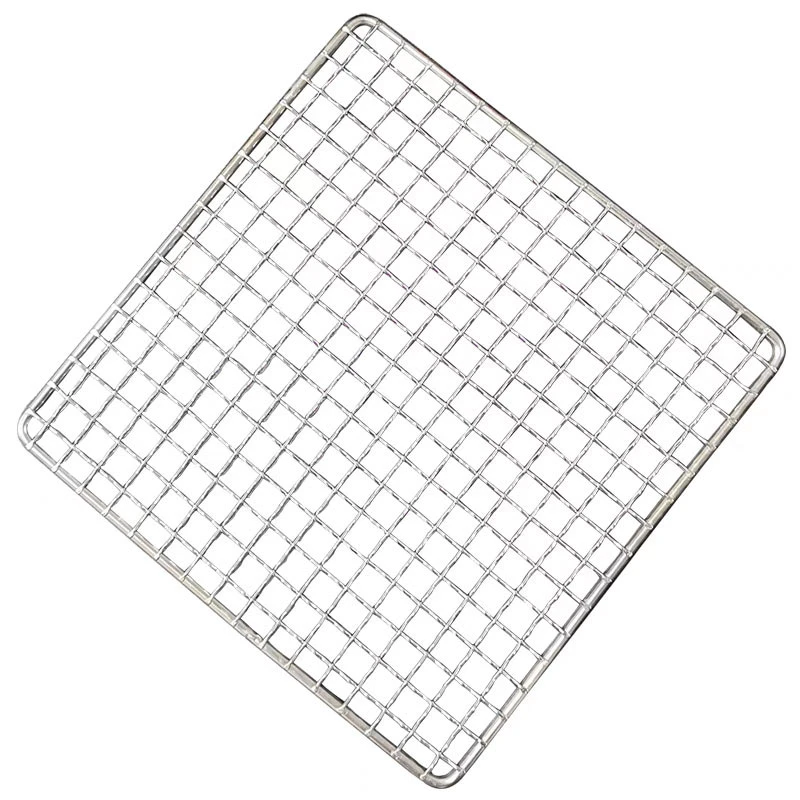
In simple terms, wire mesh SS 316 refers to woven or welded sheets and panels made from 316-grade stainless steel wires. The “316” grade means the steel contains molybdenum, which significantly boosts corrosion resistance compared to its predecessor, 304 stainless steel. This makes it particularly suited for tough environments.
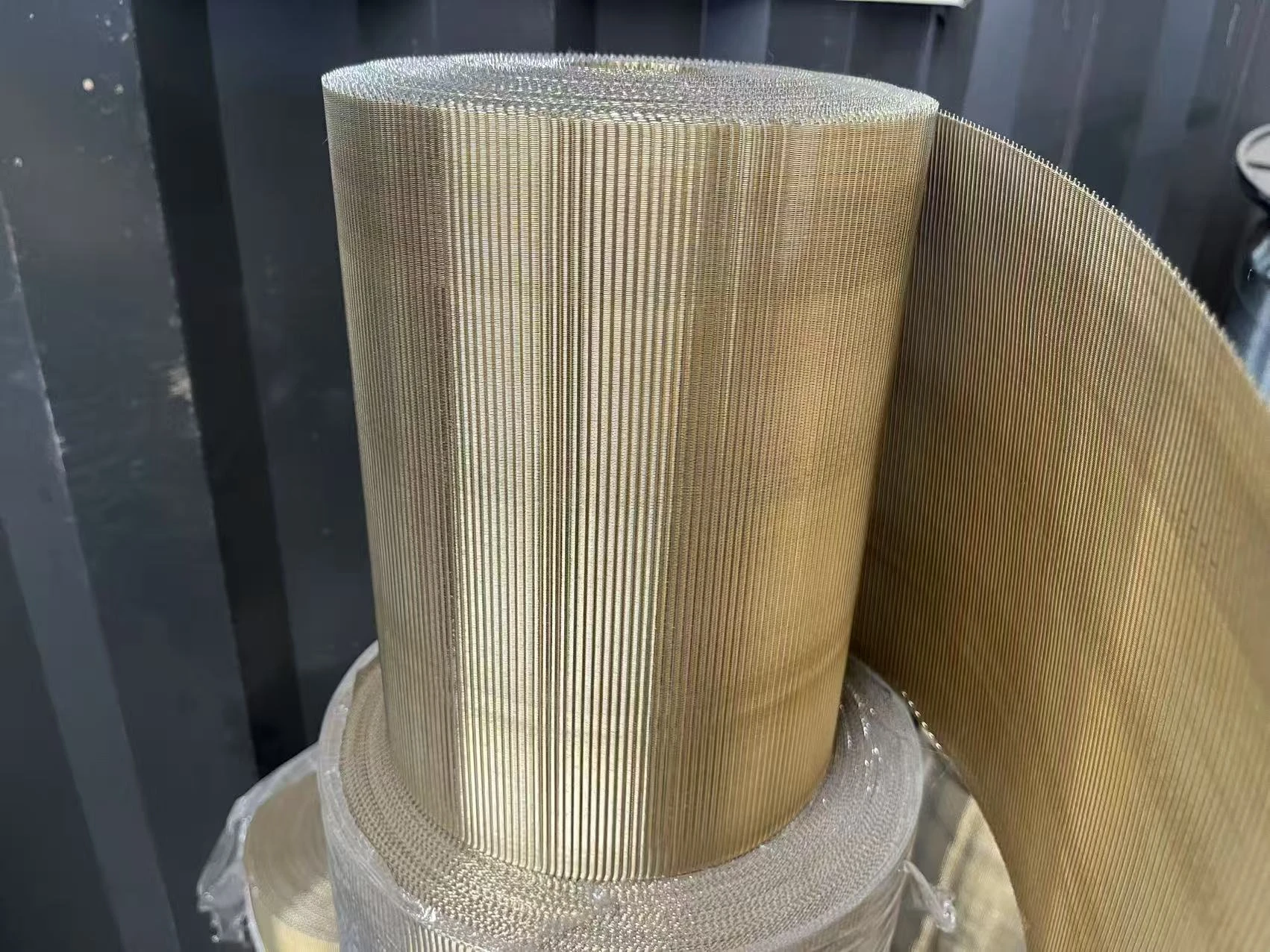
Think of it as a high-strength, mesh-like fabric made of stainless steel threads instead of cotton or polyester. It's precisely woven to create a durable grid that can filter, protect, or reinforce — much like how a net works but in a much tougher, metal form.
This mesh does a huge service in everything from industrial filtration (catching unwanted particles), to architectural facades (adding strength and aesthetic), to humanitarian relief where structures need to be both strong and corrosion-resistant.
Core Qualities of Wire Mesh SS 316 That Matter Most
Durability
Many professionals say durability is the biggest selling point. Thanks to the molybdenum content, SS 316 wire mesh resists pitting and crevice corrosion, even in marine or chemical environments. This means fewer replacements and less maintenance over time.
Corrosion Resistance
Arguably the defining feature. If your project involves salty air, acids, or moisture, a less resistant mesh just won’t cut it. SS 316 wire mesh keeps its integrity and appearance without rust flaking off, maintaining safety and aesthetics.
Flexibility & Scalability
The mesh comes in different sizes and weaves, making it adaptable to everything from tiny industrial filters to large-scale reinforcement panels. This versatility allows engineering teams to scale their designs without compromising quality.
Cost Efficiency Over Lifecycle
It’s no secret the initial price of SS 316 wire mesh is higher compared to cheaper metals. However, when you consider maintenance, failure risks, and environmental impact, it often proves more economical to invest upfront for long-lasting quality.
Thermal and Mechanical Strength
Ideal for industries exposed to shifting temperatures and physical stresses, wire mesh SS 316 maintains its properties without warping or cracking.
Mini Takeaway: Wire mesh SS 316 stands tall because it balances strength, resistance, and adaptability—a solid trifecta for demanding applications.
How Wire Mesh SS 316 Is Transforming Global Industries
This material finds itself at the heart of many vital applications across regions and sectors:
- Marine and Offshore: In coastal infrastructure and shipping, its corrosion resistance combats salty, humid conditions.
- Chemical Manufacturing: Used for safety screens and filtration in chemical plants, preventing contamination and failure.
- Food & Pharmaceutical: Sanitation standards demand materials that won’t degrade or contaminate.
- Healthcare: Sterile screens and supports ensure aseptic conditions in hospitals and labs.
- Construction: Wire mesh SS 316 adds reinforcement to concrete and architectural features, especially where weather is an enemy.
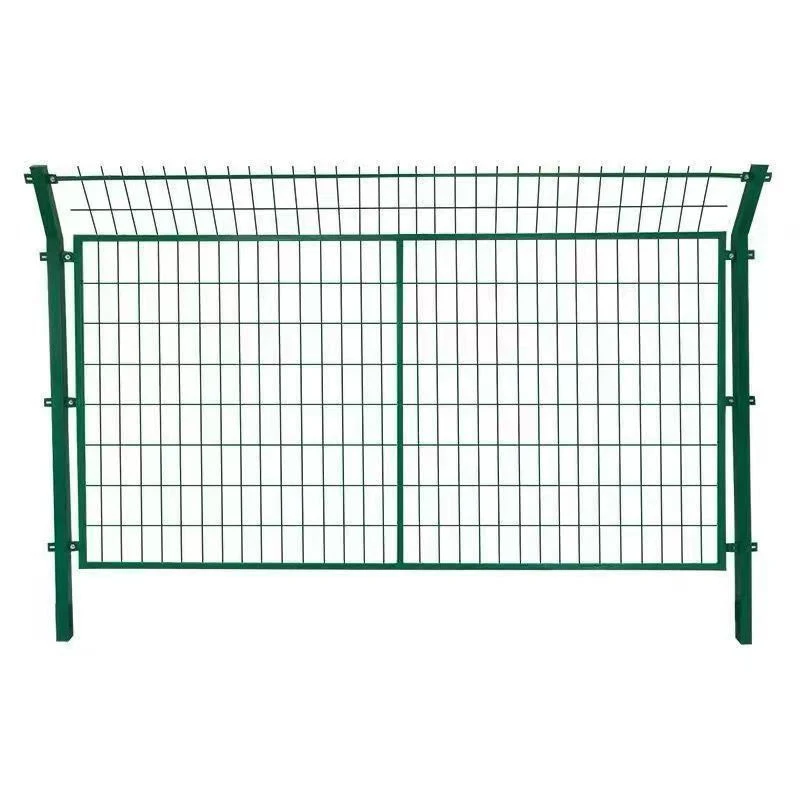
And listen to this: NGOs operating in disaster zones rely on wire mesh SS 316 as well for quickly deployed shelters, protective fencing, and water filtration systems that don’t corrode or fail unexpectedly in harsh environments. So, in industrial hubs or remote relief camps, the material’s performance is critical.
A Snapshot of Wire Mesh SS 316 Specifications
| Specification |
Typical Values |
| Material Grade |
Stainless Steel 316 (Austenitic) |
| Wire Diameter |
0.1 mm to 3.0 mm |
| Mesh Size (Opening) |
5 to 200 openings per inch |
| Tensile Strength |
520 MPa (approx.) |
| Corrosion Resistance |
Excellent in chloride environments (marine, industrial) |
| Typical Applications |
Filtration, Reinforcement, Protective Screens, Architectural Panels |
Mini Takeaway: Those numbers tell the story — small wire diameters, tight mesh options, but robust enough to carry heavy loads and resist serious corrosion.
Comparing Top Suppliers of Wire Mesh SS 316
| Vendor |
Range of Mesh Sizes |
Customization Options |
Typical Lead Time |
Price Range |
| Jinzehong Wire Mesh (link) |
5 - 200 openings/inch |
Wire diameter, mesh pattern, size |
2-4 weeks |
Mid-range |
| Global Stainless Co. |
10 - 180 openings/inch |
Standard sizes only |
3-6 weeks |
Higher |
| Pacific Mesh Ltd. |
5 - 150 openings/inch |
Wire diameter, mesh style |
1-3 weeks |
Competitive |
Advantages and Long-Term Value of Wire Mesh SS 316
Picking wire mesh SS 316 isn’t just a material choice; it’s a long-term investment in quality, safety, and sustainability.
- Cost Savings Over Time: It might pinch the wallet today, but fewer repairs and replacements save dollars in the long haul.
- Sustainability: Being highly recyclable and long-lasting supports green building and ecological responsibility.
- Reliability & Safety: In applications like medical equipment or infrastructure, reliability literally means lives saved.
- Enhanced Design & Innovation: It enables architects and engineers to push the boundaries with durable, elegant structures.
The emotional payoff? There’s a deep-seated reassurance in knowing the mesh supporting your projects won’t betray you when things get tough.
Future Trends: What's Next for Wire Mesh SS 316?
Material science never rests. We’re already seeing hybrid meshes infused with nanomaterials for added antimicrobial properties and digital tracking for supply chain transparency. Automation is making custom mesh production faster and more precise — a win for industries that demand tailored solutions.
Plus, green energy projects increasingly rely on durable materials like SS 316 mesh in solar panel frames and wind turbine components due to environmental exposure. It's almost poetic that a metal grade famed for durability is helping us move to a cleaner future.
Tackling Challenges: Maintenance and Cost Concerns
Of course, no material is perfect. The primary challenge with wire mesh SS 316 remains cost and, occasionally, procurement lead times. But savvy manufacturers and distributors mitigate these by streamlining processes and offering modular mesh units for ease of installation.
On-site maintenance can also be minimal yet crucial. Fine cleaning and inspections prevent early wear in extreme environments, and many engineers swear by periodic passivation treatments to "refresh" the surface.
FAQ: Quick Answers on Wire Mesh SS 316
- Q1: What makes wire mesh SS 316 better than other stainless steel meshes?
- A1: The addition of molybdenum in SS 316 provides superior corrosion resistance, especially against chlorides found in marine or chemical environments, making it more durable and longer-lasting than common 304 grade.
- Q2: Can wire mesh SS 316 be customized for specific industrial needs?
- A2: Absolutely. Vendors like wire mesh ss 316 suppliers offer various wire diameters, mesh sizes, and patterns, allowing engineers to tailor the mesh to filtration, reinforcement, or architectural designs.
- Q3: How does wire mesh SS 316 contribute to sustainability?
- A3: It is highly recyclable and durable, meaning fewer replacements and less waste. Its longevity reduces resource consumption over time, aligning well with green building standards and circular economy principles.
- Q4: Is it suitable for outdoor use in harsh climates?
- A4: Yes, its corrosion resistance makes it ideal for coastal, industrial, or even desert environments where normal steel would fail quickly.
- Q5: How quickly can I get custom orders?
- A5: Depending on the supplier and specifications, lead times range from one to six weeks. Brands like Jinzehong Wire Mesh typically balance quality and delivery within two to four weeks.
Wrapping Up: Why Wire Mesh SS 316 is Worth Your Attention
Looking ahead, wire mesh SS 316 is more than just metal threads woven together; it’s a symbol of reliability, innovation, and sustainability all wrapped into one. Its role in resisting corrosion, supporting infrastructure, and enabling complex filtration processes means it quietly underpins much of what we count on daily.
For engineers, product designers, or project managers, understanding its benefits and options is crucial in making smarter decisions that last. Curious how this could fit your next project? Feel free to explore more about wire mesh ss 316 and see what customized solutions might work.
At the end of the day, investing in quality materials like this pays dividends in safety, cost, and peace of mind — isn’t that what everyone wants?
References
- Wikipedia: Stainless Steel
- World Steel Association - Statistics
- ISO 9001 Quality Management