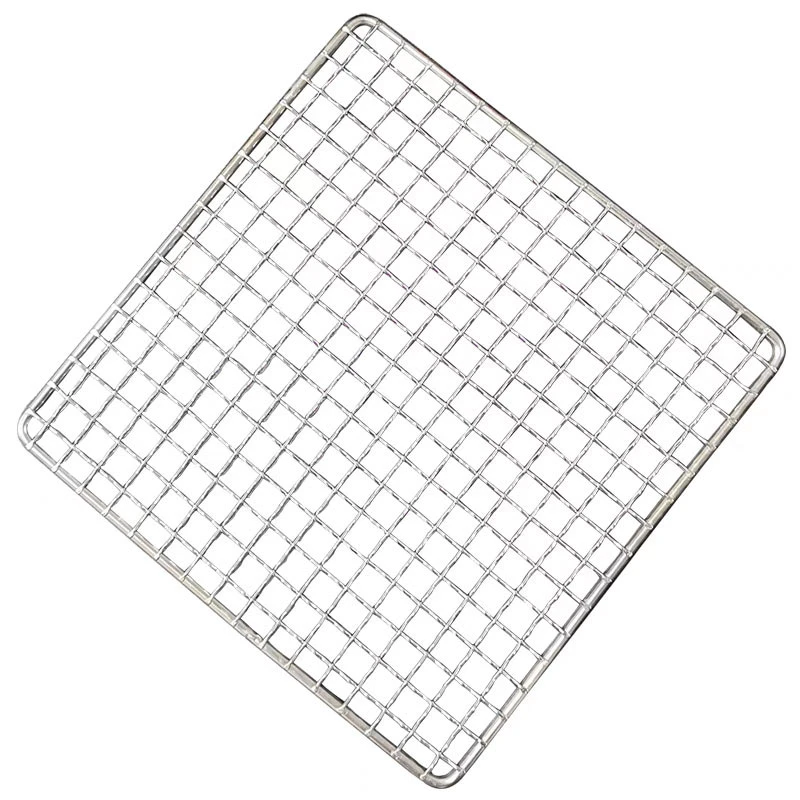
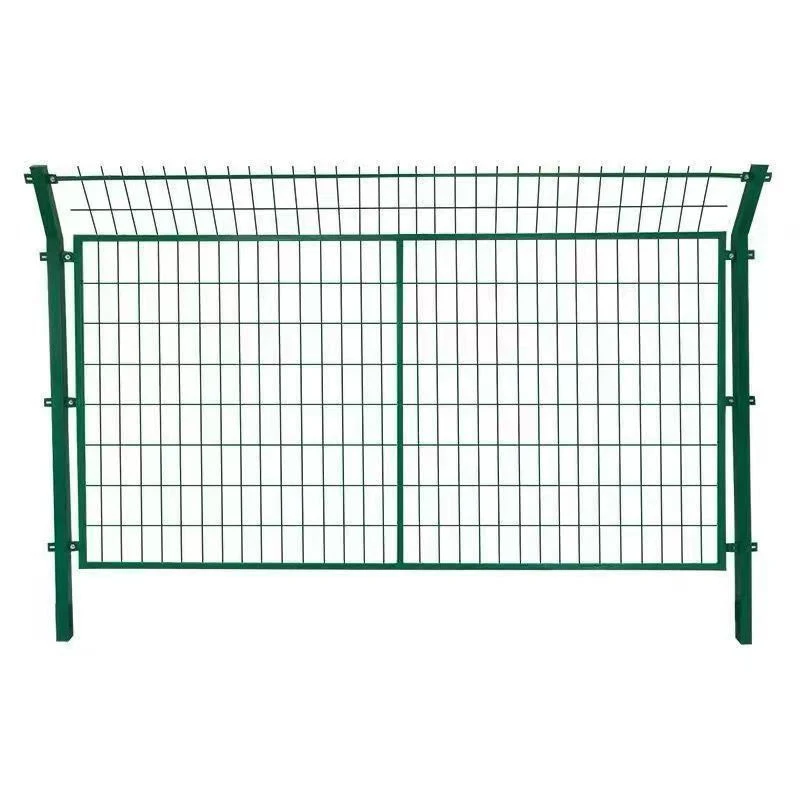
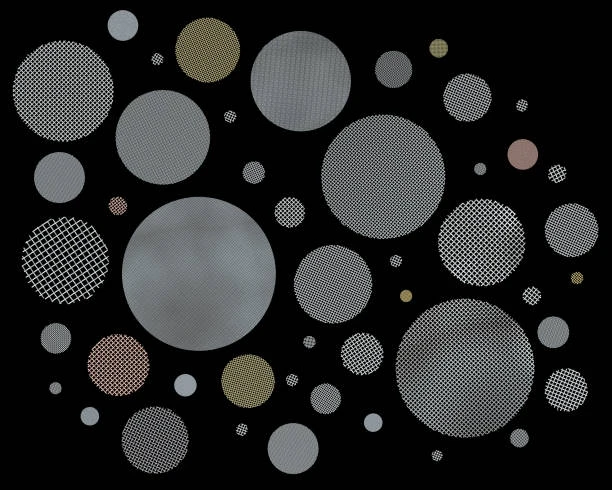
In diverse industrial and commercial environments, the demand for robust, high-performance screening solutions is ever-present. The modern Metal Window Screen represents a critical component in ensuring safety, efficiency, and environmental control across a multitude of applications. From precision filtration in petrochemical plants to advanced pest and debris control in commercial architecture, these screens are engineered to meet stringent technical specifications and withstand challenging operating conditions. This article delves into the technical intricacies, industry applications, and strategic advantages of contemporary metal window screen technologies, providing B2B decision-makers and engineers with comprehensive insights into material science, manufacturing processes, and the value proposition of customized solutions.
Industry Trends and Market Dynamics
The market for industrial screening solutions is currently undergoing significant evolution, driven by several key trends. There is an increasing emphasis on sustainable materials and manufacturing processes, pushing producers towards more recyclable and energy-efficient production methods. Furthermore, the integration of smart building technologies and advanced HVAC systems necessitates screening solutions that contribute to optimal air quality, energy efficiency, and security without compromising structural integrity or aesthetic appeal. The proliferation of advanced materials such as high-grade stainless steels, specialized alloys, and even corrosion-resistant coatings is expanding the operational envelope for Metal Window Screen products into previously inaccessible or highly aggressive environments. Demand from the petrochemical, pharmaceutical, and food processing sectors, driven by stricter regulatory compliance for filtration and contamination control, continues to grow. Simultaneously, architects and construction engineers are seeking screens that offer enhanced ballistic resistance, anti-climb features, and seamless integration with modern design aesthetics, signifying a move towards multi-functional, high-performance screens.
Detailed Manufacturing Process Flow of Metal Window Screen
The production of a high-quality Metal Window Screen involves a meticulously controlled, multi-stage process designed to ensure precision, durability, and consistent performance. The choice of raw materials is paramount, typically involving high-grade stainless steel (e.g., SUS304, SUS316, SUS316L), galvanized steel, aluminum, and sometimes specialized alloys like Monel or Inconel for extreme conditions.
Process Stages:
-
Wire Drawing: Raw material rods are drawn through a series of dies to achieve the precise wire diameter required for the desired mesh count. This process significantly enhances the tensile strength and surface finish of the wire.
-
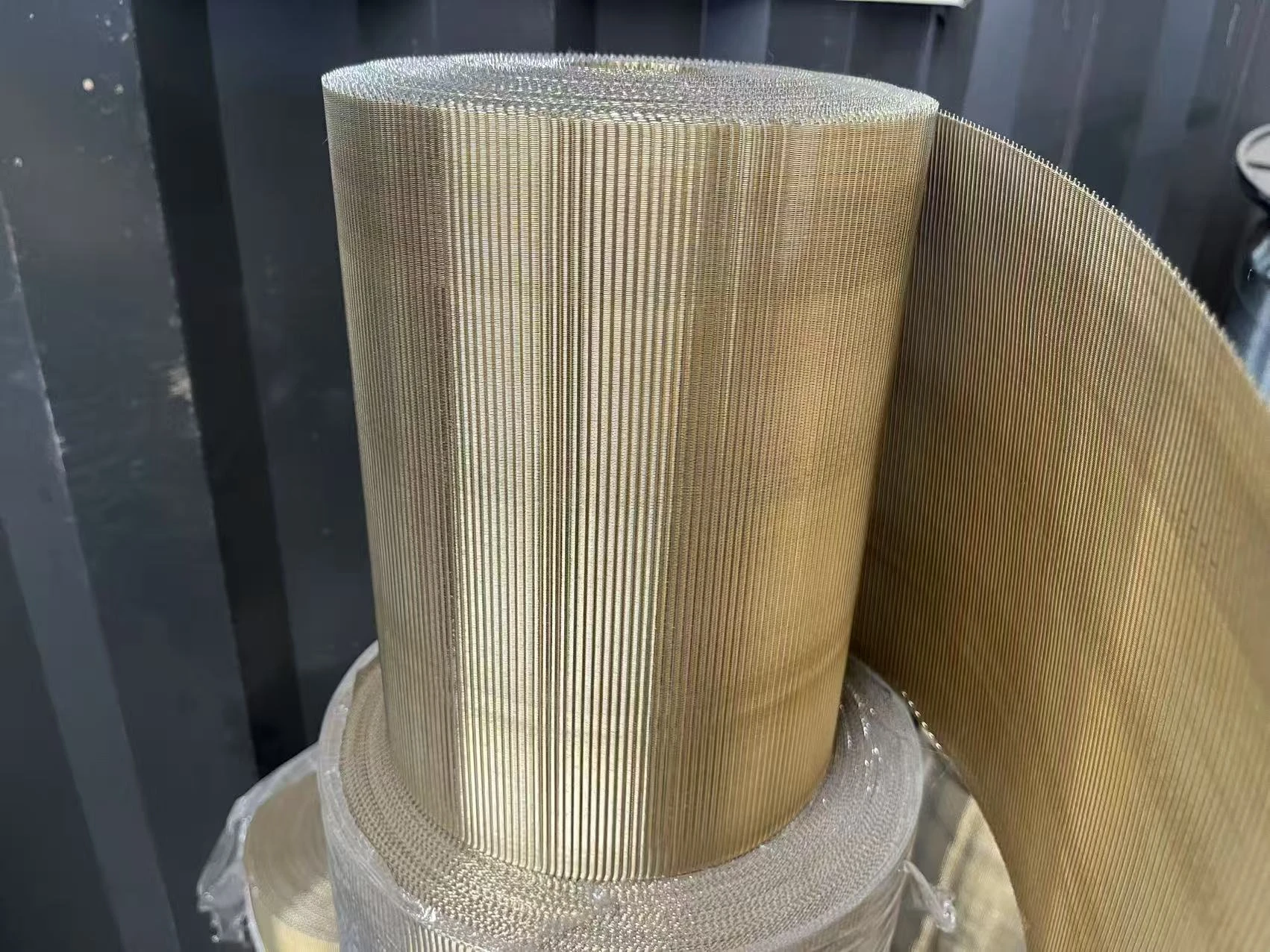
Weaving: Wires are then woven on specialized looms using various patterns such as plain weave (for uniform mesh and strength), twill weave (for greater strength and finer filtration), or Dutch weave (for very fine filtration and high flow rates). Modern CNC-controlled looms ensure exceptional consistency in mesh aperture and wire placement.
-
Flattening/Calendaring (Optional): For certain applications requiring a perfectly flat surface, the woven mesh may undergo a calendaring process where it is passed between rollers under pressure.
-
Cleaning and Degreasing: The woven mesh is thoroughly cleaned to remove any residual oils, lubricants, or contaminants from the manufacturing process, ensuring a clean, ready-to-use product.
-
Cutting and Edge Finishing: The large rolls of mesh are cut to specified dimensions. Edges are often reinforced or finished to prevent fraying and ensure safe handling, sometimes involving welding or specialized hemming techniques.
-
Quality Control & Testing: Throughout the entire process, rigorous quality control checks are performed. This includes visual inspection for defects, measurement of wire diameter and mesh opening, tensile strength tests, and material composition verification using spectroscopy. Finished products are tested against international standards such as ISO 9001 for quality management, ASTM E2016 for performance, and often specific industry standards.
The typical service life for a stainless steel Metal Window Screen can range from 10 to over 25 years, depending on the material grade, environmental conditions, and maintenance regimen.
Target Industries & Advantages:
-
Petrochemical & Chemical Processing: Used for filtration, catalyst retention, and safety barriers. Advantages: Extreme corrosion resistance (especially with SUS316L), high temperature tolerance, precise separation.
-
Metallurgy & Mining: Sifting, sizing, and aggregate separation. Advantages: High abrasion resistance, exceptional mechanical strength for heavy-duty applications.
-
Water Supply & Drainage: Debris filtration, insect barriers in intake and outflow systems. Advantages: Superior corrosion resistance in aquatic environments, energy saving through reduced pump strain from debris.
-
Food & Pharmaceutical: Sanitary screening, product separation, insect control. Advantages: Food-grade materials (e.g., SUS304), easy to clean, non-contaminating.
-
HVAC & Building Systems: Air filtration, insect screens, security screens. Advantages: Energy saving by optimizing airflow and preventing contamination, aesthetic integration.
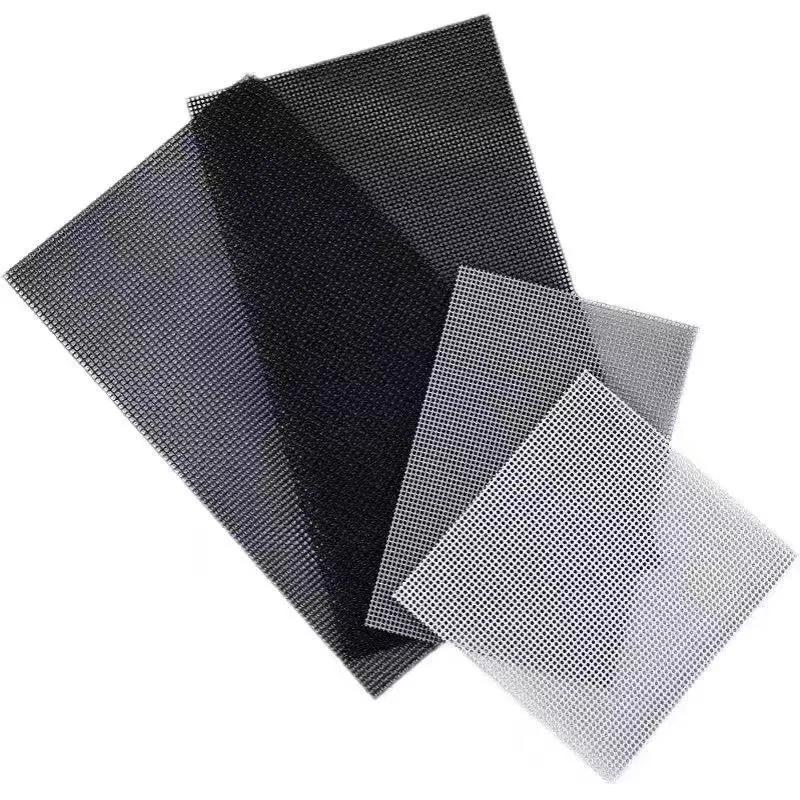
Figure 1: High-precision weaving of metal wire for screens.
Technical Specifications and Performance Parameters
Selecting the appropriate Metal Window Screen requires a detailed understanding of its technical specifications and how these parameters influence performance in specific applications. Key metrics include mesh count, wire diameter, open area percentage, material grade, and weave type.
Typical Product Specification Table: Stainless Steel Woven Mesh
| Parameter |
Description |
Common Range/Value |
| Material Grade |
Chemical composition determining corrosion resistance, strength. |
SUS304, SUS316, SUS316L, Galvanized Steel, Aluminum, Monel |
| Mesh Count |
Number of wires per linear inch (warp or shute). Directly impacts filtration capability. |
2 mesh to 635 mesh (e.g., 18x16 mesh for standard insect screen) |
| Wire Diameter |
Thickness of individual wire strands. Affects strength and open area. |
0.02mm to 2.0mm (0.0008" to 0.080") |
| Aperture Size (Opening) |
Size of the clear opening between adjacent wires. Crucial for particle retention. |
From 20µm (micron) up to 12mm |
| Open Area Percentage |
Percentage of total screen area that is open. Affects flow rate and screening efficiency. |
10% to 80% (typically 30-70% for standard screens) |
| Weave Type |
Pattern in which wires are interlaced. Influences strength, stability, and filtration. |
Plain Weave, Twill Weave, Dutch Weave (Plain & Twill) |
| Tensile Strength |
Resistance to breaking under tension. Critical for load-bearing or impact-resistant applications. |
Typically 520-720 MPa for SUS304/316 |
| Temperature Resistance |
Operational temperature range without degradation. |
Up to 800°C for SUS304/316 |
Understanding these parameters allows engineers to specify screens that precisely match the operational demands, from critical filtration in chemical reactors to durable security screens in high-traffic commercial buildings.
Application Scenarios and Technical Advantages
The versatility of the Metal Window Screen allows for its deployment across an extensive range of industries, offering specialized advantages tailored to each application.
Key Application Areas:
-
HVAC and Ventilation Systems: High-grade stainless steel screens are utilized as pre-filters, insect barriers, and even bird screens for large air intake systems. Their technical advantage lies in their durability, resistance to corrosion from varying humidity levels, and consistent open area, which ensures optimal airflow and energy saving by reducing strain on ventilation fans.
-
Architectural Security and Anti-Vandalism: Heavy-gauge stainless steel mesh can be integrated into windows and doors for enhanced security. This type of screen offers significant resistance to cutting, blunt force, and even certain ballistic impacts, making it ideal for high-security facilities, banks, and sensitive infrastructure.
-
Industrial Filtration and Separation: In industries like petrochemical, mining, and food processing, metal screens serve as precision filters, sieves, and strainers. The primary technical advantage here is superior corrosion resistance (especially with SUS316L in harsh chemical environments), high-temperature stability, and exact mesh aperture control for consistent product quality.
-
Pest and Debris Control: From agricultural facilities to municipal water treatment plants, metal screens provide an impenetrable barrier against insects, rodents, and large debris. Their robust construction and precise weave prevent ingress while maintaining necessary airflow or water flow, preventing costly damage and operational downtime.
-
EMI/RFI Shielding: Specialized fine mesh screens are used in electronic enclosures and sensitive environments to provide electromagnetic interference (EMI) and radio frequency interference (RFI) shielding, protecting critical equipment from external interference.
The selection of the appropriate material, mesh count, and wire diameter directly correlates with achieving optimal performance and maximizing the lifespan of the screening solution in its intended application.
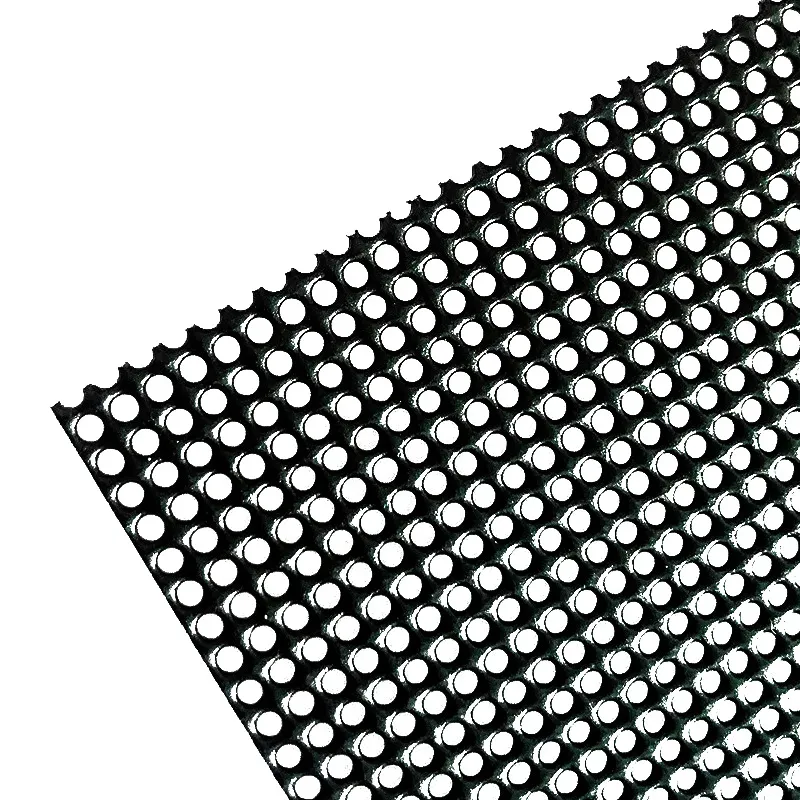
Figure 2: Durable metal screen integrated into an industrial ventilation system.
Advanced Customization and Engineered Solutions
Off-the-shelf solutions rarely meet the exact requirements of complex industrial projects. Leading manufacturers of Metal Window Screen products excel in providing highly customized solutions, engineered to specific project parameters and environmental conditions. This bespoke approach ensures optimal performance, integration, and cost-effectiveness.
Customization Capabilities Include:
-
Material Selection: Beyond standard stainless steels, customization extends to specialized alloys like Hastelloy, Inconel, or Monel for environments with extreme temperatures, pressures, or highly corrosive chemicals.
-
Mesh Configuration: Tailoring mesh count, wire diameter, and weave pattern to achieve precise filtration levels, flow rates, or specific mechanical strength requirements. This often involves iterative design and testing.
-
Fabrication and Forming: Custom cutting, bending, welding, rolling, and stamping to produce screens in specific shapes, sizes, and dimensions, including intricate panels, cylinders, cones, or framed assemblies.
-
Surface Treatments and Coatings: Applying specialized coatings such as PVC, powder coating, or electropolishing to enhance corrosion resistance, improve aesthetics, provide UV stability, or reduce friction for specific applications.
-
Integration with Framing Systems: Designing screens to integrate seamlessly with existing or new architectural and industrial framing systems, including custom frames, hinges, locks, and mounting hardware.
This capacity for engineering tailored solutions positions a manufacturer as a strategic partner, capable of delivering optimal performance and long-term value, rather than merely a supplier.
Vendor Comparison and Selection Criteria
Choosing the right supplier for industrial Metal Window Screen products is a critical decision that impacts project timelines, budget, and operational reliability. Key factors extend beyond initial cost to encompass quality, technical capability, and support.
Vendor Comparison Factors:
| Factor |
High-Tier Vendor |
Standard Vendor |
| Material Quality & Traceability |
Guaranteed material certification (e.g., Mill Test Certificates), full batch traceability. |
Generic material specification, limited traceability. |
| Manufacturing Precision |
CNC-controlled weaving, tight tolerance control (e.g., +/- 3% aperture). |
Standard weaving, wider tolerance ranges. |
| Certifications & Compliance |
ISO 9001, ASTM, ANSI, specific industry certifications (e.g., FDA for food contact). |
Basic quality control, limited external certifications. |
| Customization Capability |
Extensive engineering support, custom material sourcing, specialized fabrication. |
Limited custom sizes/materials, primarily standard products. |
| Technical Support & Expertise |
Dedicated engineering team, application specialists, design consultation. |
Basic product information, limited technical guidance. |
| Lead Times & Logistics |
Reliable, often shorter lead times due to efficient production, global logistics. |
Variable lead times, potentially less efficient shipping. |
| After-Sales Service |
Comprehensive warranty, technical assistance, easy returns/replacements. |
Limited warranty, often reactive support. |
Investing in a high-tier vendor ensures not only superior product quality but also long-term reliability and support, mitigating risks associated with critical industrial applications.
Real-World Application Case Studies
The practical effectiveness of high-grade Metal Window Screen is best illustrated through successful deployments in demanding operational contexts. These case studies highlight the tangible benefits of engineered screening solutions.
Case Study 1: Petrochemical Plant Filtration Upgrade
A major petrochemical facility in the Middle East faced recurring issues with catalyst fines contaminating their product stream, leading to costly downtime and reduced purity. Standard filters degraded rapidly due to the corrosive nature and high temperature of the process fluid.
- Solution: We engineered custom filter elements using 100-mesh SUS316L Dutch Weave Metal Window Screen, fabricated into cylindrical filter cartridges. The Dutch weave provided enhanced strength and very fine particle retention, while SUS316L offered superior corrosion resistance at elevated temperatures.
- Impact: Product purity improved by 15%, and filter element lifespan increased from 3 months to over 18 months, resulting in an estimated annual saving of $1.2 million in maintenance and production recovery costs. The enhanced durability significantly reduced operational risks.
Case Study 2: High-Security Government Building Perimeter
A new government complex required an unobtrusive yet highly secure perimeter solution for its windows, capable of resisting intrusion attempts without compromising aesthetic design. Traditional bars were deemed unacceptable.
- Solution: We supplied heavy-duty, 12-mesh, 0.9mm wire diameter SUS304 Metal Window Screen panels, integrated into robust aluminum frames. The screens were powder-coated to match the building's facade and installed with tamper-proof fixings.
- Impact: The screens provided a formidable physical barrier, tested to withstand significant force and cutting attempts, while maintaining clear outward visibility and natural light, meeting both security and architectural requirements. Feedback from security personnel confirmed a significant enhancement in perimeter integrity.
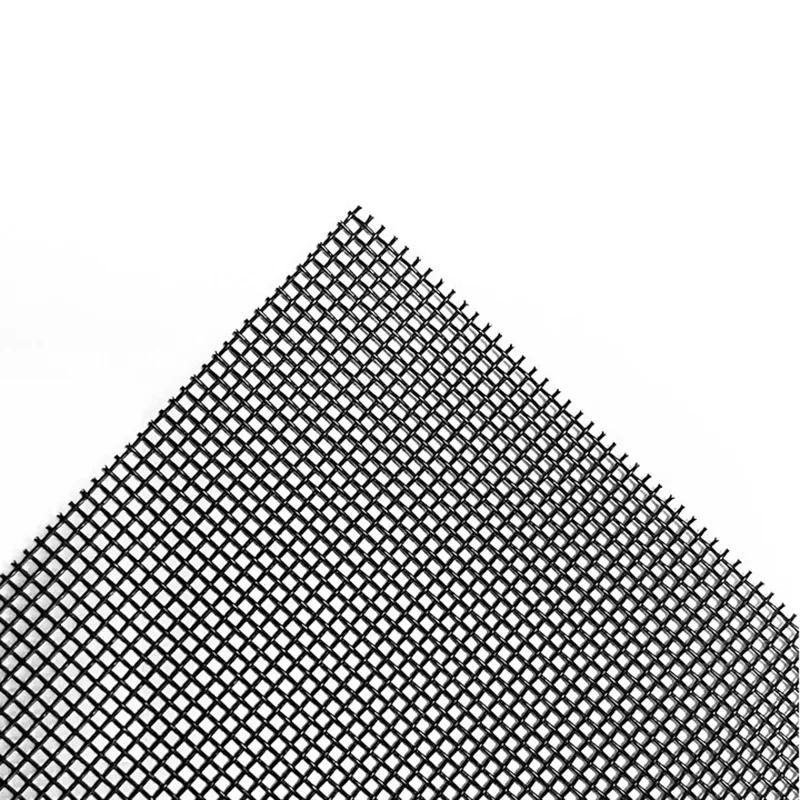
Figure 3: High-security metal window screen integrated into a modern building.
Quality Assurance, Certifications, and Authoritative References
Our commitment to quality and reliability is underlined by adherence to rigorous international standards and comprehensive quality assurance protocols. Each Metal Window Screen product is manufactured under strict controls to ensure superior performance and longevity.
-
ISO 9001:2015 Certified: Our manufacturing processes are certified to ISO 9001:2015, ensuring a robust quality management system that covers design, production, and after-sales service.
-
Material Traceability: All raw materials are sourced from reputable suppliers and undergo stringent inspection. Full material traceability, including Mill Test Certificates, is provided for critical applications.
-
Compliance with ASTM & ANSI Standards: Our products comply with relevant ASTM (e.g., ASTM E2016 for Industrial Woven Wire Cloth) and ANSI standards, affirming performance characteristics and material specifications.
-
In-house and Third-Party Testing: Comprehensive testing, including tensile strength, mesh aperture analysis, and corrosion resistance, is conducted in-house and validated by independent third-party laboratories when required by project specifications.
-
Years of Service & Partner Clients: With over 20 years of specialized experience in wire mesh manufacturing, we have cultivated partnerships with leading firms across petrochemical, construction, and manufacturing sectors, consistently delivering reliable solutions for their most challenging projects.
Frequently Asked Questions (FAQ)
Q: What is the primary difference between Plain Weave and Dutch Weave Metal Window Screen?
A: Plain weave features uniformly sized warp and shute wires, creating square openings suitable for general screening and support. Dutch weave uses heavier warp wires and finer shute wires, packed tightly to create tapered, tortuous passages. This results in superior filtration capabilities for very fine particles and higher tensile strength, though with a lower open area.
Q: How do I determine the correct mesh count for my application?
A: The ideal mesh count depends on the size of particles you need to filter or exclude, the required flow rate, and the mechanical stress the screen will endure. For critical filtration, engineers typically specify aperture size in microns. Our technical team can assist with precise calculations based on your operational parameters.
Q: What is the typical lead time for custom Metal Window Screen orders?
A: Lead times vary based on complexity, material availability, and order volume. For standard products, it typically ranges from 2-4 weeks. Custom-engineered solutions may require 6-12 weeks for design, prototyping, and production. We provide clear lead time estimates upon quotation.
Lead Time, Warranty, and After-Sales Support
We understand the importance of timely delivery and unwavering support for our B2B clients.
-
Lead Time & Fulfillment: Our optimized production processes and robust supply chain enable efficient order fulfillment. We maintain a stock of common materials and mesh configurations, allowing for expedited delivery. For custom orders, a detailed production schedule is provided and regularly updated, ensuring transparency and predictability.
-
Warranty Commitments: All our Metal Window Screen products come with a comprehensive warranty against manufacturing defects and material failures under normal operating conditions. The specific warranty period is outlined in our proposals, typically ranging from 1 to 5 years, depending on the product type and application severity.
-
Customer Support: Our dedicated after-sales support team is available to assist with technical queries, installation guidance, and any operational challenges. We offer responsive troubleshooting and, in rare instances, facilitate efficient returns or replacements to minimize any potential disruption to your operations.
Conclusion
The advanced Metal Window Screen is far more than a simple barrier; it is a meticulously engineered component critical to the operational integrity and efficiency of countless industrial and commercial systems. By understanding the intricate manufacturing processes, technical specifications, and vast application advantages, B2B stakeholders can make informed decisions that ensure long-term performance, safety, and cost-effectiveness. Partnering with a specialized manufacturer capable of delivering customized, high-quality solutions, backed by robust support and stringent quality assurance, is paramount to harnessing the full potential of these essential products.
References
- ISO 9001:2015 - Quality management systems - Requirements. International Organization for Standardization.
- ASTM E2016-11(2018) - Standard Specification for Industrial Woven Wire Cloth. ASTM International.
- ASM Handbook, Volume 1: Properties and Selection: Irons, Steels, and High-Performance Alloys. ASM International.
- European Committee for Standardization. EN 10223-1: Steel wire and wire products for fences and netting - Part 1: Barbed wire, PVC coated.
- The Engineering ToolBox - Material Properties. EngineeringToolbox.com.