Understanding Security Stainless Steel Mesh: Why It Matters Worldwide
At its core, security stainless steel mesh is a high-performance material designed to protect, contain, and secure spaces with a fine balance of strength and visibility. While it might not grab headlines like cutting-edge tech, globally it’s quietly essential—from safeguarding critical infrastructure to supporting humanitarian efforts in unstable conflict zones. Why care? Well, the durability and resistance of stainless steel mesh mean it’s a frontline defense that’s cost-effective, sustainable, and adaptable in a world grappling with security challenges.
In fact, as urbanization accelerates and international trade routes demand tighter physical security, understanding the ins and outs of this mesh can pay off for engineers, architects, and procurement officers alike.
The Global Context: Security Stainless Steel Mesh in Today’s Industry Landscape
The world’s security needs are expanding with population growth and geopolitical threats. According to UN statistics, urban populations are expected to reach 68% by 2050, driving demand for robust security solutions. The ISO 9001 standard highlights quality control that many stainless steel mesh manufacturers adhere to, ensuring consistent performance worldwide.
Yet with increasing challenges such as smuggling, vandalism, and terrorism, traditional fencing and barriers often fall short. This is where security stainless steel mesh excels—its small apertures and corrosion resistance prevent tampering while allowing necessary airflow and visibility. Globally, governments, industrial complexes, and NGOs face the pressing need for reliable barriers that stand up to harsh environments and tampering, and steel mesh is a sturdy answer.
What Exactly Is Security Stainless Steel Mesh?
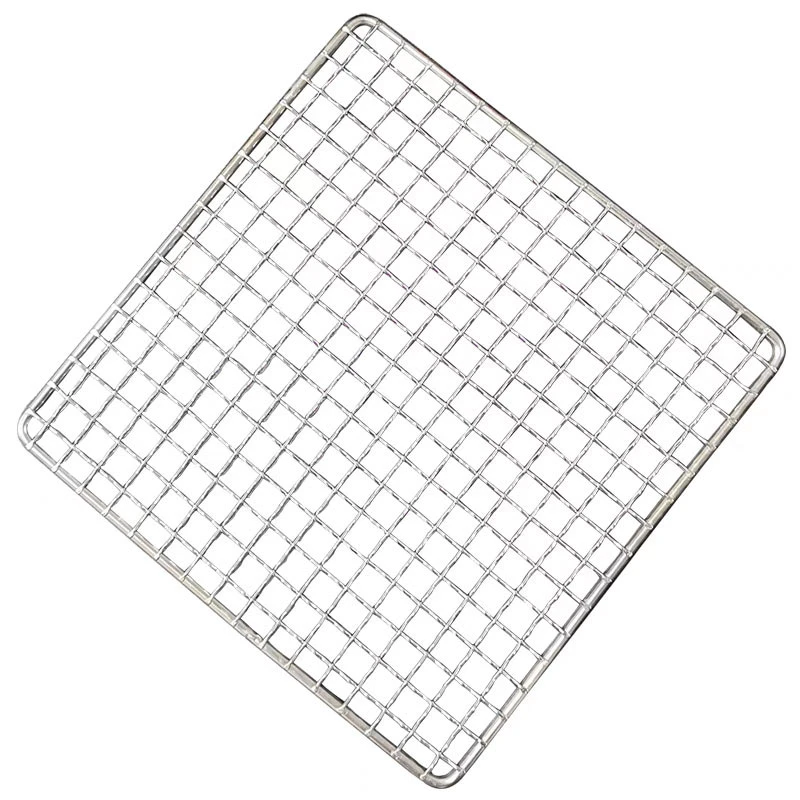
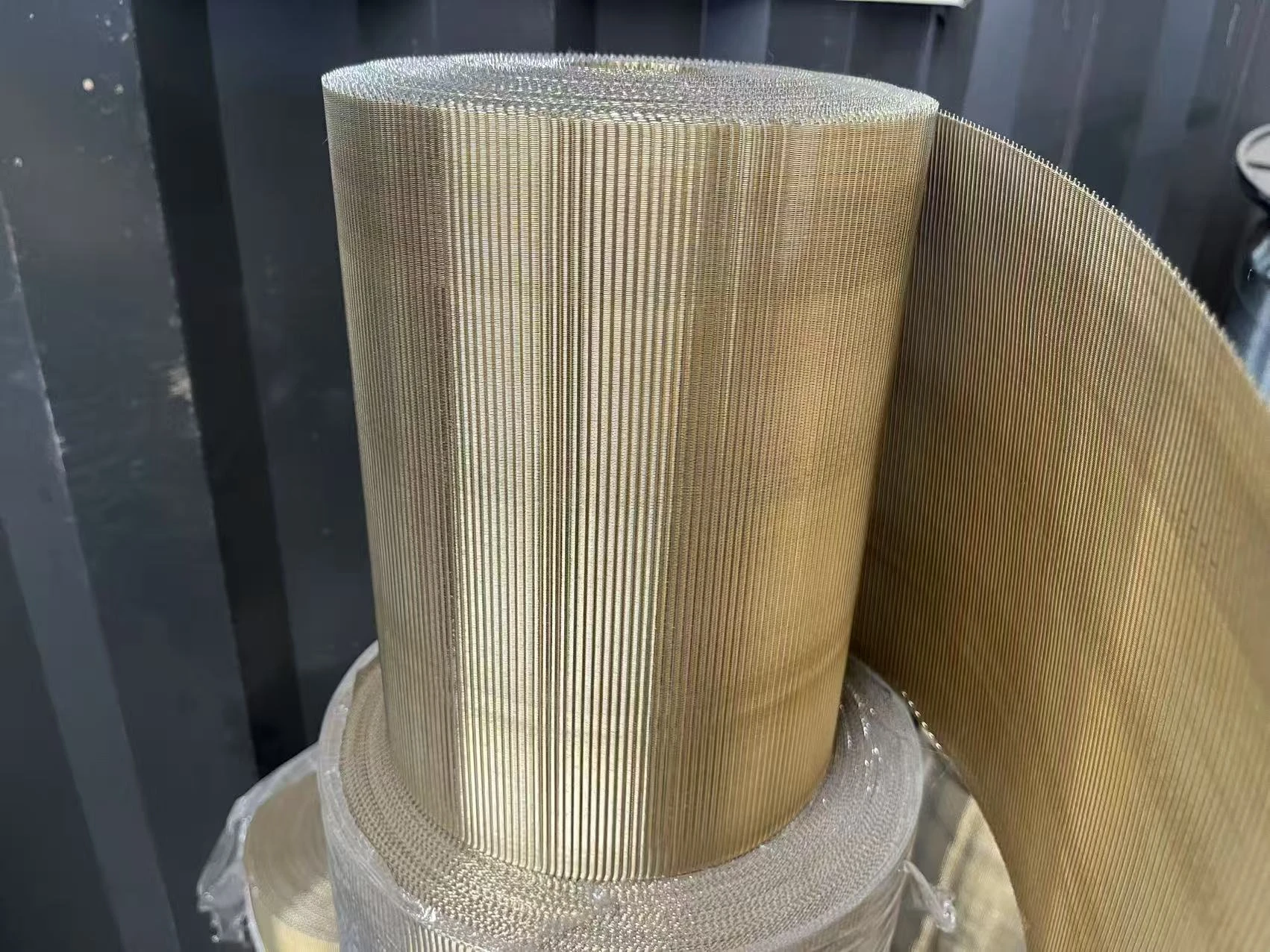
Put simply, it’s a woven or welded steel fabric made from stainless alloy steel wires. The wires are often interlaced to form tight grids, creating a mesh that serves as a physical barrier without the bulk of solid plates. The stainless component means it resists rust and corrosion, big pluses where weather and chemicals could otherwise degrade security systems.
This product is often customized by wire diameter, mesh size, and weave style to fit specific protection needs. It is extensively used in industries ranging from prisons to power plants, but it’s also critical in humanitarian contexts—for instance, temporary fencing in refugee camps where both durability and people’s dignity matter.
Key Characteristics That Define Effective Stainless Steel Security Mesh
Durability and Corrosion Resistance
One can’t talk about security stainless steel mesh without appreciating its ability to withstand rust and endure years of exposure to extreme weather or chemical environments. This is vital, say, in coastal installations or industrial sites where normal galvanized steel would degrade in just a few years.
Mesh Aperture Design
The size and pattern of the openings in the mesh are crucial. Tight meshes with small apertures prevent tool insertion and climbing, enhancing security, while still allowing visibility and airflow. It’s a design science on its own.
Scalability and Installation Flexibility
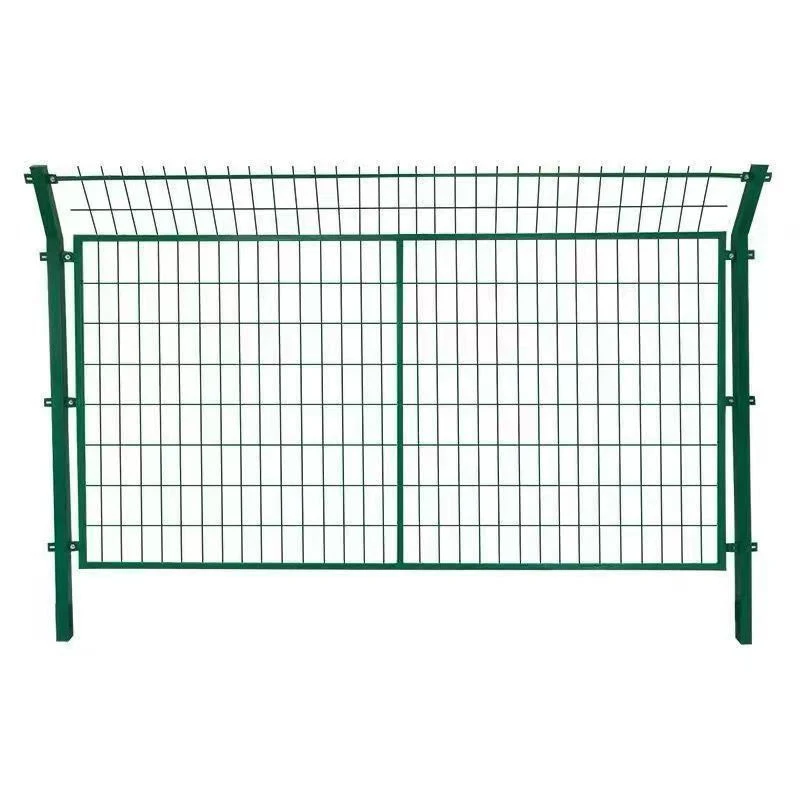
Whether you’re fencing a small utility shed or a sprawling airport perimeter, stainless steel mesh can be scaled and adapted quickly. Modular panels, rolls, or welded sheets lend themselves to varied projects with practical ease.
Cost Efficiency Over Lifecycle
It might seem pricey upfront compared to plastic or chain link alternatives. But factoring in lifespan, low maintenance, and reduced replacement costs, it tends to save money over time—plus add peace of mind.
Customizable Security Rating
Different zones demand different protection levels. By varying wire thickness and weaving patterns, security stainless steel mesh can be tailored to withstand different levels of attack, from basic theft deterrence to anti-ballistic applications.
Environmental Sustainability
Stainless steel is largely recyclable, and its longevity reduces waste. This aligns with global moves toward more sustainable construction and infrastructure, tying into broader UN climate action goals.
Mini takeaway: The real charm of security stainless steel mesh is its blend of physical robustness and engineering versatility, making it a go-to solution across industries and regions.
How and Where Is This Mesh Making a Difference Globally?
- Industrial Security: Manufacturing hubs, especially in Asia and Europe, use it extensively to protect machinery and sensitive zones.
- Public Infrastructure: Airports, government buildings, and data centers rely on its transparency and strength.
- Humanitarian Use: NGOs collaborating with the UN often deploy stainless steel mesh fencing in refugee camps and disaster zones to ensure safety and controlled access.
- Transportation: Security mesh is used along highways and rail lines for anti-intrusion and wildlife mitigation.
- Residential & Commercial: Security-conscious communities benefit from aesthetically pleasing fences that provide visibility and protection simultaneously.
Take, for example, a solar farm in Australia that faced continuous vandalism. Installing reinforced stainless steel mesh with a fine aperture size cut down damage incidents by 90% over two years — a real win for the bottom line and project sustainability.
Advantages and Long-Term Benefits Worth Considering
Choosing the right security barrier has implications beyond just a one-off purchase:
- Reliability and Consistency: These meshes rarely fail when quality standards are maintained.
- Emotional Security: Residents, employees, and stakeholders gain a real sense of protection.
- Cost Savings: Reduced maintenance and replacement make it financially savvy over the lifecycle.
- Environmental Respect: Steel’s recyclability enhances corporate social responsibility profiles.
- As a Visual Deterrent: The mesh's presence alone can discourage intrusion attempts.
Mini takeaway: The blend of practical resilience and psychological peace of mind makes security stainless steel mesh an underrated hero in infrastructure security planning.
Product Specification Table: Typical Security Stainless Steel Mesh
| Parameter |
Specification |
Notes |
| Wire Diameter |
1.6 mm – 4 mm |
Thicker wire = higher security |
| Mesh Aperture Size |
12 mm × 12 mm to 50 mm × 50 mm |
Smaller openings prevent tool access |
| Material Grade |
304 / 316 Stainless Steel |
316 suited for marine environments |
| Finish |
Mill finished or powder coated |
Coating adds extra corrosion resistance |
| Standard Panel Size |
2 m × 2.5 m (customizable) |
Modular for easy installation |
Vendor Overview: Comparing Leading Security Stainless Steel Mesh Suppliers
| Vendor |
Location |
Product Range |
Certifications |
Key Strength |
| Jinzehong Wire Mesh |
China |
Custom meshes, welded and woven |
ISO 9001, SGS |
Superior customization & API support |
| SS Mesh Solutions |
Germany |
High-security fencing panels |
ISO 14001 |
Cutting-edge corrosion-resistant finishes |
| SteelGuard Ltd. |
USA |
Ballistic and anti-climb meshes |
MIL-STD Certified |
Ideal for defense and aviation sectors |
Looking Ahead: Innovations in Security Stainless Steel Mesh
The evolution in this field is surprisingly dynamic. Advances include embedding sensors for intrusion detection directly into mesh panels, or developing eco-friendlier alloys to further reduce environmental footprints. In places prioritizing green energy, for instance, security stainless steel mesh for solar and wind farms now often pairs with smart controllers to monitor access remotely — a neat fusion of physical and digital security.
Challenges Along the Way—and How Experts Tackle Them
Despite its strengths, stainless steel mesh isn’t perfect. High upfront costs can be a hurdle for some projects, and installation requires skilled labor for optimal security gains. Also, while corrosion resistance is excellent, salt-heavy maritime environments can still cause gradual wear over decades.
To address these, experts advise holistic approaches combining mesh with sensors, regular maintenance schedules, and corrosion inhibitors tailored to specific sites. Factoring in lifecycle cost rather than sticker price alone is key. And increasingly, manufacturers offer turnkey solutions, smoothing the path from purchase to installation.
FAQ: Your Top Questions About Security Stainless Steel Mesh
Q1: How does security stainless steel mesh differ from conventional chain link fencing?
A: Unlike chain link, stainless steel mesh is made with corrosion-resistant alloys and often has much smaller aperture sizes, making it more tamper-proof. It also maintains its structural integrity longer in harsh environments, which is why it’s preferred for high-security settings.
Q2: Can these meshes be customized to fit unusual perimeter shapes?
A: Absolutely. Manufacturers like Jinzehong Wire Mesh offer on-demand tailoring including cutting, welding, or rolling meshes to fit curved or angled fencing, supporting flexible design needs.
Q3: What maintenance is typically required to keep stainless steel mesh at peak performance?
A: Generally, little maintenance is needed beyond periodic inspections for physical damage and cleaning to remove debris or buildup. In coastal or chemical-heavy environments, occasional rinsing and the use of corrosion inhibitors may prolong lifespan.
Q4: Is stainless steel mesh recyclable at the end of its service life?
A: Yes, it’s highly recyclable and many building regulations encourage reclaiming metals for sustainability, making it environmentally responsible.
Wrapping Up: Why Security Stainless Steel Mesh Isn’t Just Another Fence
Looking back, it feels clear that investing in security stainless steel mesh pays dividends beyond the obvious. It’s a rare blend of durability, customization, and environmental friendliness—a silent guardian in many industries' protective strategies. For those serious about marrying cost-effectiveness with long-term peace of mind, it’s a solution worth considering.
If you want to dive deeper or source top-quality mesh for your next project, visit https://www.jinzehongwiremesh.com — they’ve been in the game long enough to get it right.