Wire Mesh 304: A Global Material Backbone for Industry and Innovation
If you've ever looked closely at construction sites, filtration systems, or even art installations, chances are you’ve encountered wire mesh 304 without realizing it. This seemingly mundane material plays a surprising role in shaping industrial progress and humanitarian efforts worldwide. Understanding wire mesh 304 means appreciating a small but mighty piece in the vast machinery of global infrastructure — one that combines strength, adaptability, and corrosion resistance in a neat metallic weave.
Worldwide, industries rely increasingly on materials with dependable durability and environmental resilience. As globalization accelerates and sustainability becomes non-negotiable, wire mesh 304 emerges as a trusted asset. But why does this particular stainless steel grade remain so pivotal? Let’s explore.
Why Wire Mesh 304 Matters on a Global Scale
Globally, the stainless steel market is projected to grow to over 56 million metric tons by 2025 (source: World Steel Association). Within this, 304-grade stainless steel accounts for a substantial share given its versatility.
The challenge? Industries and humanitarian sectors face the dual demands of high-performance materials that resist corrosion and also enable easy customization. Wire mesh 304 addresses this by combining standardized chemical composition with robust physical characteristics, suitable for everything from water treatment plants in Southeast Asia to protective barriers in disaster-prone zones.
To put it bluntly, it’s not just about wire mesh—it’s about providing reliable infrastructure in places where failure isn’t an option.
What Exactly is Wire Mesh 304?
At its core, wire mesh 304 is a woven or welded grid made from type 304 stainless steel wire. This grade, often called “18/8” stainless steel, has roughly 18% chromium and 8% nickel — elements that impart strong corrosion resistance and ductility.
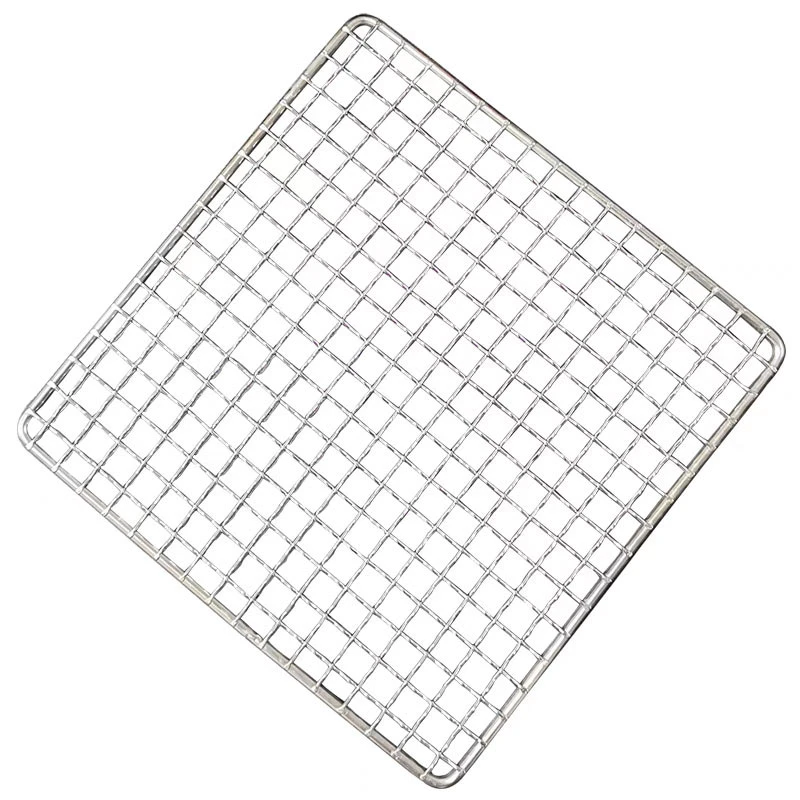
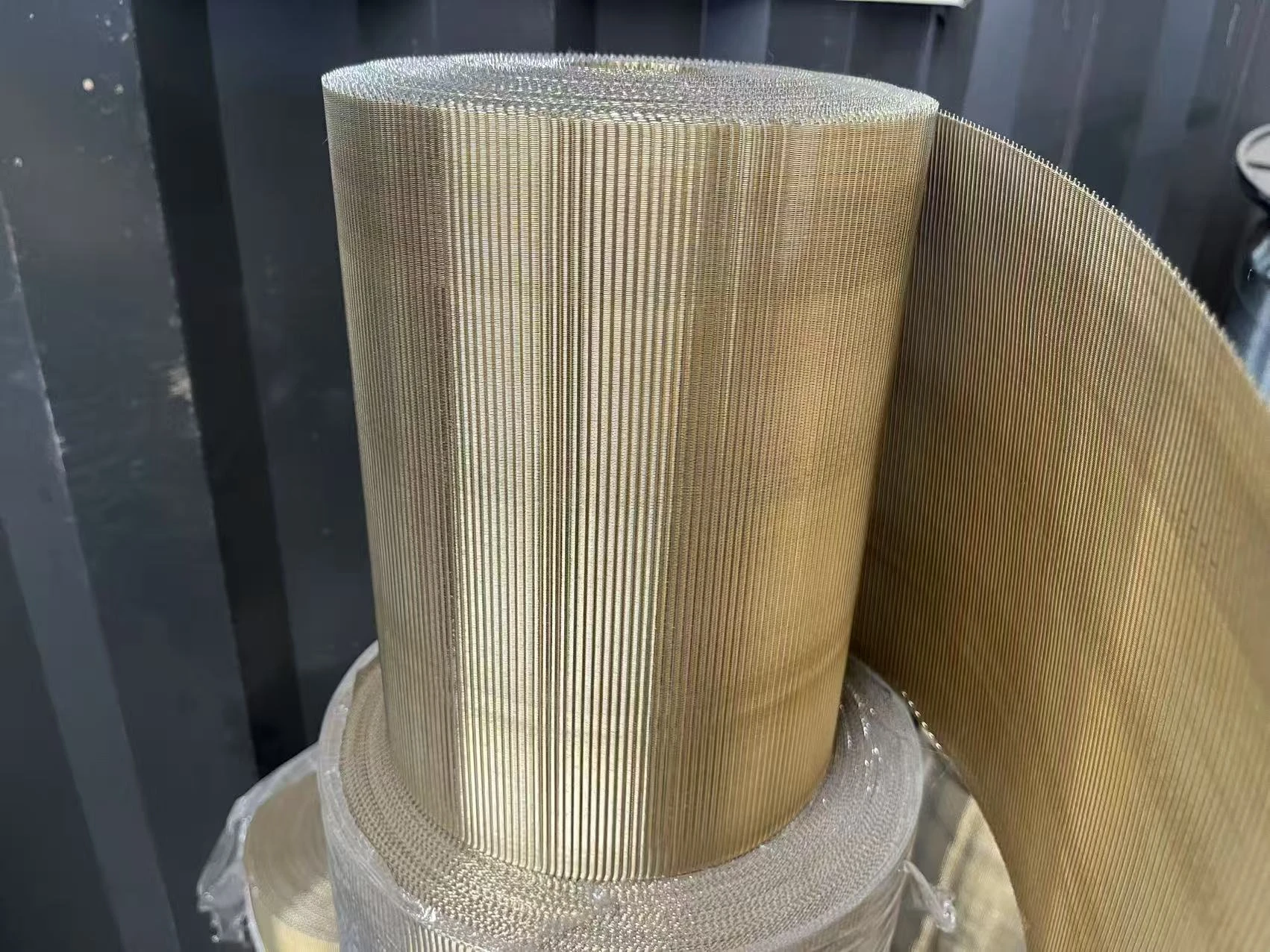
Wire mesh designs come in different weaving patterns (plain weave, twill, Dutch weave), each tailored to satisfy filtration, shielding, or structural needs. The mesh’s apertures and wire diameters can vary widely, allowing engineers to precisely balance airflow, light passage, or mechanical strength.
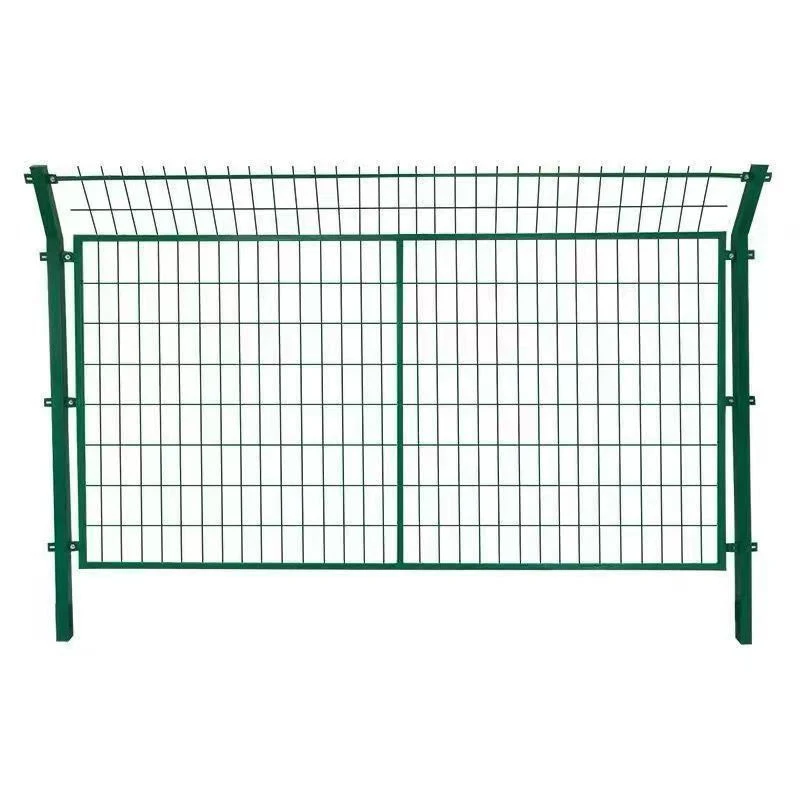
In modern industry, wire mesh 304 supports applications where combining environmental exposure with mechanical stability is critical. Think solar panel protection, pharmaceutical filtration, or even cattle fencing in harsh climates.
Key Characteristics Driving Wire Mesh 304’s Appeal
1. Durability and Corrosion Resistance
The chromium-rich composition forms a “passive layer” that fights rust and chemical degradation. This means wire mesh 304 holds strong in wet, salty, and acidic environments — making it a preferred choice for marine facilities and wastewater treatment plants.
2. Flexibility and Scalability
Whether you need fine mesh to filter microscopic particles or a heavy-gauge mesh for security applications, wire mesh 304 comes in a broad range of sizes and patterns. This scalability means it fits small lab filters and large industrial conveyors alike.
3. Cost Efficiency Over Time
Though slightly more expensive upfront than some alloys, wire mesh 304’s longevity slashes replacement and maintenance costs. Many facility managers note that its lifespan often doubles compared to carbon steel alternatives.
4. Easy Fabrication and Customization
Thanks to its ductile nature, wire mesh 304 adapts well to cutting, welding, and coiling processes, speeding up production and installation. Custom solutions for unique industrial challenges are easier than ever.
5. Hygiene and Safety Compliance
Its resistance to bacterial contamination earns wire mesh 304 a spot in food processing and medical equipment frameworks. This hygienic profile aligns with international standards like ISO 22000 on food safety.
Mini takeaway: Wire mesh 304 is more than metal—it’s a blend of chemistry and engineering that tackles industrial demands from corrosion resistance to cost effectiveness.
Wire Mesh 304 in Action: Real-World Applications Around the Globe
From sprawling industrial hubs in Germany to remote mining operations in Chile, wire mesh 304 is everywhere, often quietly ensuring operations run smoothly.
- Water filtration systems: Many municipal water plants in India use wire mesh 304 to filter impurities while resisting microbial growth and chemical wear.
- Construction & Architecture: In the Middle East’s extreme climates, wire mesh 304 often forms facades that protect insulation layers while resisting sand and salt corrosion.
- Disaster relief efforts: Temporary shelters and fencing for refugees benefit from the rapid deployability and durability of wire mesh made from 304 stainless steel.
- Food and pharmaceutical industries: Smooth, hygienic surfaces in processing areas rely heavily on this mesh to meet strict safety regulations.
Interestingly, some NGOs have even used wire mesh 304 in modular housing prototypes, combining strength with breathability — critical for tropical yet harsh environments.
Advantages and Long-Term Value of Using Wire Mesh 304
Beyond technical specs, this wire mesh carries strong emotional value for stakeholders who prioritize safety, dignity, and sustainability.
- Reliability: You can “set it and forget it” in many applications, which builds trust.
- Eco-consciousness: 304 stainless steel is 100% recyclable, aligning with circular economy principles.
- Innovation enabling: Its versatility lets engineers dream up new uses — like photonic shielding screens or pollutant sensors.
- Cost savings: Fewer replacements, less downtime, and fewer failures result in a smoother bottom line.
It’s odd but true that materials like this quietly uphold social infrastructure while we focus on flashier tech.
Product Specification Table for Wire Mesh 304
| Specification |
Details |
| Material Composition |
18% Chromium, 8% Nickel (Type 304 stainless steel) |
| Standard Mesh Sizes |
10 mesh to 400 mesh (varies by application) |
| Wire Diameter |
0.05 mm to 5mm+ |
| Tensile Strength |
505 - 750 MPa (dependent on wire gauge) |
| Corrosion Resistance |
Excellent in most environments, including saltwater |
| Common Weave Types |
Plain, Twill, Dutch, Reverse Dutch |
Comparing Leading Wire Mesh 304 Vendors: What to Look For
| Vendor |
Product Range |
Customization Options |
Certifications |
Lead Time |
| Jinzehong Wire Mesh |
Full spectrum from 10-400 mesh |
Custom sizes, weave, wire diameter |
ISO 9001, SGS |
2-4 weeks |
| Global Mesh Supplies |
Wide, but limited fine mesh options |
Standard sizes only |
ISO 14001 |
3-5 weeks |
| SteelTech Industries |
Focus on heavy gauge mesh |
Limited custom work |
ISO 9001 |
4-6 weeks |
Emerging Trends and Innovations with Wire Mesh 304
The wire mesh 304 world isn’t exactly standing still. Advances in laser cutting and robotic weaving now allow microscopic precision, enabling applications like nanotechnology filters used in experimental medicine.
Also, sustainability is pushing vendors to improve alloy purity and recycling processes. I noticed a growing interest in combining 304 stainless with coated antibacterial layers to meet higher demands in healthcare and food.
Digitization offers better quality control and customization: engineers use 3D modeling to prototype mesh patterns that were unthinkable a decade ago.
Common Challenges and How the Industry is Tackling Them
Of course, wire mesh 304 isn’t perfect. The initial purchase price can make smaller companies hesitate. In aggressive environments (chloride-heavy seasides), prolonged exposure can cause pitting corrosion.
However, innovations in duplex stainless steels and improved coatings promise to extend its application further. Meanwhile, smarter supply chains and bulk sourcing help ease cost concerns.
FAQ: Practical Questions About Wire Mesh 304
- Q: How long does wire mesh 304 typically last in outdoor applications?
- A: Under normal conditions, wire mesh 304 can last 15 to 30 years outdoors, depending on exposure to corrosive elements. Proper maintenance can extend this lifespan significantly.
- Q: Is wire mesh 304 safe for food processing environments?
- A: Absolutely. Its hygienic, smooth surface resists bacterial growth and complies with FDA and ISO 22000 standards commonly required in food industry applications.
- Q: Can wire mesh 304 be customized for unique industrial needs?
- A: Yes. Manufacturers often offer tailored mesh sizes, weaving patterns, and wire diameters to match precise application requirements.
- Q: What’s the environmental impact of using wire mesh 304?
- A: Because stainless steel is fully recyclable and durable, wire mesh 304 supports eco-friendly initiatives by reducing waste and minimizing resource consumption through longevity.
- Q: How to source high-quality wire mesh 304 internationally?
- A: Look for vendors with recognized certifications like ISO 9001 and SGS, clear material traceability, and strong customer service. Jinzehong Wire Mesh is a well-regarded choice with global shipping options.
Wrapping Up: Why Wire Mesh 304 is Here to Stay
In real terms, wire mesh 304 quietly powers much of the infrastructure and industrial precision that keeps our modern world humming. It’s not glamorous, but it’s essential. Its combination of durability, adaptability, and sustainability ensures it remains a go-to solution for engineers, project managers, and innovators worldwide.
You want to explore reliable, customizable wire mesh 304? Check out trusted suppliers who understand the material's potential. After all, the smallest mesh can hold the biggest dreams.
Mini takeaway: Wire mesh 304 is more than a product—it's a global enabler of industrial resilience, sustainability, and innovation.
For detailed info and sourcing, visit
Jinzehong Wire Mesh.
References
- World Steel Association - Global Stainless Steel Data
- Wikipedia - Stainless Steel
- ISO 22000 Food Safety Management