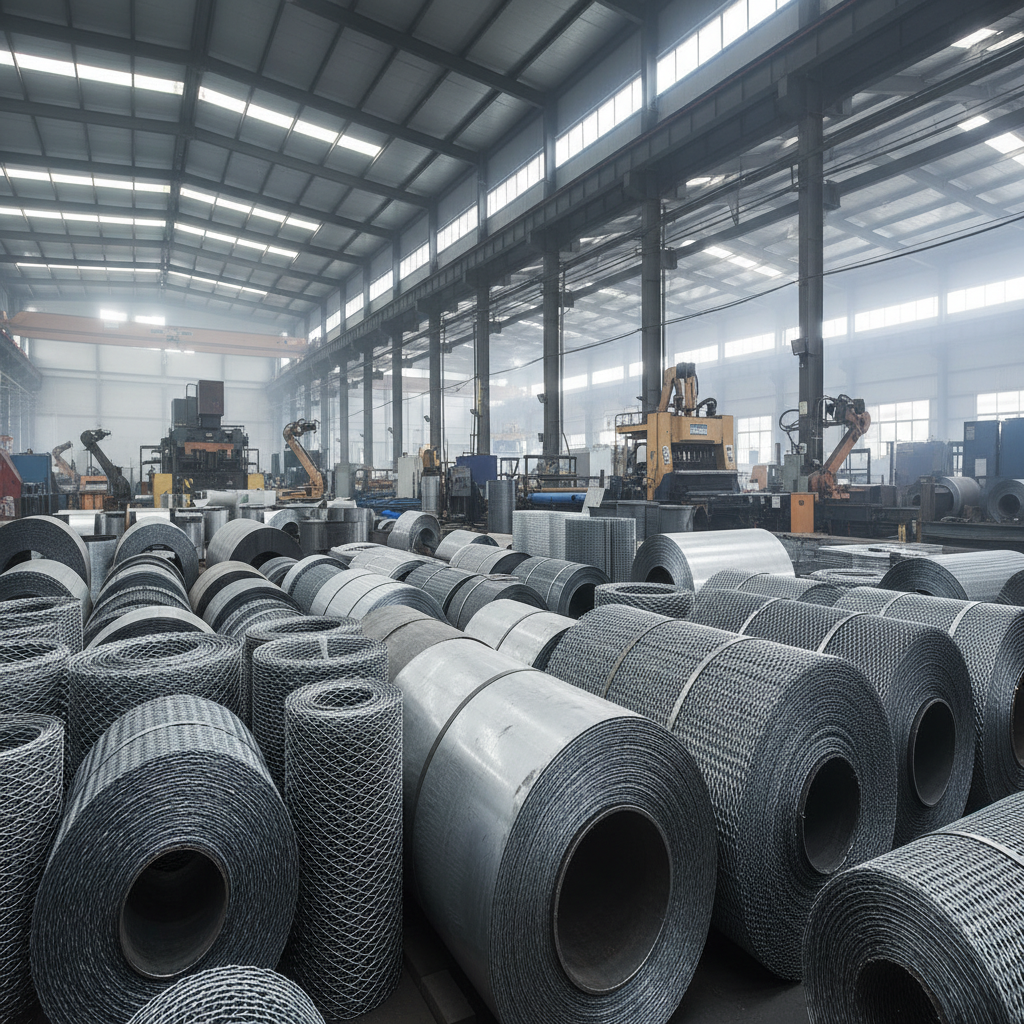
Expanded metal mesh, encompassing various types of expanded metal mesh, is a versatile material formed by slitting and stretching sheet metal, creating a rigid and open structure. Its global relevance stems from its widespread application across diverse industries, from construction and automotive to filtration and security. Demand is driven by increasing infrastructural projects in emerging economies and a growing need for robust, lightweight materials in modern manufacturing.
The escalating global demand for sustainable and cost-effective building materials is particularly boosting the use of expanded metal in construction. Simultaneously, its application in renewable energy, like solar panel mounting systems, is surging with the transition towards green energy sources. This material addresses a critical need for resilient and adaptable solutions in an ever-changing world.
Understanding the different types of expanded metal mesh is crucial for engineers, architects, and manufacturers alike. It allows for optimal material selection based on specific project requirements, maximizing efficiency, and minimizing waste. This knowledge directly translates to better designs, improved product performance, and ultimately, more sustainable practices.
Introduction to Types of Expanded Metal Mesh
The world of expanded metal mesh isn’t monolithic; several types of expanded metal mesh exist, each tailored for specific applications. These variations depend on the metal used (steel, aluminum, stainless steel, etc.), the expansion ratio (the relationship between the open space and the metal thickness), and the pattern of the cuts and stretches. Understanding these distinctions is vital for optimizing performance and cost-effectiveness.
The selection process requires careful consideration of factors like load-bearing capacity, corrosion resistance, aesthetic requirements, and budgetary constraints. Different mesh types offer varying levels of these characteristics, making the initial assessment crucial for project success. We’ll delve into these nuances throughout this guide.
Defining Expanded Metal Mesh
Essentially, expanded metal mesh is created by simultaneously slitting and stretching a metal sheet. This process maintains the metal’s integrity, unlike perforated metal, which removes material to create holes. This key difference results in a stronger, more durable product. The resulting mesh has a diamond, hexagonal, or other repeating pattern of openings, offering a unique combination of strength and openness.
Its connection to modern industry stems from its ability to provide structural support, filtration, screening, and protection in a wide array of applications. From safeguarding machinery and creating architectural facades to enhancing traction and enabling fluid separation, expanded metal plays a silent but essential role in our daily lives. Its lightweight yet robust nature is a significant advantage.
The humanitarian relevance of types of expanded metal mesh lies in its use in constructing temporary shelters, providing security fencing in refugee camps, and offering durable flooring in disaster relief zones. Its quick deployment and inherent strength make it an invaluable asset in emergency situations.
Key Characteristics of Expanded Metal
Durability is arguably the most significant characteristic of expanded metal. The unique manufacturing process creates a mesh that resists bending, warping, and breaking, even under heavy loads. This longevity translates to lower maintenance costs and a longer lifespan, making it a sustainable choice.
Versatility is another core attribute. The ability to customize the mesh pattern, metal type, and thickness allows expanded metal to be tailored to a vast range of applications. Whether it’s requiring fine filtration or heavy-duty structural support, a suitable expanded metal solution exists.
Cost-effectiveness also plays a crucial role. While the initial material cost may vary depending on the metal chosen, the overall lifecycle cost of expanded metal is often lower than alternative materials due to its durability and reduced maintenance requirements. Its efficient manufacturing process contributes to this affordability.
Applications Across Industries
The construction industry is a major consumer of expanded metal, utilizing it for walkways, stair treads, facades, and reinforcing mesh. The automotive sector employs it in radiator grilles, speaker covers, and protective shielding. The oil and gas industry relies on it for filtration and safety grating.
In regions experiencing rapid urbanization, like Southeast Asia and parts of Africa, expanded metal is increasingly used in infrastructure projects, providing durable and cost-effective solutions for flooring, fencing, and security barriers. Companies like Bechtel and Fluor often specify expanded metal in their large-scale construction projects.
Post-disaster relief operations frequently utilize expanded metal for constructing temporary shelters and fencing off secure zones. Its ease of transport and rapid deployment make it an invaluable resource in emergency situations, offering a safer and more dignified living environment for displaced populations.
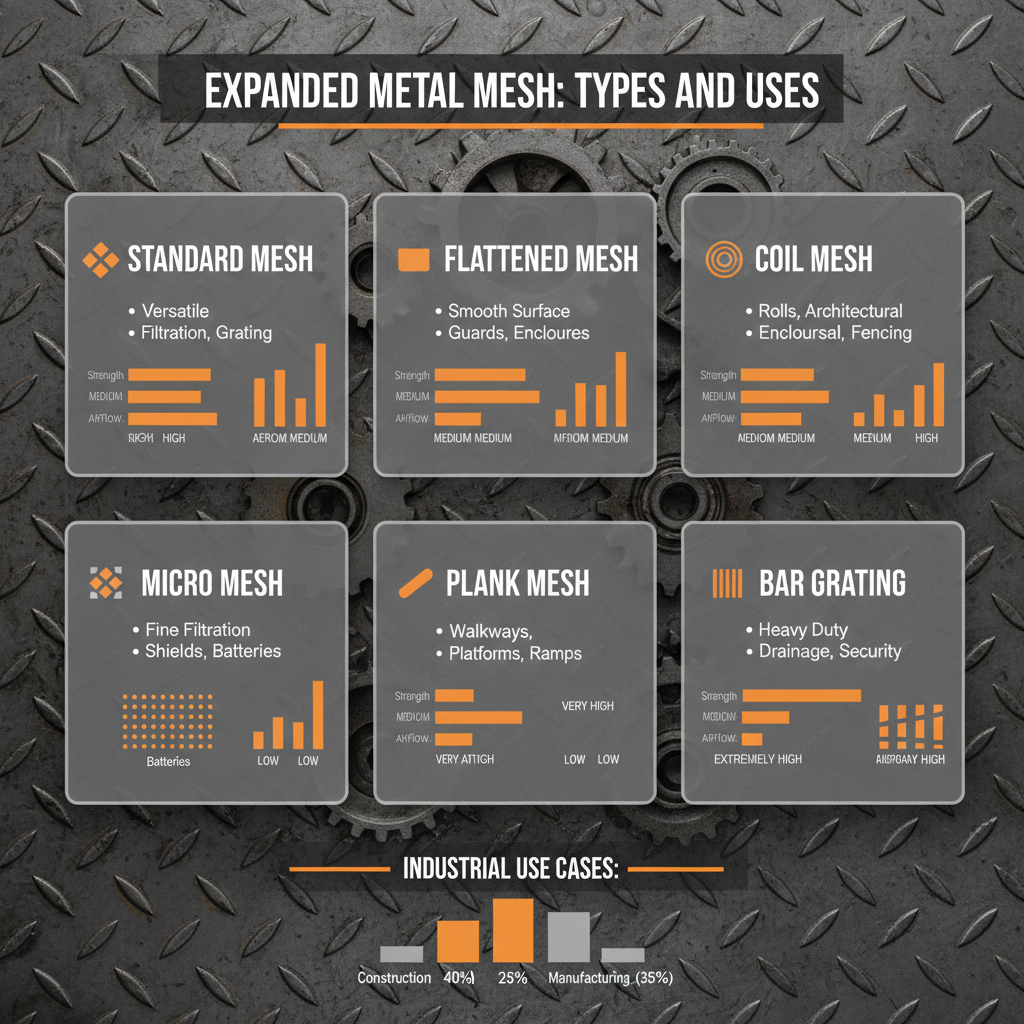
Market Share of Expanded Metal Types
Advantages and Value Proposition
The most tangible benefit is cost savings, stemming from reduced material usage and minimized maintenance. Its durability also contributes to sustainability by extending the lifespan of structures and reducing the need for frequent replacements. Types of expanded metal mesh often outperform traditional materials in terms of weight-to-strength ratio, leading to reduced transportation costs and easier installation.
Beyond the economic benefits, expanded metal enhances safety. Its non-slip surface provides excellent traction, reducing the risk of accidents in industrial and public spaces. The open structure allows for excellent ventilation and visibility, further improving safety in potentially hazardous environments. The overall impact is increased reliability and peace of mind.
Future Trends in Expanded Metal
The integration of smart materials and nanotechnology into expanded metal production is a key emerging trend. This will allow for the creation of self-healing meshes, corrosion-resistant coatings, and enhanced structural properties. Digital fabrication techniques, such as laser cutting and 3D printing, are also poised to revolutionize the industry.
Sustainability is driving the development of expanded metal produced from recycled materials and utilizing eco-friendly manufacturing processes. The demand for lightweight materials in the automotive and aerospace industries is pushing the boundaries of expanded metal design, focusing on maximizing strength-to-weight ratios. As green building practices become more prevalent, expanded metal will become increasingly integral to sustainable construction projects.
Challenges and Mitigation Strategies
One common challenge is the susceptibility to corrosion, particularly in harsh environments. This can be mitigated by utilizing corrosion-resistant metals like stainless steel or applying protective coatings like galvanization or powder coating. The initial cost of high-grade materials can be a barrier, but the long-term benefits often outweigh the upfront investment.
Another limitation is the potential for deformation under extreme stress. Finite element analysis (FEA) and careful engineering design can help optimize the mesh pattern and thickness to withstand anticipated loads. Collaboration between manufacturers and engineers is crucial to address these challenges and ensure optimal performance.
Supply chain disruptions and fluctuating metal prices pose ongoing challenges. Diversifying sourcing options and establishing long-term contracts with reliable suppliers are essential strategies for mitigating these risks. Investing in automated manufacturing processes can also help reduce production costs and improve efficiency.
Common Expanded Metal Mesh Issues and Solutions
| Issue |
Severity (1-10) |
Root Cause |
Mitigation Strategy |
| Corrosion |
7 |
Exposure to harsh elements |
Use stainless steel or protective coating |
| Deformation |
6 |
Insufficient structural support |
Optimize mesh pattern and thickness |
| Manufacturing Defects |
5 |
Poor quality control |
Implement stringent quality checks |
| High Initial Cost |
4 |
Material selection |
Consider lifecycle cost analysis |
| Supply Chain Disruptions |
6 |
Geopolitical instability |
Diversify sourcing options |
| Installation Complexity |
3 |
Lack of expertise |
Provide proper training and guidance |
FAQS
Expanded metal is created by slitting and stretching metal, leaving no material removed and maintaining high strength. Perforated metal involves punching holes, removing material, and potentially weakening the overall structure. Expanded metal generally offers a higher strength-to-weight ratio and is more cost-effective for applications where openness and durability are crucial.
Common metals include carbon steel, stainless steel, aluminum, and occasionally titanium or copper. The choice depends on the application’s requirements. Steel is cost-effective and strong, stainless steel offers corrosion resistance, and aluminum is lightweight. Specific alloys are selected based on load, environment, and budget.
The expansion ratio (the ratio of the opened area to the original metal thickness) determines the mesh’s openness, weight, and strength. Higher ratios create more open meshes with lower weight but potentially reduced strength. A lower ratio results in a denser, stronger mesh. Finding the optimal ratio is crucial for the intended application.
Expanded metal is widely used in construction for walkways, stair treads, safety grating, facade cladding, reinforcing mesh in concrete, and security fencing. It provides a non-slip surface, excellent ventilation, and a modern aesthetic. Its durability and low maintenance contribute to long-term cost savings.
Yes, expanded metal is highly customizable. Manufacturers can adjust the metal type, thickness, expansion ratio, pattern, and finish to meet precise specifications. This flexibility makes it suitable for a wide range of applications, from architectural designs to industrial filters.
Common coatings include galvanization (zinc coating), powder coating, and painting. Galvanization provides excellent corrosion resistance for steel, while powder coating offers a durable and aesthetically pleasing finish. The choice of coating depends on the severity of the corrosive environment and the desired lifespan.
Conclusion
In conclusion, types of expanded metal mesh represent a versatile and cost-effective solution across a multitude of industries. Its inherent strength, durability, and customizable nature provide significant advantages over traditional materials. Understanding the nuances of different mesh types and their applications is paramount for maximizing performance and optimizing project outcomes.
Looking forward, continued innovation in materials science and manufacturing techniques will further enhance the capabilities of expanded metal. By embracing sustainable practices and exploring new applications, we can unlock its full potential and contribute to a more resilient and efficient future. Visit our website at www.jinzehongwiremesh.com to learn more and explore our wide range of expanded metal products.