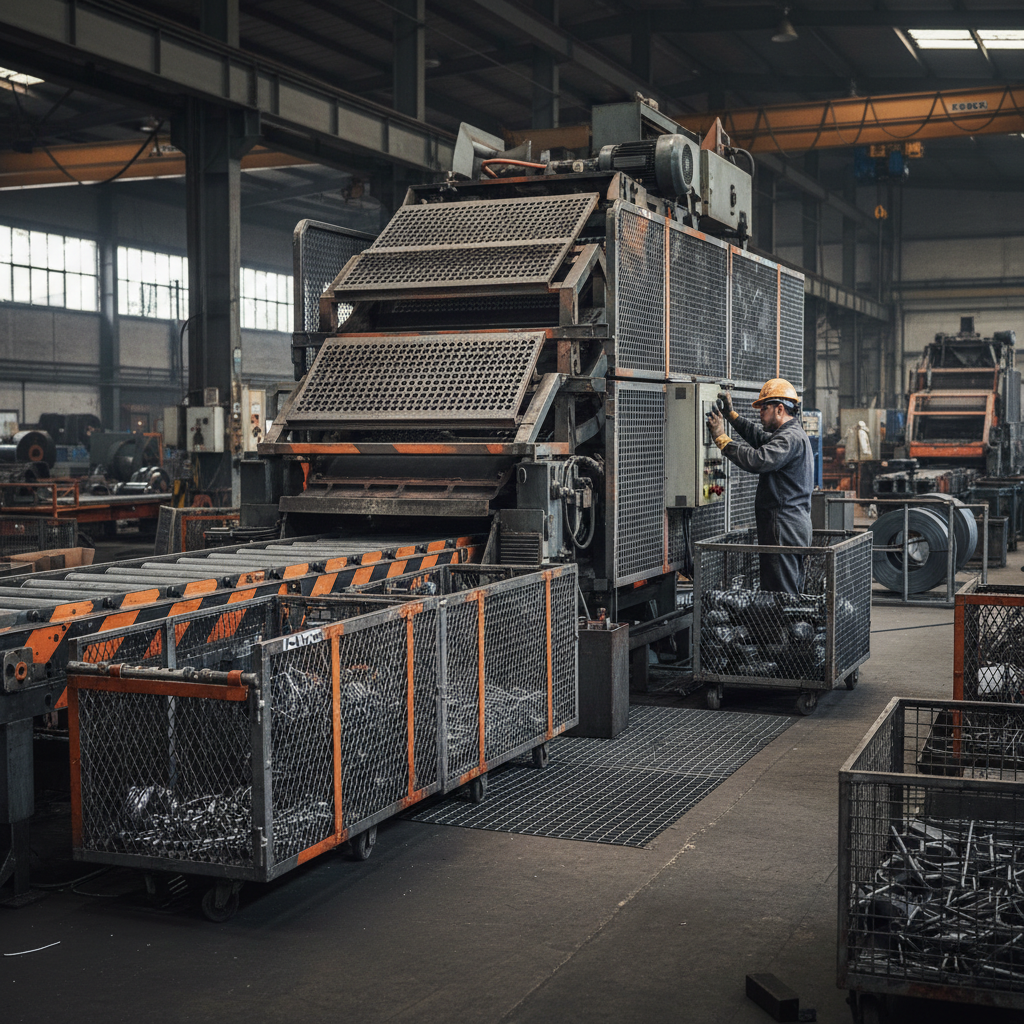
Metal mesh types are integral components across a vast spectrum of industries, from construction and agriculture to filtration and security. Their versatility stems from the diverse materials used – stainless steel, aluminum, carbon steel, and more – and the various weaving patterns that dictate strength, porosity, and flexibility. Understanding these nuances is crucial for engineers, architects, and procurement specialists aiming to optimize performance and cost-effectiveness. The global demand for high-quality metal mesh continues to rise, driven by infrastructure development and increasing industrial output.
The relevance of metal mesh types extends beyond purely commercial applications. In humanitarian aid, these materials provide vital shelter solutions, particularly in rapid response scenarios. They’re used in mosquito nets to combat disease, and in water filtration systems to provide access to clean water. The increasing focus on sustainable development highlights the need for durable, reusable materials, further boosting the importance of well-chosen metal mesh solutions.
Essentially, metal mesh types represent a foundational technology, often unseen but fundamentally enabling countless essential processes and products. Its ubiquity underscores a broader trend towards modularity, adaptability, and efficient resource utilization in modern engineering and design.
The Core Principles of metal mesh types
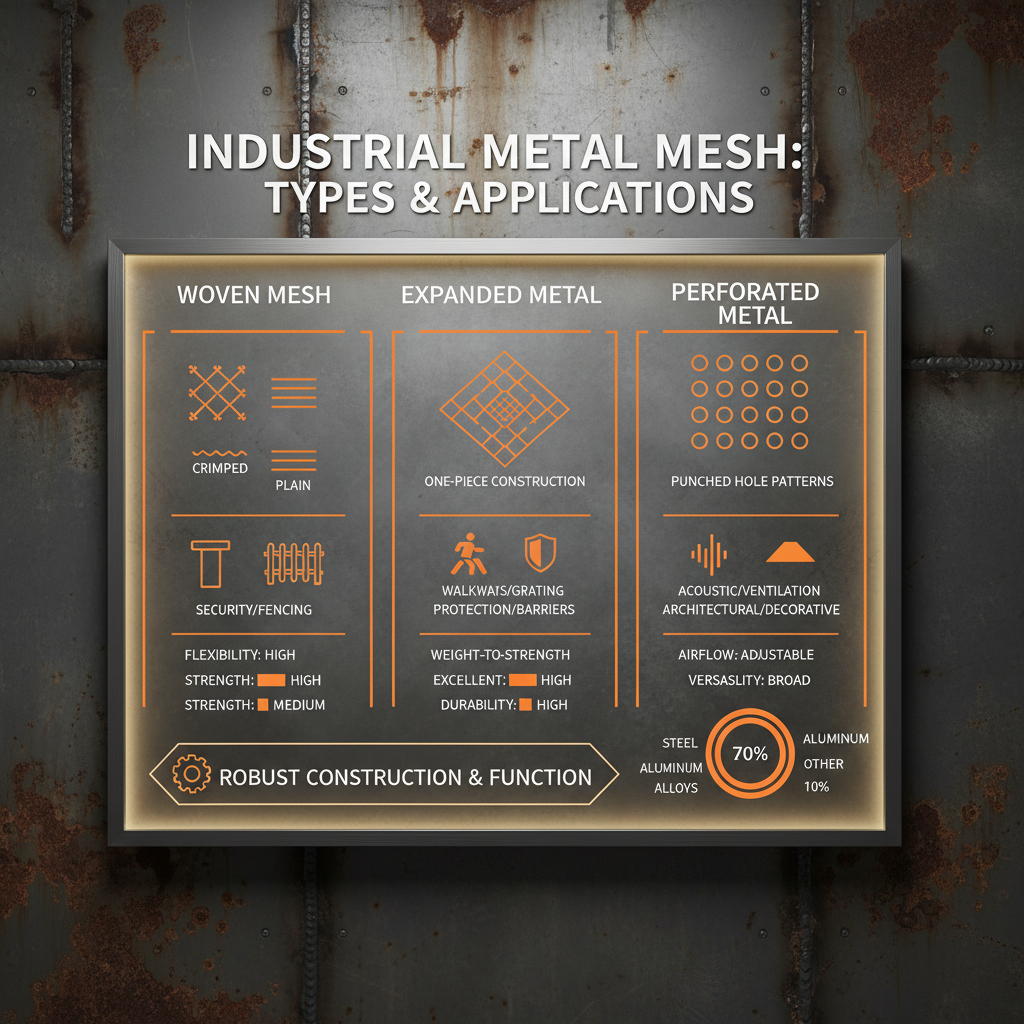
The fundamental principle behind metal mesh types lies in the interlacing of wires or ribbons to create a structured network. The specific arrangement – whether woven, welded, expanded, or knitted – significantly affects the mesh’s properties. Different weaving patterns, for example, create varying degrees of openness (aperture size), influencing filtration capabilities and air permeability.
Understanding the relationship between material selection and weaving pattern is critical. Stainless steel offers exceptional corrosion resistance, making it ideal for marine applications, while aluminum provides a lightweight solution for aerospace or architectural uses. The choice directly impacts the mesh’s longevity, strength, and suitability for a given environment. metal mesh types are a crucial factor in many industries.
The Global Landscape of metal mesh types
The metal mesh types market is a global industry, with significant production concentrated in Asia, particularly China, India, and South Korea. These countries benefit from lower labor costs and established manufacturing infrastructure. Demand, however, is distributed more evenly, with North America and Europe representing substantial consumer markets. The United Nations reports a consistent increase in demand for construction materials globally, directly driving the need for reinforcing and protective mesh.
Recent data from the World Bank indicates a growing emphasis on infrastructure development in emerging economies, further fueling the demand for metal mesh types in construction and transportation projects. Stringent environmental regulations in developed nations are also promoting the use of filtration meshes for pollution control and water treatment, adding another layer to the market's complexity. The ISO standards on material testing are essential in maintaining quality control across different regions.
A key challenge in the global landscape is the issue of counterfeit or substandard materials. This underscores the importance of sourcing from reputable suppliers and verifying product certifications to ensure reliability and performance. Fluctuations in raw material prices, particularly steel and aluminum, also impact the market's stability.
Defining metal mesh types: A Comprehensive Overview
Metal mesh types, at their core, are interconnected networks formed by the assembly of metallic materials – wires, rods, or ribbons. These networks exhibit a range of properties dictated by the material used, the manufacturing process, and the geometric configuration. Essentially, a metal mesh is a semi-rigid material capable of providing support, filtration, security, or aesthetic enhancement.
The connection to modern industry is profound. Metal meshes are critical components in everything from automotive air filters and food processing screens to architectural facades and protective fencing. In humanitarian contexts, they provide shelter, mosquito protection, and water purification solutions, addressing basic human needs. The widespread applicability underscores their inherent value.
Modern manufacturing techniques enable the production of highly customized metal meshes, tailored to specific performance requirements. This versatility allows engineers to solve complex challenges across various disciplines, demonstrating the enduring relevance of this foundational technology.
Key Characteristics of Effective metal mesh types
Durability is a cornerstone characteristic, particularly for applications exposed to harsh environments. Metal meshes fabricated from corrosion-resistant materials like stainless steel or coated carbon steel offer long-term reliability, reducing maintenance costs and extending service life. Scalability refers to the ability to manufacture meshes in a wide range of sizes and configurations, catering to diverse project requirements.
Cost-efficiency is another crucial factor. While high-performance materials can be more expensive, the longevity and reduced maintenance associated with them often result in lower total cost of ownership. Flexibility, or the mesh’s ability to conform to complex shapes, is vital in architectural and aerospace applications. Finally, permeability—the degree to which fluids or gases can pass through the mesh—is a key consideration in filtration and ventilation systems.
Metal Mesh Types Performance Comparison
Applications of metal mesh types Across Industries
In the construction industry, metal mesh types function as reinforcing components in concrete, enhancing structural integrity and preventing cracking. They’re also utilized in facade systems, providing both aesthetic appeal and protection from the elements. The agricultural sector benefits from mesh used in fencing to contain livestock, protect crops from pests, and provide support for climbing plants.
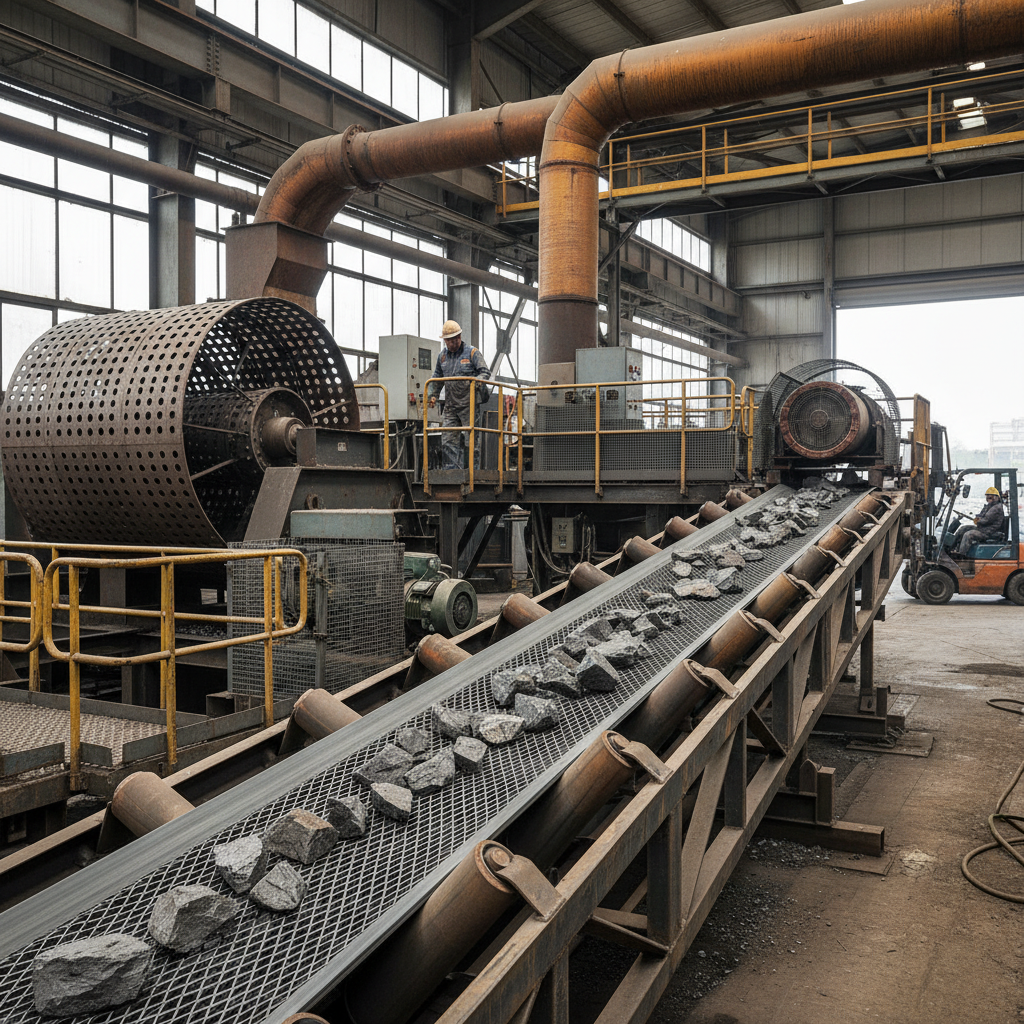
Filtration is another major application area. Metal meshes are integral to air and liquid filtration systems, removing particulates and ensuring purity. The automotive industry relies on metal mesh for catalytic converters and air intake filters. The security sector utilizes metal mesh in fencing, cages, and protective barriers to deter intrusion and safeguard assets.
Advantages and Long-Term Value of metal mesh types
The tangible benefits of metal mesh types are numerous. Reduced lifecycle costs through durability and minimal maintenance, enhanced safety due to their strength and protective properties, and improved operational efficiency in filtration and screening processes are all key advantages. The use of recyclable materials contributes to sustainability goals, reducing environmental impact.
The long-term value extends beyond mere functionality. Metal meshes contribute to peace of mind through reliable performance, enhance a brand's reputation through quality and innovation, and foster trust with stakeholders through consistent adherence to safety standards. Their adaptability allows for customized solutions that meet evolving needs, ensuring continued relevance and value.
Emerging Trends and Future Innovations in metal mesh types
Several exciting trends are shaping the future of metal mesh types. The development of self-healing meshes, capable of repairing minor damage, is gaining traction. Integration with smart sensors, creating “intelligent meshes” that monitor stress, corrosion, or environmental conditions, is a rapidly evolving field. 3D-printed metal meshes offer unprecedented design flexibility and customization possibilities.
The push for sustainable materials is driving research into bio-based metal alloys and recycled content. Advances in nanotechnology are enabling the creation of meshes with enhanced filtration capabilities and unique surface properties. These innovations align with broader trends towards digitalization, automation, and the circular economy.
Summary of Key Challenges and Potential Solutions for Metal Mesh Types
| Challenge |
Impact Area |
Potential Solution |
Implementation Difficulty (1-10) |
| Corrosion in harsh environments |
Longevity & Cost |
Use of advanced alloys (e.g., Duplex stainless steel) or protective coatings. |
6 |
| Material cost fluctuations |
Project Budget |
Long-term contracts with suppliers, exploring alternative materials. |
7 |
| Substandard material quality |
Safety & Performance |
Rigorous quality control testing, sourcing from certified suppliers. |
4 |
| Limited design flexibility |
Application specific needs |
Adopting 3D printing technologies for customized mesh structures. |
8 |
| Environmental impact of production |
Sustainability |
Utilizing recycled materials, reducing energy consumption in manufacturing. |
5 |
| Complex installation procedures |
Project Timeline & Cost |
Developing modular mesh systems for simplified installation. |
6 |
FAQS
The most common materials include stainless steel – prized for its corrosion resistance – carbon steel, offering high strength and affordability, aluminum, valued for its lightweight properties, and various alloys. Material selection is dictated by the specific application and performance requirements. Considerations include strength, durability, temperature resistance, and cost. We often help clients navigate these choices to find the optimal material for their project, ensuring lasting performance and value. metal mesh types are often available in different material options.
The weaving pattern fundamentally alters the mesh’s properties. Plain weave offers stability and uniform strength, while twill weave provides increased flexibility. Dutch weave features tightly packed wires in one direction and more spaced wires in the other, ideal for filtration. Each pattern dictates the aperture size, permeability, and overall strength. Choosing the appropriate weave is crucial for achieving the desired performance characteristics. It directly relates to application, such as filtering, support, or security.
Woven metal mesh is created by interlacing wires, resulting in a flexible and precise structure. Welded metal mesh, on the other hand, involves joining wires at their intersection points through welding. This creates a more rigid and durable mesh, often preferred for applications requiring high strength and dimensional stability. Woven mesh generally offers better filtration characteristics, while welded mesh excels in structural support. The choice depends on the specific load requirements and application.
The correct mesh size depends on the size of the particles or objects you need to contain, filter, or screen. If filtering liquids, the mesh size should be smaller than the particle size you want to remove. For structural support, consider the load-bearing requirements and select a mesh size that provides adequate strength. A good rule of thumb is to test different mesh sizes to determine the optimal performance for your specific application. Consider the long-term effects of clogging and maintenance.
Absolutely! Customization is a key strength of metal mesh manufacturing. We can tailor mesh to specific dimensions, materials, weaving patterns, and finishes. This includes creating meshes with unique aperture sizes, edge treatments, and surface coatings. Whether you need a specialized mesh for aerospace, medical, or architectural applications, we can work with you to develop a solution that meets your exact requirements. Our engineering team offers design and prototyping services.
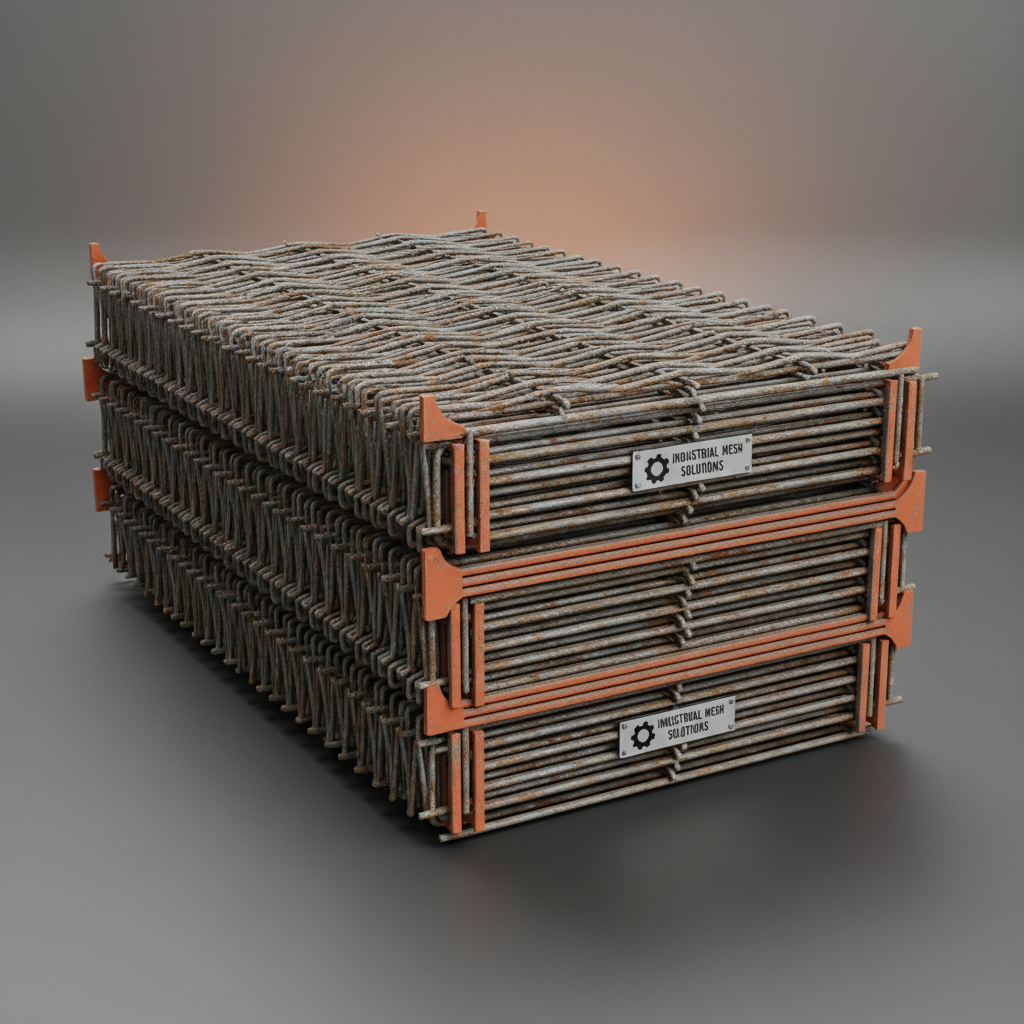
Proper storage and handling are crucial for preventing damage and maintaining the mesh’s integrity. Store mesh in a dry, well-ventilated area to prevent corrosion. Avoid stacking heavy objects on top of the mesh, as this can cause deformation. When handling, wear gloves to prevent contamination from oils and dirt. For larger rolls, use appropriate lifting equipment to avoid injury. Following these guidelines will ensure the mesh remains in optimal condition for use.
Conclusion
Metal mesh types are far more than simple materials; they’re foundational components underpinning countless industries and essential applications. Their versatility, durability, and adaptability make them invaluable for everything from construction and filtration to security and humanitarian aid. The ongoing advancements in materials science and manufacturing techniques continue to expand their capabilities and unlock new possibilities.
Looking ahead, the integration of smart technologies and the pursuit of sustainable materials will drive further innovation in the metal mesh sector. By embracing these trends and focusing on quality, customization, and responsible manufacturing practices, we can harness the full potential of metal mesh types to address global challenges and build a more resilient future. For all your metal mesh needs, visit our website: www.jinzehongwiremesh.com