Gabion wire for sale represents a crucial component in modern infrastructure and environmental engineering. Globally, the demand for robust and cost-effective retaining structures, erosion control solutions, and aesthetic landscaping elements has fueled significant growth in the gabion market. This surge is driven by factors such as increasing urbanization, rising construction activities, and a growing awareness of sustainable construction practices. Understanding the nuances of gabion wire – its composition, manufacturing processes, and applications – is essential for engineers, contractors, and project managers seeking durable and versatile solutions.
The global gabion market is estimated to reach substantial figures in the coming years, with regions like Asia-Pacific and North America exhibiting particularly strong growth trajectories, according to reports from industry analysts like Market Research Future and Allied Market Research. This expansion is directly linked to infrastructure development initiatives in emerging economies and the increasing adoption of green infrastructure solutions in developed countries. The ability to source high-quality gabion wire for sale is paramount for successful project outcomes, impacting both structural integrity and long-term performance.
Facing challenges like land scarcity and environmental degradation, many nations are turning to gabion structures for effective and eco-friendly solutions. Gabion wire's inherent flexibility, permeability, and aesthetic appeal make it a preferred choice for a wide range of applications, from riverbank protection to architectural facades. This demand necessitates a reliable supply chain and consistent quality control – aspects that distinguish leading suppliers of gabion wire for sale.
The Importance of Gabion Wire for Sale
Sourcing the right gabion wire for sale is paramount to the success of any construction project involving gabion baskets. The quality of the wire directly impacts the structural integrity, longevity, and overall performance of the finished structure. Low-quality wire is susceptible to corrosion, leading to premature failure and potentially costly repairs.
Effective gabion construction demands a reliable supplier offering wire that meets stringent industry standards. This includes considerations such as wire gauge, coating type (galvanized, PVC coated, or Galfan), tensile strength, and mesh size. Choosing a reputable vendor ensures that the gabion wire for sale you receive is durable, resilient, and suited to the specific environmental conditions of the project site.
Defining Gabion Wire for Sale
Gabion wire for sale refers specifically to the woven or welded wire mesh used to create gabion baskets – the fundamental building blocks of gabion structures. These baskets are typically filled with rocks, stones, or other locally sourced materials to create robust, permeable, and gravity-retaining structures. The wire itself is usually made of steel and is protected against corrosion through galvanization, PVC coating, or a zinc-aluminum alloy coating (Galfan).
In essence, gabion wire isn't merely a containment material; it's an integral structural component. The wire's strength and flexibility allow the gabion structure to conform to ground movements and distribute loads effectively. The process of sourcing gabion wire for sale must involve a thorough understanding of these properties and their application in various engineering scenarios.
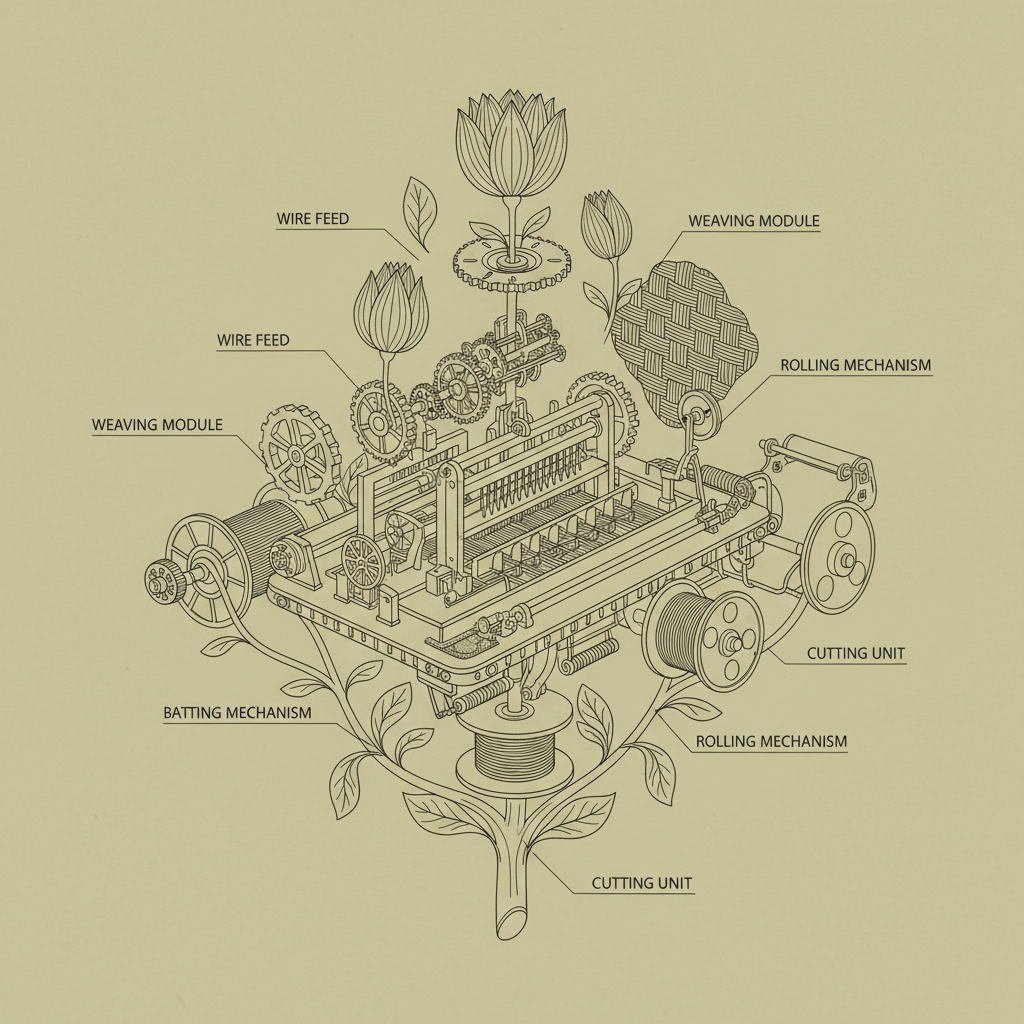
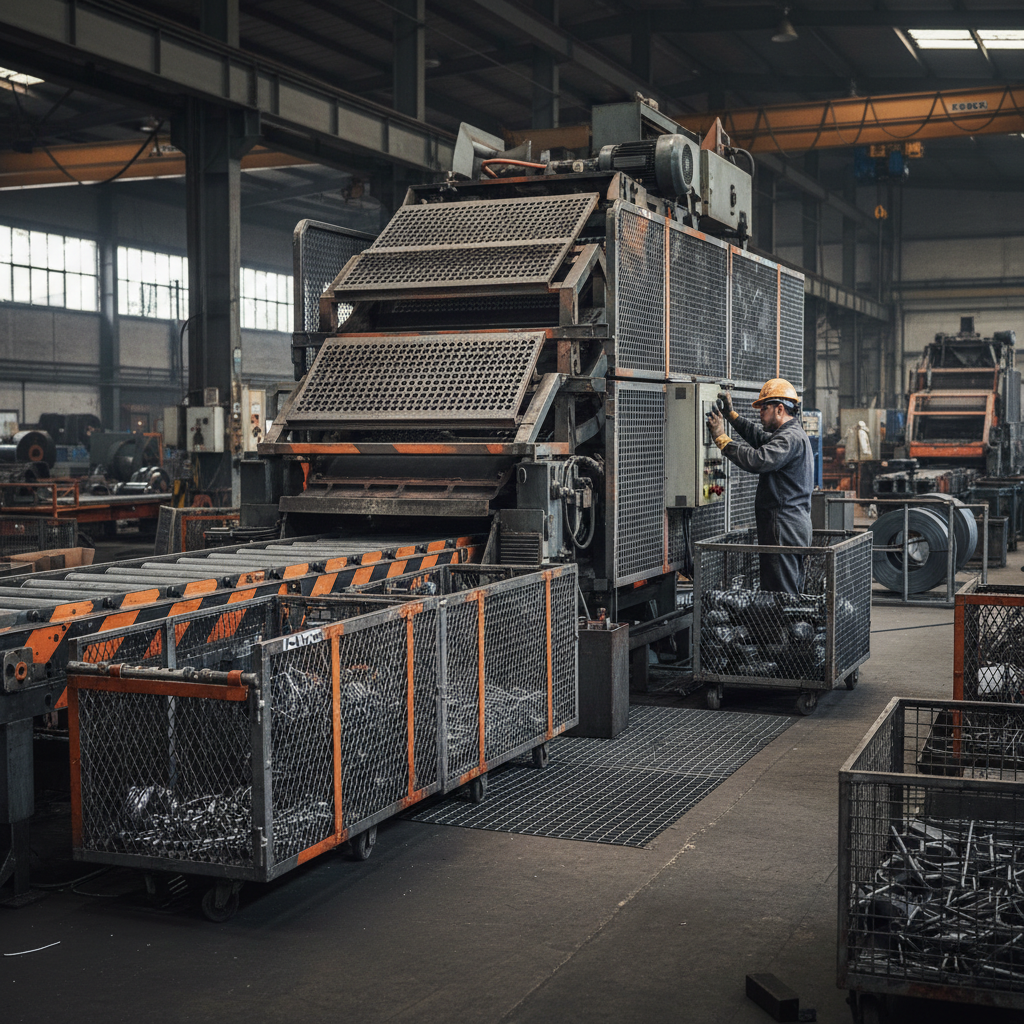
Modern gabion wire manufacturing utilizes advanced techniques to ensure consistent quality and precise dimensions. This allows for ease of installation and optimized structural performance, making gabion structures a versatile and cost-effective solution for a diverse range of applications.
Core Characteristics of Gabion Wire
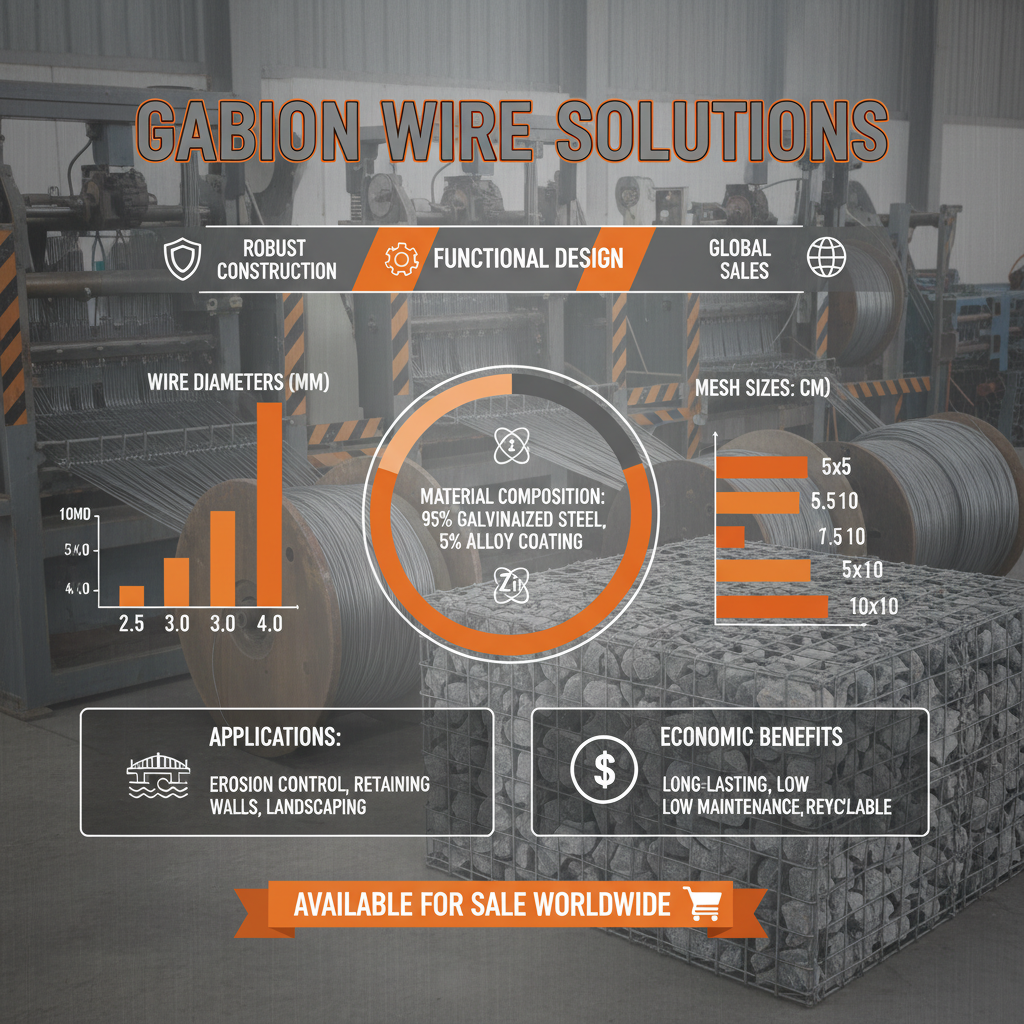
The core characteristics of gabion wire directly influence its performance and suitability for various applications. Durability is paramount, and this is largely determined by the type of coating applied to the steel wire. Galvanization provides a sacrificial layer of zinc, protecting the steel from corrosion. PVC coating offers an additional layer of protection and can also provide aesthetic benefits. Galfan, a zinc-aluminum alloy coating, provides superior corrosion resistance compared to traditional galvanization.
Tensile strength is another critical factor. The wire must be strong enough to withstand the stresses imposed by the weight of the fill material and external forces such as water pressure and seismic activity. Mesh size – the openings in the wire mesh – also plays a crucial role, influencing the permeability of the structure and the size of the rocks or stones that can be used as fill. Choosing the appropriate mesh size is key to ensuring both stability and drainage.
Finally, the flexibility of the wire is essential. Gabion structures are designed to be adaptable to ground movements and settlement. Rigid wire would be prone to cracking and failure, whereas flexible wire can accommodate these movements without compromising structural integrity. This inherent flexibility makes gabion wire for sale an excellent choice for unstable ground conditions.
Practical Applications & Performance Metrics
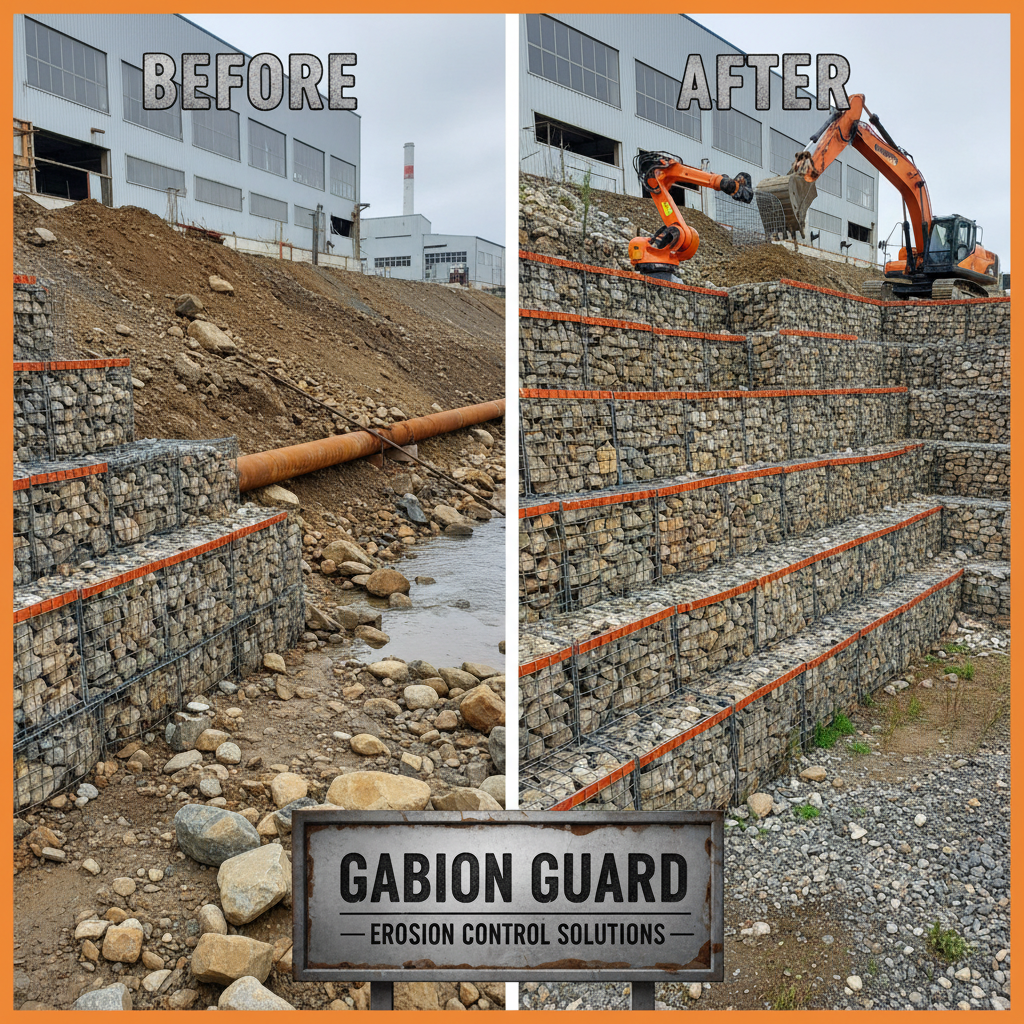
Gabion wire finds application in diverse fields, showcasing its versatility. Retaining walls are a common use, effectively holding back soil and preventing erosion on slopes. Riverbank protection utilizes gabion structures to stabilize riverbanks and prevent scouring. Architectural features, such as facades and landscaping elements, employ gabions for aesthetic appeal and structural support. Furthermore, gabions are used for noise barriers, security barriers, and even temporary flood defenses.
Performance metrics for gabion structures include factors like permeability, which influences drainage and hydrostatic pressure buildup; settlement resistance, measuring the structure’s ability to withstand ground movement; and tensile strength, indicating the wire's resistance to failure. Long-term monitoring of these metrics is essential to ensure the continued integrity of the structure and identify any potential issues.
Performance Metrics for Different Gabion Wire Types
Global Applications of Gabion Structures
Gabion structures are utilized worldwide in a remarkably diverse range of applications. In Europe, they are commonly used for riverbank stabilization and slope reinforcement, particularly in mountainous regions prone to landslides. North America sees widespread use in retaining walls, erosion control, and architectural landscaping. Asia-Pacific, with its rapidly developing infrastructure, is a major consumer of gabion wire for sale for projects ranging from road construction to flood control.
In post-disaster relief operations, gabions offer a rapid and effective solution for stabilizing damaged infrastructure and controlling debris flows. Their inherent permeability helps to mitigate the risk of flooding, while their flexibility allows them to withstand seismic activity. Organizations such as the United Nations and various NGOs frequently utilize gabion structures in emergency response efforts.
Furthermore, the sustainable nature of gabions – utilizing locally sourced fill material and requiring minimal specialized equipment for installation – makes them particularly well-suited for use in remote or developing regions. This accessibility contributes to their increasing popularity as a cost-effective and environmentally friendly construction solution.
Advantages of Investing in Gabion Wire
Investing in quality gabion wire delivers a multitude of benefits. Cost-effectiveness is a major draw, as gabions often require less excavation and foundation work compared to traditional retaining walls. Sustainability is another significant advantage – gabions utilize locally sourced materials, reducing transportation costs and environmental impact. The permeable nature of gabion structures allows for natural drainage, preventing hydrostatic pressure buildup and enhancing stability.
Long-term durability and low maintenance requirements further contribute to the overall value proposition. Properly constructed gabion structures can last for decades with minimal upkeep, reducing life-cycle costs. The aesthetic appeal of gabions, allowing for natural integration with the surrounding landscape, is also a key consideration for many projects.
Future Trends in Gabion Technology
The future of gabion technology is focused on innovation and sustainability. Research is underway to develop more durable and corrosion-resistant wire coatings, including advanced polymers and composite materials. The integration of geotextiles within gabion structures is gaining traction, enhancing filtration and preventing soil erosion. Digital modeling and design tools are being used to optimize gabion designs and predict performance more accurately.
Automation in gabion basket manufacturing is increasing efficiency and reducing production costs. Furthermore, there is a growing trend towards using recycled materials as fill for gabion structures, promoting circular economy principles. These advancements will continue to solidify gabions as a leading solution for sustainable infrastructure and environmental engineering.
The rise of Building Information Modeling (BIM) is also influencing gabion design, allowing for seamless integration of gabion structures into larger construction projects and improved collaboration between stakeholders.
FAQS
A properly constructed gabion structure using high-quality gabion wire for sale can easily last 50-100 years, even in harsh environmental conditions. The lifespan depends on factors like wire coating type, fill material quality, and proper drainage. Regular inspections are recommended to identify and address any potential issues.
Locally sourced, durable stone is typically the best fill material. The stone should be angular and well-graded to maximize interlock and stability. Avoid using materials that are prone to degradation or contain organic matter. The ideal stone size will depend on the mesh size of the gabion wire.
PVC coating provides an extra layer of corrosion protection beyond galvanization, extending the lifespan of the wire, especially in aggressive environments like saltwater or acidic soil. It also offers aesthetic benefits, as the PVC coating can be colored. However, PVC can be susceptible to UV degradation over time.
Galvanization uses a coating of zinc to protect the steel. Galfan uses a zinc-aluminum alloy, providing significantly enhanced corrosion resistance. Galfan-coated wire typically lasts much longer than galvanized wire, especially in challenging environments. Choosing Galfan is often a wise investment for long-term durability.
Yes, gabion structures are particularly well-suited for seismic zones due to their flexibility and ability to accommodate ground movement. The wire mesh allows the structure to deform without collapsing, dissipating seismic energy. Proper design and construction are crucial to ensure adequate seismic resistance.
Using a high-quality coating like Galfan or PVC, ensuring proper drainage within the gabion basket, and avoiding contact with corrosive materials are the best ways to prevent corrosion. Regular inspections and timely repairs can also extend the lifespan of the gabion wire and the overall structure.
Conclusion
In conclusion, gabion wire for sale represents a cornerstone of modern engineering, offering a sustainable, cost-effective, and versatile solution for a wide array of applications. From erosion control and retaining walls to architectural features and disaster relief, its adaptability and durability make it an invaluable asset in various sectors. Understanding the core characteristics of gabion wire – its coating, tensile strength, and flexibility – is paramount to ensuring project success and long-term structural integrity.
Looking ahead, continued innovation in materials, design, and construction techniques will further enhance the performance and sustainability of gabion structures. Embracing advancements in automation and digital modeling will optimize efficiency and reduce costs. As global infrastructure demands continue to grow, the role of gabion wire for sale in building a more resilient and sustainable future will only become more significant.