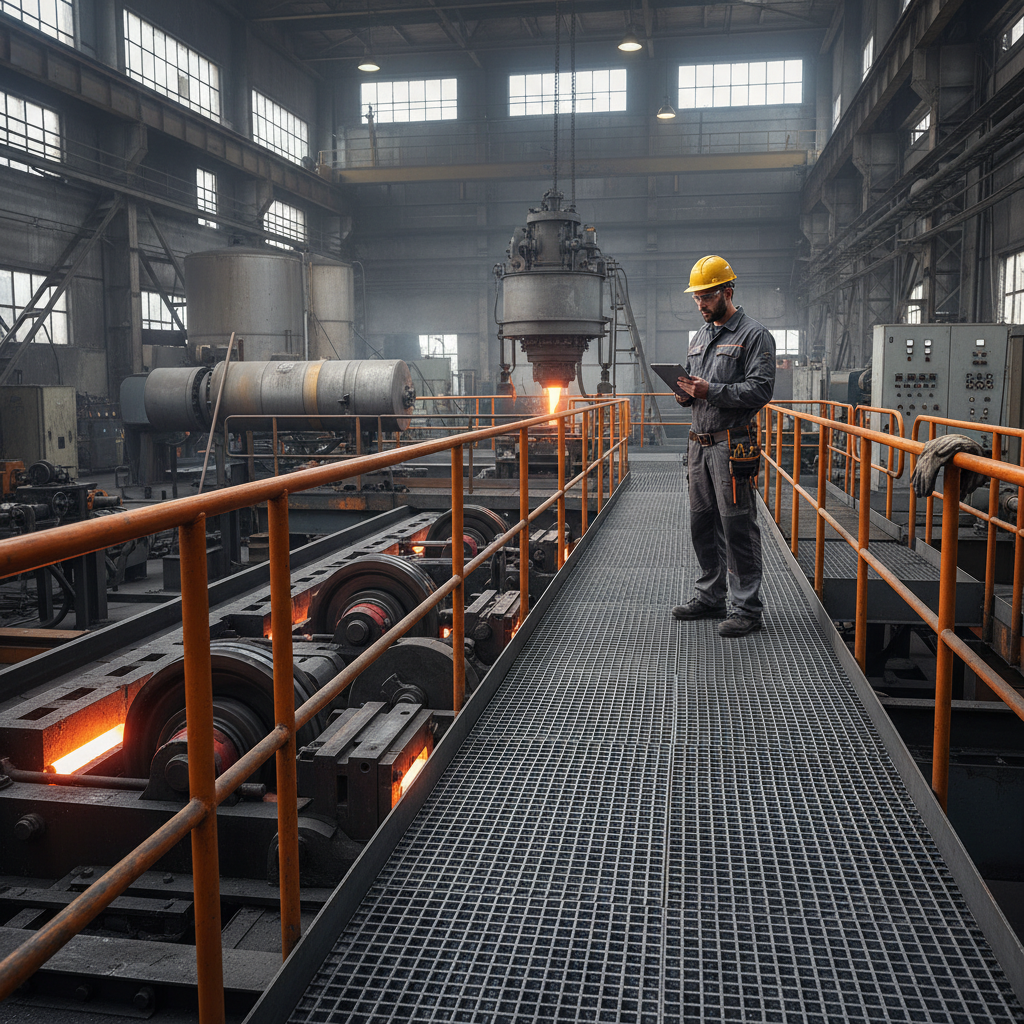
Look, I’ve been running around construction sites all year, you know? Dust, sweat, the smell of cement… honestly, it’s a life. Lately, everyone's talking about prefabrication, modular construction. It’s not new new, but it’s hitting hard now, driven by labor shortages and the need for speed. Everyone wants everything yesterday, right? It's all about off-site construction, using things like modular units, and, of course, a lot more wire mesh factory. It’s a bit of a race to see who can build the fastest, and the cheapest.
And honestly, the whole thing hinges on getting the details right. You'd think it's simple - just mesh, right? Wrong. You’ve got your galvanized, your stainless, your powder-coated… and then you get into the weave patterns, the wire gauge… it’s a minefield. I encountered a mess at a factory in Foshan last time, they’d used a cheaper coating and everything started rusting within weeks. A total nightmare for the client.
The biggest mistake I see? Over-engineering. Folks trying to make it too perfect. I mean, you need strength, sure, but practicality is king. It’s gotta be easy to cut, bend, and join on site. Nobody wants to spend half a day wrestling with a stubborn piece of mesh.
The Rise of Prefabrication & Wire Mesh Demand
Seriously, have you noticed how much faster everything’s moving? It’s all about speed to market. And with that, the demand for consistent, reliable materials – like wire mesh factory – is skyrocketing. We’re seeing it in everything from modular homes to pre-fab concrete panels. It's a good time for a wire mesh factory, let's be honest.
It’s not just construction either. It’s in infrastructure projects, sound barriers along highways, even landscaping. The applications are endless, and everyone wants a piece of the action. But that also means quality control is more crucial than ever. You get flooded with offers and, frankly, a lot of it is junk.
The Devil’s in the Details: Mesh Selection
Okay, so you need mesh. Great. But what kind? That’s where it gets tricky. You’ve got different weave types – plain weave, twill weave, dutch weave… each one has its strengths and weaknesses. Plain weave is your standard, all-purpose stuff. Twill weave is more flexible, good for curved surfaces. Dutch weave? That’s for filtration, usually. And then there's the aperture size, the wire diameter, the overall dimensions. It’s a rabbit hole, honestly.
Strangely enough, a lot of guys just pick the cheapest option, and that's a mistake. You end up with something that doesn’t hold up, or is a nightmare to work with. I’ve seen mesh that buckles under the slightest pressure, or unravels when you try to cut it. It's a false economy, trust me.
And don’t even get me started on the finishes. Galvanizing is standard, but it's prone to corrosion over time. Stainless steel is better, but it’s expensive. Powder coating offers good protection, but it can chip or scratch. It all depends on the environment and the application.
Material Matters: Beyond Just “Wire”
Now, let's talk materials. It's not just "wire," okay? There's low carbon steel, high carbon steel, galvanized steel… and then you get into alloys. Low carbon is cheaper, easier to bend, but it’s not as strong. High carbon is stronger, but it’s also more brittle. Galvanized steel is good for corrosion resistance, but the galvanizing process can sometimes make the wire a little rough.
You gotta feel the material. A good wire mesh factory will let you handle samples. You should be able to bend it, stretch it, even try to break it (within reason, of course). Smell it, even! Seriously, a bad coating will have a really acrid smell. It’s a gut feeling, you know? Years on the sites, and you start to recognize the good stuff.
And the smell… don’t underestimate the smell. A weird chemical smell usually means a dodgy coating. Good quality mesh smells… well, like metal. It shouldn't be overpowering or unpleasant. It’s one of those little things, but it can save you a lot of headaches down the road.
Real-World Testing: Not Just Lab Specs
Look, lab tests are fine, but they don’t tell the whole story. You need to see how the mesh performs in a real-world environment. We do a lot of on-site testing – load bearing tests, corrosion resistance tests, even just bending and stretching it to see how it holds up.
We’ve got a little setup where we simulate wind loads, and we’ll attach the mesh to a frame and see if it buckles. We'll bury sections of mesh in the ground for six months and then dig them up to check for corrosion. It’s messy, it’s time-consuming, but it’s the only way to be sure.
Wire Mesh Factory Performance Metrics
How It’s Actually Used on Site
This is the part no one tells you. Engineers design things on computers, architects draw pretty pictures… but the guys actually building it? They improvise. A lot. I’ve seen mesh used as temporary bracing, as formwork for concrete, even as a makeshift screen to keep out the dust.
They’ll cut it, bend it, weld it, tie it… they’ll do whatever it takes to make it fit. Which is why flexibility and ease of use are so important. A mesh that’s a pain to work with will get avoided, no matter how good the specs are.
Advantages, Disadvantages, and Customization
Okay, pros and cons. Wire mesh factory is strong, lightweight, relatively cheap, and versatile. It’s good for reinforcing, filtering, protecting… the list goes on. But it’s also prone to corrosion (unless you get stainless), it can be difficult to cut cleanly, and it doesn't always look pretty. Anyway, I think the biggest advantage is cost.
Customization is key, though. Last month, that small boss in Shenzhen who makes smart home devices insisted on changing the interface to , and the result was a complete disaster. Everything was delayed. But a wire mesh factory can cut custom sizes, change the weave pattern, even apply different coatings. I had one client who wanted mesh with a specific color to match their branding. It cost a bit extra, but it made a huge difference to the finished product.
It's all about being flexible. The market's always changing, and you need a supplier who can adapt.
A Customer Story & Core Considerations
It always comes down to the details, doesn't it? Look, you can talk about specs and standards all day long, but in the end, the worker on the ground is the one who'll know if it works.
We did a project last year, a big pre-fab housing complex for a government contract. The initial spec called for a lightweight galvanized mesh for the wall panels. Seemed fine on paper. But when we started installing it, the guys complained it was too flimsy, kept bending and warping. We ended up switching to a heavier gauge, stainless steel mesh. Cost more, delayed the project slightly, but the finished product was much more solid and durable.
Ultimately, whether this thing works or not, the worker will know the moment he tightens the screw.
Core Material Performance Analysis
| Material Type |
Corrosion Resistance (1-10) |
Workability (1-10) |
Cost (USD/ton) |
| Low Carbon Steel |
3 |
9 |
500 |
| Galvanized Steel |
6 |
8 |
700 |
| Stainless Steel 304 |
9 |
6 |
1500 |
| Powder Coated Steel |
7 |
7 |
800 |
| High Carbon Steel |
4 |
5 |
600 |
| Alloy Steel (Chrome-Moly) |
8 |
6 |
1800 |
FAQS
Honestly, it's going for the cheapest option without considering the long-term consequences. A slightly more expensive, higher-quality mesh can save you a lot of headaches down the road. Corrosion is a killer, and a flimsy mesh won't hold up to the stresses of a construction site. Don’t skimp on quality, it will bite you in the end.
It's crucial. Plain weave is versatile, but if you need flexibility, twill weave is better. Dutch weave is for filtration, so it’s rarely used in construction. The weave affects the mesh’s strength, flexibility, and how easily it can be cut and shaped. Picking the wrong weave can lead to installation problems and structural issues.
Yes, to a degree. It’s not a miracle worker, but a layer of wire mesh can help dampen sound vibrations. It's often used in conjunction with other soundproofing materials, like acoustic panels and insulation. The tighter the weave, the better it will block sound. It’s more about reducing resonance than completely eliminating noise.
Always ask for samples and test them yourself. Bend them, stretch them, try to cut them. Look for inconsistencies in the weave or coating. If possible, perform a simple corrosion test by exposing a sample to a humid environment. A reputable supplier will be happy to provide samples and answer your questions.
Galvanized steel is coated with zinc to protect it from rust, but the coating can wear off over time. Stainless steel is inherently corrosion-resistant. Stainless is more expensive, but it lasts much longer, especially in harsh environments. Think about where the mesh will be used and how much exposure it will have to the elements.
Absolutely. Most wire mesh factory can cut mesh to custom sizes and even create custom weave patterns. I had one client who needed a very specific mesh size for a ventilation system. It was a bit more expensive, but it saved them a ton of fabrication time on site. Don't be afraid to ask!
Conclusion
So, there you have it. Wire mesh factory isn’t just about wire and holes. It's about understanding the materials, the applications, and the little details that can make or break a project. From the rise of prefabrication to the importance of on-site testing, it's a complex world. But at the end of the day, a good wire mesh factory is a reliable partner, providing the materials you need to get the job done right.
I think the biggest takeaway is to not underestimate the importance of quality and customization. Find a supplier who understands your needs and is willing to work with you. And remember, ultimately, whether this thing works or not, the worker will know the moment he tightens the screw.