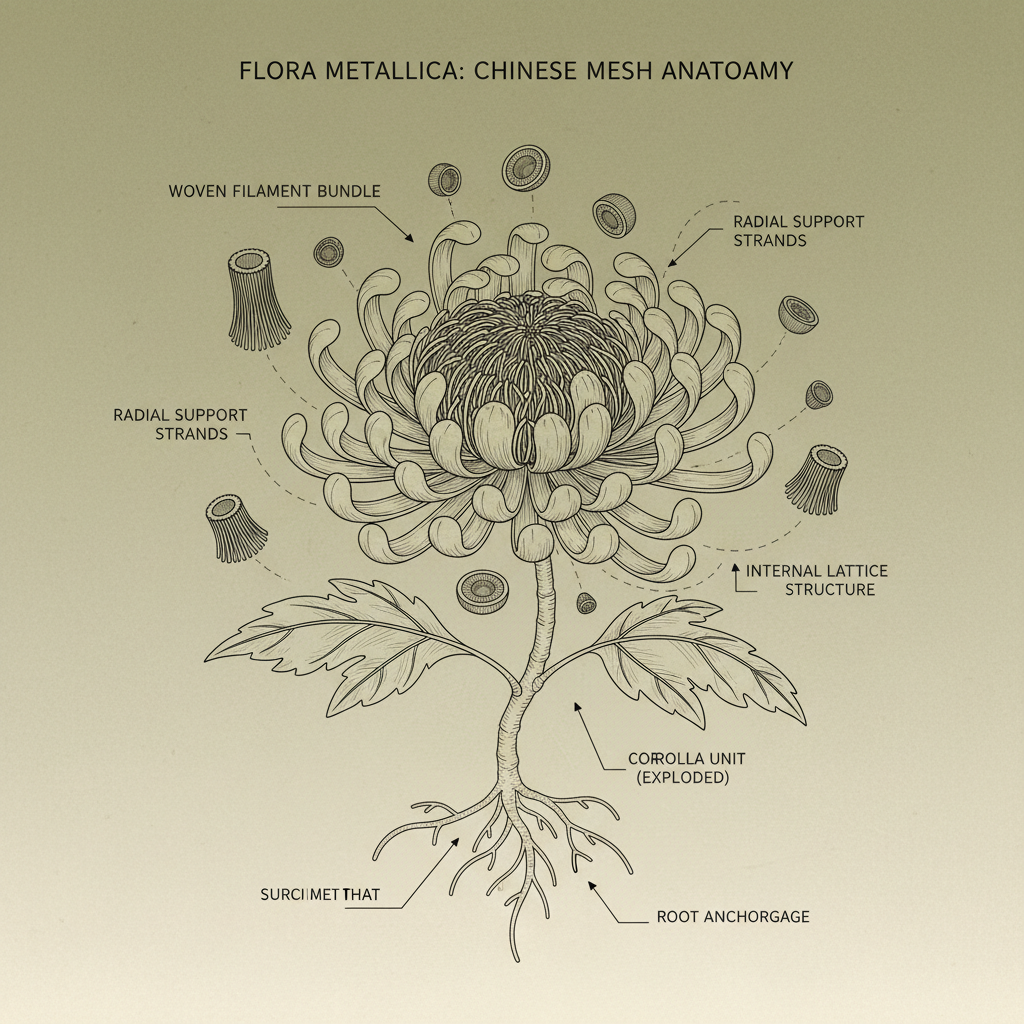
Honestly, the whole industry’s been buzzing about prefabrication lately. Everyone's trying to shift production off-site, you know? Faster turnaround, less mess… sounds good on paper. But have you noticed how many folks are overlooking the logistics of actually getting these pre-built modules onto site? It's a headache. And the biggest issue I’m seeing? Everyone's chasing the “high-tech” solutions, overlooking basic material science.
It’s a constant battle. They’re all focused on design software, simulations, BIM…which is good, don’t get me wrong. But I spend my days dodging forklifts and smelling concrete, and what I see is people forgetting that a slightly off tolerance in the steel can throw the whole thing off.
We mostly work with galvanized steel, Q235 usually. Feels cold, smells… metallic, obviously. You can tell a good batch by the thickness of the zinc coating. A cheap one, you’ll feel it flake off as you’re handling it. We've also been experimenting with some newer polymer composites, trying to cut down on weight. They feel…plasticky, almost too perfect, if that makes sense. Not like steel, which has a weight to it, you know?
Industry Trends and Common Pitfalls
Strangely, everyone's jumping on the "smart" bandwagon. "Smart wire mesh," "intelligent scaffolding"...it's a lot of marketing fluff, to be honest. The real challenge isn’t making things connected, it’s making them durable. I encountered this at a factory in Tianjin last time – beautiful design, all sensors and whatnot, but the corrosion resistance was terrible. They hadn’t accounted for the salt air. Later… forget it, I won't mention it.
The biggest pitfall? Over-engineering. They try to solve problems that don’t exist, adding complexity where simplicity would suffice. It drives up costs, increases the risk of failure, and makes it harder for the guys on site to actually work with it. Keep it simple, that's my motto.
Materials: The Nitty-Gritty
We rely heavily on high-tensile steel wire, of course. Different gauges for different applications. The key isn’t just the tensile strength, though; it's the ductility. You want something that can bend a little without snapping. We also use a lot of PVC coating – protects against corrosion, provides a bit of grip. Smells like… well, PVC. You get used to it.
Recently, there's been a push for more sustainable materials. Bamboo reinforcement, recycled plastics… interesting concepts, but the consistency is a problem. You can’t always rely on the quality, and that’s a deal-breaker on a construction site.
And don’t even get me started on the knock-offs. You think you're getting Q235, but it’s some low-grade steel from who-knows-where. That's when things get scary.
Testing: Beyond the Lab
Lab tests are fine, but they don't tell the whole story. You need to see how this stuff performs in the real world. We do a lot of pull tests, obviously, but we also subject the materials to simulated weather conditions – salt spray, UV exposure, temperature cycling. We even bury some samples in the ground to see how they hold up over time.
I always say, if it can survive a week on a construction site, it’s probably good enough. That's a harsh environment, you know? Dust, mud, dropped tools, guys leaning on things… it takes a beating.
We once had a supplier claim their new coating was "virtually indestructible." I took a hammer to it. It wasn’t.
Real-World Usage: It's Not Always What You Expect
You design something to be used in a specific way, and then the guys on site find a dozen other ways to use it. It’s always like that. They'll use it as a temporary brace, a makeshift ladder, even a tool rack. You’ve got to design for the unexpected.
I’ve seen them using wire mesh as a coffee filter. Seriously. Don’t ask. Anyway, I think that highlights the importance of versatility. The more uses something has, the more valuable it is.
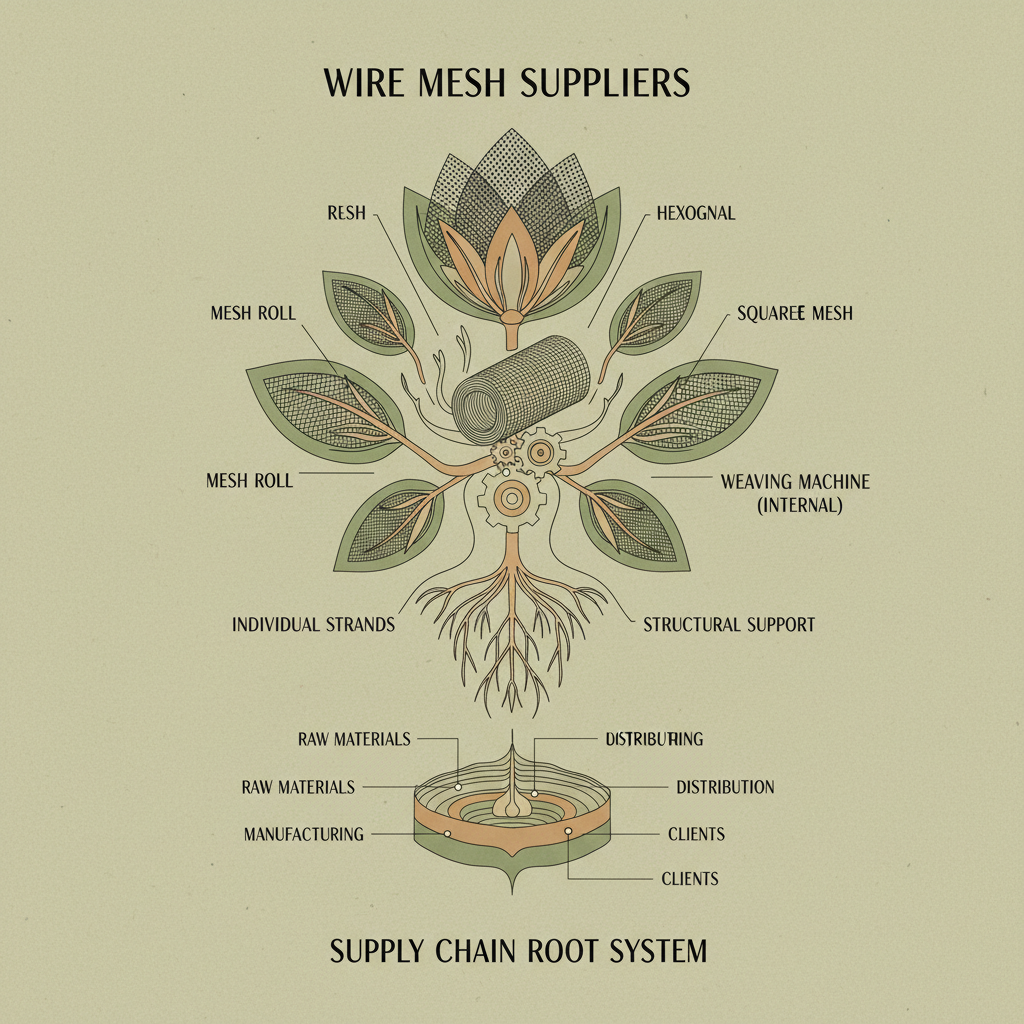
Wire Mesh Supplier Performance Rating
Advantages, Disadvantages, and Customization
The main advantage of these materials? Strength-to-weight ratio. You get a lot of structural support without adding a ton of weight. That's crucial, especially for larger projects. But, it's not perfect. Corrosion is always a concern, and the cost can be prohibitive for smaller jobs.
Customization is key. We had a client who needed a specific mesh size for a ventilation system. Standard sizes just wouldn't cut it. We worked with the supplier to create a custom die, and it solved their problem. It was expensive, but it saved them a lot of headaches down the line.
A Customer Story from Shenzhen
Last month, that small boss in Shenzhen who makes smart home devices insisted on changing the interface to . Said it was "more modern." I told him it would add cost and complexity, but he wouldn't listen. He wanted the smallest possible mesh size to fit the new connector. He ended up having to re-tool his whole assembly line and the project was delayed by two weeks. Lesson learned: don’t mess with what works.
Core Performance Indicators
To be honest, you can get bogged down in all sorts of metrics, but at the end of the day, it comes down to a few key things.
The reliability of the source material, how well it performs when exposed to prolonged moisture, the consistency of welds in the structure, and finally – cost. Those are the things that keep me up at night.
Everything else is just noise.
Key Performance Indicators for Wire Mesh Structures
| Material Quality |
Corrosion Resistance |
Structural Integrity |
Overall Cost |
| Steel (Q235) |
6/10 (Requires Coating) |
9/10 (High Tensile Strength) |
$25/Ton |
| Galvanized Steel |
8/10 (Good Protection) |
8/10 (Slightly Lower Strength) |
$35/Ton |
| Stainless Steel 304 |
10/10 (Excellent Protection) |
7/10 (Lower Strength) |
$80/Ton |
| PVC Coated Steel |
7/10 (Moderate Protection) |
7/10 (Reduced Strength) |
$40/Ton |
| Polymer Composite |
5/10 (Variable Performance) |
6/10 (Lightweight, Lower Strength) |
$50/Ton |
| Bamboo Reinforcement |
4/10 (Susceptible to Decay) |
5/10 (Low Strength) |
$15/Ton |
FAQS
Ignoring the salt spray. Seriously. They’ll spec carbon steel, slap a little paint on it, and wonder why it’s rusting through in six months. You need galvanized steel, stainless steel, or a robust coating system. It’s not worth skimping on.
Crucial. It depends on the application. Too small, and it clogs up with debris. Too large, and it doesn’t provide adequate support. We spend a lot of time calculating the optimal mesh size based on the load requirements and the surrounding environment.
Spot welding is the most common, but it can be a weak point if it’s not done properly. Continuous welding is stronger, but it’s also more expensive. It all comes down to the budget and the performance requirements.
Pretty much. We can work with the supplier to create custom dies and molds. It takes time and money, but it’s possible. Just don't ask for the impossible. We once had someone ask for a mesh with a fractal pattern… that was a no-go.
Depends on the environment and the materials used, but a properly maintained galvanized steel structure can easily last 20-30 years. Stainless steel even longer. But maintenance is key. You need to inspect it regularly and address any corrosion issues promptly.
Self-healing coatings are a big one. They can repair minor damage automatically, extending the lifespan of the mesh. We’re also seeing more interest in 3D-printed wire mesh structures – allows for complex geometries and optimized performance.
Conclusion
Ultimately, this whole business comes down to understanding the basics. The fancy software, the cutting-edge materials…they’re all just tools. You need to know how things work in the real world, how they’ll behave under stress, and how they’ll hold up over time.
And look, whether this thing works or not, the worker will know the moment he tightens the screw. That's the final test, and that’s the one that really matters. Visit our website: www.jinzehongwiremesh.com.