You know, lately, everyone’s talking about prefabrication. Prefabrication, modular construction, that sort of thing. It’s all the rage, and honestly, it makes sense. Labor costs are climbing, speed is critical, and everyone wants things built yesterday. But it’s not as simple as just slapping some panels together, believe me. I’ve seen a few… interesting attempts. The whole wire mesh industry is shifting, too. More focus on specialized meshes, not just your standard hardware cloth. And the demand for corrosion resistance is through the roof.
Have you noticed how everyone's obsessed with lightweight materials? It's good, don't get me wrong. Less to haul around on site. But sometimes, they compromise too much on strength. I encountered this at a factory in Jiangsu last time, they were using a thinner gauge wire to save money… the stuff bent like a pretzel. It’s all about finding the right balance. Wire mesh manufacturers are really pushing the boundaries there, trying to get the most out of new alloys and weaving techniques.
It's the little things, you know? Like, people think choosing a wire mesh manufacturer is just picking a size and a material. Nope. It’s about the feel of the wire in your hand, the smell when you cut it (yes, you can smell the galvanization!), and how it handles under pressure. It’s about knowing if it's going to hold up when the wind's howling or if it'll just unravel. That's why I always visit the factories, get my hands dirty.
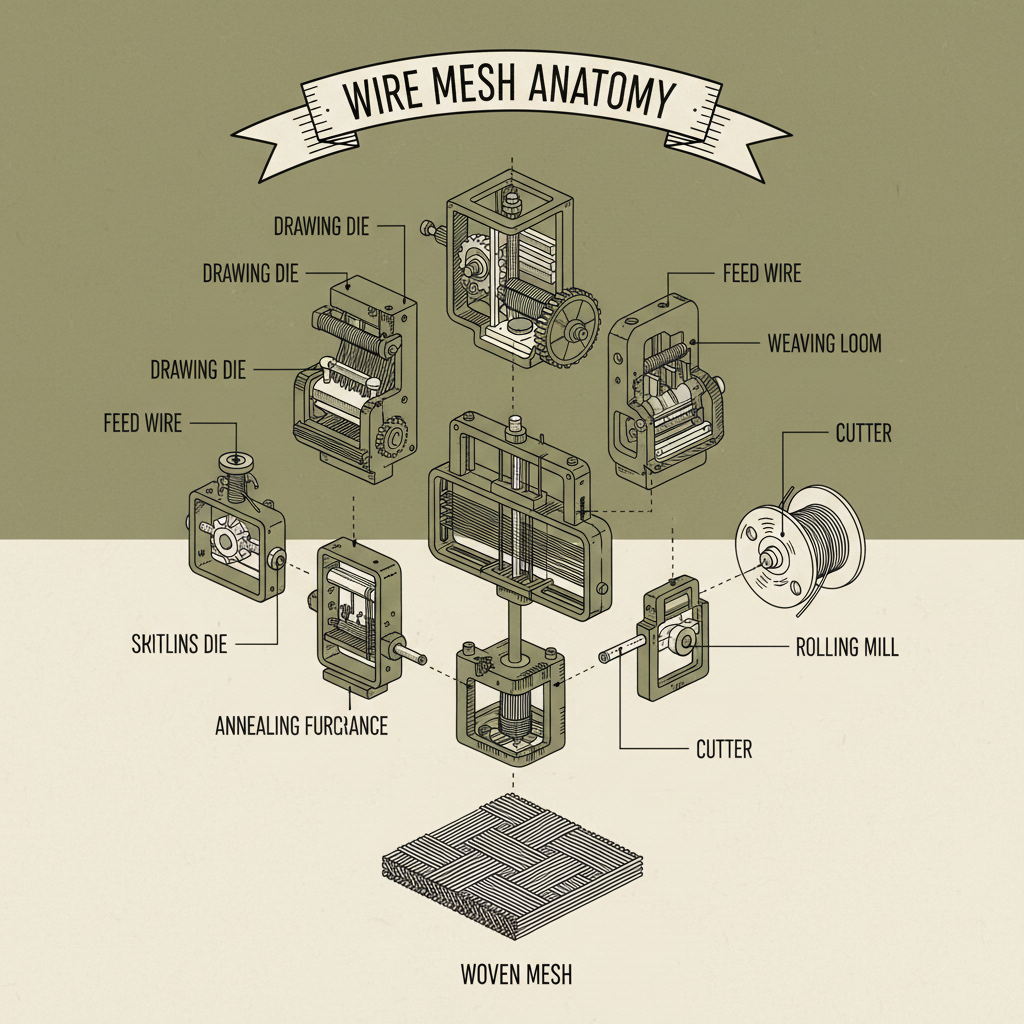

Strangely enough, the biggest trend I'm seeing isn't a new material, but a resurgence in stainless steel. Yeah, it's pricey. But the long-term corrosion resistance is just unbeatable, especially in coastal environments. We're seeing a lot of 316 stainless being used in seawater applications, and it's making a huge difference in the lifespan of structures.
Then you have the coated meshes. PVC, epoxy… they're okay for some things, but I’ve had a few bad experiences with the coatings cracking and peeling over time, letting the rust creep in. It's always better to start with a good base metal, if you can afford it. The wire mesh manufacturers that are really innovating are exploring new coating technologies, like ceramic coatings, but those are still pretty expensive.
For rodent prevention, you want a small aperture mesh, typically ¼ inch or less. Galvanized steel is a good choice for durability, but stainless steel will last even longer, especially in harsh environments. Avoid plastic meshes, as rodents can chew through them easily. Make sure the mesh is securely fastened and doesn't have any gaps or openings. Remember, they're sneaky!
Calculating weight involves knowing the mesh's gauge (wire thickness), aperture size, roll width, and roll length. It’s a bit fiddly, honestly. You'll need to find the weight per square foot of the mesh (usually provided by the manufacturer), then multiply that by the total square footage of the roll. There are also online calculators that can help. I usually just ask the supplier – saves a lot of headache.
Woven mesh is made by interlacing wires, creating a more flexible and uniform structure. Welded mesh, as the name suggests, is made by welding wires together at their intersections. Welded mesh is generally stronger and more rigid, while woven mesh is more versatile for shaping. Each has its place. For security fencing, welded is usually preferred; for filters, woven is often better.
Use aviation snips or wire cutters designed for the mesh's gauge. A straight cut is best. If you need to cut a curve, make small, angled snips instead of trying to cut it all at once. And for woven mesh, bending the wires back on themselves after cutting can help prevent unraveling. Trust me, it makes a difference. I’ve spent too many hours picking apart frayed mesh.
Yes, absolutely. Steel and stainless steel mesh are highly recyclable. Aluminum is also readily recycled. It’s important to separate the mesh from any other materials it's attached to, like plastic coatings or wood framing. Contact your local scrap metal recycler for more information. It's good for the environment, and you might even get a few bucks for it!
Staples are common, but they don’t always hold well, especially with heavier gauge mesh. Screws with washers are much more secure. Use corrosion-resistant screws if the mesh is exposed to the elements. And make sure the screws are spaced close enough together to prevent the mesh from bulging or pulling away from the frame. Proper fastening is crucial for a long-lasting installation.
So, what’s the takeaway? Wire mesh isn’t just about wires and holes. It’s about understanding the materials, the applications, and the real-world challenges. It's about choosing the right mesh for the job and ensuring it’s properly installed. A lot of folks underestimate its importance, but it's a fundamental building block in a ton of industries.
Ultimately, whether this thing works or not, the worker will know the moment he tightens the screw. If it feels right, it probably is. If it feels flimsy or unstable, something's wrong. And if you’re ever unsure, don’t hesitate to ask the manufacturer or a seasoned contractor. You can learn a lot from someone who's been in the trenches. For more information or to discuss your specific needs, visit our website: www.jinzehongwiremesh.com