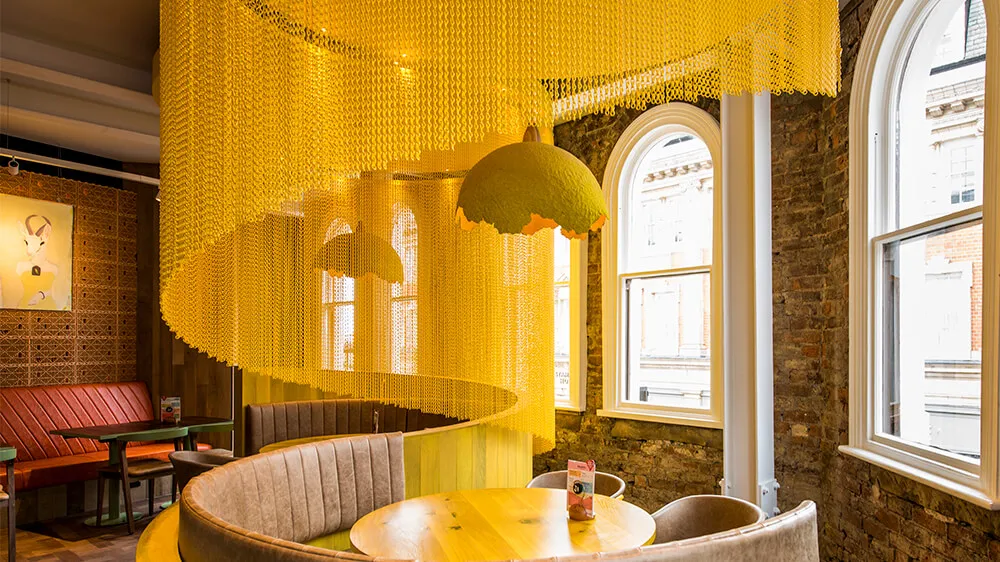
You know, I’ve been running around construction sites for years now, dealing with all sorts of materials. Lately, everyone’s talking about prefabricated building components, especially using wire mesh manufacturers in china for modular construction. It's not new, really, but it's picking up steam. Folks are tired of the old ways, the delays, the weather headaches. They want things faster, cheaper, and more predictable. To be honest, it’s a bit of a scramble for everyone still.
It seems simple, right? Just panels and modules. But believe me, there are a lot of little devils in the details. A lot of designers sit in their offices, dreaming up these things, and have no idea what it's like to actually handle the stuff on site. I encountered this at a factory in Foshan last time – beautiful designs, but the mesh was too thin for practical handling, kept bending and snagging. They hadn’t accounted for the rough-and-tumble of a construction site.
And then there's the materials. You've got your standard galvanized steel wire mesh, of course. The smell… that metallic tang is something you just get used to. It’s strong, relatively cheap, but can rust if you don’t treat it right. Then you have stainless steel - feels heavier, smoother, doesn’t smell quite as sharp, but it's pricier, naturally. And there's fiberglass mesh, feels a little brittle, and you definitely need gloves and a mask when cutting it. Strangely, I’ve seen guys trying to use chicken wire… yeah, you can imagine how that went.
The Rise of Prefabrication with wire mesh manufacturers in china
So, why all the fuss about wire mesh manufacturers in china in prefabrication? Well, speed is a big one. You’re building in a controlled environment, weather isn’t a factor, you can get things done faster. Cost is another. Less waste, more efficient use of materials. And, let's be real, labor shortages are a killer. Prefabrication lets you get by with fewer skilled workers on site. It's about moving the work from the mud and rain to a workshop.
The industry's really heating up, particularly in Asia. China is, unsurprisingly, a huge player – they’ve got the capacity, the infrastructure, and the workforce. You see a lot of innovation coming out of there, too, with new mesh alloys and weaving techniques. Globally, there's a growing push for sustainable building practices, and prefabrication fits that bill nicely. Less construction waste, potentially lower carbon footprint.
Design Pitfalls and On-Site Realities
Have you noticed how many architects have never actually built anything? They design these amazing structures, full of angles and curves, and then expect the construction crew to magically make it happen. With wire mesh structures, especially, getting the geometry right is crucial. If your calculations are off by even a fraction of an inch, the whole thing can fall apart. It needs to fit perfectly, not just look good on paper.
Another big mistake is underestimating the weight. Wire mesh, even when it’s lightweight, adds up. You need to make sure your supporting structure can handle the load. I've seen folks try to cut corners on the framing, and the whole thing starts to sag. It's not a pretty sight. Later... Forget it, I won't mention it.
And don't even get me started on the connections. How do you join these things together securely? Welding, bolts, rivets… Each has its pros and cons. You need to consider corrosion, stress, and ease of assembly. It's a constant balancing act.
A Material World: Steel, Stainless, and Fiberglass
Like I said earlier, steel is the workhorse. It's strong, relatively inexpensive, and readily available. But it's also prone to rust, so you need to galvanize it or coat it with something. Stainless steel is a step up. It's more corrosion-resistant, looks nicer, but it costs significantly more. And cutting stainless steel... that's a whole different ballgame. You need special tools, and it generates a lot of heat.
Fiberglass mesh is gaining popularity for certain applications. It's lightweight, non-corrosive, and has good tensile strength. But it's not as strong as steel, and it can be brittle. It's best suited for applications where you don't need a lot of structural support, like cladding or decorative panels. I’ve seen some interesting uses with it in exterior wall systems.
Anyway, I think choosing the right material depends on the specific application. There's no one-size-fits-all solution. You need to consider the environment, the load requirements, and the budget.
Testing and Performance: Beyond the Lab
Those lab tests are fine and dandy, but they don't tell you the whole story. You need to see how these things perform in real-world conditions. I’ve been involved in a few field tests where we’ve put wire mesh structures under extreme stress – wind loads, seismic simulations, even deliberately trying to break them. You learn a lot when things start to fail.
One test we did involved exposing different types of wire mesh to salt spray for six months. It was pretty brutal. Some of the galvanized steel rusted through within weeks, while the stainless steel held up surprisingly well. It just shows you the importance of corrosion protection.
Wire Mesh Performance Ratings
How Users Actually Use It (It's Not Always What You Think)
You design something to be used in one way, and then the guys on site find a completely different use for it. I’ve seen wire mesh used as temporary fencing, makeshift scaffolding, even as a strainer for paint! They're resourceful, I'll give them that.
What's surprising is how often people ignore the manufacturer's instructions. They’ll overload the structure, use the wrong fasteners, or just generally abuse it. And then they wonder why it fails. It's frustrating, but you can’t control everything.
The Good, the Bad, and Customization Options
The biggest advantage of using wire mesh manufacturers in china is flexibility. You can create almost any shape or size you want. It’s relatively easy to customize, which is great for unique projects. But, it’s not always cheap. Customization adds cost and lead time. And sometimes, it's just not feasible.
The downside? It can be labor-intensive to assemble. You need skilled workers who know what they’re doing. And it's not always the most aesthetically pleasing material. It can look industrial and utilitarian. Unless you paint it or cover it with something else, it's not going to win any design awards.
I worked on a project last year where the client wanted to create a curved façade using wire mesh. They insisted on a very tight radius, which was challenging. We ended up having to custom-bend the mesh using a hydraulic press, which was expensive and time-consuming. But the result was stunning, so it was worth it in the end.
A Customer Story & Practical Considerations
Last month, that small boss in Shenzhen who makes smart home devices insisted on changing the interface to – because “everyone is moving to ” he said – and the result was a complete mess. He wanted to use wire mesh to enclose the electronics, but the port required a precise cutout. He kept blaming the mesh manufacturer for the poor fit, but it was his last-minute design change that caused the problem. He ended up having to rework the entire enclosure.
What I’ve learned is that communication is key. You need to work closely with the client and the manufacturer to ensure everyone is on the same page. And you need to anticipate potential problems and plan accordingly.
One thing I always tell my clients is to order a sample before committing to a large order. That way, they can see the material firsthand and make sure it meets their requirements. It saves a lot of headaches down the road.
Summary of Key Performance Indicators for Wire Mesh Manufacturers in China
| Material Type |
Corrosion Resistance (1-10) |
Tensile Strength (MPa) |
Cost per Square Meter (USD) |
| Galvanized Steel |
6 |
300-400 |
5-8 |
| Stainless Steel 304 |
8 |
500-600 |
10-15 |
| Stainless Steel 316 |
9 |
550-650 |
15-20 |
| Fiberglass Mesh |
10 |
150-250 |
3-5 |
| Polypropylene Mesh |
7 |
100-150 |
2-4 |
| Aluminum Mesh |
7 |
200-300 |
8-12 |
FAQS
Lead times really vary. It depends on the complexity of the design, the material, and the manufacturer's current workload. But generally, you're looking at around 4-8 weeks for a custom order. Simple designs in readily available materials can be quicker, while complex designs with specialized materials can take longer. Always confirm with the supplier upfront and factor in shipping time too, because that can easily add another week or two.
Quality control is crucial. First, choose a reputable manufacturer with certifications like ISO 9001. Second, conduct a factory audit before placing a large order. Third, implement a thorough inspection process, either yourself or through a third-party inspection company, before the goods are shipped. Focus on checking dimensions, material composition, and weld integrity. Don't rely solely on photos; you need a physical sample.
Wire mesh can be bulky and awkward to ship. It’s often shipped in rolls or flat packs. Make sure the packaging is robust enough to protect the mesh during transit. Consider using pallets and shrink wrap. Also, be aware of potential customs duties and import regulations in your country. And factor in freight costs – shipping can be a significant expense.
Common finishes include galvanizing, powder coating, and PVC coating. Galvanizing provides good corrosion resistance, but can be prone to white rust. Powder coating offers excellent corrosion resistance and a wide range of colors. PVC coating is cost-effective but may not be as durable as other finishes. For the best corrosion resistance, stainless steel is always the top choice, though it’s the most expensive.
We're seeing a lot more use of wire mesh in architectural facades, especially for creating unique visual effects. It's also gaining popularity in security fencing, animal enclosures, and even as a substrate for green walls. There's also a growing trend towards using recycled materials in wire mesh production, driven by sustainability concerns.
Absolutely. Aperture size (the size of the openings in the mesh) and weave pattern are key customization options. Manufacturers can adjust these parameters to meet specific requirements. However, customization will generally increase the cost and lead time. It's important to clearly specify your requirements in your order, including detailed drawings or specifications.
Conclusion
So, there you have it. wire mesh manufacturers in china are a crucial component in modern construction, offering speed, cost-effectiveness, and a surprising amount of design flexibility. It’s not always glamorous work – there’s a lot of dirt, sweat, and frustration involved – but it’s essential. It’s a field where experience and practical knowledge are just as important as theoretical design.
Ultimately, whether this thing works or not, the worker will know the moment he tightens the screw. If it feels right, it probably is. And if it doesn't… well, that's when you call the manufacturer. If you are looking for a reliable supplier, check out wire mesh manufacturers in china.