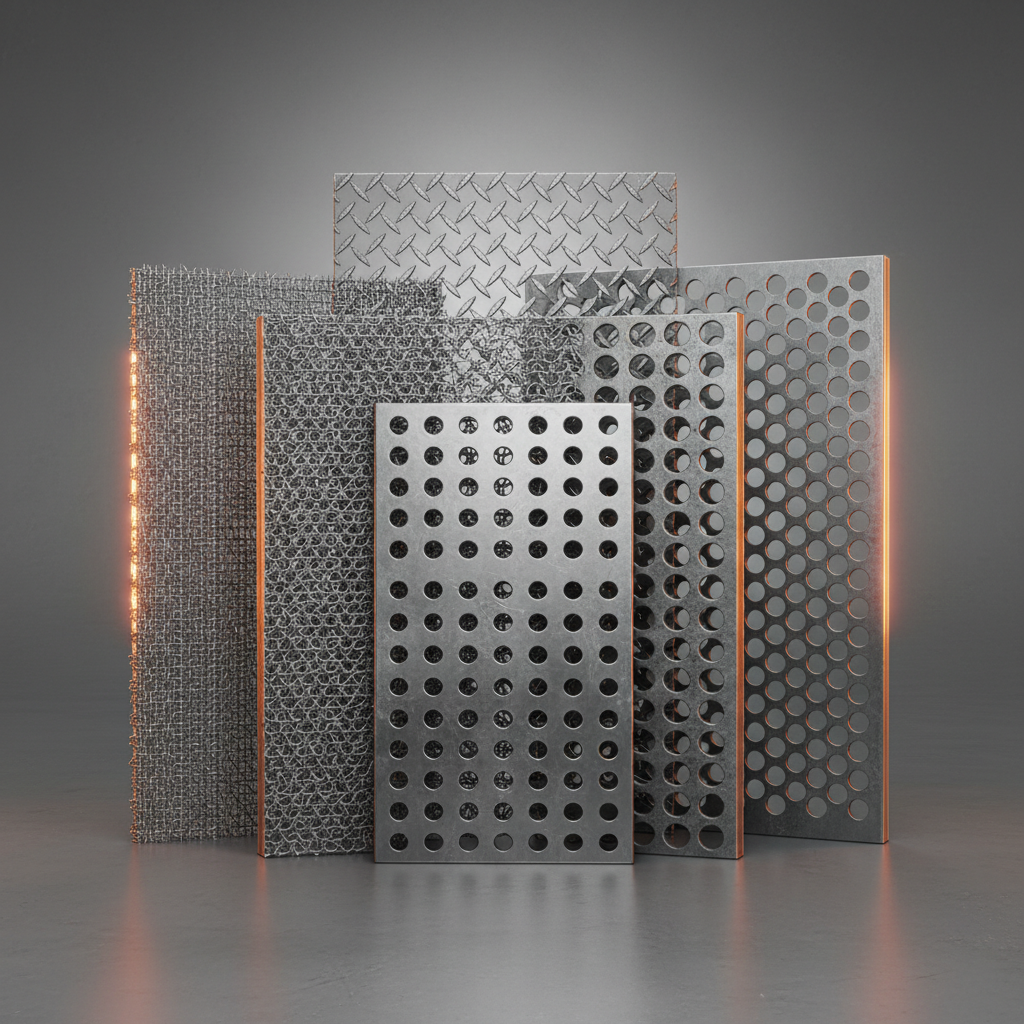
Wire gauze, often overlooked, plays a critical role across numerous industries and applications globally. Its seemingly simple construction – a woven mesh of wire – belies a versatility stemming from its inherent properties like permeability, filtration capabilities, and structural integrity. Understanding the purpose of wire gauze is crucial for optimizing processes in everything from laboratory research and pharmaceutical manufacturing to food processing and industrial filtration. The global demand for effective filtration and separation technologies continues to rise, making wire gauze an essential component in modern infrastructure and production systems.
The significance of wire gauze extends beyond industrial applications, increasingly impacting humanitarian efforts and resource management. In water purification, for example, wire gauze acts as a preliminary filter, removing larger debris and sediment before more sophisticated filtration methods are employed. This contributes to access to clean water in developing nations. Globally, the World Health Organization estimates that 2.2 billion people lack access to safely managed drinking water services, highlighting the need for cost-effective and scalable filtration solutions like those offered by wire gauze.
Furthermore, the increasing focus on sustainability and responsible manufacturing drives innovation in wire gauze production and application. The development of more durable, recyclable, and specialized wire gauze materials directly supports circular economy principles and reduces environmental impact. Recognizing the diverse applications and ongoing advancements associated with the purpose of wire gauze is essential for professionals, researchers, and policymakers alike.
Introduction to the Purpose of Wire Gauze
The purpose of wire gauze extends far beyond simply acting as a physical barrier. It’s a foundational component in a diverse range of processes demanding filtration, separation, and support. From ensuring the purity of laboratory samples to protecting sensitive equipment in industrial settings, wire gauze provides a cost-effective and reliable solution. Its ability to be customized in terms of material, mesh size, and weave pattern makes it adaptable to specific application requirements.
The inherent properties of wire gauze – its porosity, strength, and resistance to corrosion – contribute to its widespread use. Understanding these properties is key to selecting the appropriate gauze for a particular task. Moreover, advancements in materials science are continually expanding the performance capabilities of wire gauze, leading to new applications and improved efficiencies. The versatility and relatively low cost make it a cornerstone in various essential processes.
Defining the Purpose of Wire Gauze
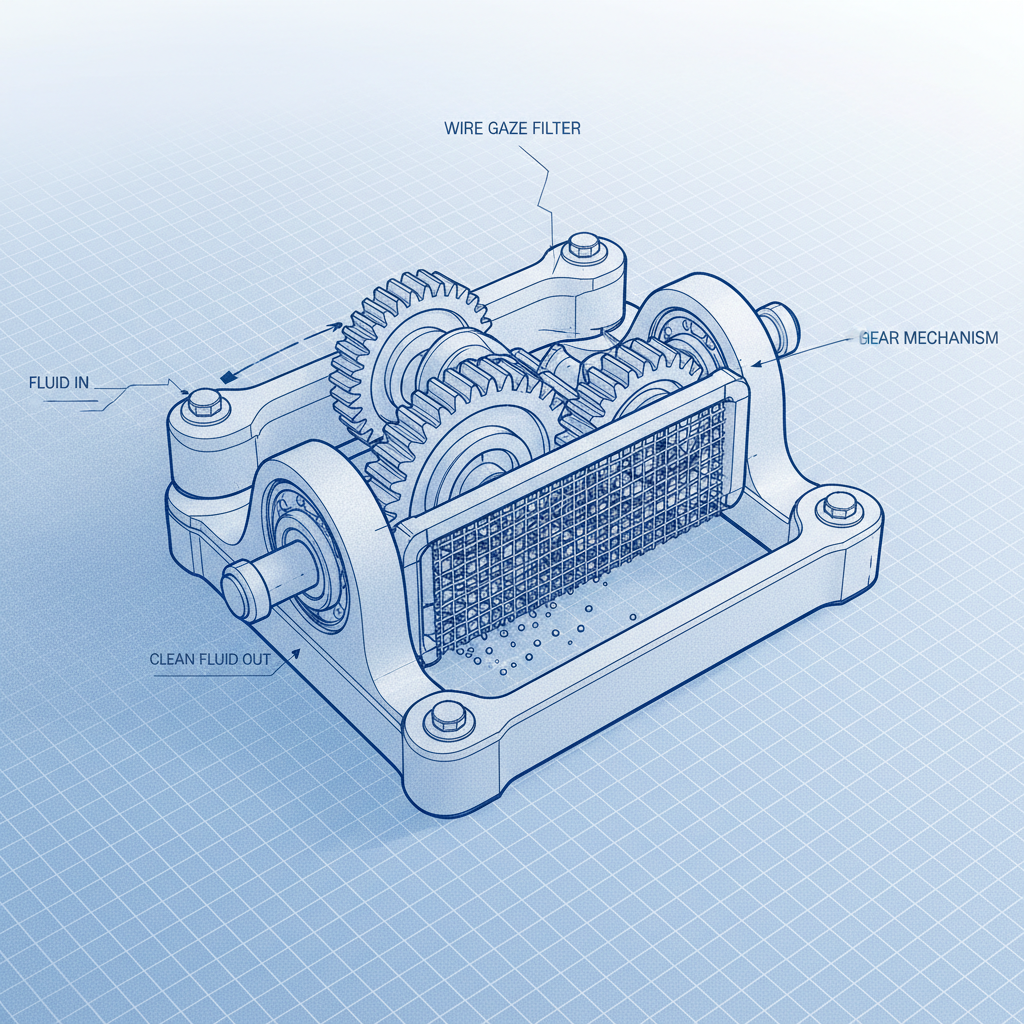
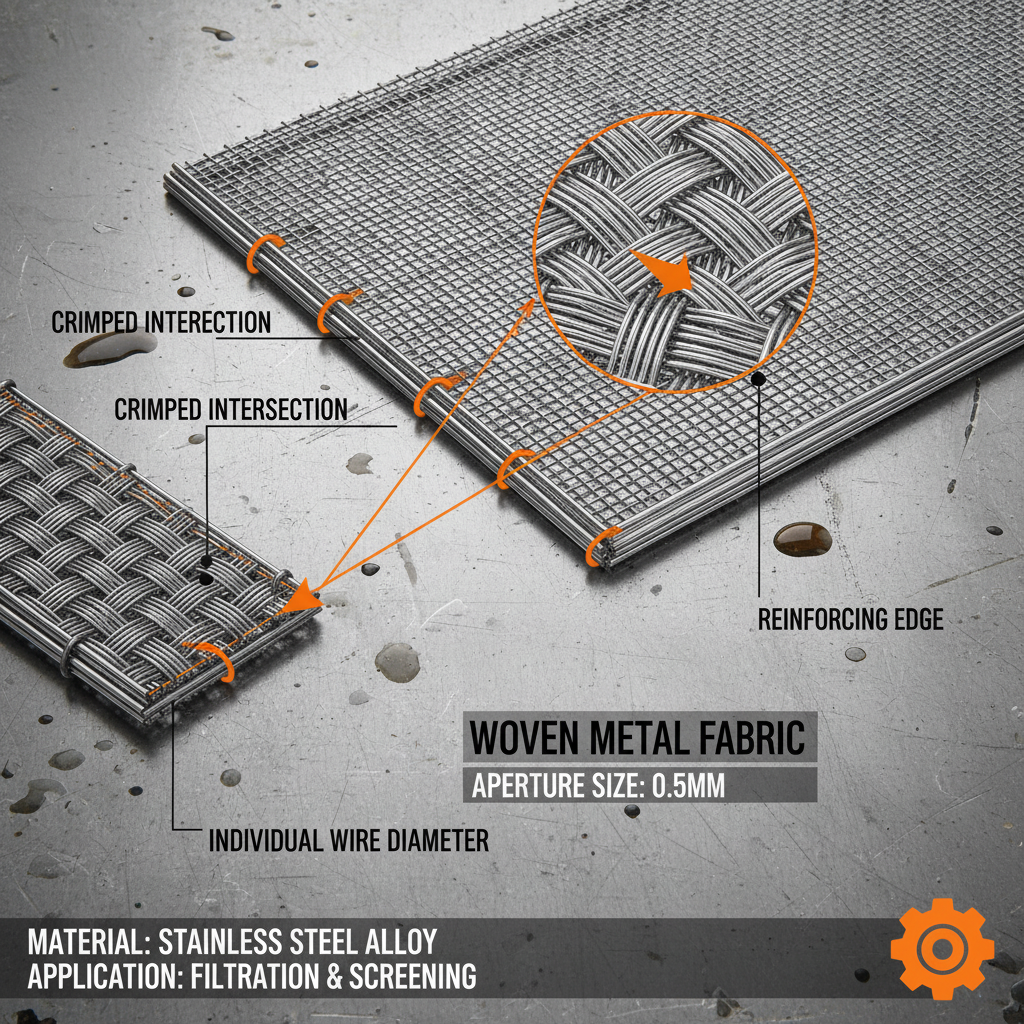
Wire gauze is fundamentally a woven material created from metallic wire, typically stainless steel, brass, or copper. Its primary purpose is to act as a filter or barrier, allowing fluids and small particles to pass through while retaining larger solids. The "mesh size" – the space between the wires – determines the size of particles that can be filtered. This filtering action is the core of the purpose of wire gauze.
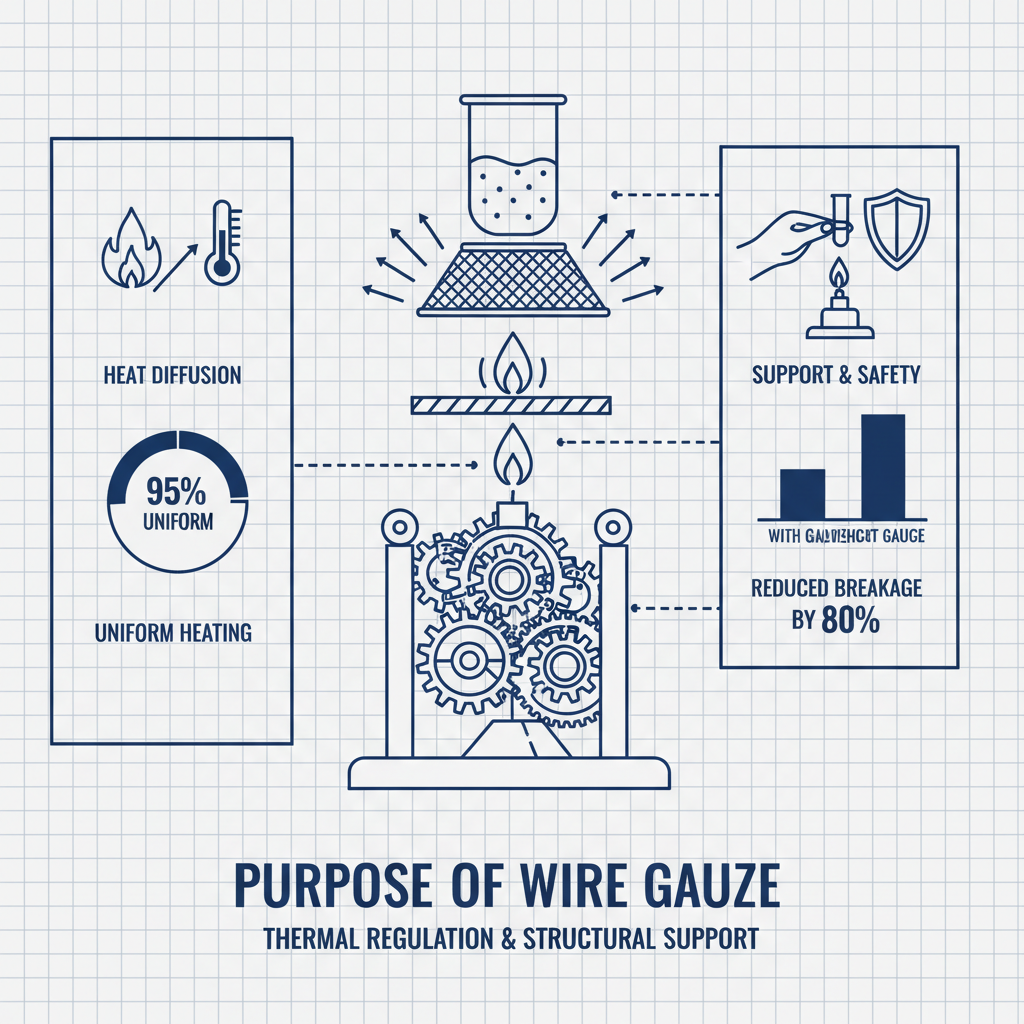
Historically, wire gauze was utilized in rudimentary filtration processes. Today, it’s integral to modern manufacturing and research. The purpose of wire gauze isn’t limited to simple filtration; it also provides support for other filter media, diffuses airflow, and serves as a protective screen. The demand for highly efficient and precise filtration systems in sectors such as pharmaceuticals and food processing necessitates high-quality wire gauze.
The connection to modern industry and humanitarian needs lies in its ability to provide clean and safe resources. In water treatment, it’s a first-stage filter; in pharmaceutical production, it maintains sterility. Its low cost and ease of production make it accessible for use in resource-limited settings, serving critical roles in public health and environmental protection.
Key Properties and Characteristics
Several key factors contribute to the effectiveness of wire gauze. Firstly, durability is paramount. Materials like stainless steel provide resistance to corrosion and degradation, ensuring longevity and reliability, especially in harsh environments. Secondly, permeability – the ability to allow fluids to pass through – is directly linked to the mesh size and weave pattern, dictating the gauze’s filtration capabilities.
Scalability is another critical characteristic. Wire gauze can be produced in various sizes and shapes to accommodate different applications and volumes. This allows for seamless integration into existing systems and processes. Further, cost-efficiency makes it an attractive alternative to more expensive filtration technologies. The relatively low production cost, coupled with its long lifespan, results in a favorable return on investment.
Customization plays a significant role. The choice of wire material (stainless steel, brass, copper, etc.) and weaving technique (plain weave, twill weave, dutch weave) allows for tailored solutions. Finally, temperature resistance is a key property, particularly for applications involving high-temperature processes, where the gauze must maintain its structural integrity. These combined characteristics define the purpose of wire gauze.
Practical Applications Across Industries
The applications of wire gauze are remarkably diverse. In laboratory settings, it serves as a filter for separating solids from liquids and as a support for filter paper. The purpose of wire gauze in these settings is to ensure accurate and reliable experimental results. Within the pharmaceutical industry, it’s critical for maintaining sterility during the production of injectable drugs and other sensitive medications.
In food processing, wire gauze is utilized in sieving and filtering operations, removing impurities and ensuring product quality. The food industry relies heavily on the purpose of wire gauze to meet stringent safety regulations. Industrial filtration represents a significant portion of wire gauze usage, finding application in water treatment plants, chemical processing facilities, and oil refineries.
Comparison of Wire Gauze Applications
Advantages and Value Proposition
The advantages of utilizing wire gauze are substantial. Firstly, the cost-effectiveness is a major draw, providing a budget-friendly filtration solution without compromising performance. Secondly, its durability ensures a long lifespan, reducing the need for frequent replacements. These attributes greatly enhance the purpose of wire gauze.
Beyond economic benefits, wire gauze promotes sustainability through the use of recyclable materials (like stainless steel). Its contribution to reliability in critical processes – ensuring product purity, protecting equipment – delivers peace of mind. This builds trust among manufacturers and consumers alike.
Global Applications and Regional Impact
The demand for wire gauze is globally distributed, with significant usage concentrated in industrialized nations like the United States, Germany, and Japan. However, its importance is increasingly recognized in developing countries, particularly in applications related to water purification and sanitation. In post-disaster relief operations, wire gauze can be quickly deployed for emergency water filtration.
In remote industrial zones, where access to sophisticated filtration systems may be limited, wire gauze provides a practical and affordable solution. Numerous NGOs utilize wire gauze as part of their water filtration initiatives in Africa and Asia. The purpose of wire gauze, therefore, extends beyond industrial processes into humanitarian aid and public health.
Furthermore, regional variations in manufacturing standards and regulatory requirements influence the types of wire gauze used. For instance, the food and beverage industry in Europe adheres to strict hygiene regulations, demanding high-grade stainless steel wire gauze for filtration processes.
Future Trends and Innovations in Wire Gauze
The future of wire gauze is intertwined with advancements in materials science and nanotechnology. Researchers are exploring the use of new alloys and coatings to enhance its corrosion resistance and filtration capabilities. Innovations in weaving techniques are leading to the development of more precise and efficient mesh structures. The pursuit of these innovations directly improves the purpose of wire gauze.
The integration of wire gauze with smart technologies – such as sensors embedded within the mesh to monitor filter performance – is gaining traction. This allows for real-time data collection and predictive maintenance. The growing emphasis on sustainable manufacturing practices is driving the demand for recyclable and biodegradable wire gauze materials.
Moreover, the adoption of automation and digital manufacturing techniques will streamline the production process, reducing costs and increasing efficiency. These trends suggest a continued evolution of wire gauze, ensuring its relevance in a rapidly changing industrial landscape.
Analysis of the Evolution of Wire Gauze Manufacturing Processes and Material Innovations
| Manufacturing Technique |
Material Innovation |
Impact on Performance |
Cost-Effectiveness (1-10) |
| Traditional Weaving |
Standard Stainless Steel (304) |
Moderate filtration efficiency, good durability |
8 |
| Dutch Weave |
316 Stainless Steel (enhanced corrosion resistance) |
Improved filtration for viscous fluids |
7 |
| Precision CNC Weaving |
Titanium Alloy (high strength-to-weight ratio) |
Superior performance in extreme environments |
5 |
| Automated Weaving Systems |
Nickel-Based Alloys (high temperature resistance) |
Increased durability and performance at elevated temperatures |
6 |
| Micro-Weaving Technology |
Polymer-Coated Wire (specialized filtration) |
Targeted filtration for specific particle sizes |
7 |
| Additive Manufacturing (3D Printing) |
Biodegradable Polymer Wire (sustainable options) |
Reduced environmental impact, customizable structures |
4 |
FAQS
Wire gauze serves as a crucial pre-filter in water filtration systems. Its primary purpose is to remove large particles, sediment, and debris from water sources before it undergoes more advanced purification processes like sand filtration or activated carbon treatment. This protects downstream filters from clogging, extends their lifespan, and improves overall water quality. It’s a cost-effective first line of defense ensuring cleaner and safer water.
Selecting the appropriate mesh size depends entirely on the particle size you need to filter. A smaller mesh size will capture smaller particles but may restrict flow rate. Conversely, a larger mesh size allows for higher flow but may let larger particles pass through. Consider the nature of the fluid and the desired level of filtration. Testing different mesh sizes is often recommended to optimize performance for your specific application.
While stainless steel offers excellent corrosion resistance, it’s not impervious to all corrosive substances. Different grades of stainless steel offer varying levels of protection. 304 stainless steel is suitable for many general applications, while 316 stainless steel provides enhanced resistance to chlorides and other harsh chemicals. For extremely corrosive environments, specialized alloys like Hastelloy may be necessary.
Yes, certain types of wire gauze are specifically designed for high-temperature applications. Materials like nickel-based alloys and specific stainless steel grades maintain their structural integrity and corrosion resistance at elevated temperatures. However, it's crucial to verify the temperature rating of the gauze and ensure it’s compatible with the operating conditions to prevent degradation or failure.
Regular cleaning is essential for maintaining the performance and extending the lifespan of wire gauze. Depending on the application, cleaning methods may include brushing, backwashing with water, or ultrasonic cleaning. Avoid using abrasive cleaners that could damage the mesh. Inspect the gauze periodically for signs of wear and tear, and replace it when necessary. Proper maintenance significantly reduces the need for frequent replacements.
Absolutely. Wire gauze can be customized in numerous ways. Weave patterns (plain, twill, Dutch) can be selected to optimize filtration characteristics. Gauze can be cut to specific shapes and sizes, and even formed into cones, cylinders, or other complex geometries. Additionally, surface treatments and coatings can be applied to enhance performance or provide specific functionalities, like anti-static properties or increased corrosion resistance.
Conclusion
In conclusion, the purpose of wire gauze is far more expansive than its simple appearance suggests. Its versatility, cost-effectiveness, and adaptability make it an indispensable component across a multitude of industries and applications, ranging from laboratory research and industrial filtration to humanitarian aid and water purification. Its inherent properties – durability, permeability, and customization options – ensure its continued relevance in addressing critical challenges related to resource management, public health, and manufacturing efficiency.
Looking ahead, advancements in materials science and manufacturing technologies will further enhance the performance and sustainability of wire gauze. The integration of smart sensors and automation will unlock new possibilities for real-time monitoring and optimization. By embracing innovation and exploring new applications, we can maximize the potential of this often-overlooked material to address global needs and drive progress. Visit our website at www.jinzehongwiremesh.com to learn more about our wire gauze products and solutions.