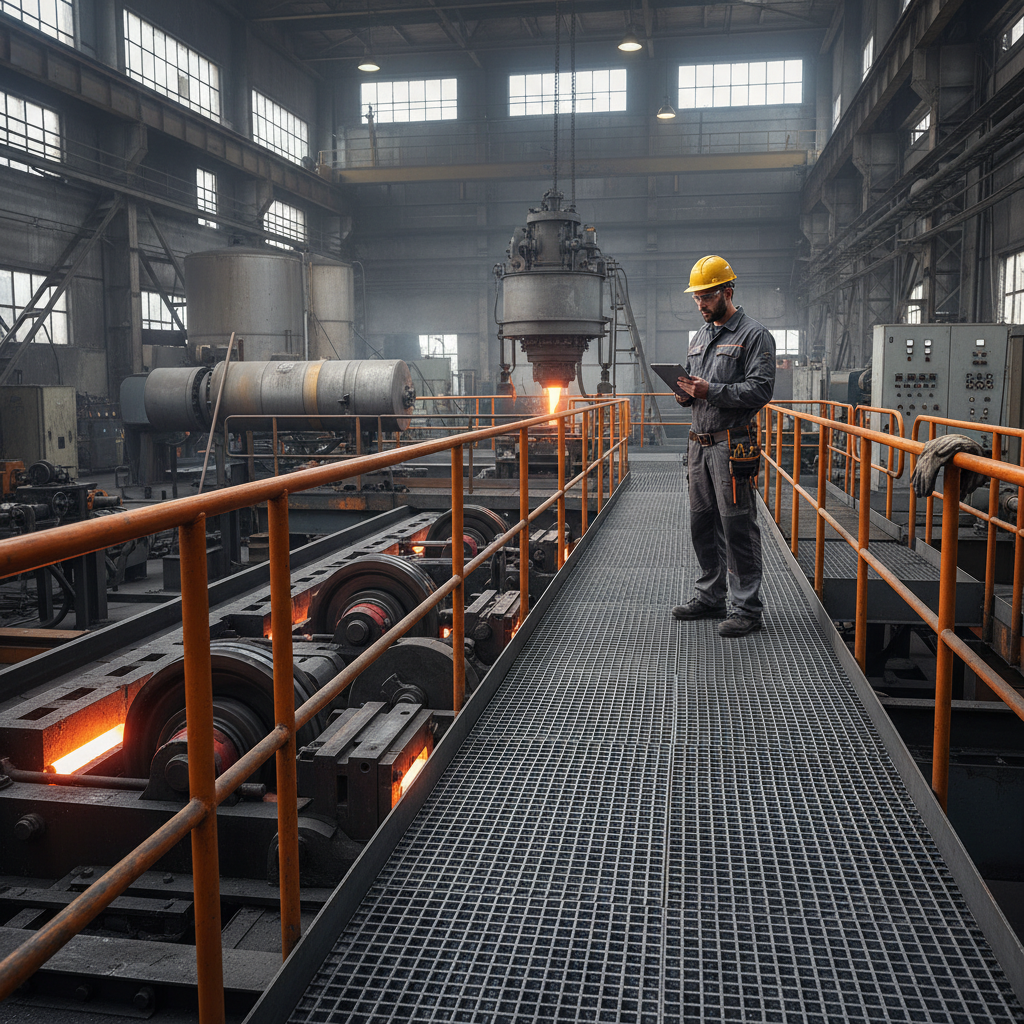
Wire netting manufacturer plays a crucial role in a diverse range of industries globally, from agriculture and construction to security and environmental protection. The demand for high-quality, durable, and versatile wire netting continues to rise, driven by infrastructure development, increasing security concerns, and a growing emphasis on sustainable solutions. Understanding the intricacies of wire netting manufacturing – from material selection and weaving techniques to quality control and application-specific designs – is essential for businesses and professionals seeking reliable and cost-effective solutions.
The global wire netting market is experiencing significant growth, fueled by rapid urbanization and industrialization, particularly in emerging economies. According to recent reports, the market is projected to reach billions of dollars in the coming years, with a compound annual growth rate (CAGR) reflecting its sustained momentum. This growth is not only driven by new applications but also by advancements in manufacturing technologies that allow for greater customization, improved performance, and reduced environmental impact. A proficient wire netting manufacturer can offer these benefits.
In a world facing challenges ranging from natural disasters and border security to animal containment and erosion control, wire netting provides a practical and adaptable solution. Its inherent strength, flexibility, and affordability make it an indispensable material for a wide array of applications. This makes expertise in wire netting manufacturing not just a commercial opportunity but also a contribution to global resilience and sustainability.
The Importance of Wire Netting Manufacturing
Wire netting manufacturing isn’t merely about weaving metal wires; it’s a sophisticated process that directly impacts the quality, durability, and performance of a product utilized across countless industries. A skilled wire netting manufacturer understands the crucial interplay between material selection, weaving patterns, and finishing techniques to deliver solutions tailored to specific client needs.
The importance of this manufacturing process extends beyond purely functional applications. Wire netting often plays a role in safety, security, and environmental protection, making the expertise of the manufacturer paramount in ensuring optimal performance and longevity. A commitment to quality control and adherence to industry standards are fundamental aspects of any reputable wire netting manufacturer.
Defining Wire Netting Manufacturing
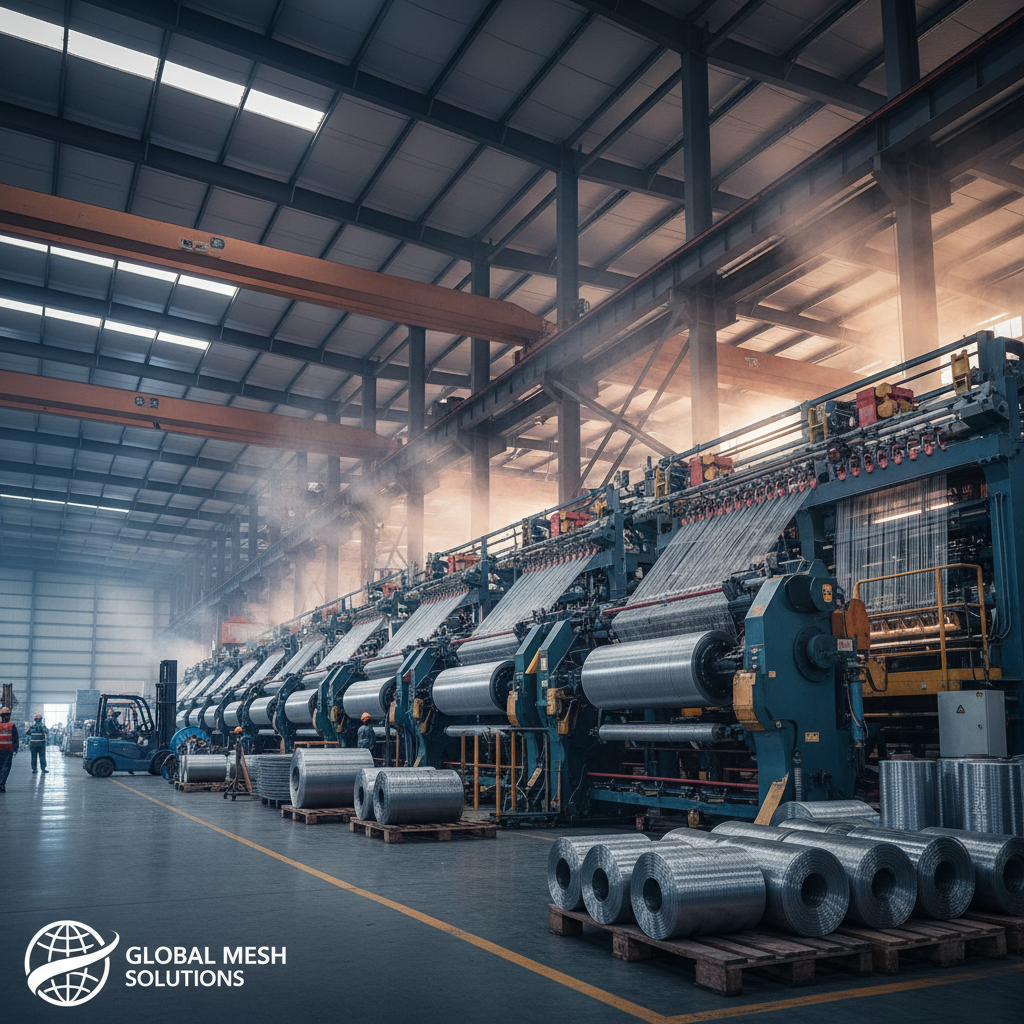
Wire netting manufacturing encompasses the processes involved in creating a mesh-like material from interwoven metal wires. This isn’t limited to simple weaving; it includes wire drawing, shaping, welding (in some cases), and finishing treatments like galvanizing or PVC coating. The core of the process is transforming raw materials into a functional product designed for containment, filtration, support, or protection.
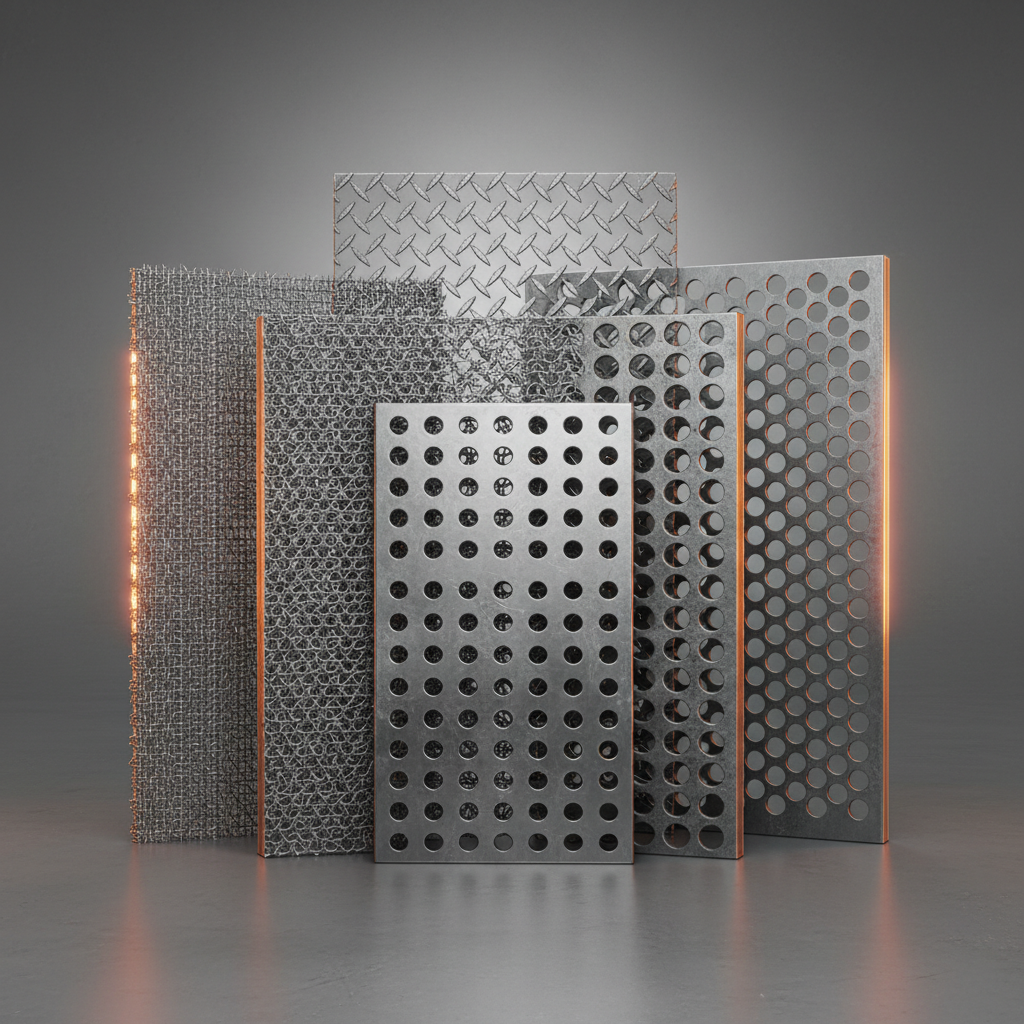
A critical aspect of defining wire netting manufacturing lies in understanding the various types of meshes produced: hexagonal, square, knitted, woven, and welded. Each type serves different purposes and requires distinct manufacturing techniques. The selection of appropriate materials – steel, stainless steel, aluminum, brass, copper – further defines the characteristics of the final product.
In the modern context, wire netting manufacturing is inextricably linked to modern industry and humanitarian needs. It provides vital components for infrastructure, agriculture, and even disaster relief. It is a process that bridges the gap between raw material and essential product.
Core Components and Production Methods
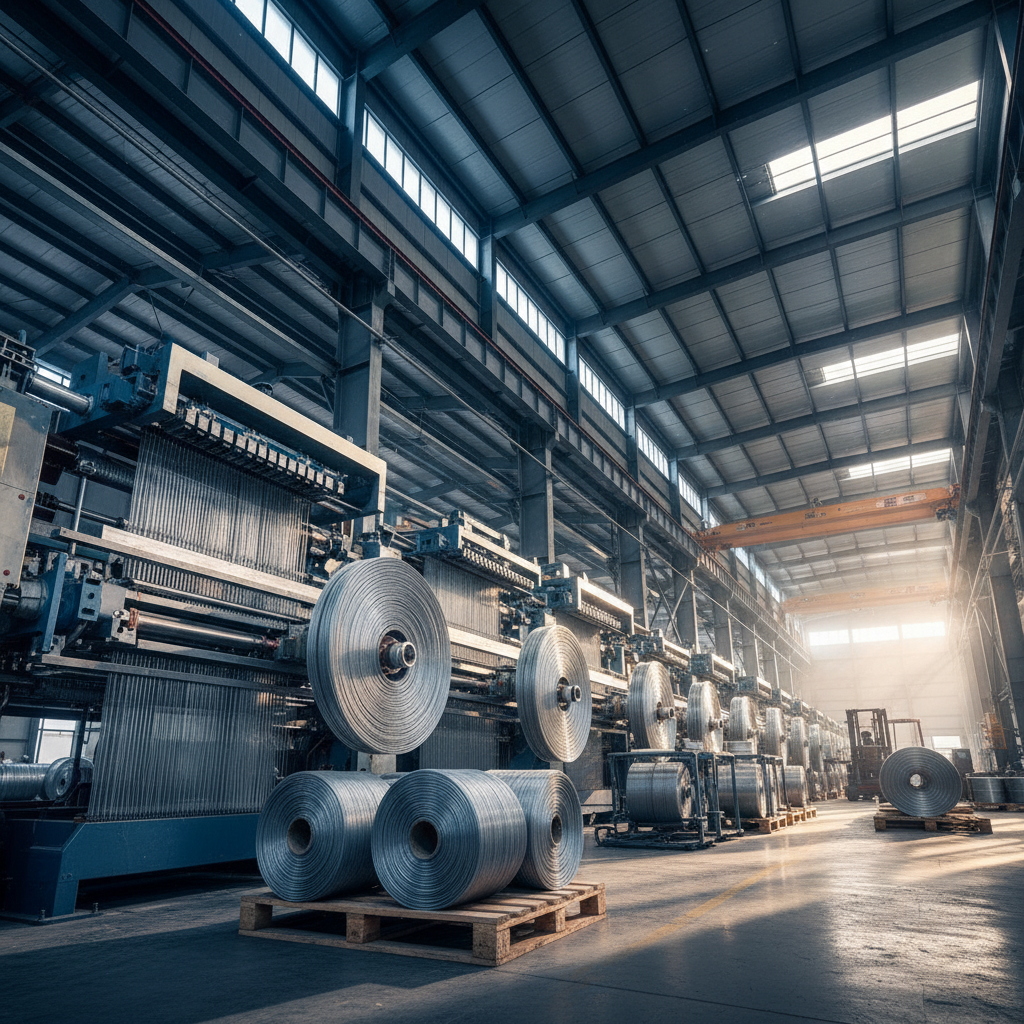
The production of wire netting begins with high-quality raw materials. The choice of metal – whether carbon steel, stainless steel, aluminum, or others – dictates the netting’s strength, corrosion resistance, and overall longevity. The wire itself is drawn to precise diameters and then subjected to various surface treatments, such as galvanizing or powder coating, to enhance its protective properties. A competent wire netting manufacturer prioritizes sourcing and processing these materials effectively.
Several production methods are employed, each suited to different applications. Woven wire netting involves interlacing warp and weft wires, creating a strong and uniform mesh. Welded wire netting utilizes a grid pattern with wires joined by welding, offering exceptional rigidity. Knitted wire netting provides flexibility and is often used in specialized applications. Hexagonal weaving is cost-effective and commonly found in poultry and animal enclosures. The selected method significantly impacts the final product's characteristics.
Quality control is paramount throughout the manufacturing process. Regular inspections for wire diameter, mesh size, coating thickness, and overall structural integrity are essential. Advanced testing methods, including tensile strength tests and corrosion resistance assessments, ensure that the finished product meets or exceeds industry standards and customer expectations.
Key Performance Indicators of a Wire Netting Manufacturer
Evaluating a wire netting manufacturer requires assessing several key performance indicators (KPIs). These metrics reveal the manufacturer's commitment to quality, efficiency, and customer satisfaction. A reliable manufacturer demonstrates consistency across all of these areas.
Factors such as production capacity, lead times, defect rates, and material sourcing transparency are all critical. Furthermore, a manufacturer’s adherence to relevant industry standards (ISO certifications, for example) signals a commitment to best practices.
Wire Netting Manufacturer KPI Ratings (1-10)
Global Applications of Wire Netting
The applications of wire netting are remarkably diverse. In agriculture, it’s used for fencing, poultry enclosures, and crop protection. The construction industry utilizes it for reinforcement, safety netting, and erosion control. Security applications include perimeter fencing, detention facilities, and animal control.
In post-disaster relief operations, wire netting provides temporary shelters and secure boundaries. In remote industrial zones, it serves as a durable and cost-effective fencing solution. Even specialized industries like mining and filtration rely on the unique properties of wire netting for specific tasks.
Advantages and Long-Term Value Proposition
The advantages of using wire netting are multifaceted. Its inherent strength and durability offer long-term cost savings by reducing the need for frequent replacements. Its versatility allows for customization to meet specific requirements, and its relatively low cost makes it an accessible solution for a wide range of budgets. A reputable wire netting manufacturer provides these benefits.
Beyond the economic advantages, wire netting offers significant social and environmental benefits. Its use in animal containment promotes responsible animal husbandry, while its application in erosion control protects valuable ecosystems. Its durability minimizes waste and contributes to sustainable practices.
Ultimately, the long-term value of wire netting lies in its reliability, adaptability, and contribution to a safer, more secure, and more sustainable world.
Future Trends and Innovations in Wire Netting
The future of wire netting manufacturing is poised for innovation. Advancements in materials science are leading to the development of lighter, stronger, and more corrosion-resistant alloys. Automated manufacturing processes are increasing efficiency and reducing production costs.
Sustainability is also a key driver of innovation. Manufacturers are exploring the use of recycled materials and developing eco-friendly coating options. Furthermore, integration with digital technologies – such as IoT sensors for remote monitoring and predictive maintenance – is enhancing the functionality and lifespan of wire netting installations.
These trends collectively point towards a future where wire netting is not just a functional material but a smart, sustainable, and integrated component of modern infrastructure and industry.
Summary of Key Challenges and Solutions in Wire Netting Manufacturing
| Challenge |
Impact on Manufacturing |
Potential Solution |
Implementation Cost (1-10) |
| Raw Material Price Volatility |
Increased production costs, unpredictable pricing |
Long-term contracts with suppliers, diversified sourcing |
5 |
| Maintaining Consistent Mesh Quality |
Customer dissatisfaction, product recalls |
Automated inspection systems, rigorous QC protocols |
7 |
| Labor Shortages & Skill Gap |
Reduced production capacity, increased training costs |
Investment in automation, employee training programs |
6 |
| Environmental Regulations & Waste Management |
Compliance costs, potential fines |
Recycling programs, sustainable material sourcing |
4 |
| Competition from Low-Cost Producers |
Price pressure, reduced market share |
Focus on value-added services, product differentiation |
3 |
| Supply Chain Disruptions |
Production delays, increased lead times |
Diversified supply base, strategic inventory management |
5 |
FAQS
The most prevalent metals include carbon steel, offering strength and affordability; stainless steel, providing superior corrosion resistance; aluminum, prized for its lightweight nature and resistance to rust; and occasionally, specialized alloys like brass or copper for specific applications. The choice depends heavily on the intended use and environmental conditions, and a quality wire netting manufacturer will advise on the best option.
Galvanization, the process of coating steel with zinc, significantly extends the lifespan of wire netting by creating a protective barrier against corrosion. The zinc acts as a sacrificial anode, corroding before the underlying steel. This can increase the netting's longevity by several years, even decades, depending on the thickness of the zinc coating and the surrounding environment.
Mesh sizes are typically measured as the number of openings per inch. Common sizes range from very fine meshes (e.g., 80 mesh) for filtration to coarser meshes (e.g., 1 inch) for fencing or animal containment. A wire netting manufacturer can customize mesh sizes to precise specifications, and the appropriate size is determined by the intended application.
Key industry standards include ISO 9001 for quality management systems and certifications related to coating specifications (e.g., ASTM standards for galvanization). Compliance with these standards demonstrates a commitment to quality control and adherence to best practices. Also, check for certifications related to specific applications, such as agricultural fencing or security netting.
Absolutely. Most reputable wire netting manufacturers offer custom design and fabrication services. This includes tailoring mesh sizes, wire diameters, coating types, and overall dimensions to meet unique project specifications. Providing detailed requirements upfront ensures a seamless and cost-effective solution.
Woven wire netting is created by interlacing wires, offering flexibility and a uniform appearance. Welded wire netting, however, uses a grid pattern where wires are joined by welding, resulting in greater rigidity and stability. Woven netting is often preferred for applications requiring drape, while welded netting is ideal for applications needing structural support.
Conclusion
Throughout this discussion, we’ve explored the crucial role of wire netting manufacturing in a multitude of industries, its core components, and the future trends shaping its evolution. Understanding the nuances of material selection, production methods, and quality control is essential for anyone seeking reliable and durable netting solutions. The versatility, cost-effectiveness, and adaptability of wire netting continue to make it a cornerstone material across the globe.
As technology advances and sustainability concerns grow, the wire netting manufacturing industry will undoubtedly continue to innovate. By embracing new materials, automated processes, and eco-friendly practices, manufacturers can further enhance the value proposition of wire netting and contribute to a more resilient and sustainable future. For high-quality wire netting solutions, visit our website today!