Types of metal mesh are integral components in a vast array of industries, from construction and agriculture to aerospace and medical applications. The demand for diverse metal mesh solutions is globally significant, driven by a need for filtration, separation, reinforcement, protection, and aesthetic purposes. Understanding the nuances of these different types, their properties, and applications is crucial for engineers, designers, and manufacturers seeking optimal performance and cost-effectiveness in their projects.
The global metal mesh market is experiencing steady growth, fueled by increasing industrialization, urbanization, and stricter environmental regulations. According to recent reports, the market is projected to reach [insert statistic] by [insert year], indicating a strong demand across various sectors. This growth presents both opportunities and challenges, requiring manufacturers and suppliers to innovate and adapt to evolving customer needs. Recognizing these trends is vital for sustainable growth and competitive advantage.
Metal mesh isn’t just about industrial efficiency; it also plays a critical role in humanitarian efforts. From providing secure enclosures in disaster relief to enabling clean water filtration in developing nations, the versatility of types of metal mesh is undeniable. Its durability and adaptability make it a valuable asset in addressing some of the world’s most pressing challenges.
Introduction to Types of Metal Mesh
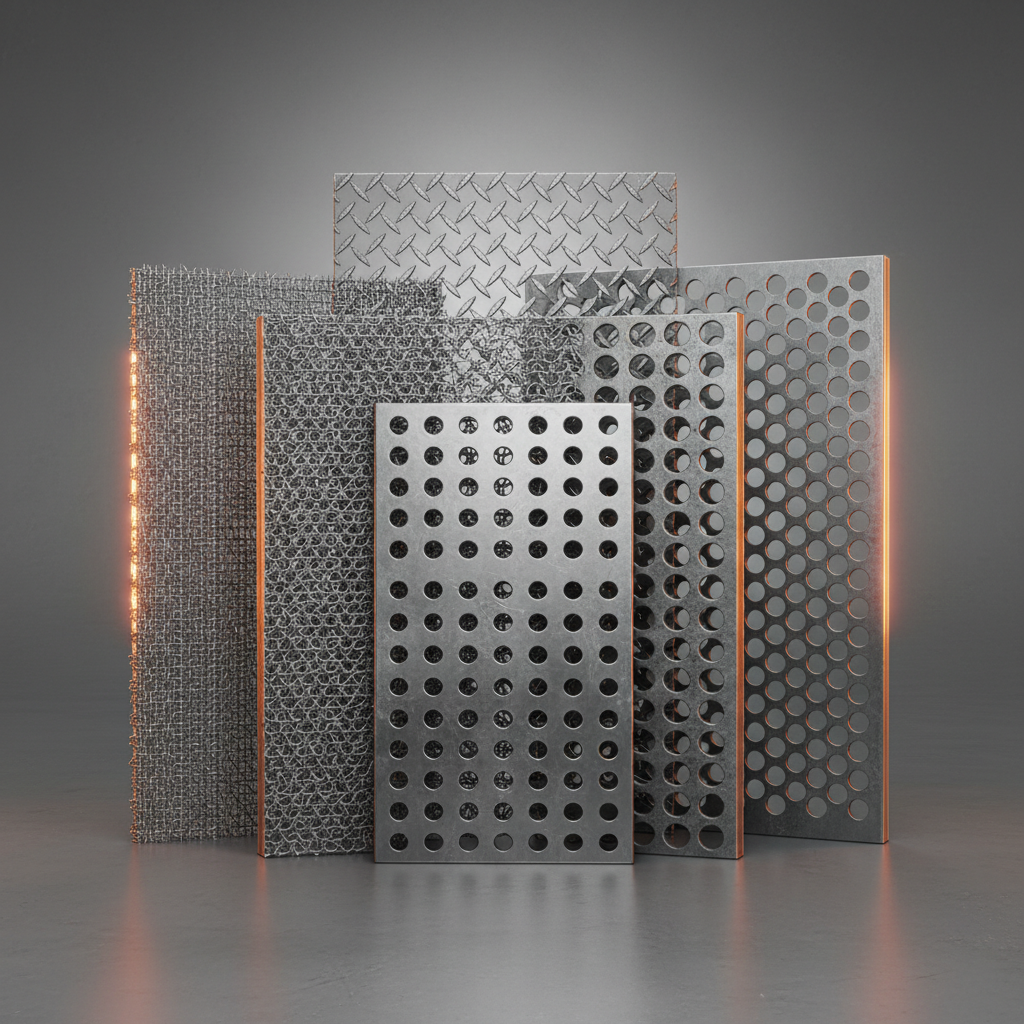
Metal mesh encompasses a broad range of woven, welded, knitted, or expanded metallic materials. These are created from various metals—stainless steel being a common choice due to its corrosion resistance—but can also include aluminum, copper, brass, titanium, and more. The specific construction method and material selection dictate the mesh's properties and suitability for different applications.
Different types of metal mesh are characterized by their aperture size (the spaces between the wires), wire diameter, and weave pattern. Understanding these parameters is crucial for selecting the optimal mesh for a given application. For instance, a finely woven mesh might be used for precise filtration, while a heavier, welded mesh might be employed for structural reinforcement. You can find more information about types of metal mesh here.
Global Relevance and Industry Context
The demand for types of metal mesh is intrinsically linked to global economic activity. Industries like construction, automotive, aerospace, and pharmaceuticals all rely heavily on these materials. Emerging economies, experiencing rapid industrialization, are significant consumers of metal mesh, driving market growth. Furthermore, increasing awareness of environmental issues is boosting demand for filtration and separation solutions.
The United Nations Sustainable Development Goals (SDGs) highlight the importance of clean water and sanitation, industrial innovation, and sustainable infrastructure, all areas where metal mesh plays a vital role. For example, metal mesh filters are essential for providing access to safe drinking water in many regions. The ISO standards governing metal mesh production ensure quality and consistency, contributing to its reliability and global acceptance.
A significant challenge lies in the sustainable sourcing of raw materials and minimizing the environmental impact of manufacturing processes. The industry is actively exploring eco-friendly materials and production techniques to address these concerns, aligning with global sustainability initiatives.
Defining Types of Metal Mesh
Types of metal mesh refer to the diverse range of interconnected metallic strands or sheets formed into a grid-like structure. This structure can be created through various methods, including weaving, welding, expanding, and knitting. The resulting mesh possesses unique properties depending on the material, construction technique, and geometric characteristics.
Essentially, metal mesh provides a versatile platform for numerous industrial and commercial applications. It’s not merely a material but a functional component offering solutions for filtration, separation, security, and structural support. The increasing sophistication of manufacturing processes allows for the creation of highly specialized metal mesh tailored to very specific needs.
Its connection to modern industry is undeniable. From the high-precision filters in pharmaceutical manufacturing to the robust reinforcement in composite materials used in aerospace, types of metal mesh are enabling advancements in countless fields. Addressing humanitarian needs, like water purification and temporary shelter construction, is also a key aspect of its modern relevance.
Key Characteristics of Metal Mesh
Durability is a core characteristic of metal mesh. Depending on the material – especially stainless steel – it exhibits excellent resistance to corrosion, wear, and tear, ensuring a long service life even in harsh environments. This makes it ideal for applications where reliability is paramount.
Scalability is another key aspect. Metal mesh can be manufactured in a wide range of sizes and shapes, accommodating diverse project requirements. From small, intricate components to large-scale industrial filters, the versatility of the material allows for customized solutions.
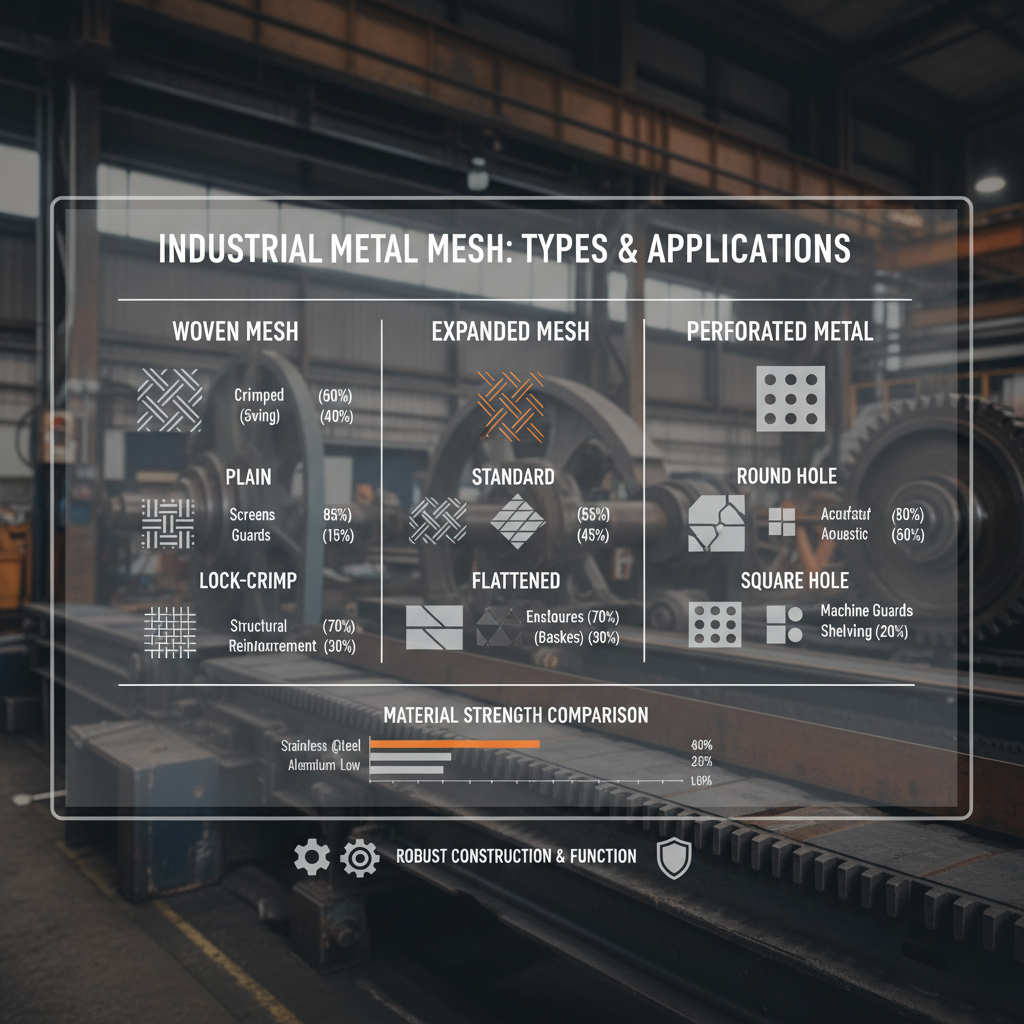
Performance Metrics for Various Types of Metal Mesh
Applications of Different Metal Mesh Types
In the construction industry, types of metal mesh are used for reinforcement in concrete, creating stronger and more durable structures. Welded wire mesh is particularly common in this application, providing tensile strength and preventing cracking. Furthermore, expanded metal mesh finds use in walkways and stair treads, offering a secure and non-slip surface.
The agricultural sector utilizes metal mesh for fencing, protecting crops from pests and livestock. Poultry netting, made from galvanized wire mesh, is widely used to confine birds while allowing for ventilation. In remote industrial zones, durable metal mesh fencing provides perimeter security and asset protection.
Advantages and Long-Term Value
The cost-effectiveness of types of metal mesh, especially when considering its longevity, is a significant advantage. While initial investment may vary, the minimal maintenance required and extended lifespan translate into lower total cost of ownership compared to alternative materials.
Sustainability is also a growing benefit. Many metal meshes are recyclable, reducing their environmental footprint. The durability of the material minimizes the need for frequent replacements, conserving resources and reducing waste. Moreover, the use of metal mesh can contribute to safer working environments and enhanced product reliability, fostering trust and innovation.
Future Trends and Innovations
Advancements in material science are leading to the development of new metal alloys with enhanced properties, such as increased strength, corrosion resistance, and temperature tolerance. These innovations will expand the range of applications for types of metal mesh.
Digital transformation is also playing a role, with automated manufacturing processes improving efficiency and precision. The integration of sensors and IoT technology into metal mesh structures will enable real-time monitoring and predictive maintenance, further enhancing their performance and value.
The shift towards green energy is creating demand for specialized metal mesh used in fuel cells, battery technology, and solar panels. These applications require materials with specific electrical and thermal properties, driving further innovation in the field.
FAQS
Woven metal mesh is created by interlacing wires in a pattern, offering flexibility and a smoother surface. Welded metal mesh, on the other hand, involves joining wires at their intersections through welding, resulting in a more rigid structure with higher strength. The choice depends on the application’s need for flexibility versus robustness.
The optimal mesh size for filtration depends on the particle size you need to remove. Generally, the mesh opening should be smaller than the particle size. Consider also factors like flow rate and pressure drop. Testing different mesh sizes is often necessary to achieve the desired filtration efficiency.
Stainless steel is the most common choice for corrosion resistance, particularly grades 304 and 316. Other options include aluminum, titanium, and coated steel. The specific environment and the type of corrosive agent will influence the best material selection. Factors such as salinity and pH should be considered.
Yes, most manufacturers offer customization services. Metal mesh can be cut to size, bent into shapes, and even formed into complex geometries. Customization often involves specifying the material, mesh size, dimensions, and finishing requirements. Providing detailed drawings or specifications is crucial.
The weave pattern significantly affects the mesh's strength, flexibility, and permeability. Plain weave is common and provides good stability. Twill weave offers increased flexibility. Dutch weave and other specialized patterns provide enhanced filtration or structural properties. Choosing the right weave is crucial for optimizing performance.
Lead times for custom orders vary depending on the complexity of the project, the material availability, and the manufacturer's workload. Generally, simple customizations may take a few days, while more complex orders can take several weeks. Obtaining a quote and confirming the timeline with the manufacturer is recommended.
Conclusion
Understanding the diverse types of metal mesh, their properties, and applications is paramount for success in numerous industries. From construction and agriculture to aerospace and medical technology, these materials provide essential solutions for filtration, separation, reinforcement, and protection. Recognizing the long-term benefits of durability, scalability, and cost-effectiveness is crucial for making informed decisions.
As technology advances and sustainability becomes increasingly important, the metal mesh industry is poised for continued innovation. Embracing new materials, automated manufacturing processes, and digital integration will unlock even greater potential. For further information about the various types of metal mesh available and how they can benefit your specific application, visit our website: www.jinzehongwiremesh.com.