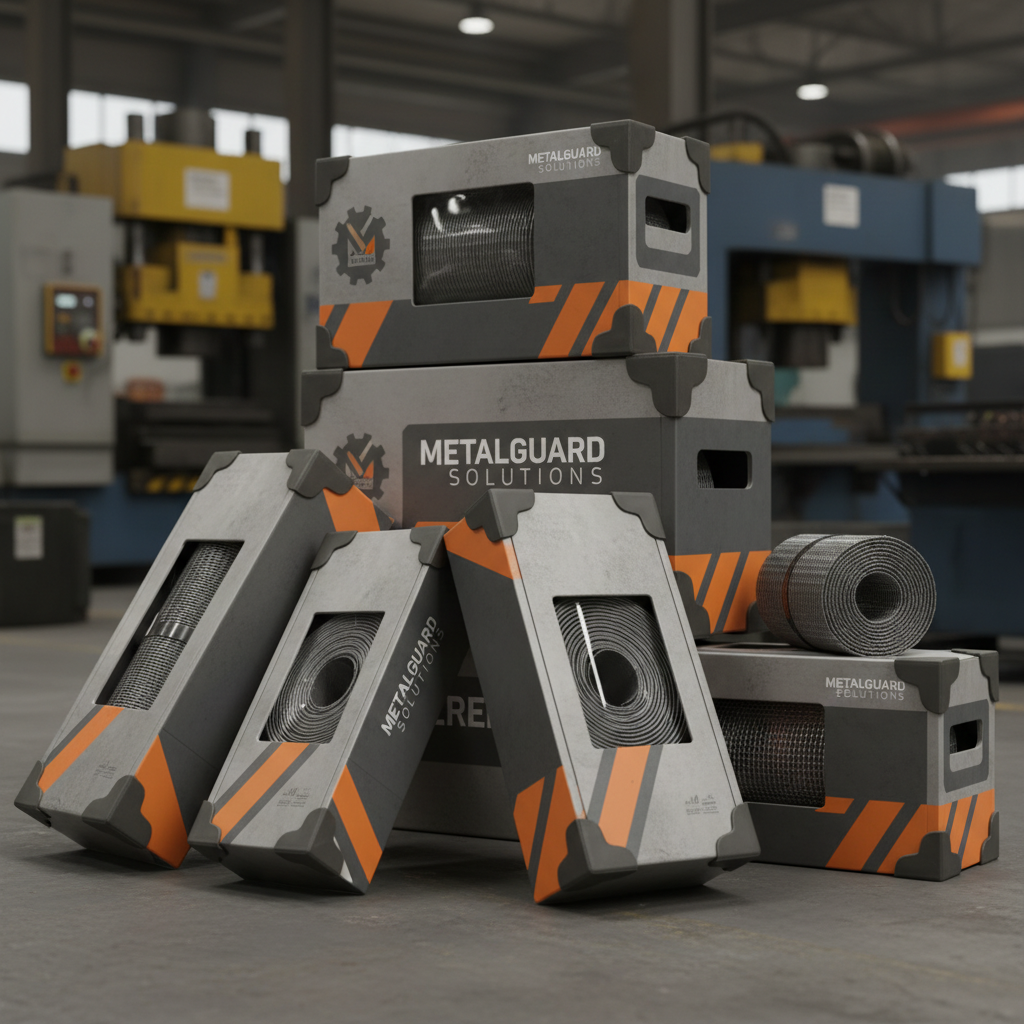
Square mesh sizes are crucial in a vast array of industries, from construction and agriculture to security and environmental protection. Understanding the nuances of these sizes – the aperture, wire diameter, and overall dimensions – is paramount for selecting the optimal mesh for a given application. This knowledge directly impacts performance, longevity, and cost-effectiveness. Globally, demand for precisely engineered square mesh is growing, fueled by infrastructure development in emerging economies and an increasing emphasis on security measures worldwide. square mesh sizes are no longer simply a commodity; they are a critical component in modern solutions.
The global square mesh market is experiencing significant growth, projected to reach substantial figures in the coming years (source: Industry Research Reports). This growth is driven by expanding applications in filtration, screening, reinforcement, and protective enclosures. The ISO standards governing mesh manufacturing ensure quality and consistency, enabling international trade and collaboration. Challenges remain, however, including the need for more sustainable materials and improved production processes. Addressing these challenges is vital for ensuring the long-term viability of the industry.
Ultimately, a thorough understanding of square mesh sizes empowers engineers, architects, and procurement specialists to make informed decisions. This translates into safer structures, more efficient processes, and more secure environments. The careful selection of the right mesh size, material, and weave contributes directly to the success of numerous projects across the globe, making it a subject of increasing importance.
Introduction to square mesh sizes
The term ‘square mesh sizes’ encompasses a wide variety of woven wire fabrics characterized by consistently spaced openings forming a square grid. These mesh sizes are defined by the measurement of the openings, typically in millimeters or inches. The precise selection of square mesh sizes is critical, as it directly influences the flow rate in filtration applications, the structural integrity of reinforcing materials, and the level of security provided by protective enclosures.
Understanding the relationship between mesh count (the number of openings per inch) and aperture size (the size of the individual openings) is fundamental. A higher mesh count indicates smaller openings, providing finer filtration or increased security. Choosing the appropriate combination of these factors requires considering the specific application requirements and the materials being used. square mesh sizes play a pivotal role in numerous sectors.
Defining square mesh sizes
At its core, defining square mesh sizes involves identifying two key parameters: the wire diameter and the aperture size. The wire diameter refers to the thickness of the individual wires used in the weave, influencing the mesh’s strength and durability. The aperture size, as previously mentioned, denotes the measurement of the opening in the square grid. These two factors work in tandem to determine the overall characteristics of the mesh.
Mesh count is often used as a shorthand for describing the fineness of the mesh. It represents the number of openings per linear inch. However, it’s important to note that mesh count alone doesn’t provide a complete picture; the wire diameter must also be considered. A mesh with a high count but a thin wire diameter may not be suitable for applications requiring significant strength.
The standardization of square mesh sizes is governed by various international standards, such as those established by ASTM (American Society for Testing and Materials) and ISO (International Organization for Standardization). These standards ensure consistency and comparability of mesh products across different manufacturers and regions.
Key Factors Influencing square mesh sizes
Several key factors dictate the selection of appropriate square mesh sizes for any given application. These include the required flow rate (for filtration applications), the size of particles to be retained or excluded, the structural load the mesh needs to bear, and the level of security required. Material properties, such as tensile strength and corrosion resistance, also play a crucial role.
Durability is paramount, and the choice of material (stainless steel, carbon steel, aluminum, etc.) significantly impacts the mesh’s longevity. Stainless steel, for example, offers excellent corrosion resistance, making it ideal for marine environments or applications involving harsh chemicals. Scalability, the ability to produce mesh in various sizes and configurations, is also essential for accommodating diverse project requirements. Cost-efficiency is another vital consideration, balancing performance needs with budgetary constraints.
Finally, the weave pattern influences the mesh’s properties. Common weaves include plain weave, twill weave, and Dutch weave, each offering different levels of strength, flexibility, and filtration efficiency. The interplay of these factors – material, weave, aperture size, and wire diameter – determines the suitability of a particular square mesh for its intended purpose.
Applications of square mesh sizes
The versatility of square mesh sizes leads to its widespread use across numerous industries. In construction, it’s used for reinforcement in concrete, creating robust and durable structures. In agriculture, it serves as fencing for livestock containment and crop protection. Industrial applications include filtration systems, sieving processes, and protective guarding for machinery.
Security applications rely heavily on square mesh sizes for creating barriers, cages, and enclosures, protecting assets and preventing unauthorized access. Environmental protection benefits from the use of mesh in erosion control, water filtration, and wildlife management. The demand for precisely manufactured square mesh sizes is consistently high across these sectors.
Comparative Performance of Different square mesh sizes Methods
Advantages of Optimized square mesh sizes
Selecting the optimally sized square mesh offers significant advantages. Reduced material waste through precise specification translates into cost savings. Improved efficiency in filtration and screening processes leads to increased productivity. Enhanced structural integrity in reinforced applications ensures long-term durability and safety.
Furthermore, optimized square mesh sizes contribute to a more sustainable approach, minimizing resource consumption and reducing environmental impact. These benefits collectively result in a higher return on investment and a more reliable, efficient, and sustainable operation.
Global Impact and Use Cases
The impact of square mesh sizes extends globally, addressing diverse needs in both developed and developing nations. In post-disaster relief operations, it’s used for temporary shelters and water purification systems. In remote industrial zones, it provides critical infrastructure for mining, oil and gas extraction, and power generation.
From large-scale infrastructure projects in Asia to agricultural advancements in Africa, square mesh sizes play a vital role in facilitating progress and improving quality of life. The adaptability of mesh products to varying environmental conditions and logistical challenges makes them indispensable in a wide range of applications.
Organizations like the United Nations and various NGOs rely on square mesh solutions for humanitarian aid and development initiatives, demonstrating its importance in addressing global challenges.
Future Trends in square mesh sizes
The future of square mesh sizes is poised for innovation. The development of more sustainable materials, such as bio-based polymers and recycled metals, is gaining momentum. Advancements in manufacturing technologies, including additive manufacturing (3D printing), are enabling the creation of complex mesh geometries and customized solutions.
Digital transformation is also playing a role, with the integration of sensors and data analytics enabling real-time monitoring of mesh performance and predictive maintenance. The growing demand for smart materials and intelligent infrastructure will further drive innovation in the field of square mesh.
The integration of nanotechnology to enhance material properties and functionality is another promising avenue for future development. These advancements will unlock new applications and improve the overall performance and sustainability of square mesh products.
Summary of Factors Influencing square mesh sizes Selection
| Application |
Key Mesh Property |
Material Choice |
Optimal Aperture Size (mm) |
| Filtration (Water) |
Filtration Efficiency |
Stainless Steel 304 |
0.2 - 1.0 |
| Security Fencing |
Intrusion Resistance |
Galvanized Steel |
2.5 - 5.0 |
| Concrete Reinforcement |
Tensile Strength |
Carbon Steel |
5.0 - 10.0 |
| Insect Screening |
Particle Retention |
Aluminum |
0.8 - 1.6 |
| Industrial Sieving |
Separation Accuracy |
Stainless Steel 316 |
1.0 - 3.0 |
| Protective Guards |
Impact Resistance |
Low Carbon Steel |
4.0 - 6.0 |
FAQS
Stainless steel mesh offers superior corrosion resistance, making it ideal for harsh environments or applications involving moisture and chemicals. Carbon steel mesh is typically less expensive but requires protective coatings to prevent rust. The choice depends on the application's environmental conditions and budget constraints. Consider the long-term cost of maintenance when evaluating these options.
Higher mesh counts correspond to smaller openings, resulting in finer filtration. A higher mesh count effectively traps smaller particles, but it can also increase pressure drop and reduce flow rate. Selecting the appropriate mesh count requires balancing filtration efficiency with acceptable flow characteristics. The type of particle being filtered is also a key factor.
Different weave patterns offer varying levels of strength, flexibility, and filtration efficiency. Plain weave is the most common and cost-effective, while twill weave provides increased strength and durability. Dutch weave offers excellent filtration capacity but is less structurally sound. Consider the specific demands of your application when selecting a weave pattern.
Aperture size is typically measured in millimeters (mm) or inches and represents the clear opening between wires in the mesh. It is often specified as the nominal opening size, which is the average distance across the opening. Accurate measurement is crucial for ensuring compatibility with specific application requirements, such as particle size or flow rate.
Yes, several standardized testing methods, such as those developed by ASTM and ISO, are used to assess the properties of square mesh. These tests evaluate parameters such as tensile strength, elongation, aperture size, and corrosion resistance. Adherence to these standards ensures consistent quality and reliable performance.
A larger wire diameter generally results in higher tensile strength and greater durability. However, increasing the wire diameter also reduces the aperture size and may affect flexibility. Balancing these factors is essential for achieving the desired performance characteristics. The material composition also significantly impacts strength.
Conclusion
In conclusion, square mesh sizes are a critical element across a diverse range of industries, impacting everything from structural integrity to filtration efficiency and security. Understanding the interplay between mesh count, aperture size, wire diameter, material selection, and weave pattern is paramount for making informed decisions. Optimizing these factors leads to enhanced performance, cost savings, and sustainability.
Looking ahead, continued innovation in materials, manufacturing processes, and digital integration promises to further expand the applications and capabilities of square mesh sizes. By embracing these advancements and prioritizing quality and standardization, we can unlock the full potential of this versatile material and address emerging global challenges. For your specific square mesh needs, visit our website: www.jinzehongwiremesh.com