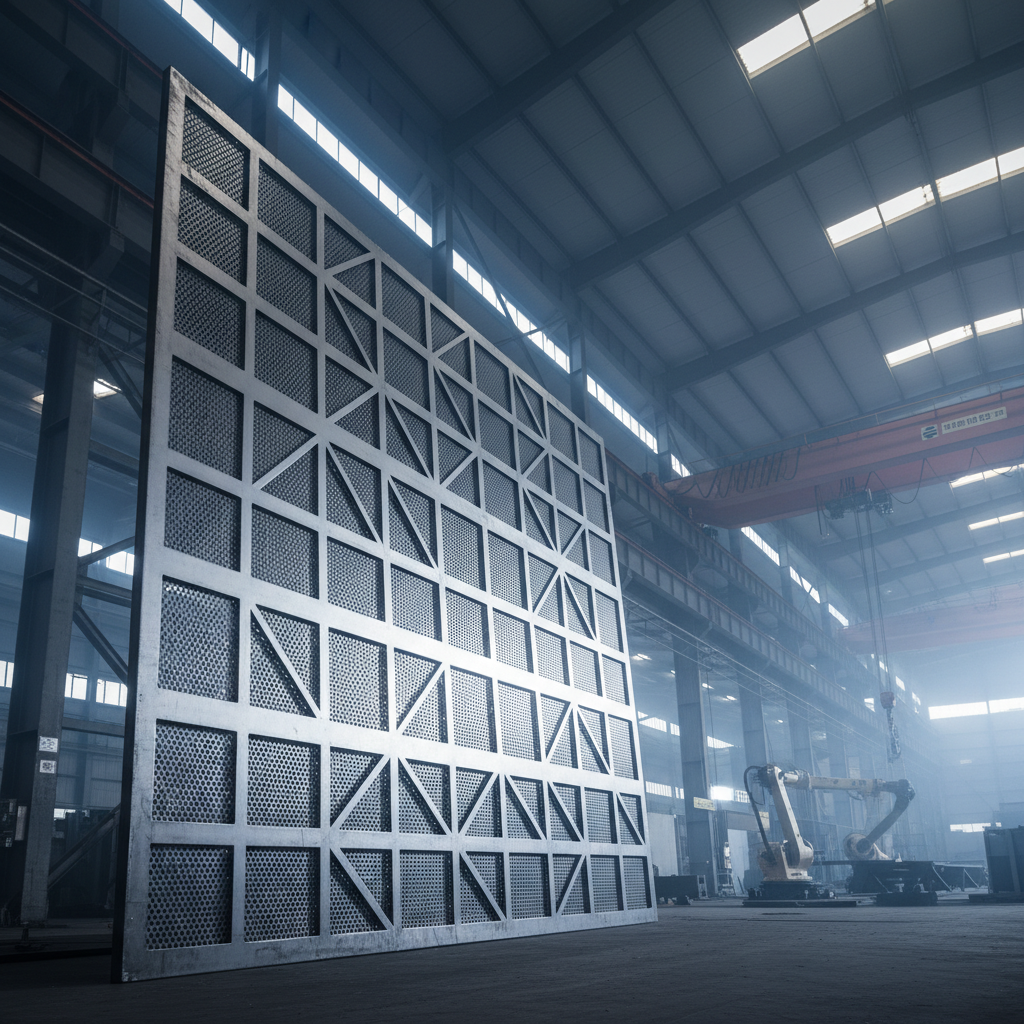
Metal screen, in its diverse forms, is a foundational element across numerous industries and increasingly vital in addressing global challenges. From simple window coverings to highly engineered filtration systems and robust structural components, metal screen’s versatility stems from its inherent properties – strength, durability, and the ability to be customized for specific applications. Understanding the nuances of metal screen manufacturing, materials, and applications is crucial for innovation and efficiency in sectors ranging from construction and agriculture to aerospace and environmental protection.
The global demand for metal screen is propelled by factors like rapid urbanization, growing industrialization, and an increasing focus on safety and security. According to industry reports, the global wire mesh market (which includes metal screen) is projected to reach \$14.5 billion by 2028, exhibiting a CAGR of 4.8% during the forecast period. This growth is significantly influenced by the demand for specialized metal screen solutions in filtration, architectural designs, and security applications.
A critical challenge lies in ensuring sustainable production practices and optimizing material usage in metal screen manufacturing. Traditional methods can be resource-intensive and generate waste. Therefore, the exploration of eco-friendly materials, advanced manufacturing techniques, and effective recycling programs are essential for mitigating environmental impact and fostering a circular economy around metal screen.
Introduction to Metal Screen
Metal screen represents a broad category of woven, welded, or expanded metallic materials characterized by their open structure and varied functionalities. These materials are engineered for applications demanding precise filtration, secure containment, efficient ventilation, or structural support. The ongoing evolution of metal screen technology centers around developing new alloys, refining manufacturing processes, and customizing screen properties to meet increasingly sophisticated application requirements.
The versatility of metal screen arises from the diverse range of materials used in its construction – including stainless steel, aluminum, copper, and titanium – each offering unique attributes like corrosion resistance, strength, and conductivity. This adaptability makes metal screen an indispensable component in sectors spanning aerospace, automotive, pharmaceutical, food processing, and security, ensuring that solutions are tailored to specific performance criteria.
Defining Metal Screen
At its core, metal screen is a material defined by regularly arranged openings within a metal framework. These openings, controlled by factors such as wire diameter, mesh count, and weaving pattern, dictate the screen’s permeability, filtration capacity, and structural integrity. It’s crucial to differentiate metal screen from simple metal sheeting; the defining characteristic is the presence of these designed openings, providing functionality beyond a solid barrier.
This distinction is critical in modern industry, where metal screen serves as a functional component in numerous processes. From the precise filtration of liquids and gases in pharmaceutical manufacturing to the protective barriers found in industrial machinery, the role of metal screen is often integral to operational efficiency and product quality.
The increasing focus on sustainability has further broadened the application of metal screen, with its use in renewable energy technologies, like solar panel construction and wind turbine components, contributing to a greener future. It connects directly to humanitarian needs by offering affordable and effective solutions for water purification and sanitation in developing regions.
Key Characteristics of Metal Screen
Durability stands as a paramount characteristic of metal screen. Constructed from robust materials like stainless steel and aluminum, it withstands harsh environmental conditions, including extreme temperatures, corrosive substances, and physical abrasion. This longevity translates to reduced maintenance costs and extended service life, making it an economically sound choice for long-term applications.
Versatility is another key strength. Metal screen can be manufactured in a vast array of mesh sizes, wire diameters, and weaving patterns, enabling customization to meet specific application requirements. This adaptability extends to the materials used, allowing for tailored solutions optimized for corrosion resistance, conductivity, or strength.
Precise Filtration capabilities are crucial in many applications. The controlled opening size of metal screen enables accurate separation of particles, liquids, or gases, making it ideal for use in filtration systems, sieving processes, and protective barriers. This precision is often a vital factor in maintaining product quality and safety.
Applications of Metal Screen
Metal screen finds widespread application in the architectural sector, used for facade cladding, sun shading, and safety barriers, offering both aesthetic appeal and functional benefits like ventilation and security. Its durable nature and resistance to weathering make it a long-lasting and visually striking building material.
In the agricultural industry, metal screen serves as protective netting for crops, poultry enclosures, and livestock fencing, safeguarding against pests, predators, and environmental hazards. This helps maximize yields and maintain animal welfare.
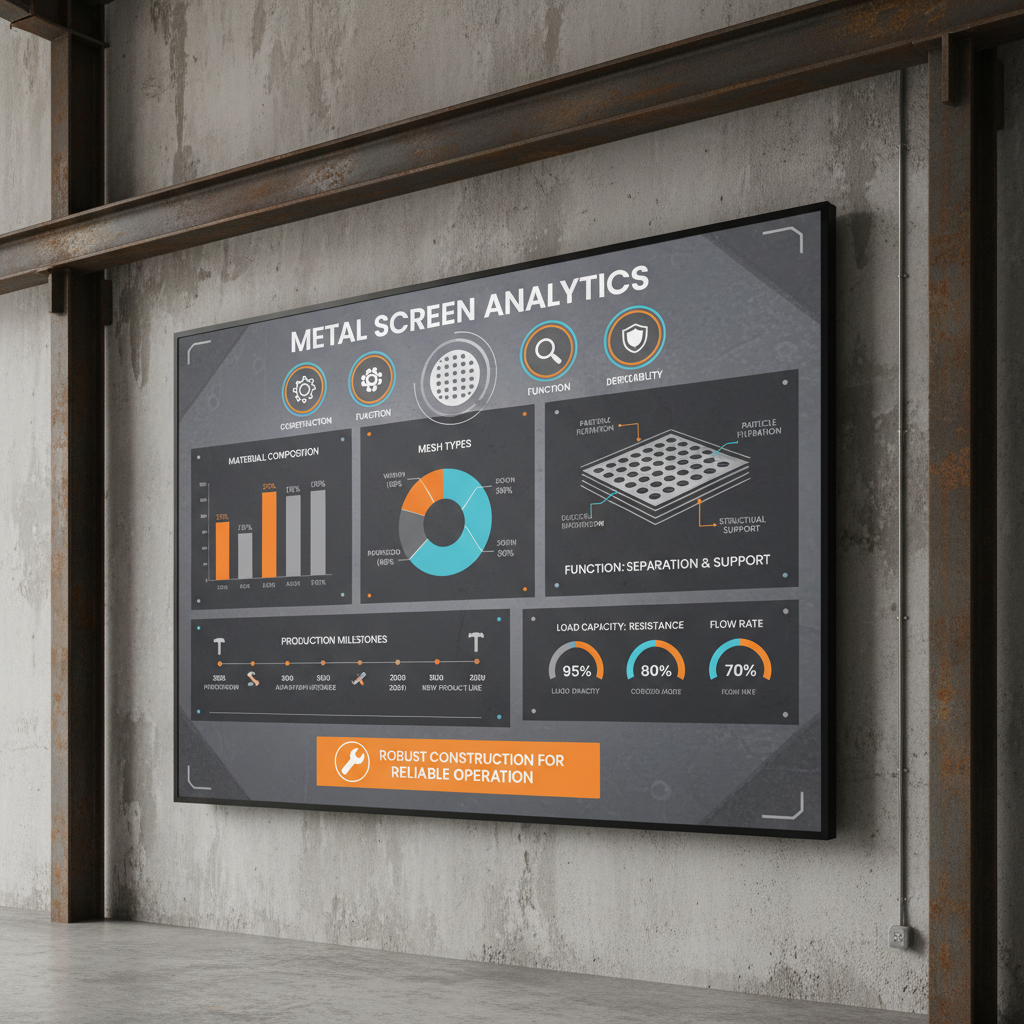
Metal Screen Application Performance
Advantages of Utilizing Metal Screen
The cost-effectiveness of metal screen is a significant benefit, particularly when considering its longevity and minimal maintenance requirements. While the initial investment might be higher than some alternatives, the reduced need for repairs and replacements results in long-term savings.
Sustainability is increasingly important. Metal screen is often recyclable, reducing waste and minimizing environmental impact. Furthermore, the use of durable materials minimizes the need for frequent replacements, conserving resources and reducing the carbon footprint associated with manufacturing and transportation.
Global Impact and Regional Adoption
In developed economies, metal screen is integral to advanced manufacturing processes, aerospace engineering, and architectural innovation. Regions like North America and Europe demonstrate strong demand for high-precision, specialized metal screen solutions.
Emerging economies in Asia and South America are experiencing rapid growth in metal screen consumption, driven by expanding industrial sectors and infrastructure development. In these regions, metal screen is utilized extensively in construction, agriculture, and water management.
Post-disaster relief operations often rely on metal screen for providing temporary shelters, water purification systems, and protective barriers. Its lightweight, durable, and easily deployable nature makes it a critical resource in emergency situations.
Future Trends in Metal Screen Technology
The integration of nanotechnology into metal screen manufacturing promises to enhance its properties, such as increasing strength, improving filtration efficiency, and adding self-cleaning capabilities. These advancements will open up new applications in diverse fields like biomedical engineering and advanced materials science.
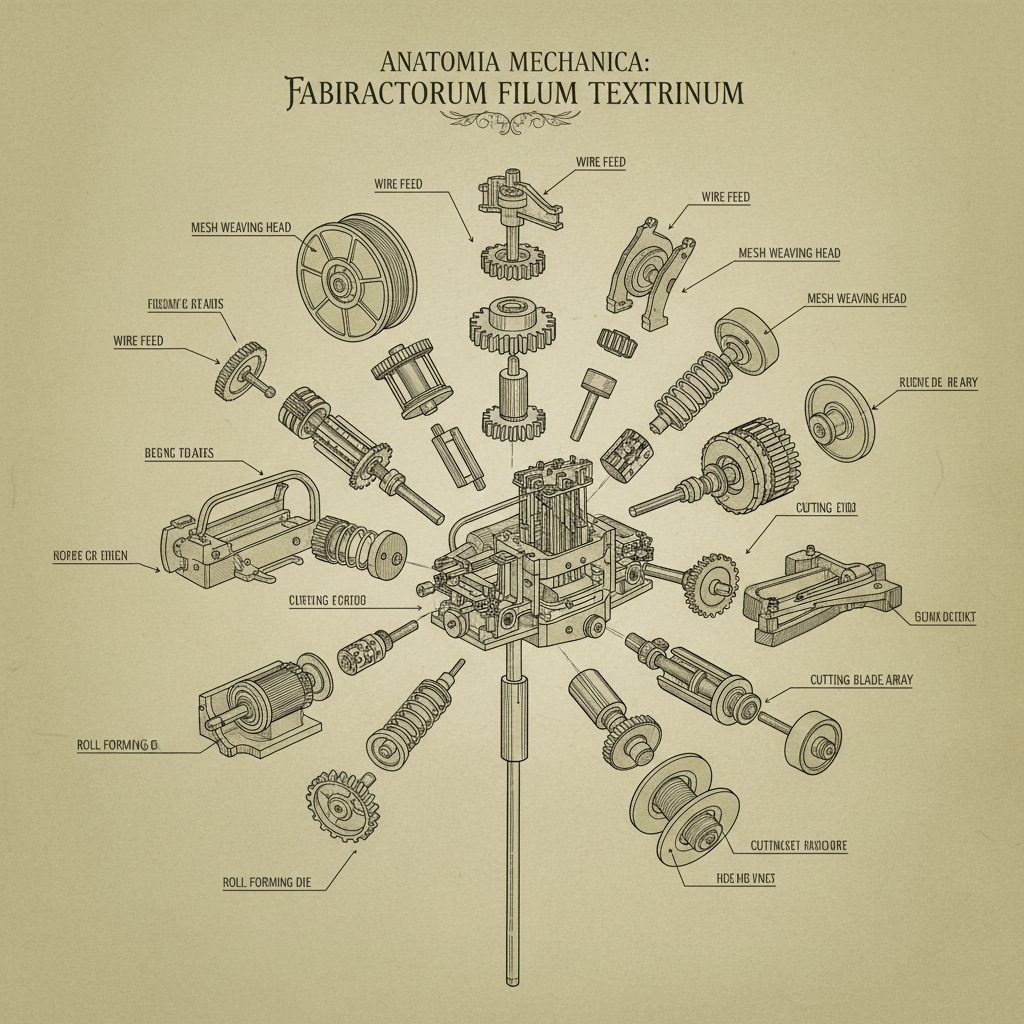
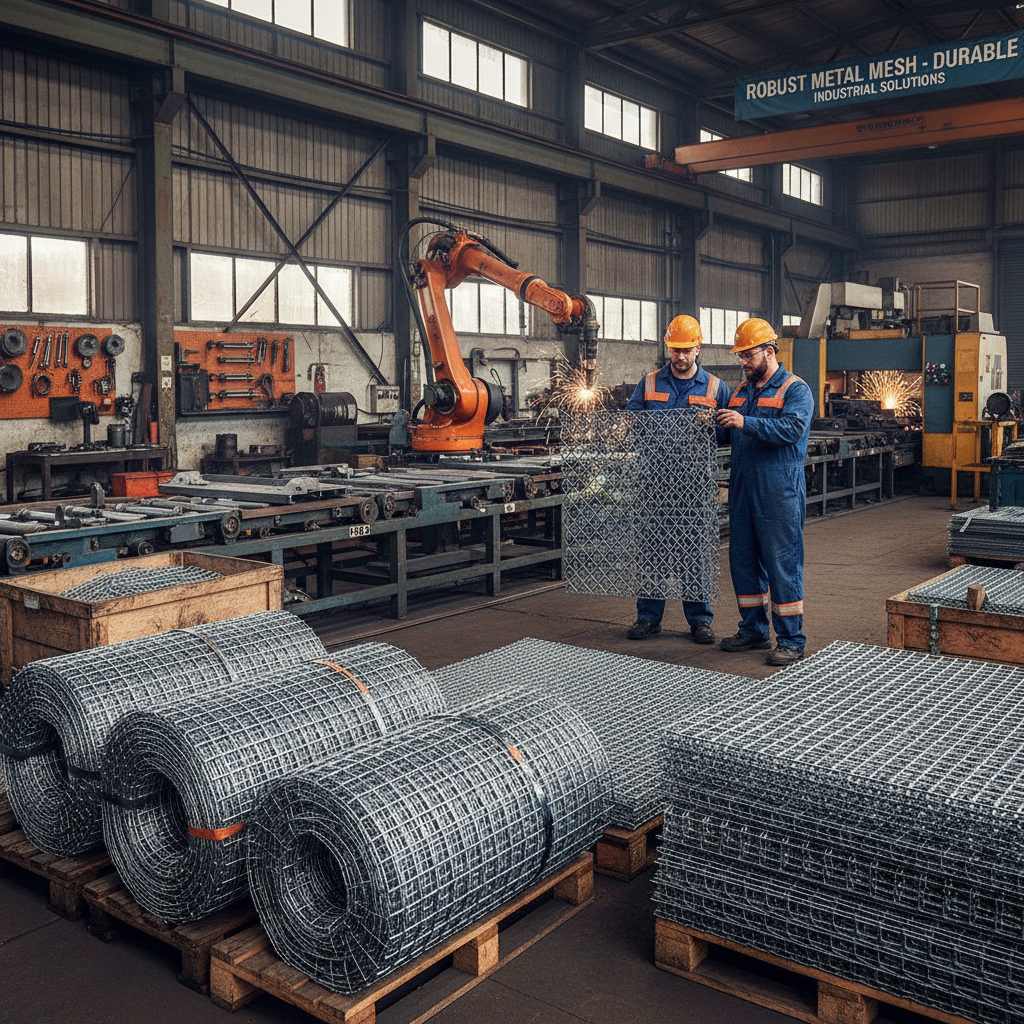
Automation and robotics are transforming metal screen production, improving precision, reducing labor costs, and increasing output. Automated weaving and welding processes ensure consistent quality and enable the creation of complex screen designs.
The development of biodegradable metal screen materials, utilizing sustainable resources and minimizing environmental impact, represents a significant trend towards eco-friendly solutions. This aligns with growing consumer demand for sustainable products and supports a circular economy.
Core Analysis of Future Trends in Metal Screen Technology
| Trend Category |
Impact on Performance |
Adoption Rate (1-10) |
Potential Challenges |
| Nanotechnology Integration |
Enhanced Strength & Filtration |
6 |
High Production Costs |
| Automated Manufacturing |
Increased Precision & Output |
8 |
Initial Investment in Equipment |
| Biodegradable Materials |
Reduced Environmental Impact |
5 |
Material Durability Concerns |
| Smart Metal Screen |
Real-time Monitoring & Control |
4 |
Data Security & Complexity |
| 3D Printed Metal Screen |
Custom Designs & Complex Geometries |
7 |
Material Limitations & Speed |
| Self-Healing Metal Screen |
Extended Lifespan & Reduced Maintenance |
3 |
Technological Maturity & Cost |
FAQS
The most prevalent materials include stainless steel (renowned for its corrosion resistance and strength), aluminum (lightweight and cost-effective), and copper (excellent conductivity). Other materials like titanium and specialized alloys are used for niche applications demanding specific properties. The choice depends heavily on the intended application and performance requirements. Understanding the properties of each material is key to selecting the optimal metal screen for a given task.
Mesh count, measured in meshes per inch (MPI), determines the size of the openings in the screen. To determine the appropriate mesh count, you need to know the particle size you need to filter. A higher MPI means smaller openings, suitable for filtering finer particles. Conversely, a lower MPI is better for larger particles. Consulting with a metal screen specialist can help ensure optimal selection based on precise filtration needs.
Metal screen plays a vital role in construction, serving as facade cladding, sun shading devices, security barriers, and reinforcing elements. It’s used for aesthetic purposes, providing a modern and sophisticated look, and for functional benefits like ventilation, light control, and protection against intruders. Increasingly, metal screen is incorporated into green building designs for improved energy efficiency.
Corrosion protection methods depend on the material and environment. Stainless steel offers inherent corrosion resistance. For other materials, techniques like galvanizing (coating with zinc), powder coating, or specialized surface treatments can be applied. Regularly cleaning and maintaining the screen also helps prevent corrosion buildup, particularly in marine or industrial environments.
Yes, metal screen is generally highly recyclable, especially when made from materials like aluminum and stainless steel. Recycling reduces the need for virgin materials, conserves energy, and minimizes environmental impact. Many metal screen manufacturers offer recycling programs or collaborate with scrap metal recyclers to promote responsible waste management.
Cost is influenced by several factors, including the material type (stainless steel being more expensive than aluminum), mesh count (higher counts generally cost more), weave pattern (complex weaves increase costs), quantity ordered, and any special finishes or coatings. Customization and specialized applications also contribute to higher prices.
Conclusion
Metal screen is a versatile and essential material that underpins numerous industries and addresses pressing global challenges. Its inherent durability, adaptability, and potential for innovation make it a cornerstone of modern infrastructure, manufacturing, and sustainable solutions. Understanding its properties, applications, and future trends is critical for engineers, designers, and policymakers seeking to optimize performance, enhance efficiency, and minimize environmental impact.
Looking forward, continued advancements in materials science, automation, and sustainable manufacturing practices will further expand the capabilities and applications of metal screen. Embracing these innovations will unlock new opportunities for creating safer, more efficient, and environmentally responsible products and systems, solidifying metal screen’s pivotal role in shaping a more sustainable future. Visit our website at www.jinzehongwiremesh.com to explore our range of metal screen products and solutions.