0%

Table of Contents

Look, I've been running around construction sites for fifteen years, seen everything under the sun. Lately, everyone's talking about prefabrication, modular builds… it’s the big trend. But honestly, a lot of folks jump in without thinking through the details. They think it's just slapping some pieces together, but it's way more nuanced than that. The devil, as always, is in the details.

It's funny, you spend all this time designing something perfectly in CAD, then you get it out on site, and it's a completely different beast. Wind loads, soil conditions, even just the guys installing it differently… it all adds up. You've got to get your boots dirty and see how things actually work.

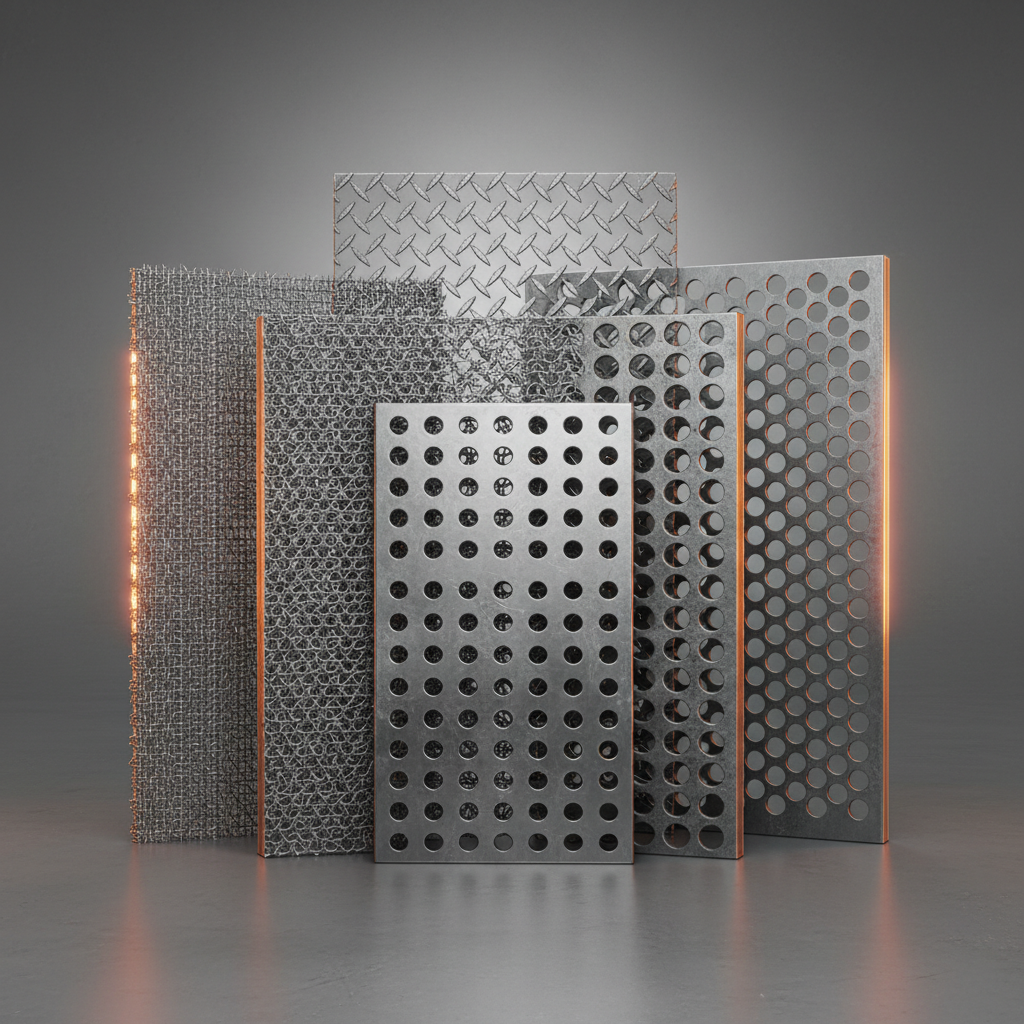
And don't even get me started on the materials. We’re primarily talking about wire mesh, of course, but it’s not just “wire mesh.” It’s galvanized steel, stainless steel 304, 316… each one feels different, smells different, even behaves differently when you’re cutting and bending it. Galvanized, you get that zinc smell, kinda metallic. Stainless, well, it's smoother, more expensive. You can tell a cheap mesh just by how it feels in your hands, you know? It's got a certain…give.
Navigating the World of Wire Mesh China Construction and Material Selection

Industry Trends and Common Pitfalls

Navigating the World of Wire Mesh China Construction and Material Selection

To be honest, this push for prefab is driven by labor shortages, mostly. Everyone's scrambling for skilled workers. But what I've seen is people cutting corners on the mesh itself to save a few bucks. They think, “It’s just wire, how different can it be?” That’s where you get problems. You’ll get corrosion issues down the line, structural weaknesses… It's a false economy, I tell ya.

Have you noticed how everyone’s obsessed with BIM now? Building Information Modeling. Great in theory, but if your mesh specs aren’t accurate in the model, the whole thing falls apart. I encountered this at a factory in Wuxi last time – they’d modeled the mesh with the wrong gauge wire, and the whole thing had to be scrapped. Cost them a fortune.

Materials: Beyond Just 'Wire Mesh'

Like I said, it's not just “wire mesh.” You've got your galvanized steel, good for general outdoor use. But if you’re near the coast, or dealing with harsh chemicals, you need stainless steel. 304 is okay for a lot of stuff, but 316 is the gold standard for corrosion resistance. And the weave… that matters too. Plain weave, twill weave, dutch weave, hexagonal… each one has its strengths and weaknesses. Hexagonal is good for gabions, obviously, but it's not great for reinforcing concrete.

Then there’s the coating. PVC coating, epoxy coating… gives you extra protection and can be color-coded. I saw one job where they used red coated mesh to highlight safety zones – clever idea, actually.

Strangely, a lot of people overlook the importance of the wire diameter. A seemingly small difference in wire thickness can significantly impact the mesh's strength and longevity. It's like… you wouldn’t build a skyscraper with toothpicks, would you?

Real-World Testing: What Actually Matters

Lab tests are fine, don't get me wrong. Tensile strength, shear resistance, all that jazz. But what really matters is how it holds up on the job site. I've seen mesh that passed all the lab tests but buckled under the weight of wet concrete.

We do a lot of field testing – basically, just putting the mesh under stress in realistic conditions. We'll build small mock-ups, load them up with weights, expose them to the elements… See what breaks, see how it bends. That tells you a lot more than a fancy report.

One thing I always check is the weld points. If it's welded wire mesh, those welds are the weak link. I’ll give 'em a good whack with a hammer, see if they hold. Sounds barbaric, I know, but it works. Later… Forget it, I won’t mention it.

How It's Actually Used

This is where things get interesting. You design this mesh for one thing, and then the guys on site find another use for it. I saw a crew using it to create temporary walkways over muddy ground! They just draped it over some supports. Ingenious, really, but not what it was intended for.

A lot of times, it's used as formwork for concrete. They bend it into shape, secure it with ties, and pour the concrete directly into it. It’s a quick and easy way to get a smooth finish.

Wire Mesh China Applications & Performance


Advantages and Disadvantages – The Honest Truth

The biggest advantage is strength-to-weight ratio, obviously. You get a lot of structural support without adding a ton of weight. It's also relatively inexpensive, compared to other materials. And it’s versatile – you can cut it, bend it, weld it, pretty much do whatever you need to.

But it's not perfect. It corrodes, as we talked about. It can be difficult to work with – especially the thicker gauges. And it’s not always aesthetically pleasing. Sometimes you need to cover it up with cladding or paint. Honestly, covering it up often makes things worse.

Customization: Beyond the Catalog

A lot of suppliers will tell you “take it or leave it.” But a good supplier will work with you on customization. I had a client who needed mesh with a specific aperture size for a filtration system. The standard mesh didn’t have it. We worked with the factory to create a custom die, and they were able to produce exactly what he needed.

Another time, a customer wanted a specific color coating. Not just red or green, but a very specific shade of blue to match their branding. Took some doing, but we got it done. That’s where having good relationships with the manufacturers is crucial.

A Shenzhen Story and Practical Considerations

Last month, that small boss in Shenzhen who makes smart home devices insisted on changing the interface to . It was for a little metal enclosure that needed ventilation. He said it looked more “modern.” I told him the hexagonal mesh was perfectly adequate and way cheaper, but he wouldn’t listen. The result? He ended up paying three times as much for a mesh that didn’t actually perform any better. And it took twice as long to get it.

Anyway, I think the key takeaway is this: Don't overthink it. Don't get caught up in the bells and whistles. Focus on the fundamentals: material quality, proper installation, and realistic testing.

Ultimately, whether this thing works or not, the worker will know the moment he tightens the screw.

Core Considerations for Wire Mesh China Selection

Application Area Material Grade Corrosion Risk Cost (Scale 1-5)
Concrete Reinforcement Q235 Galvanized Steel Low 2
Coastal Fencing 316 Stainless Steel High 5
Gabion Baskets Galvanized Steel (PVC Coated) Medium 3
Industrial Filtration 304 Stainless Steel Medium 4
Security Screening Welded Wire Mesh, Galvanized Low to Medium 2
Animal Enclosures PVC Coated Galvanized Steel Low to Medium 3

FAQS

What is the typical lifespan of wire mesh china used in concrete reinforcement?

Assuming proper galvanization and installation, wire mesh used for concrete reinforcement can last 50-75 years, even in moderately corrosive environments. However, this is heavily dependent on the quality of the steel and the coating. If it's cheap stuff, you're looking at maybe 20-30 years before you start seeing significant corrosion. Proper concrete cover is also crucial – you need enough concrete to protect the mesh from the elements.

What's the best way to prevent corrosion in coastal applications?

Stainless steel 316 is your best bet, no question. It's more expensive upfront, but it will save you money in the long run. Alternatively, you can use heavily galvanized steel with a robust PVC coating. Regular inspections and maintenance are also vital. Look for signs of rust and address them immediately. Using a corrosion inhibitor in the concrete mix can also help.

Can wire mesh china be recycled?

Absolutely. Steel is one of the most recyclable materials on the planet. Scrap yards will happily take it. Galvanized steel can also be recycled, but it requires a bit more processing to remove the zinc coating. Always check with your local recycling facility for specific guidelines.

What is the difference between welded wire mesh and woven wire mesh?

Welded wire mesh is formed by welding wires together at their intersections, creating a rigid grid. It’s generally stronger and more dimensionally stable. Woven wire mesh, on the other hand, is created by interlacing wires, like fabric. It’s more flexible and often used for applications where some give is needed, like animal enclosures or screening.

What safety precautions should be taken when handling wire mesh china?

Always wear gloves to protect your hands from sharp edges. Eye protection is essential, especially when cutting or bending the mesh. Steel-toe boots are a must, and long sleeves are a good idea. Be mindful of pinch points when working with the mesh, and use appropriate tools to avoid injury. And seriously, don't be a hero – if it's too heavy to lift safely, get help.

What mesh size should I choose for rodent control?

For effective rodent control, you want a mesh size of ¼ inch (6.35mm) or smaller. Rats can squeeze through surprisingly small openings, so it’s better to err on the side of caution. Hardware cloth is a good option for this purpose – it's a durable and tightly woven mesh that’s specifically designed to keep pests out. Just make sure it's galvanized to prevent rust.

Conclusion

So, there you have it. Wire mesh china – it’s a simple product, but there’s a surprising amount of nuance to it. From understanding the different materials and weaves to considering the specific application and environmental factors, it’s a lot more than just picking something off the shelf. It’s about knowing what works, what doesn’t, and what’s going to hold up over the long haul.

Look, things are changing fast. New materials, new techniques… But at the end of the day, a good product will speak for itself. Check out our website at wire mesh china, and we can help you find the right mesh for your project. And remember – the worker will know the moment he tightens the screw.

Robert Thompson

Robert Thompson

Robert Thompson serves as a Senior Technical Consultant at Jinzehong. A veteran of the materials science field, Robert provides expert guidance to clients navigating the selection of the optimal wire mesh for their projects. His background includes extensive research on corrosion resistance and material durability, particularly in challenging environments. Robert’s
Previous Exploring the Growing Landscape of Wire Mesh in China
Next Navigating Modern Construction with a Reliable Wire Mesh Factory