Understanding Flexible Stainless Steel Wire Mesh: A Worldwide Asset in Industry and Innovation
If you’ve ever held a piece of flexible stainless steel wire mesh, you know it isn’t your typical “wire fence.” It bends, stretches, and conforms without giving up its strength—a unique combination that’s quietly underpinning everything from cutting-edge industrial filters to disaster relief infrastructure. It might sound niche, but globally, this material plays a surprisingly pivotal role. Understanding its properties and widespread applications helps industries innovate while addressing some of the world’s pressing challenges like environmental resilience and sustainable manufacturing.
The Global Relevance of Flexible Stainless Steel Wire Mesh
In today’s fast-paced industrial landscape, flexible stainless steel wire mesh has become a go-to solution for multiple sectors. According to ISO reports, stainless steel demand is expected to rise annually by about 3% globally, driven largely by infrastructure and environmental applications. The flexibility factor particularly matters when adaptability and durability have to meet harsh conditions. Think about it: from chemical plants in remote regions to construction sites in earthquake zones, this material tackles challenges most rigid systems simply can’t. Especially with the planet’s lean towards sustainable materials, knowing how to make and deploy flexible stainless steel wire mesh can be a game changer.
At the heart of its success is versatility—whether for scientific filtration or as part of a protective barrier on sensitive electronics. Its global impact spans continents and industries alike, from Asia’s booming manufacturing hubs to humanitarian efforts in Africa’s climate-volatile zones.
What Exactly Is Flexible Stainless Steel Wire Mesh?
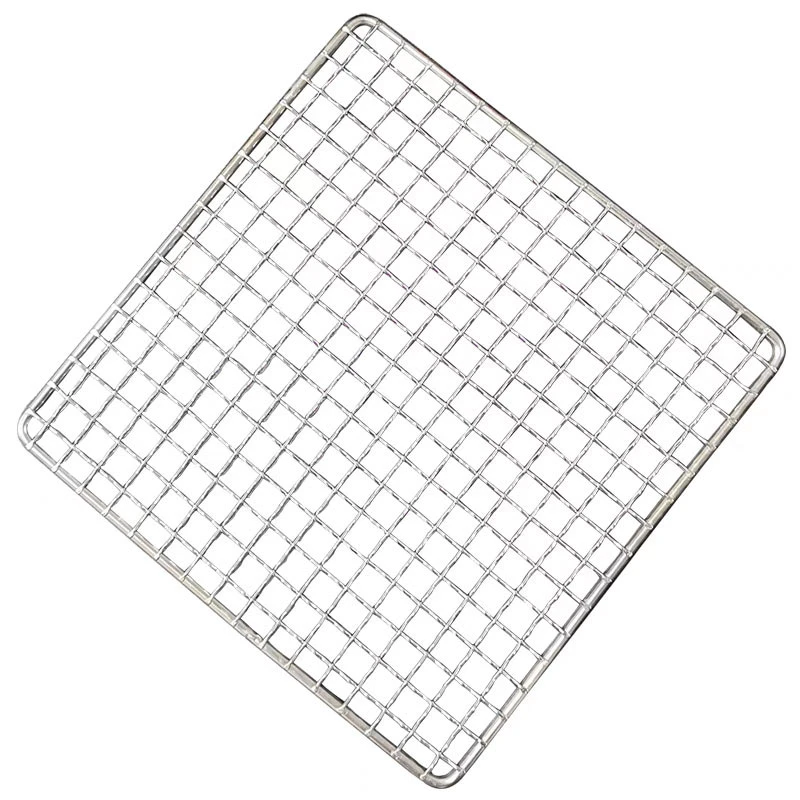
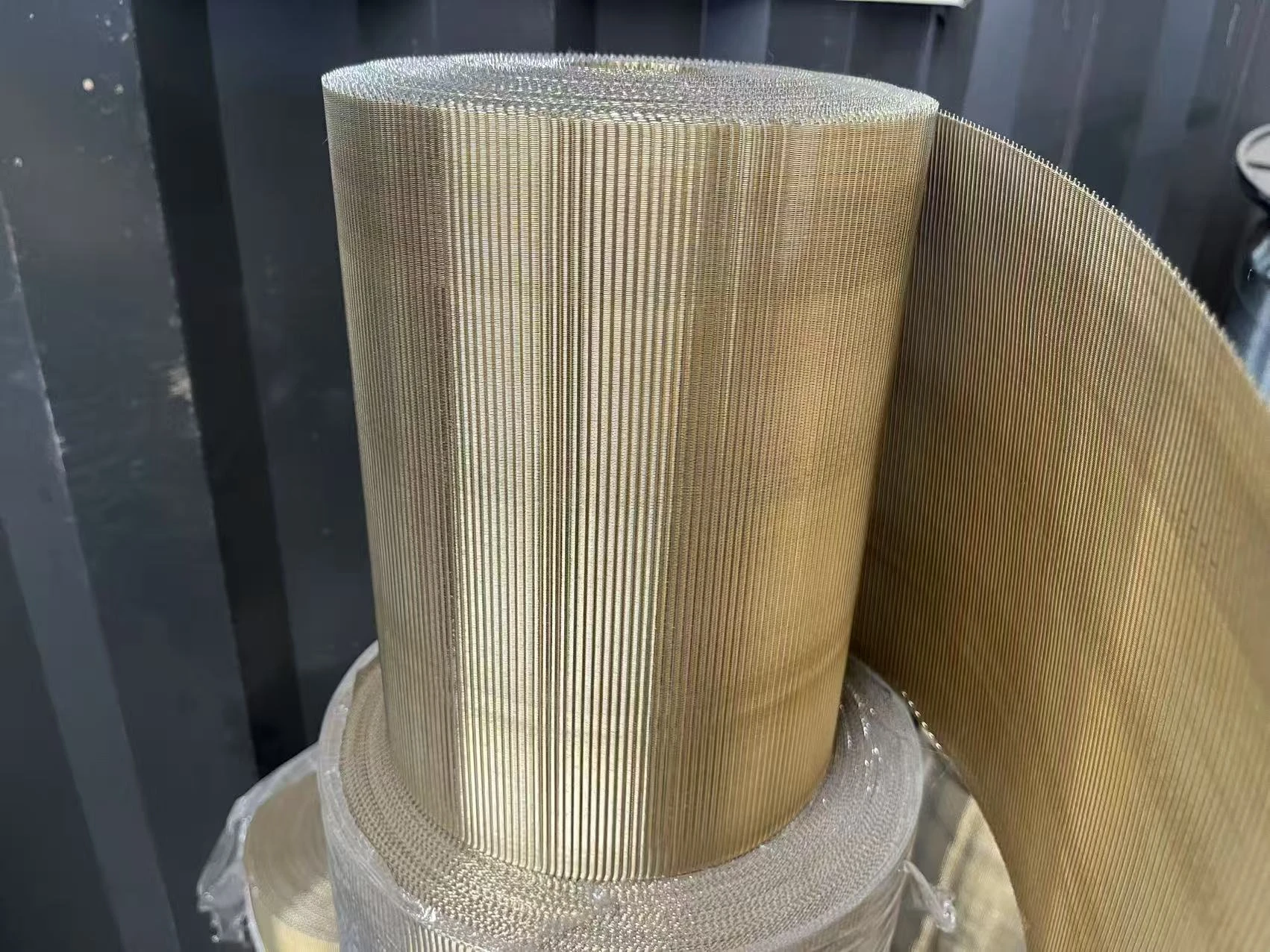
At its core, flexible stainless steel wire mesh is formed by weaving or knitting thin stainless steel wires into a fabric-like material that resists corrosion, heat, and mechanical stress. Unlike rigid wire grids, it can flex and contour to irregular shapes without fracturing or losing structural integrity. This makes it ideal for dynamic environments.
It serves a dual need: offering sturdy protection while allowing movement or airflow, a combination critical in modern industry and even in humanitarian contexts. For instance, flexible stainless steel wire mesh can be deployed quickly as flexible reinforcements for temporary shelters or breathe easy filters in health-related applications.
Core Features of Flexible Stainless Steel Wire Mesh You Should Know
1. Durability Beyond the Ordinary
Stainless steel naturally resists rust and chemical corrosion, so when woven into mesh form, it stands up to damp, salty air or aggressive chemicals. This longevity means less replacement and fewer disruptions—gladly saving significant downtime and costs.
2. Unparalleled Flexibility and Adaptability
The mesh’s ability to bend, fold, or stretch without damage sets it apart. Whether wrapped around a curved machine part or folded into a filter unit, this flexibility caters to complex manufacturing demands.
3. Precision Filtration & Breathability
By varying weave tightness and wire gauge, manufacturers tailor mesh porosity for filtering liquids, gases, or even electromagnetic waves. Such customization empowers industries from oil refining to electronics.
4. Cost Efficiency Over Time
While initial costs might seem higher versus traditional materials, the lasting durability and low maintenance tilt the scales. This factor is especially compelling for projects with tight budgets but long-term goals.
5. Eco-Friendly Sustainability
Simply put, stainless steel is 100% recyclable without degradation of its properties. Using flexible mesh aligns well with sustainable manufacturing and circular economy principles, a plus for environmentally conscious buyers.
A Mini Takeaway:
Flexible stainless steel wire mesh isn’t just a metal webbing; it’s a multifunctional industrial partner promising longevity, adaptability, and eco-conscious advantages altogether.
Practical Real-World Applications Around the Globe
Whether in bustling urban centers or remote industrial outposts, flexible stainless steel wire mesh is heavily relied upon:
- Medical Filtration in Europe: Advanced diagnostic equipment employs fine mesh filters so sensitive that even microscopic particles are caught without gas flow restriction.
- Disaster Relief Shelters in Southeast Asia: Quickly deployable steel mesh panels reinforce temporary housing, offering resilience against typhoon winds while ensuring ventilation.
- Oil & Gas Industry in the Middle East: Used as corrosion-resistant protective linings for pipelines subject to extreme abrasion and temperature swings.
- Electronics Heat Dissipation in North America: Flexible mesh cases allow airflow while safeguarding components from electromagnetic interference.
In fact, NGOs often source flexible stainless steel wire mesh because of its tough, lightweight properties that sustain difficult environmental conditions without hindrance.
Advantages That Last: Why Choose Flexible Stainless Steel Wire Mesh?
Beyond the technical specs, the long-term value resonates emotionally and practically. In fields where safety equates dignity—like healthcare or housing during crises—reliable materials such as this mesh are treasured. Stakeholders feel reassured knowing their structures or equipment will hold up even after repeated stress and weather extremes.
Logically, the combined advantages—reduced waste, less frequent replacements, energy saving by durable performance—translate to cost savings and sustainability wins. It’s not only an investment in hardware but also a step toward ethical industrial practices.
Looking Ahead: Trends and Innovations
Materials scientists are pushing limits with nanocoatings on flexible stainless steel wire mesh to further enhance corrosion resistance and add self-cleaning properties. There’s also a growing push for integration into smart textiles—imagine mesh that can change filter tightness automatically or monitor structural integrity in real-time.
Automation and digital manufacturing techniques allow producers to customize mesh specifications on-demand, reducing waste and speeding delivery. As green energy initiatives grow, mesh used in solar concentrators and other renewable tech is becoming more refined and vital.
Facing Challenges and Crafting Solutions
Of course, no material is perfect. Sometimes flexibility means trade-offs with tensile strength, or costs can be a barrier for smaller operators. Plus, improper installation can reduce mesh lifespan.
Experts recommend thorough testing regimes, such as ASTM standards for mechanical and corrosion properties, and tailored guidance on mesh selection for specific climates or industrial needs. Such steps help make sure the mesh’s promise matches reality in the field.
Frequently Asked Questions About Flexible Stainless Steel Wire Mesh
- Q: How does flexible stainless steel wire mesh compare to traditional rigid mesh?
- A: Flexible mesh offers better adaptability to complex shapes and dynamic environments without cracking, while rigid mesh is generally more stable for fixed applications. The choice depends on the project’s need for movement versus firmness.
- Q: Can flexible stainless steel wire mesh be used in food processing environments?
- A: Absolutely. Its corrosion resistance and ability to handle high temperatures make it ideal for food-grade sieves, filters, and conveyor belts, ensuring hygiene and durability.
- Q: What is the typical lifespan of flexible stainless steel wire mesh in harsh conditions?
- With proper maintenance, these meshes can last 10-20 years or more, depending on usage and environment, which often outperforms alternatives substantially.
- Q: Are there environmental concerns with stainless steel mesh production?
- While stainless steel production requires energy, recycling rates help mitigate environmental impact. Also, longer-lasting products reduce overall material consumption.
- Q: How can international buyers ensure they get certified quality mesh?
- Look for suppliers compliant with ISO and ASTM standards, and request certifications and sample tests before full procurement.
Specifications at a Glance
| Specification |
Typical Range |
Notes |
| Wire Diameter |
0.1 mm – 1.0 mm |
Select for flexibility vs strength balance |
| Mesh Opening Size |
10 to 200 mesh |
Controls filtration fineness |
| Material Grades |
304, 316, 321 stainless steel |
316 preferred in harsh chemical environments |
| Typical Widths |
0.5 m – 2.0 m rolls |
Custom widths upon request |
Vendor Comparison: Choosing the Right Supplier
| Vendor |
Product Range |
Customization |
Lead Time |
Certifications |
| Jinzehong Wire Mesh |
Broad, incl. custom design |
High – tailored orders available |
2-4 weeks standard |
ISO 9001, ASTM compliant |
| MeshTech Solutions |
Medium, focus on filtration |
Moderate, mainly standard sizes |
3-5 weeks |
ISO 14001 |
| Global Steel Mesh |
Wide but slower to customize |
Low – mostly catalog items |
4-6 weeks |
ASTM compliant |
Wrapping Up: The Long-Term Value of Flexible Stainless Steel Wire Mesh
To sum it all up: if you’re aiming at durability, adaptability, and sustainability in industrial materials, you really can’t sidestep flexible stainless steel wire mesh. It strikes a balance pretty few products do—it’s tough yet pliable, cost-effective yet high-performance. Industries worldwide will increasingly lean on these fabrics of fine steel threads to meet the complexities of modern challenges, from environmental resilience to smarter manufacturing.
Curious to see how this adaptable mesh can fit your projects? Visit our website: https://www.jinzehongwiremesh.com and explore the possibilities.
References & Further Reading
- Wikipedia: Stainless Steel
- ISO Stainless Steel Standards
- World Bank Industry Overview