Why 60 Micron Stainless Steel Mesh Matters to Global Industries
At first glance, a 60 micron stainless steel mesh might sound very niche. But, if you stop and think for a moment, this tiny-scale mesh is a quiet workhorse underpinning critical applications worldwide. From filtration systems in clean energy sectors to secure screening in humanitarian aid, understanding this material opens doors to appreciating how we manage safety, efficiency, and sustainability globally. And frankly, in a world increasingly focused on clean water, environmental protection, and industrial precision, this mesh is a bit of a silent hero.
Mini takeaway: The 60 micron stainless steel mesh is integral to sectors that rely on ultra-precise filtration and contamination control — crucial for both economic growth and quality of life improvements.
The Global Context: Why This Mesh is Gaining Momentum
Globally, industries are shifting towards higher standards in filtration and protective materials — and the 60 micron stainless steel mesh fits right into this trend. According to a recent ISO standard update on filtration media, materials that can reliably sort particles as small as 60 microns are increasingly in demand. The UN estimates that more than 2 billion people worldwide suffer from water contamination issues, many caused by particles and impurities in water supply systems that could be filtered at micron levels.
Take wastewater treatment plants or even pharmaceutical manufacturing: the need for reliable, corrosion-resistant, and precise filtering materials is urgent. Yet, the challenge lies not just in filtering these minuscule particles, but in doing so with efficiency, durability, and cost-effectiveness — without causing bottlenecks in operations.
Mini takeaway: As global industrial and humanitarian challenges become more complex, demand for reliable, fine filtration like 60 micron stainless steel mesh is on the rise — a clear response to real-world needs.
So, What Exactly is 60 Micron Stainless Steel Mesh?
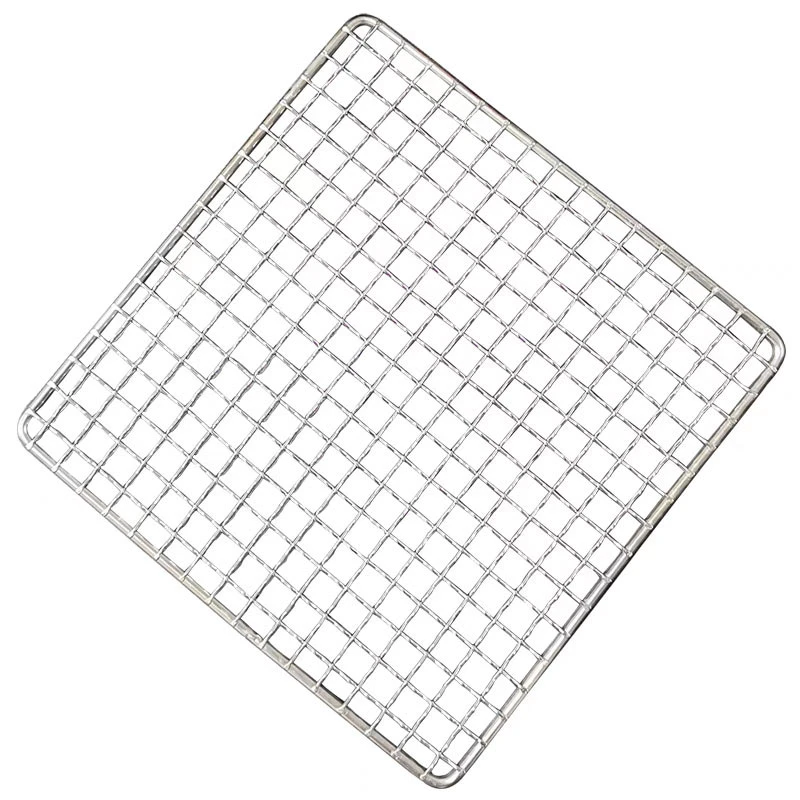
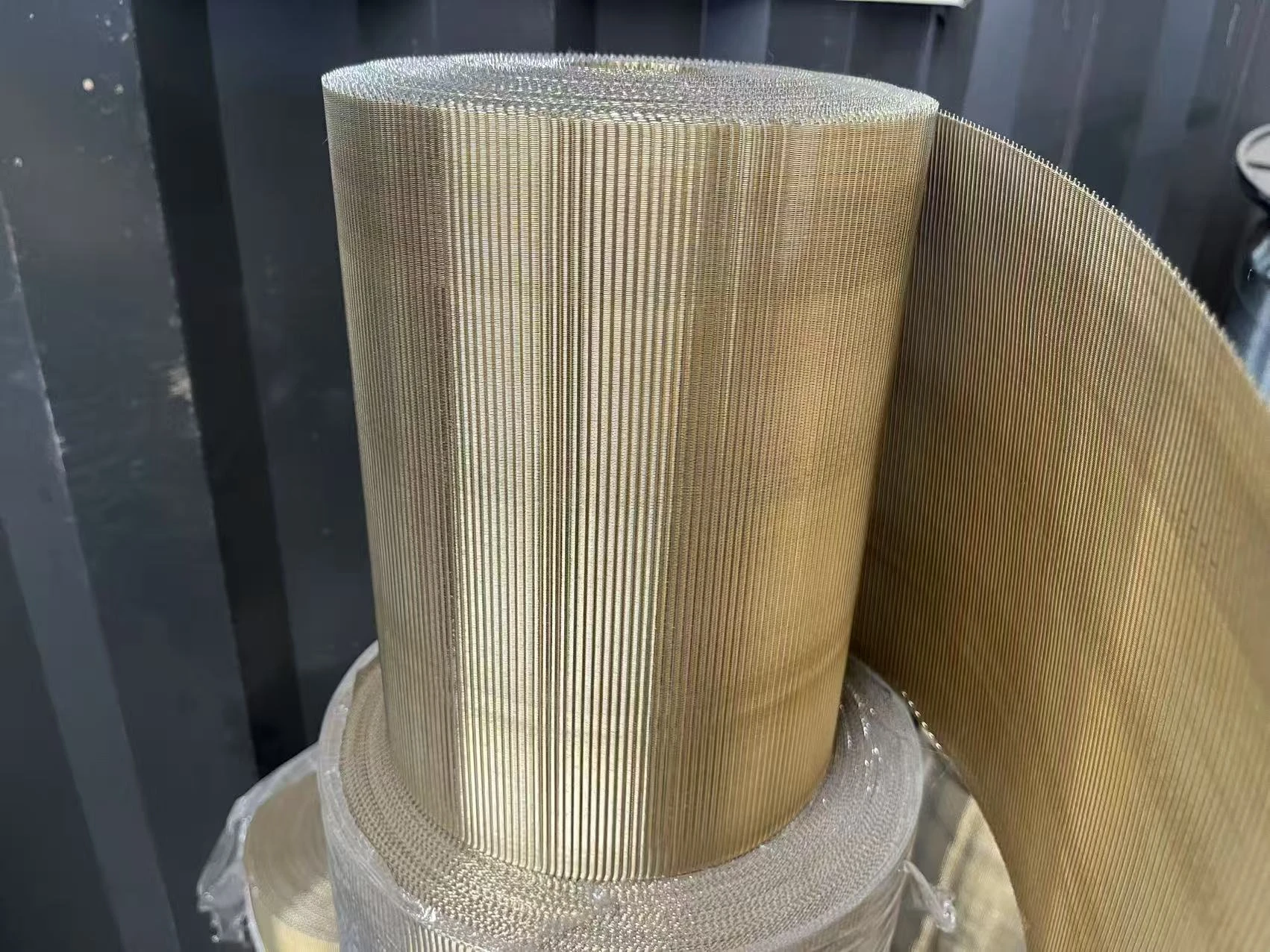
Breaking it down, a 60 micron stainless steel mesh is a metal screen made from stainless steel wires woven to create openings roughly 60 microns (0.06 millimeters) in size. Picture a grid fine enough to let air or liquid flow through but tight enough to catch particles about the size of fine sand or pollen.
This mesh isn’t just any steel; stainless steel is important here because it resists rust, corrosion, and chemical degradation. That means it can operate in challenging environments—like marine, chemical, or even food processing settings—without breaking down or contaminating the filtered materials.
Industries worldwide rely on this mesh for filters in everything from water purification systems and air filters to oil and gas production pipelines. Oddly enough, it’s the fidelity of the mesh and the enduring qualities of the stainless steel that give machinery and operations their ‘feel safe’ factor.
60 micron stainless steel mesh, in essence, combines the best of tight tolerance filtration and ironclad durability.
Key Characteristics of 60 Micron Stainless Steel Mesh
Durability & Corrosion Resistance
The stainless steel composition ensures long life under harsh conditions. This resistance to oxidation and corrosion means the mesh maintains integrity over years, even when continually wet or exposed to chemicals.
Precision Filtering
The 60 micron size strikes a balance—small enough to catch fine contaminants but large enough not to choke fluid or air flow. This makes it ideal for critical filtration tasks.
Temperature & Chemical Stability
Stainless steel meshes can withstand wide temperature ranges (roughly -200°C to +800°C), making them versatile across industries, from chemical reactors to HVAC systems.
Ease of Cleaning & Reusability
The mesh can be cleaned and reused multiple times, reducing waste and operational costs—something many engineers appreciate when working in remote or costly environments.
Customizability & Scalability
Wire diameters, mesh sizes, and weave styles can be tailored to specific needs, enabling solutions for both small components and large-scale filtration systems alike.
Mini takeaway: All these factors combined mean the mesh isn't just a passive shield — it actively supports efficient, long-term filtration that respects the balance between performance and durability.
Where 60 Micron Stainless Steel Mesh Finds Its Place
Industries and sectors leveraging this mesh are varied, but here are some common and critical applications:
- Water Treatment Plants: Screening particles to improve water safety and quality, especially in urban centers of Asia and Africa.
- Oil & Gas Industry: Used in filtration during drilling and refining processes, notably in the Middle East and North America.
- Automotive Manufacturing: As part of clean-room filtration components, particularly in precision engine parts factories in Europe and Japan.
- Food and Beverage: Ensures contaminants don’t spoil products; common in dairy and brewing industries globally.
- Humanitarian Relief Efforts: In emergency water filtration kits sent to disaster zones or refugee camps, often coordinated by NGOs.
For example, in post-disaster relief operations in Southeast Asia, portable water filtration systems employing 60 micron stainless steel mesh have been instrumental in preventing waterborne diseases.
Mini takeaway: Whether it’s mega-industries or grassroots humanitarian efforts, 60 micron stainless steel mesh plays a vital role in protecting health and ensuring operational integrity.
Product Specification Table: Typical 60 Micron Stainless Steel Mesh
| Parameter |
Specification |
| Mesh Opening Size |
60 Microns (±2 Microns) |
| Wire Diameter |
50 Microns to 70 Microns |
| Material |
304 or 316 Stainless Steel |
| Tensile Strength |
> 550 MPa |
| Temperature Range |
-200°C to +800°C |
| Typical Width |
Up to 2 meters (customizable) |
Comparing Vendors: What to Look For When Choosing 60 Micron Stainless Steel Mesh
| Criteria |
Vendor A (Premium) |
Vendor B (Mid-range) |
Vendor C (Budget) |
| Certification Standards |
ISO 9001, CE |
ISO 9001 |
None |
| Material Quality |
316L Stainless Steel |
304 Stainless Steel |
Generic Stainless Steel |
| Customization Options |
High (wire + weave + size) |
Moderate |
Limited |
| Delivery Time |
2-3 Weeks |
3-5 Weeks |
4-6 Weeks |
| Price per Sq Meter |
$45–55 |
$30–40 |
$20–25 |
Advantages and Long-Term Value of Using 60 Micron Stainless Steel Mesh
From a user perspective, the advantages shine through in multiple ways. First, the longevity of this mesh means fewer replacements, reducing both costs and waste. The inherent material strength builds confidence in safety systems — no unwanted failures in crucial moments. On the environmental front, reusability supports sustainability efforts by cutting down material consumption.
Then there’s the social side. Imagine the dignity restored when communities gain access to clean-filtered water, preventing disease outbreaks. Innovation like this meshes technical excellence with social impact—a rare and beautiful space.
Mini takeaway: Investing in quality 60 micron stainless steel mesh is not just about product specs — it’s about building reliable, sustainable, and socially responsible systems.
Looking Forward: Innovations and Emerging Trends
Technology in stainless steel mesh manufacturing isn’t standing still. Advances are pushing towards nano-coatings that reduce fouling and biofilm formation, which is huge for water treatment plants. Also, digital manufacturing techniques like laser weaving offer near-perfect precision and faster turnaround.
Green energy applications are eyeing this material for filtering hydrogen streams and batteries. Plus, some companies are exploring hybrid meshes — combining stainless steel with polymers for enhanced flexibility without sacrificing durability.
All told, the future feels promising, and the mesh is becoming smarter, not just finer.
Challenges & Solutions in Current Practice
Of course, no perfect thing exists. 60 micron stainless steel mesh can face clogging issues in extremely particulate-dense environments. In addition, cost is non-trivial when sourcing premium stainless steel. Also, competition from polymer meshes, which are lighter and sometimes cheaper, cannot be ignored.
However, innovations like self-cleaning coatings and modular mesh panels that are easy to swap out are making those issues less painful. Economies of scale and improved supply chains also chip away at price hurdles.
FAQ: Answers to Your Top Questions About 60 Micron Stainless Steel Mesh
Q1: What makes 60 micron stainless steel mesh better than plastic mesh filters?
A1: Stainless steel mesh offers superior durability, chemical resistance, and temperature tolerance compared to plastic. While plastic meshes are lightweight and cheaper, they degrade faster and don’t perform well in harsh environments such as oil refining or chemical processing.
Q2: Can 60 micron stainless steel mesh be used for air filtration in cleanrooms?
A2: Absolutely! Its fine mesh size and stainless steel resilience make it ideal for trapping dust and contaminants in controlled environments, helping maintain product quality in pharmaceuticals, electronics manufacturing, and more.
Q3: How easy is it to clean and reuse this mesh?
A3: Very easy. It can be cleaned using high-pressure water, ultrasonic cleaners, or chemical baths without damaging the metal. Its corrosion resistance ensures it won't rust or weaken, making it a durable, reusable filtration component.
Q4: Is customization available if my project needs slightly different mesh sizes or widths?
A4: Most reputable vendors offer customization for wire diameter, opening size, and mesh width to fit specific industrial requirements. This flexibility is crucial for specialized filtration tasks.
Q5: How do international clients typically handle shipping and customs for these meshes?
A5: Vendors experienced in global trade provide documentation and support for import/export compliance. Shipping is usually via sea or air freight, and working with a trusted supplier helps simplify regulatory hurdles.
Wrapping It Up: Why This Mesh Deserves Your Attention
In real terms — the long-term benefits of 60 micron stainless steel mesh are clear: reliability, adaptability, and a solid track record in critical industries. Whether you’re prepping for large scale industrial filtration or building resilient humanitarian supplies, it’s one of those materials that quietly but effectively holds everything together.
Ready to explore further? Visit our website at https://www.jinzehongwiremesh.com for more details and product options.
References
- ISO Filtration Standards
- UN Water Quality and Safety Data
- Wikipedia: Stainless Steel