Understanding t 304 Stainless Steel Wire Mesh: Material That Works Globally
In today's fast-evolving industrial and infrastructure landscape, t 304 stainless steel wire mesh has quietly become a cornerstone component across sectors. You might not obsess over wire mesh, but grasping its importance reveals insights about durability, safety, and even sustainability worldwide. Its widespread adoption—from disaster relief shelters to cleanroom filtration—reflects how versatile, reliable materials underpin large-scale human progress.
Setting the Stage: Why t 304 Stainless Steel Wire Mesh Matters Globally
When we look at global manufacturing and infrastructure standards, stainless steel ranks high due to corrosion resistance and strength. The UN Industrial Development Organization reports steel products contribute significantly to economic development, especially in construction, energy, and transportation sectors. Specifically, type 304 stainless steel—an austenitic alloy known for balance between cost and performance—dominates wire mesh production.
But why does the mesh format matter? Imagine harsh environments prone to rust, contaminants, or physical strain. Ordinary metals fail. Wire mesh made from 304 stainless steel offers a resilient, hygienic solution with scalability that addresses challenges in sectors ranging from food processing to humanitarian housing.
Mini takeaway: The global push toward durable, corrosion-resistant, and hygienic materials cements t 304 stainless steel wire mesh as a fundamental element in industrial and relief applications.
What Exactly Is t 304 Stainless Steel Wire Mesh?
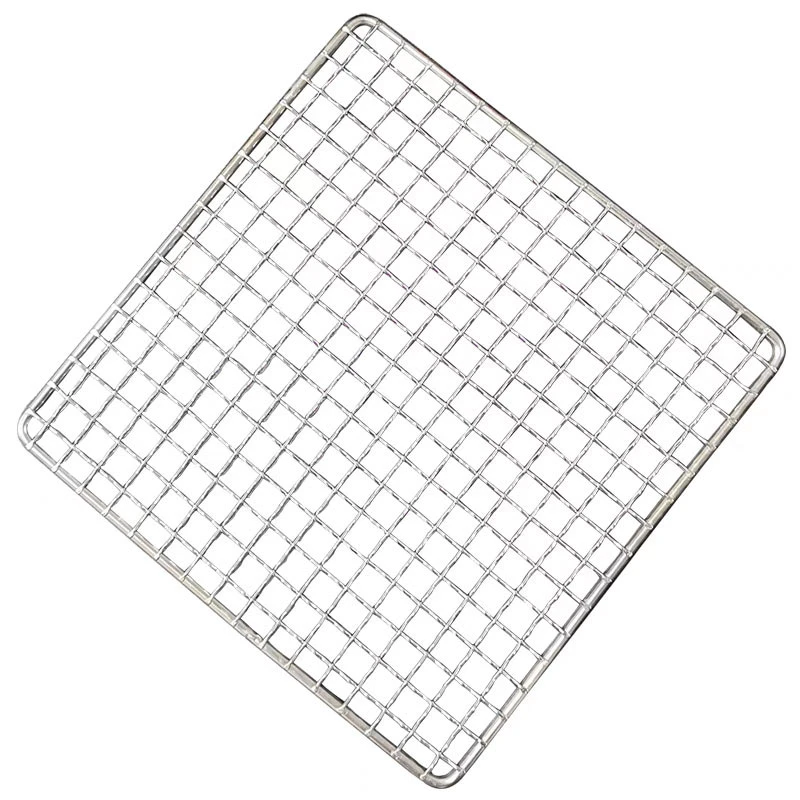
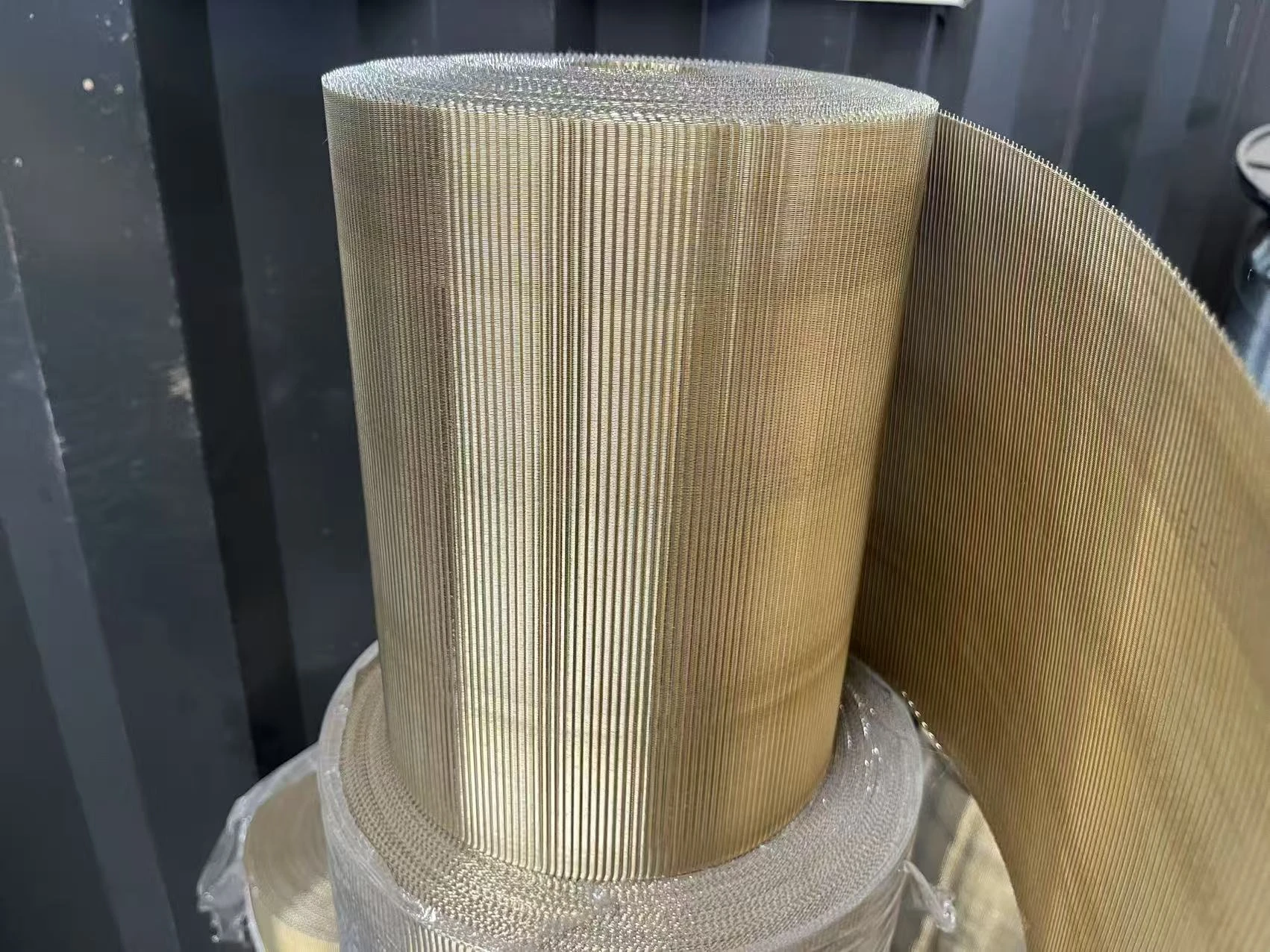
At its simplest, t 304 stainless steel wire mesh is a woven or welded grid made from 304-grade stainless steel wire. The “T” often identifies a specific product code or supplier reference but centers on the 304 stainless composition.
304 stainless steel itself is an alloy rich in chromium (about 18%) and nickel (around 8%), giving it excellent anti-corrosive qualities. When fashioned into wire mesh—a grid-like pattern—it becomes a multipurpose material capable of filtration, mechanical reinforcement, or containment without compromising airflow or visibility.
This mesh serves more than industrial needs—it's crucial in water treatment plants, architectural installations, and even medical facilities requiring sterile environments.
Core Aspects of t 304 Stainless Steel Wire Mesh
Durability & Corrosion Resistance
The main reason engineers choose 304 stainless steel wire mesh is its resistance to rust and chemical degradation. Saltwater, chemicals, variable temperatures—this mesh laughs in the face of those. Durability is essential where maintenance access is limited or failure could mean downtime or hazard.
Flexibility & Scalability
Wire mesh comes in many weave patterns, wire diameters, and panel sizes. This lets users customize it for filtration fineness, mechanical strength, or filtration speed. From fine mesh screens in pharmaceutical plants to heavy-duty wire cages, the possibilities are vast.
Cost Efficiency
Although 304 stainless steel costs more upfront than carbon steel, the lifecycle savings from avoiding replacements and repairs often tip the scales. It’s rare these days to cut corners with materials, especially where safety and longevity matter.
Hygiene & Ease of Cleaning
Because it's non-porous and resists fouling, the mesh is easy to sanitize. This is why it’s preferred in food processing and medical filtration systems.
Environmental Sustainability
304 stainless steel is almost fully recyclable. As sustainability pressures mount globally, more companies highlight the circular economy benefits of choosing this mesh over alternatives.
Global Applications and Real-World Use Cases
Across continents, industries adopt t 304 stainless steel wire mesh for a slew of reasons. In Asia’s booming electronics industry, fine mesh filters protect delicate processes. African water treatment programs utilize this mesh to screen debris from groundwater, essential for community health.
Here in the West, aerospace facilities rely on the mesh for engine part protection and filtration systems. Even NGOs use it in disaster zones: quickly deployable shelters incorporate wire mesh panels for security and ventilation. The mesh’s fire retardance and strength make it ideal.
Example: In post-disaster housing in the Philippines, mesh reinforcements helped shelters withstand typhoon winds while allowing airflow—a literal life saver.
Mini takeaway: The adaptability of t 304 stainless steel wire mesh powers a remarkable range of global projects from industrial to humanitarian.
Advantages & Long-Term Value of t 304 Stainless Steel Wire Mesh
- Reliability: Minimal maintenance and long durability lead to reduced downtime.
- Safety & Hygiene: Resistant to mildew, rust, and chemical agents—key in sensitive environments.
- Environmental Impact: Recyclability supports green policies and sustainability goals.
- Cost Over Time: Though initially pricier, long life equates to lower total cost of ownership.
- Emotional reassurance: Using trustworthy materials builds confidence with stakeholders and employees.
A Closer Look: Specifications of a Typical t 304 Stainless Steel Wire Mesh Product
| Specification |
Details |
| Material Grade |
304 Austenitic Stainless Steel |
| Wire Diameter |
0.2 mm – 2.0 mm |
| Mesh Size |
4 mesh (4 openings/inch) – 200 mesh (200 openings/inch) |
| Weave Type |
Plain, Twilled, Dutch |
| Panel Size |
Customizable up to 1.5m x 3m |
| Finish |
Mill, Polished options |
Comparing Vendors: What to Look for When Buying t 304 Stainless Steel Wire Mesh
| Vendor |
Quality Certification |
Customization Options |
Lead Time |
Export Capability |
| Jin Ze Hong Wire Mesh |
ISO 9001, ASTM |
Wide range, tailored sizes |
2-3 weeks |
Global |
| Global Steel Mesh Inc. |
ISO 14001 |
Limited custom sizes |
3-4 weeks |
Asia-Pacific focused |
| Stainless Solutions Ltd. |
ASTM, CE |
Standard sizes only |
1-2 weeks |
Europe & North America |
Emerging Trends and Innovations in t 304 Stainless Steel Wire Mesh
In the last few years, the wire mesh industry has been buzzing about nano-coatings and hybrid material blends that improve corrosion resistance and strength without adding weight. Imagine mesh that cleans itself or adjusts porosity dynamically—okay, we’re not quite there yet, but with digital transformation (think IIoT sensors on wire mesh panels), monitoring wear and environmental conditions is becoming smarter.
Moreover, sustainability pressures inspire suppliers to increase recycled content in 304 stainless steel wire mesh without compromising quality—a tricky balancing act. And the push towards green energy solutions, like solar panel filtration screens, means manufacturers think of mesh not just as a passive material but an active contributor to eco-innovation.
Challenges & Solutions: Common Hurdles and How To Tackle Them
Despite its benefits, purchasing and deploying 304 stainless steel wire mesh doesn’t come without worries. Some end-users flag the initial cost as a barrier, even if lifecycle cost justifies it. Others struggle with sourcing truly certified mesh, especially in fast-growing markets flooded with counterfeit or low-grade steel.
To address these, companies like Jin Ze Hong Wire Mesh invest heavily in quality control and transparent certification. Meanwhile, modular design strategies let users buy smaller batches and test fit before full deployment — reducing risk and upfront expense.
FAQ: Practical Questions About t 304 Stainless Steel Wire Mesh
- Q1: What makes t 304 stainless steel wire mesh better than carbon steel mesh?
-
T 304 stainless steel resists corrosion far better than carbon steel, especially in humid or chemical-laden environments. It stays strong and hygienic over time, while carbon steel rusts and weakens quickly.
- Q2: How do I know which mesh size suits my filtration needs?
-
Mesh size depends on particle size to filter and flow rates required. Smaller mesh numbers mean larger openings. Consult with suppliers and consider testing samples to pinpoint the ideal mesh count and wire thickness for your application.
- Q3: Can I use t 304 stainless steel wire mesh outdoors without maintenance?
-
Generally, yes. 304 stainless steel wire mesh is designed to resist outdoor elements including rain and UV exposure. Some environments with high chlorine or saltwater might need 316 stainless steel for extra protection.
- Q4: Is customization available for unusual shapes or sizes?
-
Absolutely. Most reputable vendors offer cutting, welding, and weaving customization. Be sure to check lead times and minimum order quantities.
- Q5: How do international buyers handle logistics and import regulations?
-
Partnering with experienced exporters simplifies customs, certifications, and shipping compliance. Vendors like Jin Ze Hong Wire Mesh often provide export assistance, ensuring smooth transitions across borders.
Wrapping Up: Why Choose t 304 Stainless Steel Wire Mesh?
In sum, t 304 stainless steel wire mesh delivers a rare combination of strength, corrosion resistance, hygienic finish, and sustainability that few materials match worldwide. Its versatility crosses industries and continents—proving itself time and again in challenging environments.
If you want materials you can trust—whether for industrial filtration, architectural expressions, or humanitarian relief—then exploring high-quality 304 stainless steel wire mesh is a smart move.
Ready to learn more or buy? Visit our website at https://www.jinzehongwiremesh.com. Because good materials make all the difference.
Thanks for sticking with me through the wire mesh world! It really is kind of fascinating once you look up close...
References
- Wikipedia: Types of Stainless Steel
- United Nations Industrial Development Organization (UNIDO)
- International Organization for Standardization (ISO)