What Is High Temperature Stainless Steel Wire Mesh — And Why You Should Care
Have you ever stopped to wonder what keeps industrial setups reliable in extreme heat? Something that seems so unassuming — a wire mesh — is actually a hero in high-temperature environments, from power plants to aerospace. High temperature stainless steel wire mesh is a material designed not just to hold up under heat, but to thrive there, offering durability, flexibility, and crucial safety benefits. Globally, as industries push boundaries and climate patterns grow more extreme, understanding this material isn't just for engineers anymore — it’s for anyone invested in innovation, sustainability, and safer workplaces.
In short: high temp stainless steel meshes allow industries to handle heat like pros, prevent failures, and help protect lives. And frankly, that’s something we all benefit from, whether directly or indirectly.
The Global Stage: Why High Temperature Stainless Steel Wire Mesh Matters Now More Than Ever
As of 2023, global industrial output is estimated to grow by roughly 4.2% annually, according to the World Bank. What that means in real terms is higher heat processes becoming mainstream, from solar thermal plants in Spain to petrochemical refineries in the Middle East. High temperature stainless steel wire mesh plays a pivotal role in managing these tough conditions—think filtration, protection, and structure.
On top of that, tighter regulations from ISO and environmental agencies push manufacturers to choose materials that can withstand stress, reduce emissions from equipment failure, and improve operational lifespan. And here’s the kicker — many conventional materials simply don’t cut it anymore. They warp, corrode, or degrade, causing costly shutdowns. This mesh, with its heat-resistance, bridges that gap.
So yes, there’s a real problem it addresses: keeping the world’s heat-driven industries running safely and efficiently.
Defining High Temperature Stainless Steel Wire Mesh in Simple Terms
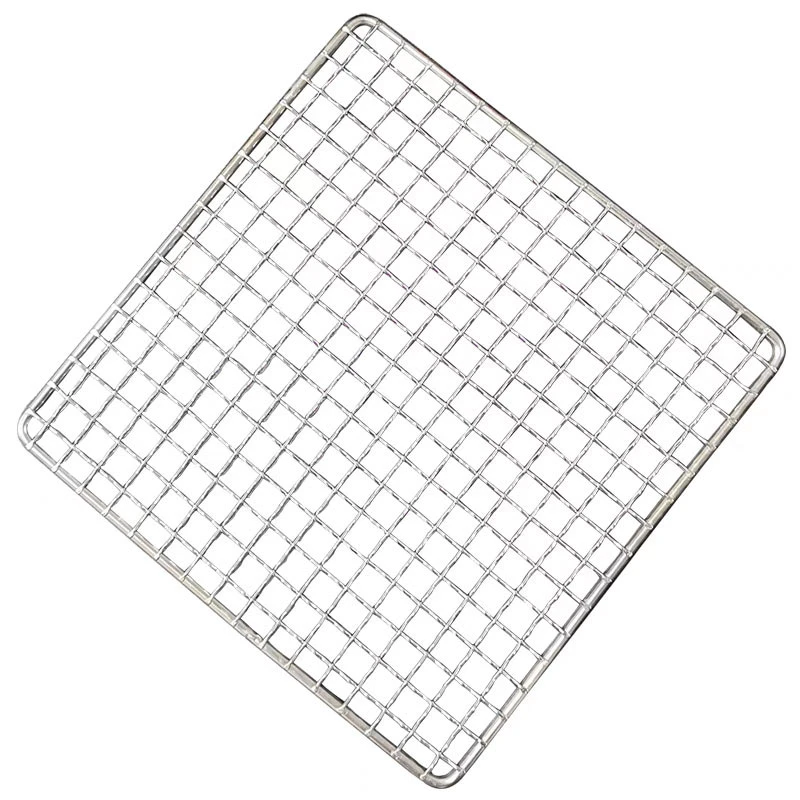
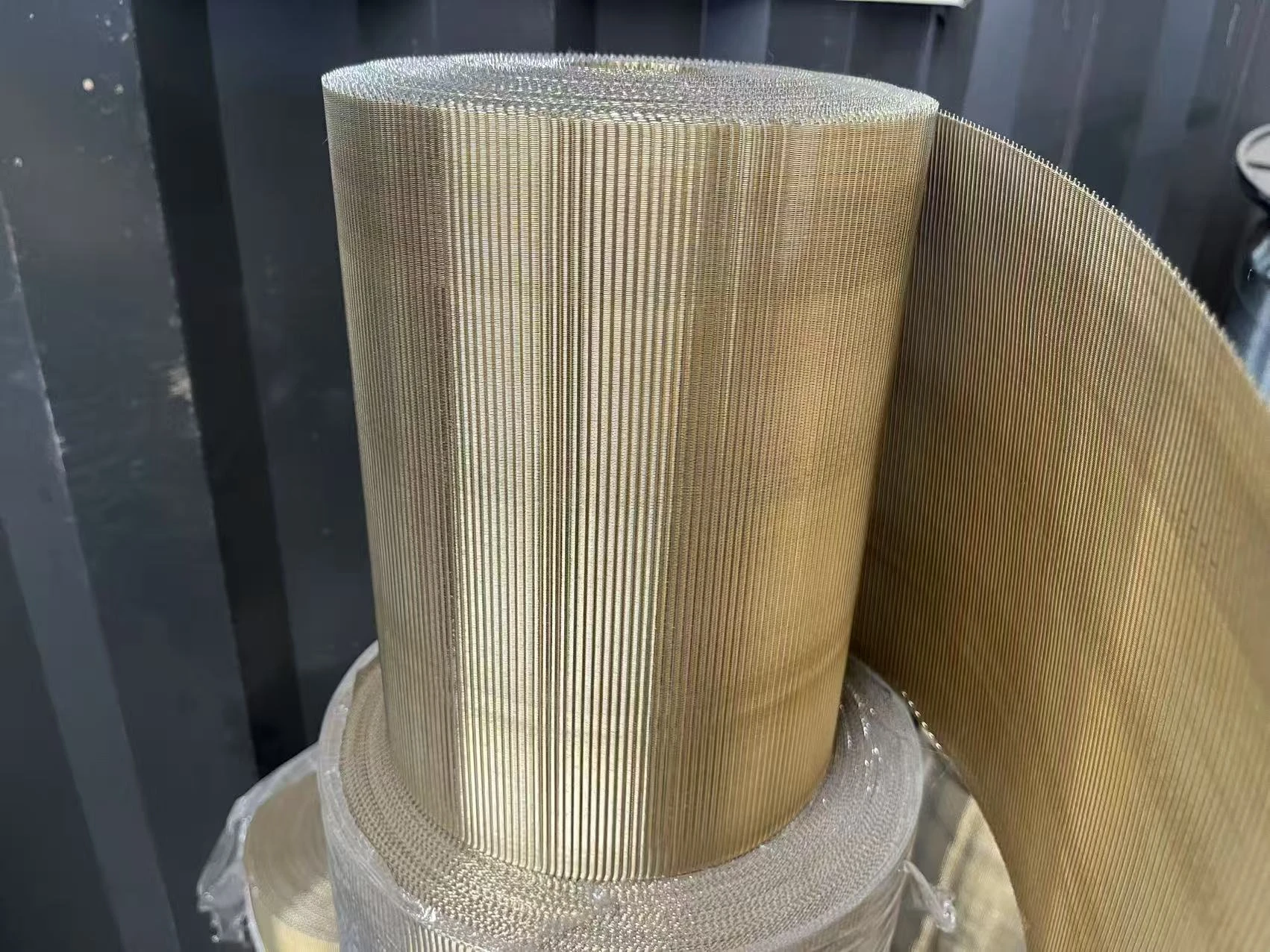
Simply put, we’re talking about a woven or welded grid of stainless steel wires engineered specially to resist temperatures often above 800°C (roughly 1470°F). Unlike normal wire mesh, this stuff employs alloys like 310, 316L, or Inconel variants, designed for toughness against oxidation, corrosive gases, and mechanical wear.
This isn’t just a fancy fence or filtering screen; it’s a critical component in industries where ambient environments or processes reach blistering heat levels. Essentially, it’s what keeps filters filtering, parts guarded, and processes smooth where other metals would fail. Think of it as the unsung heat-resisting fabric holding modern industry together.
Core Features of High Temperature Stainless Steel Wire Mesh
1. Durability and Corrosion Resistance
The stainless steel alloys used are tough as nails, resisting rust and oxidation — especially important when you face flammable gases or salty coastal air in industrial plants. This durability reduces downtime and maintenance.
2. Thermal Stability
Most variants can handle continuous exposure to 900°C and short peaks beyond 1000°C without losing strength. That’s why engineers rely on it for filtration in hot gases or as a protective shield around heat exchangers.
3. Flexibility and Customizability
Wire diameter, mesh size, and weave patterns can be customized to match specific applications — from fine particle filtration to heavy load screens. You might need a dense weave to stop dust particles or a coarser one for debris.
4. Scalability and Availability
Because it's a well-understood industrial product, quantities ranging from small prototypes to tons for massive projects can be ordered, often tailored to exact standards (like ASTM or ISO certifications).
5. Cost Efficiency Over Time
Though upfront costs may be higher than regular steel mesh, the lifespan and reduced failure risk tend to save money in the long run. That’s something facility managers definitely value.
Mini takeaway: This trusty combination of durability, heat tolerance, adaptability, and cost-effectiveness makes this mesh indispensable in tough industrial roles.
Global Applications & Real-World Examples
Pretty much wherever heat is part of the game, you’ll find this mesh — sometimes behind the scenes of things you wouldn’t imagine. Here are a few spotlights:
- Energy Sector: In geothermal and biomass power plants, wire meshes filter hot gases and protect equipment in corrosive high-temperature atmospheres.
- Petrochemical & Refining: Filtering catalysts or flame arrestors in refineries use stainless mesh to withstand chemical and heat stress.
- Aerospace & Automotive: Heat shields and exhaust system components integrate specialized mesh that maintains integrity despite rapid temperature fluctuations.
- Post-disaster infrastructure: In areas recovering from wildfires or industrial accidents—as in parts of California or Australia—robust wire mesh is used in temporary ventilation systems or air filters to maintain air quality during reconstruction.
Regions like Europe, the U.S., China, India, and parts of the Middle East lead adoption, thanks to their industrial scale and innovation ecosystems.
Advantages & Long-Term Value You Can Count On
When planning infrastructure or upgrading industrial machinery, managers often cite these benefits as decisive:
- Reliability: Reduced failure means less downtime and safer operations.
- Sustainability: Being recyclable and long-lasting supports environmental goals.
- Cost Reduction: Long lifespan lowers maintenance and replacement expenses.
- Safety: Prevents accidents caused by mesh breakage or corrosion in harsh environments.
On a deeper level, it means trust: knowing systems won’t betray you when conditions spike. That comfort can’t be overstated.
What’s Next? Trends & Innovations in Heat-Resistant Wire Mesh
Technology never rests. We’re seeing a few interesting shifts:
- Advanced Alloys: New blends promise higher heat tolerance and better oxidation resistance.
- Nanocoatings: Thin functional layers applied to meshes add anti-fouling or self-cleaning features.
- Automation: Smart manufacturing now tailors mesh weave precisely via robotics, optimizing performance.
- Green Initiatives: More eco-friendly production techniques and recycled content meshes are being developed to align with global climate commitments.
All this innovation means that high temperature stainless steel wire mesh is unlikely to remain just "good enough"—it’s evolving into something more reliable and green every day.
Challenges & How Industry Is Tackling Them
Of course, it’s not all smooth sailing. Some hurdles remain:
- Cost Barriers: Premium alloys and complex weaves can be expensive for smaller firms.
- Standardization: Variations in specs across vendors cause integration headaches in multinational projects.
- Wear & Tear: Despite durability, mechanical abrasion or extreme shocks can damage mesh.
Experts suggest solutions like:
- Better collaboration between buyers and manufacturers on custom specs.
- Investment in testing rigs that simulate real-world conditions — sort of an attrition "fitness test".
- Using hybrid mesh solutions incorporating other materials for enhanced toughness.
Product Specification Table
| Parameter |
Specification Range |
Comments |
| Wire Diameter |
0.1 mm – 1.5 mm |
Customizable based on required mesh strength |
| Mesh Count (Openings per Inch) |
10 – 200 |
Fine filtration or heavy-duty screening options |
| Material Grades |
304, 316L, 310S, Inconel 600/625 |
Determines heat and corrosion resistance |
| Max Operating Temp |
800°C – 1100°C |
Depends on alloy and weave |
| Finish |
Mill, Polished, Coated |
Impacts aesthetics and some corrosion properties |
Vendor Comparison Table
| Vendor |
Material Range |
Customization Options |
Lead Time |
Price Level |
| Jinzehong Wire Mesh |
304, 316L, 310S, Inconel |
High (wire diameter, weave pattern, finish) |
2-4 weeks |
Medium |
| Global Mesh Suppliers Ltd. |
304, 316L |
Medium (standard sizes) |
3-5 weeks |
Low |
| HeatGuard Mesh Co. |
Inconel 600/625, 310S |
High (specialized heat-resistant alloys) |
4-6 weeks |
High |
FAQ: Your High Temperature Stainless Steel Wire Mesh Questions Answered
Q1: What makes high temperature stainless steel wire mesh better than regular mesh?
A: The key difference is the ability to withstand extreme heat and corrosive environments without deforming or rusting. Regular mesh loses structural integrity quickly under heat. The specialized alloys in high temperature stainless steel wire mesh make it ideal for industrial applications involving hot gases or flames.
Q2: How do I choose the right mesh size and wire diameter for my application?
A: It depends on your filtration or protection needs. Finer mesh counts with thinner wires are used for filtering small particles, while coarser meshes with thicker wires handle heavy loads or larger debris. Consulting your manufacturer with process specs is key.
Q3: Can these meshes be recycled or reused?
A: Yes. Stainless steel is highly recyclable without losing quality. Many facilities reclaim used mesh for melting down and repurposing. Plus, with their long service life, frequent replacement is minimized.
Q4: Are custom weave patterns expensive to produce?
A: Customization can increase costs but is often justified by improved performance and lifespan. Many vendors, including high temperature stainless steel wire mesh specialists, offer scalable pricing based on volume and complexity.
Q5: What industries are most rapidly adopting new mesh technologies?
A: Renewable energy sectors, like solar thermal plants, and aerospace manufacturing are leading adoption trends due to their extreme heat applications and innovation focus.
Conclusion: Why Investing in High Temperature Stainless Steel Wire Mesh Makes Sense
So, what’s the take-home? Whether you’re running a refinery, building clean energy plants, or designing next-gen aerospace components, high temperature stainless steel wire mesh offers unmatched durability, safety, and efficiency. While some costs and customization challenges exist, the long-term savings and performance gains more than offset them. It’s a small part that makes a huge difference.
If your projects involve heat-heavy environments, I’d definitely say it’s worth looking deeper into the specs and vendors. For trusted quality and options, visit our site and explore what’s possible.
Quick reflections: Industries are becoming more heat-centric — and that makes materials like this wire mesh essential in ways you might not expect. It feels like a quiet revolution, quietly holding up the backbone of modern infrastructure.
References
- World Bank - Industrial Development
- Wikipedia - Stainless Steel
- ISO Technical Specifications for Heat Resistant Alloys