Razor Fence: A Veteran’s Look at Industrial Security Solutions
Having spent over a decade in the industrial equipment sector, I can tell you that security fencing is one of those things people often overlook until it’s absolutely necessary. Razor fence stands out as a particularly practical, if sometimes underestimated, solution. You might have seen it atop perimeter walls or around warehouses—those sharp coils of wire that look intimidating enough to ward off most intruders without needing a patrol dog (although sometimes they come together).
Now, I’ve handled plenty of setups where razor fences were the final piece of a multi-layered security plan. Oddly enough, the simple design belies its effectiveness. Using hardened steel strips with razor-sharp edges that coil tightly, these fences aren’t just about deterrence; they’re a literal physical barrier you do not want to tangle with.
Over the years, I noticed many engineers say the quality of materials and construction makes all the difference. For example, galvanized versus stainless steel blades can impact corrosion resistance and longevity in extreme environments—like coastal plants or northern factories. Frankly, if you choose wrong here, you’re in for regular replacements or rust stains, which frankly undercuts your security investment.
Common Specifications of Razor Fence
| Property |
Typical Values |
| Material |
Galvanized Steel / Stainless Steel |
| Blade Thickness |
0.4–0.5 mm |
| Coil Diameter |
450–900 mm |
| Length per Coil |
10–15 meters |
| Installation Methods |
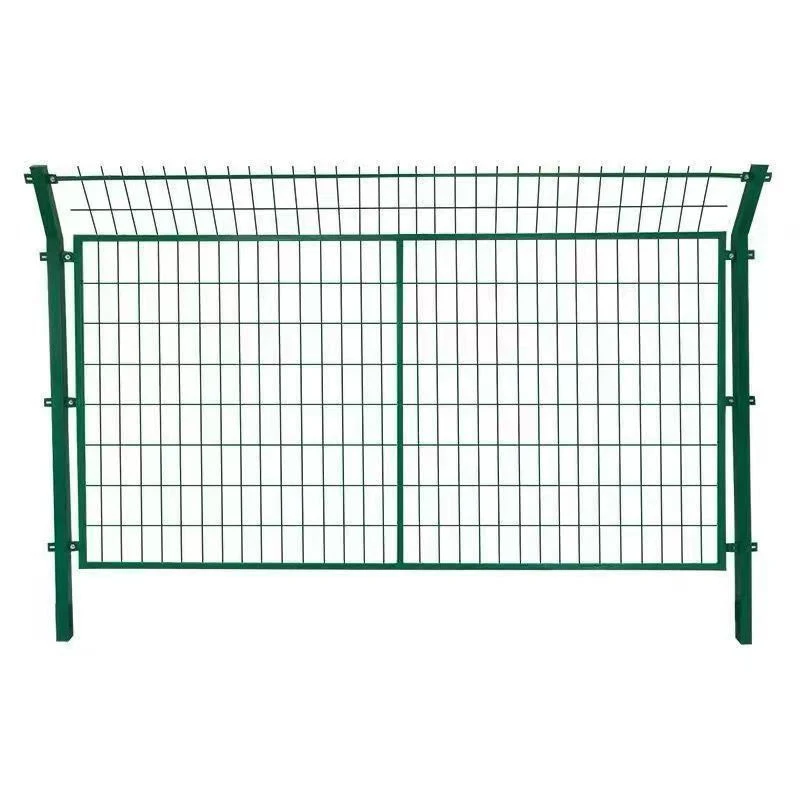
Wall-top, Post-mounted, Integrated with Mesh Panels |
| Tensile Strength |
Approx. 1500 MPa |
One time—this was a few years ago—our client in a chemical plant needed a razor fence upgrade after several attempts of fence-cutting sabotage. We opted for stainless steel coils with a double-layer installation. Their maintenance team later told me that, since the upgrade, the “nightmare” incidents dropped to nearly zero. It’s the kind of feedback that makes you realize how important these sometimes under-discussed security accessories really are.
Customization is another aspect you don’t want to gloss over. You can get razor fences tailored in coil diameter, blade shape, and even coatings. For example, some manufacturers offer PVC-coated versions for better weather protection and less reflectiveness, which helps in areas under strong sun exposure.
Comparing Razor Fence Vendors
| Feature |
Jinzehong Wire Mesh |
Competitor A |
Competitor B |
| Material Options |
Galvanized & Stainless Steel |
Galvanized only |
Galvanized & PVC-coated |
| Blade Thickness |
0.45 mm |
0.35 mm |
0.4 mm |
| Customization |
High (multiple coil sizes) |
Low |
Medium |
| Delivery Time |
2-3 weeks |
4-6 weeks |
3-4 weeks |
| After-Sales Support |
Excellent, responsive |
Moderate |
Good |
In real terms, when you're choosing a razor fence supplier, those little details about thickness and custom coil diameters are worth looking at closely. A sharper, thicker blade can make a world of difference for intruder deterrence. And I suppose it’s pretty reassuring to know there’s a reliable team behind the product when you’re managing sensitive sites.
To sum it up: razor fence is an industrial security mainstay that’s remained relevant because it works. It’s simple, tough, and customizable. And while it’s not the kind of equipment that often grabs headlines, in my years of fieldwork, I’ve learned to appreciate the quiet confidence it brings to any secure perimeter.
— If you’re considering a perimeter upgrade, I’d say start here.
References:
1. Jinzehong Wire Mesh Product Resources
2. Industrial Security Equipment Trade Journal, 2022
3. Field notes from Confidential Client Projects, 2014–2023