Razor Fencing Wire for Sale: What You Need to Know
Having been around industrial equipment for more than a decade, I can say the world of security fencing is much more than just metal and spikes. Take razor fencing wire, for example — it’s not only about keeping things secure but also about usability and durability in fairly harsh conditions. If you're looking for razor fencing wire for sale, it helps to understand the product beyond just specs.
Frankly, razor wire isn’t new technology, but in recent years, improvements in materials and design really caught my attention. Most of the time, I noticed projects opting for galvanized steel, sometimes stainless steel for coastal or high-corrosion environments. It’s all about resisting rust and maintaining sharp edges, which are essential for that formidable deterrent effect.
Many engineers I’ve spoken with emphasize the quality of the blade design — the size, pitch, and the number of sharp barbs per meter can vary a lot from vendor to vendor. Some suppliers aim for sharpness, others prioritize flexibility during installation. Oddly enough, what looks good on paper doesn’t always perform in the field. Here’s where experience becomes invaluable.
Below is a quick rundown of typical specs you might encounter. It’s pretty standard but highlights what matters most when shopping around:
| Specification |
Details |
| Material |
Galvanized Steel or Stainless Steel |
| Blade Length |
22-30 mm (typical) |
| Wire Diameter |
2.5-3.5 mm (core wire) |
| Coating |
Hot-dipped galvanized or PVC-coated option |
| Roll Length |
10, 15, 30 meters |
| Tensile Strength |
900-1200 MPa |
Something I always warn folks about is rushing into bulk orders without checking the vendor’s quality control system. For instance, in one project, the roll diameter and the sharpness varied enough to cause headaches during installation — and you know, that adds up in wasted manpower and time.
So, when looking at suppliers, it’s wise to compare not only price but also how consistent their supplies are. Here’s a rough vendor comparison that I’ve put together from my years in the field. Names are anonymized, but it should give you a feel for what to weigh:
| Vendor |
Quality |
Price |
Delivery Time |
Customization |
| Vendor A |
Excellent |
High |
2 weeks |
Limited |
| Vendor B |
Good |
Moderate |
1 week |
Extensive |
| Vendor C |
Variable |
Low |
3+ weeks |
None |
Speaking of customization — I recall a recent client who needed razor wire rolls with special PVC coatings in olive green to blend with a military base environment. Not all companies were capable or willing to do this, but those who did charge a premium and required longer lead times. So if you have specific needs, definitely ask upfront.
One last note: in real terms, razor fencing wire is a balance between deterrence and safety. It feels harsh but installing it properly means securing a site without accidental injuries to maintenance personnel — a factor sometimes overlooked.
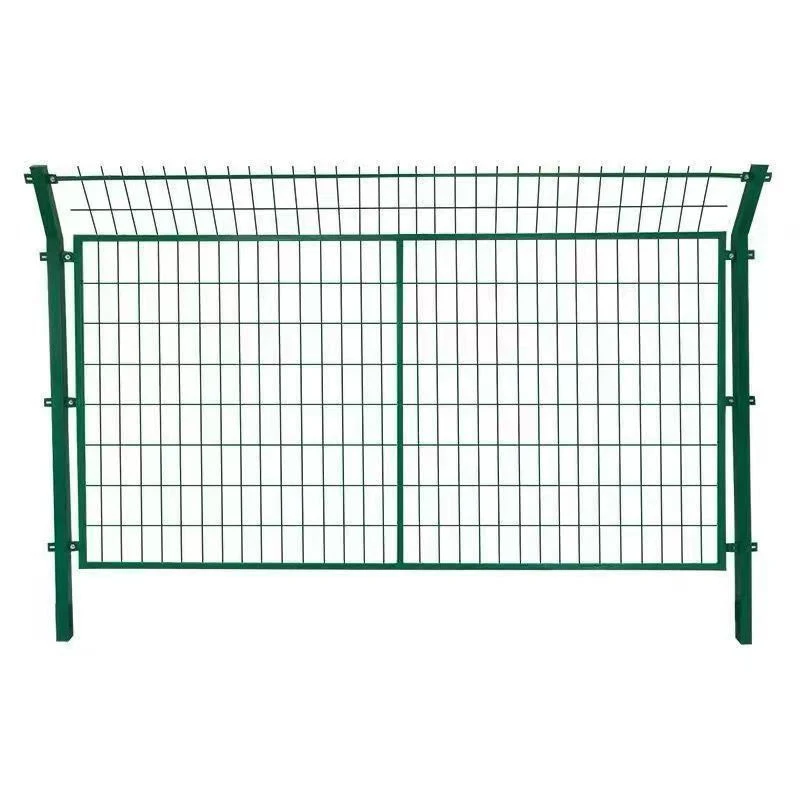
So if you’re shopping for razor wire fences, consider your environment, the quality of materials, vendor reliability, and what customization options you might need. Feel free to explore trusted suppliers like razor fencing wire for sale that can deliver solid, tested products.
To wrap it up, investing a bit of time in research upfront really pays off. Razor fencing wire keeps sites safe, but only if chosen and installed thoughtfully.
References:
- Industry standards for razor wire manufacturing, ASTM F2208
- Corrosion resistance of galvanizing in outdoor security fencing – Journal of Materials Engineering
- Field reports from recent perimeter security installations (personal experience)