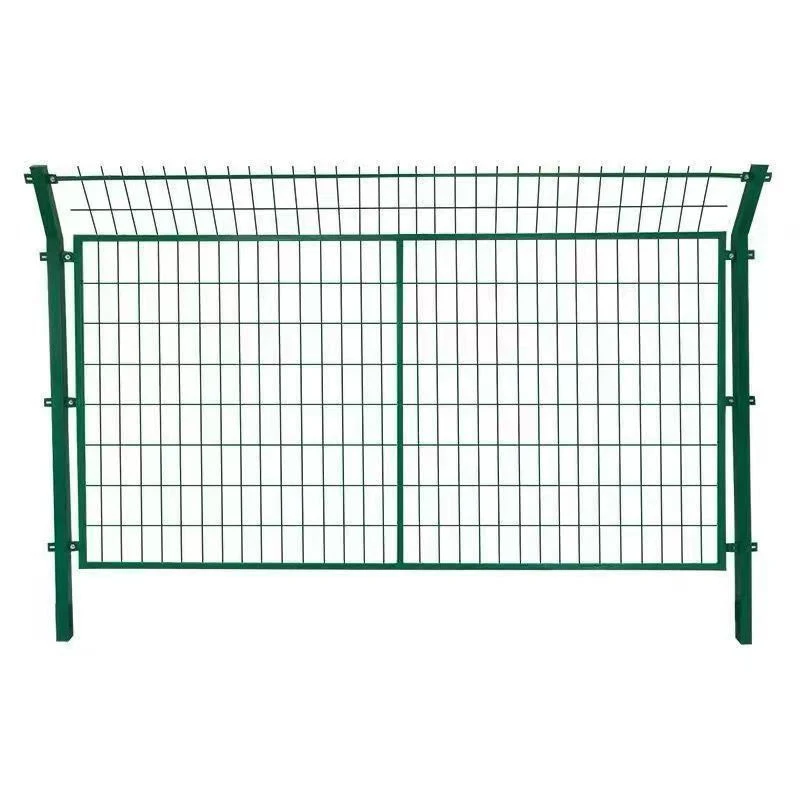
Razor Wire Fence: A Tough Barrier for Industrial Security
Having spent over a decade in the industrial equipment sector, I can tell you that when it comes to perimeter security, nothing quite beats a razor wire fence. It’s that formidable, etched-in-metal deterrent that sits quietly but firmly, almost daring any intruder to try their luck. I've seen these fences stand up to everything – from the elements to attempts at forced breach – and frankly, that's why so many industrial sites depend on them.
Now, let me share a bit about what makes razor wire fences tick. They’re not just sharp wires twisted together; there’s a lot of engineering finesse behind them. Typically, they come with stainless or galvanized steel blades, precision-cut and shaped to maximize deterrence without overly complicating installation. Oddly enough, their design strikes a balance between aggressive security and practical durability, even in wet or corrosive industrial environments.
One thing that often surprises newcomers is how customizable these fences are. You can tailor the wire gauge, coil diameter, and blade length depending on your site’s specific risk profile. I once oversaw a project where our client needed enhanced perimeter security around a chemical plant. The razor wire specifications were dialed up to resist corrosion and optimize longevity, which paid off when a seasonal storm pounded the site — no rust, no breaks.
Typical Razor Wire Fence Specifications
| Specification |
Standard Range |
Notes |
| Blade Material |
Galvanized Steel / Stainless Steel |
Corrosion resistance varies |
| Blade Length |
22 – 30 mm |
Longer blades increase deterrence |
| Wire Diameter |
2.5 – 4.0 mm |
Heavier gauge for high security |
| Coil Diameter |
450 – 900 mm |
Depends on installation height |
| Tensile Strength |
>1200 N/mm² |
Ensures resistance to cutting |
When I think about the industry nowadays, one trend that’s popped up is demand for razor wire fences with enhanced coatings — either PVC or specialized galvanization. It’s not just a matter of rust resistance anymore. Customers want longevity, safety for handlers during installation, and even a certain aesthetic to blend with industrial sites. And I suppose that’s why some vendors are pushing customization further down the line to include color coatings or bespoke coil sizes.
Speaking of vendors, choosing the right manufacturer or supplier seems to matter a lot — more than I realized when I first started. I’ve had my share of products that looked good on paper but fell short in the field (sometimes blade quality was inconsistent or the coil tension was off). Here’s a quick comparison table reflecting three suppliers I’ve worked with repeatedly:
Razor Wire Fence Vendor Comparison
| Vendor |
Material Quality |
Customization |
Lead Time |
Price |
| Jinzehong Wire Mesh |
Excellent (Stainless/Galvanized) |
Highly Customizable |
2–3 weeks |
Competitive |
| Vendor B |
Good (Galvanized Only) |
Limited Options |
3–5 weeks |
Moderate |
| Vendor C |
Variable Quality |
Minimal |
4–6 weeks |
Lower End |
One memorable moment that always sticks with me happened during a high-security perimeter upgrade at a logistics hub. The site operator initially tried a cheaper brand, but within months, the razor wire began showing corrosion, and some coils lost tension. They switched to a premium product from Jinzehong Wire Mesh, and the difference was night and day — installation was smoother, no corrosion even after heavy rains, and maintenance dropped dramatically. It felt like the site went from vulnerable to nearly invincible overnight.
All in all, a razor wire fence is more than just a barrier; it’s a statement of intent for industrial security. Frankly, I think the combination of time-tested design, thoughtful manufacturing, and tailored solutions will keep these fences relevant for years. You want a product that’s tough, reliable, and customizable — not some one-size-fits-all gimmick.
And in real terms, securing your perimeter well means fewer worries about intrusions, less downtime, and a safer workplace. Not a bad return on investment, if you ask me.
In closing, if you’re eyeing razor wire fences for your facility, take a close look at the specs and the supplier’s track record — it’ll pay off in the long run.
References:
1. Industry standards & specifications for razor wire, Security Equipment Institute, 2023.
2. Corrosion resistance studies, Materials Science Quarterly, 2022.
3. Case studies from Jinzehong Wire Mesh client archives, 2021–2023.