Crowd Control Barrier Systems: The Backbone of Event Safety
Having spent the better part of a decade around industrial and event safety equipment, I’ve come to appreciate just how critical crowd control barrier systems are—not flashy, mind you, but utterly essential. You know, whether it’s a music festival, a political rally, or a construction site perimeter, these barriers hold the line quite literally. Oddly enough, their simplicity belies the engineering thought packed inside.
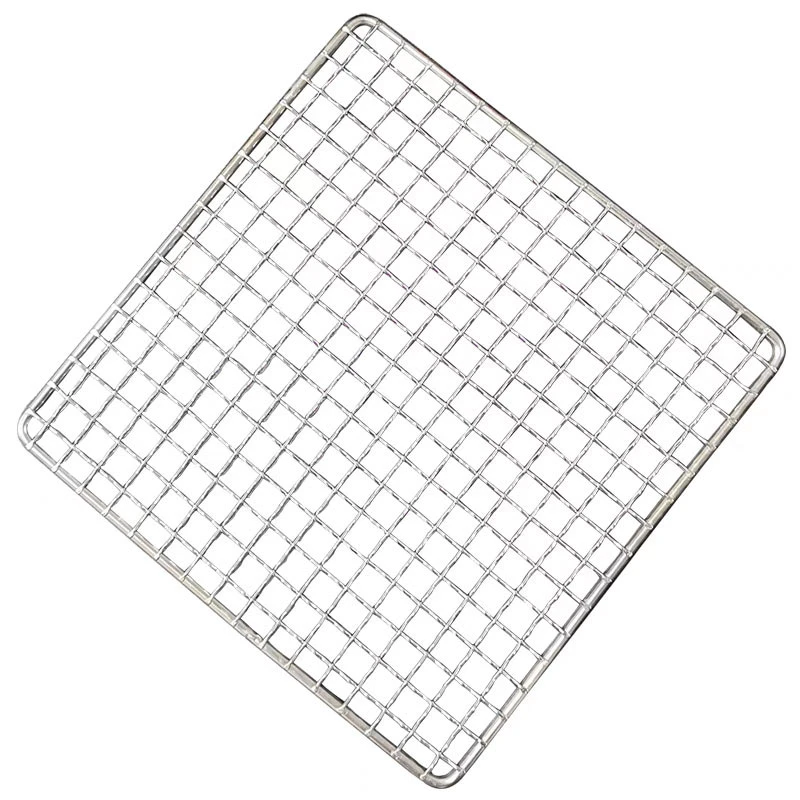
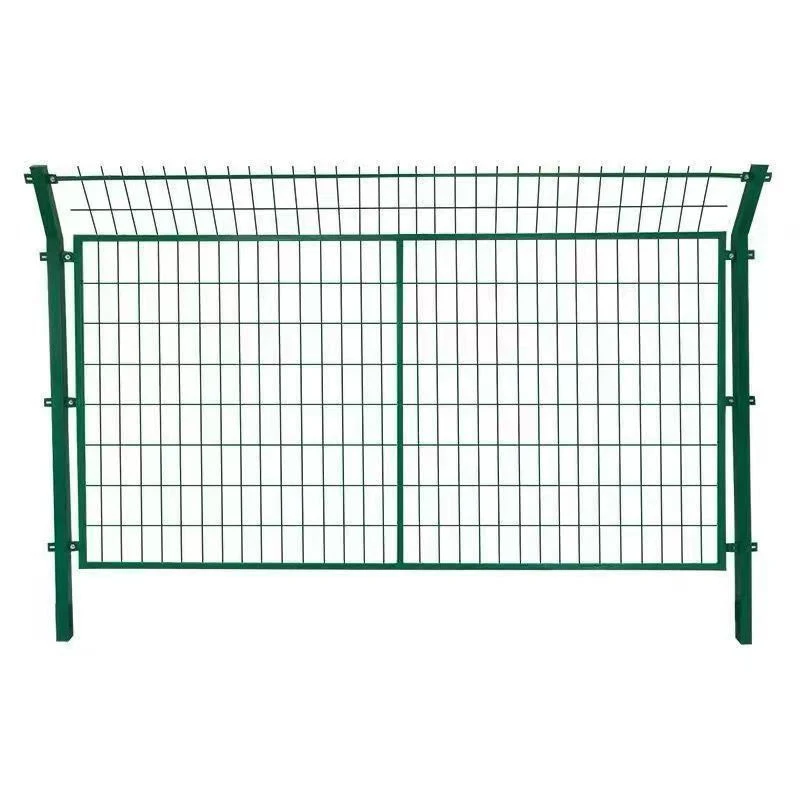
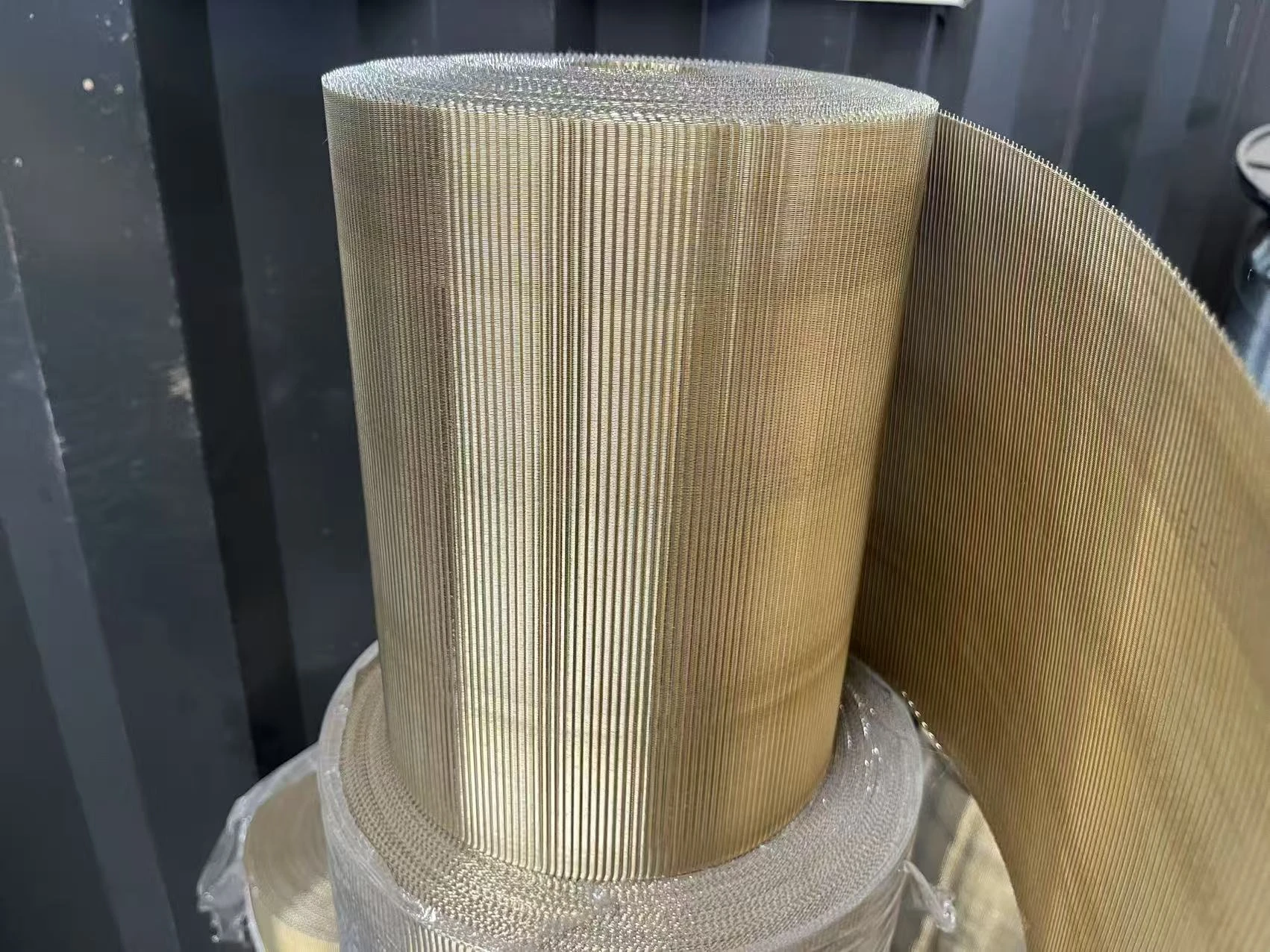
When I first started, I underestimated how much design and material selection influences durability and usability in real terms. Most crowd control barriers I’ve handled use galvanized steel wire mesh frameworks, sometimes powder-coated to beat corrosion and rough handling. And trust me, those bumps and scrapes happen daily in a bustling event environment.
One of the brands I kept coming back to, frankly because of consistent quality and supplier communication, is Jinzehong Wire Mesh. Their barriers strike a good balance between sturdiness and portability, which in this line of work feels like the holy grail.
From a vendor’s perspective, key specs you want to watch for include height, length, weight, mesh aperture size (so hands can’t squeeze through), and the type of base used for stability. I remember a case at a large sports stadium where inadequate barrier bases led to some frustrating wobbling under pressure—never good when hundreds are pushing against the fences.
Typical Crowd Control Barrier Specs
| Feature |
Value |
Notes |
| Material |
Galvanized Steel / Powder-Coated |
Corrosion resistance, durability |
| Height |
1100 mm - 1500 mm |
Standard for crowd control |
| Length |
2000 mm - 2500 mm |
Modular linking system |
| Weight |
12-18 kg |
Manageable for handling and transport |
| Base Type |
Flat steel plate or rubber foot |
Ensures stability on varied surfaces |
There’s also the matter of safety certifications and testing standards. Many engineers I’ve worked with insist on compliance with EN 13241-1 or ASTM F2656 for impact resistance—though this does depend on your local jurisdiction and intended use. For example, a crowd barrier around a simple public park event can be lighter duty than one positioned at a high-traffic concert entrance.
Customization isn’t just a nice-to-have—it often becomes a necessity. From printed branding panels to anti-climb designs and quick-release couplings, every job calls for different extras. I recall one client who needed custom bright orange powder coating to match their brand’s color scheme; it was a small tweak but made a surprisingly strong impression on attendees and security teams alike.
Crowd Control Barrier Vendor Comparison
| Vendor |
Material Quality |
Customization Options |
Pricing |
Lead Time |
| Jinzehong Wire Mesh |
High (Galvanized + Powder-coated) |
Extensive (colors, logos, bases) |
Mid-range |
4-6 weeks |
| Competitor A |
Medium (Galvanized only) |
Limited |
Lower |
6-8 weeks |
| Competitor B |
High (Stainless Steel) |
Moderate |
High |
3-4 weeks |
So, what's my takeaway? If you’re in the market for crowd control barrier systems, look beyond just price or lead time. Consider material finish, adaptability, and the vendor’s responsiveness. In this business, it really pays off down the line to pick a supplier who knows the field—not just the factory specs.
Thanks for sticking around! If you’ve got questions or want to swap tales about barrier mishaps and wins, I’m all ears. It feels like one of those overlooked corners of event safety, but it’s the difference between chaos and order every time.
References:
1. EN 13241-1:2003, European Standard for Industrial Doors and Barriers
2. ASTM F2656-07, Standard Test Method for Vehicle Impact Testing of Perimeter Barriers
3. Field notes and interviews with event engineers (2015-2023)