Understanding SS Fine Mesh: A Backbone of Modern Industry
In many ways, ss fine mesh quietly does some of the heaviest lifting in industries that shape our daily lives. From water purification to aerospace, this seemingly simple material—stainless steel woven into a fine mesh—plays an outsized role worldwide. It might sound like a niche product, but its significance is anything but minor. Wrapping your head around what makes ss fine mesh essential unlocks insight into many global challenges, including environmental sustainability, industrial reliability, and even humanitarian aid efforts.
Introduction: The Global Relevance of SS Fine Mesh
Let’s put this mesh in context. According to the International Stainless Steel Forum, global stainless steel production surpassed 53 million metric tons in 2022, with fine mesh products forming a critical subset in filtration and separation technologies. That’s not just a factory statistic; it hints at the vital role of ss fine mesh in addressing pressing global problems like clean water scarcity and pollution control. For instance, the UN’s Sustainable Development Goal 6 emphasizes water sanitation — a sector where ss fine mesh filtration systems are absolutely pivotal. Yet, challenges like durability under corrosive environments or scalability often slow down its adoption or increase costs.
Because of that, understanding what ss fine mesh is and how it functions bridges high-level industrial needs with practical solutions—making it a true linchpin.
What Exactly Is SS Fine Mesh?
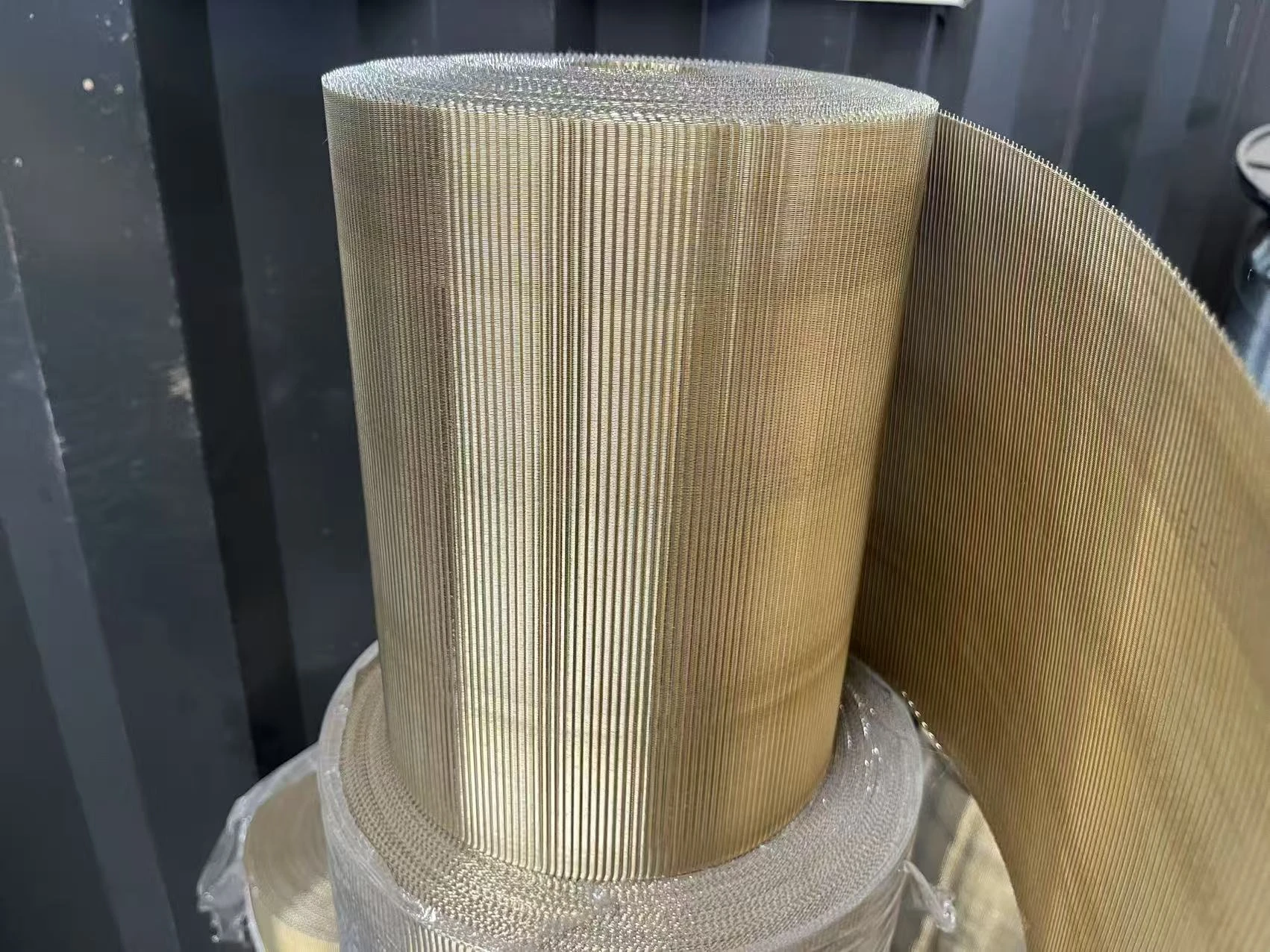
Simply put, ss fine mesh refers to woven stainless steel wire fabrics characterized by small apertures or openings. Think of it like a metallic sieve that’s stainless—immune to rust—and intricately woven to capture particles of minute sizes. This durability and precision make it invaluable across industries. It’s not only about fine craftsmanship but also about meeting the rigorous standards of modern manufacturing or humanitarian needs.
For example, humanitarian agencies use ss fine mesh for clean water filtration in disaster zones. Its ability to filter out harmful pathogens while resisting chemical degradation means delivered aid is safer and more reliable.
Key Components of SS Fine Mesh
1. Durability
Stainless steel alloys such as 304 or 316 provide excellent resistance to corrosion, heat, and chemical exposure. This durability ensures long-term usability even in harsh industrial environments where plastic or other materials might fail.
2. Mesh Count and Aperture Size
This defines the filtration precision — generally expressed as "mesh per inch." Fine mesh can range from 100 to over 300 mesh, meaning 100+ openings per inch, filtering progressively smaller particles. Industries choose mesh sizes based on their specific needs, from crude debris filtering to micro-particle separation.
3. Weave Type
Variants like plain weave, twill weave, or Dutch weave influence flow rates and strength. For example, Dutch weave tends to have a tighter packing, suitable for demanding filtration like in pharmaceuticals.
4. Scalability & Customization
Manufacturers often tailor mesh products’ width, length, and weave patterns to suit end-use requirements. That adaptability makes ss fine mesh a versatile tool across sectors.
Mini Takeaway:
- SS fine mesh is a robust, precision-crafted stainless steel fabric essential in filtration and separation.
- Its core strengths are durability, fine aperture control, weave variety, and customization options.
Global Applications & Use Cases
Across continents, ss fine mesh has found its niche in diverse applications:
- Water Treatment Facilities: In parts of Africa and Asia, ss fine mesh screens filter particulate matter and pathogens to provide safer drinking water. Often, NGOs partner with manufacturers to deploy these filters in remote areas.
- Automotive & Aerospace: Precision filtration of fuel, lubricants, and air is critical to vehicle performance—the mesh filters impurities that undermine mechanics.
- Food & Beverage Industry: Separation of unwanted particles to maintain purity and taste depends heavily on stainless steel meshes that withstand sanitation chemicals.
- Pharmaceutical Manufacturing: High grade fine mesh is used to sterilize liquid flows and powders, meeting ISO standards for medical-grade materials.
Oddly enough, even the oil & gas sector relies on these meshes to filter drilling fluids, illustrating its industrial adaptability.
Advantages & Long-Term Value
Why do companies and organizations invest in ss fine mesh repeatedly? The benefits add up:
- Cost Efficiency: Unlike disposable filters, stainless steel meshes are reusable, cutting replacement costs and reducing waste.
- Environmental Sustainability: Their longevity means fewer resources consumed over time, which aligns neatly with green industry goals.
- Social Impact: Reliable filtration directly supports public health, a goal NGOs and governments champion globally.
- Innovation & Trust: The precision engineering behind the mesh promotes confidence in processes where failure is not an option.
Future Trends & Innovations
The future of ss fine mesh looks promising and even greener. Advancements in metallurgy include recycled stainless steel incorporation and enhanced anti-fouling coatings to minimize clogging. The rise of digital manufacturing, with automated quality control scans, ensures consistent mesh performance at scale.
Moreover, integration with smart filtration systems—where sensors monitor mesh condition in real-time—is an exciting frontier, promising to reduce downtime and extend lifespan. You might even see more hybrid meshes combining metal with advanced polymer layers for specialized applications, disrupting traditional manufacturing norms.
Challenges & Solutions
There are hurdles, nonetheless. Manufacturing extremely fine yet robust meshes requires tight quality controls, boosting costs. Also, in very aggressive chemical environments, even stainless steel can corrode over time.
Experts suggest several solutions:
- Using superior grades like 316L stainless steel for high-corrosion areas.
- Applying nano-coatings to enhance corrosion resistance and reduce cleaning frequency.
- Utilizing modular mesh designs to simplify replacement during maintenance.
Product Specification Table: Typical SS Fine Mesh
| Specification |
Details |
| Material |
304 / 316 Stainless Steel |
| Mesh Count |
100 - 325 mesh (100 - 325 openings per inch) |
| Aperture Size |
45 - 150 microns |
| Weave Types |
Plain, Twill, Dutch |
| Thickness |
0.1 - 0.5 mm |
| Max Width |
1500 mm |
Vendor Comparison: Leading SS Fine Mesh Providers
| Vendor |
Material Grades |
Customization |
Delivery Time |
Pricing |
| Jinzehong Wire Mesh |
304, 316, 316L |
High (custom sizes/weaves) |
2-3 weeks |
Competitive |
| Vendor A |
304 |
Medium |
3-5 weeks |
Moderate |
| Vendor B |
304, 316 |
Low |
4-6 weeks |
Higher |
FAQ: Frequently Asked Questions About SS Fine Mesh
- Q1: What is the best stainless steel grade for fine mesh used in corrosive environments?
- A1: Stainless steel grade 316 or 316L is generally recommended for corrosive environments due to its higher molybdenum content, which offers better resistance to chlorides and acids. It ensures longer durability and consistent filtration performance.
- Q2: Can ss fine mesh be cleaned and reused?
- A2: Absolutely. One of the main benefits is reusability. Regular cleaning using appropriate chemical or mechanical methods extends the mesh lifespan and maintains filtration efficiency, making it cost-effective and sustainable.
- Q3: How customized can ss fine mesh products get?
- A3: Very customizable. Vendors like Jinzehong Wire Mesh allow customers to specify mesh count, weave type, roll length, and width to suit unique operational needs.
- Q4: What industries benefit the most from ss fine mesh?
- A4: Industries ranging from water treatment, oil & gas, pharmaceuticals, aerospace, to food and beverage rely heavily on ss fine mesh for precise filtration, ensuring operational safety and product quality.
- Q5: Is ss fine mesh environmentally friendly?
- A5: Yes. Its durability reduces waste, and the stainless steel is often recyclable. Plus, its role in clean water and pollution control indirectly supports environmental health goals.
Conclusion & Call to Action
To wrap things up, ss fine mesh is much more than a metallic fabric; it’s an essential bridge between raw industrial input and refined, usable output—whether that’s clean water, safe pharmaceuticals, or reliable auto parts. Its longevity, precision, and adaptability promise ongoing value amid technological progress and sustainability drives.
If you’re intrigued by the versatility and critical role of ss fine mesh, don’t hesitate to explore more or find tailored products at Jinzehong Wire Mesh. They’re industry leaders with real-world expertise.
In all my years researching industrial filtration, I’ve noticed how often this humble product is overlooked—but when it’s absent, the gap is keenly felt. It feels like the quiet workhorse of modern processing.
- International Stainless Steel Forum (ISSF), Annual Report 2023.
- United Nations Sustainable Development Goals: Goal 6 - Clean Water and Sanitation, UN.org.
- ISO 9001 Quality Standards for Filtration Products.