Understanding Stainless Grid Mesh: Core Benefits and Global Impact
Stainless grid mesh might not be the headline star in everyday conversation, but its role in architecture, infrastructure, and industrial applications is nothing short of vital. At its core, this material offers a durable, versatile solution for various challenges around safety, filtration, and protection. Globally, as industries modernize and sustainability becomes a prime concern, grasping the fundamentals of stainless grid mesh matters not only for engineers and manufacturers but for anyone interested in resilient and eco-friendly materials.
But why exactly is stainless grid mesh becoming such a key element worldwide? Well, it’s about combining strength with longevity, resistance with adaptability — all qualities crucial in sectors ranging from construction to food processing. Understanding these qualities unlocks a better appreciation of how this mesh supports everything from energy projects to clean water systems.
The Global Context and Industry Relevance
Stainless steel production has surged steadily over the last decade, according to International Stainless Steel Forum data, reflecting industrial demand for corrosion-resistant materials. The ISO continually updates standards for stainless steel products, signaling the material’s crucial role in ensuring quality and safety internationally. Challenges like climate change and urbanization push industries to seek solutions that last longer and perform better under harsh conditions – stainless grid mesh addresses this head-on.
Consider coastal infrastructure — constant exposure to salty air quickly degrades typical metals, causing costly maintenance. Or think about cleanrooms and laboratories, where contamination risks require materials that are easy to sterilize yet sturdy. The flexible nature of stainless grid mesh fills these gaps, offering resilience where many alternatives fall short.
What Is Stainless Grid Mesh?
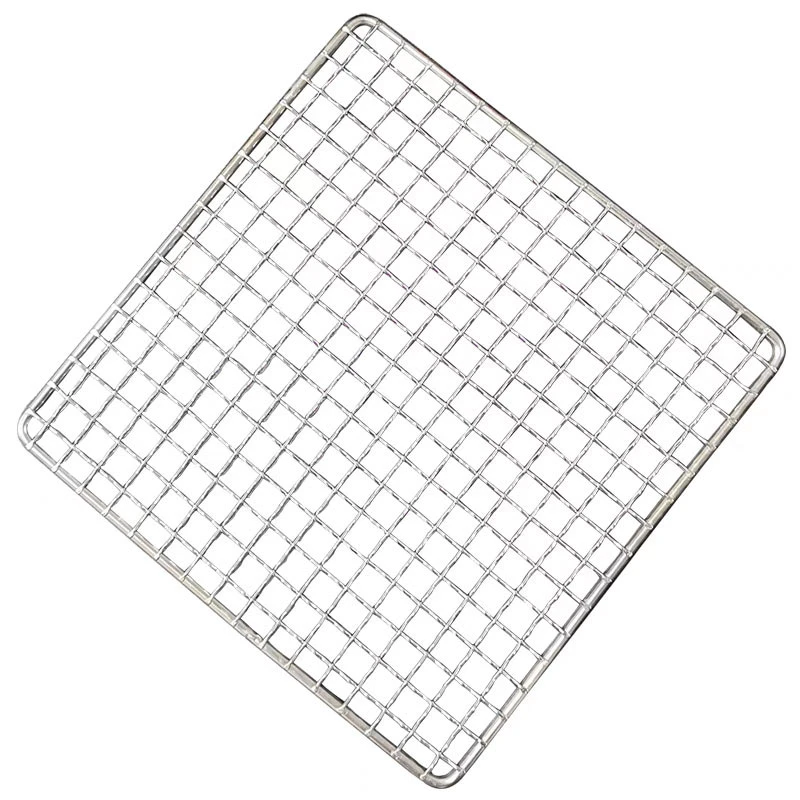
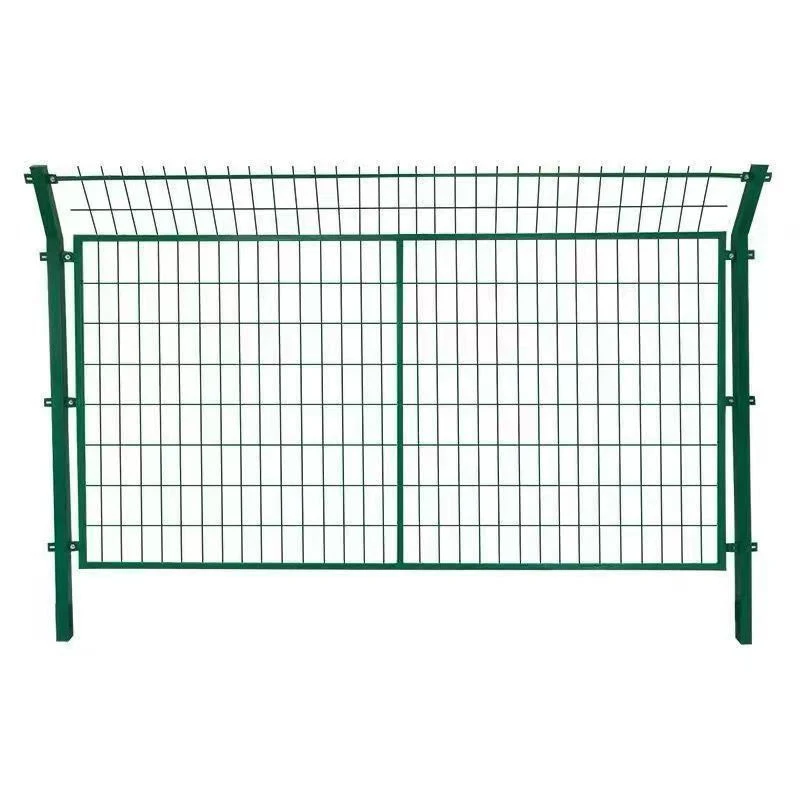
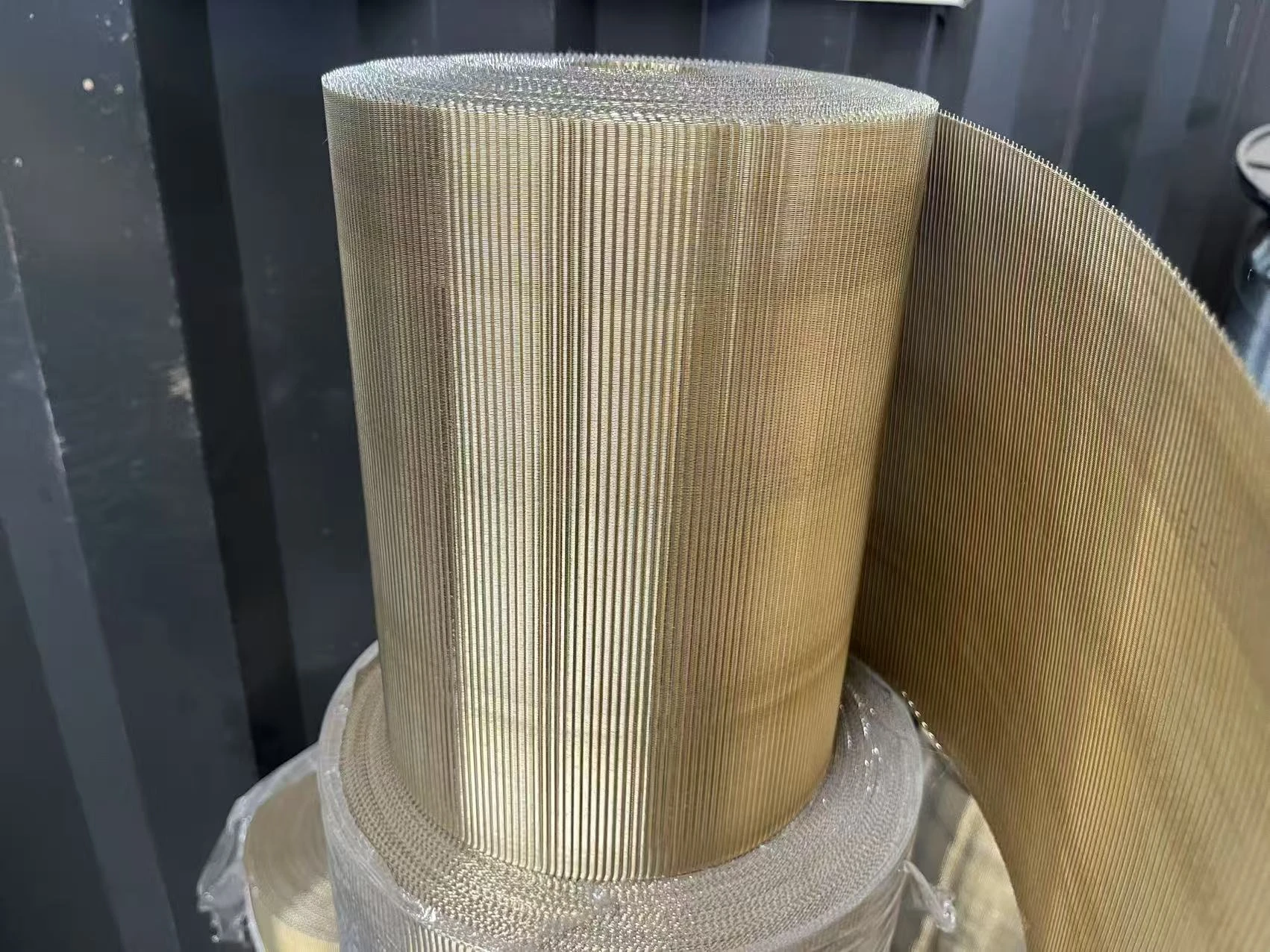
Simply put, stainless grid mesh is a woven or welded grid made from stainless steel wires forming square or rectangular patterns. Its structure allows airflow, light, and liquids to pass through while maintaining structural integrity. It’s extensively used in fencing, filtration, reinforcement, and protective barriers.
From a humanitarian perspective, stainless grid mesh’s durability enables long-lasting shelters or barriers in disaster-affected areas, supporting efforts for safer living and working conditions. Industrially, this material ensures efficiency and safety, reducing downtime due to corrosion or damage.
Key Factors of Stainless Grid Mesh
Durability
The inherent corrosion resistance in stainless steel alloys makes mesh products resilient to rust, chemicals, and weather extremes. This durability translates to less frequent replacements – a huge cost saver.
Flexibility & Scalability
Woven or welded configurations can be customized in size, thickness, and mesh opening dimensions. This scalability means stainless grid mesh can fit diverse needs from delicate filtration to robust security fencing.
Cost Efficiency
While somewhat pricier upfront than other metals, stainless steel’s long service life reduces total cost of ownership. Fewer repairs, replacements, and failures add up to significant savings.
Maintenance & Hygiene
The material’s resistance to corrosion also means it is simple to clean and sterilize, making it ideal for healthcare, food processing, or cleanroom environments.
Environmental Compatibility
Stainless steel is 100% recyclable, supporting circular economy goals. Using stainless grid mesh aligns well with sustainability mandates across sectors.
Global Applications & Use Cases
- Construction & Architecture: Often used for facade cladding, safety railings, and ventilation screens, especially in hurricane-prone or corrosive environments.
- Food and Pharmaceutical Industry: Mesh filters and screens crafted from stainless steel help maintain contamination-free processes.
- Water Treatment Facilities: Stainless grid mesh filters out debris and supports advanced filtration without corroding over time.
- Disaster Relief: NGOs have employed stainless grid mesh in protective barriers and temporary shelters, especially in humid or coastal zones.
- Industrial Manufacturing: Guards on machinery and safety fencing rely heavily on these mesh designs to prevent accidents while withstanding harsh conditions.
For example, a cement plant in Southeast Asia reduced maintenance intervals by over 30% after switching to stainless steel mesh guards due to corrosion resistance improvements. Meanwhile, coastal wind farms use stainless grid mesh as ventilation panels to combat salt spray degradation.
Advantages & Long-Term Value of Stainless Grid Mesh
Choosing stainless grid mesh means investing in reliability. It brings peace of mind over safety, knowing assets and people are protected by a material less vulnerable to failure. It supports sustainable building practices through recyclability, and even conjures a subtle aesthetic elegance that architects often praise.
From an emotional standpoint, it fosters trust in infrastructure—and frankly, with today's rapid industrialization, trust in materials that keep us safe cannot be underestimated.
Future Trends and Innovations
Green energy pushes lead to rising use of stainless grid mesh in solar farms and battery enclosures, where corrosion resistance is critical. The emergence of smart manufacturing incorporates digital quality control, optimizing mesh production for precise tolerance and consistency. Innovations like nano-coatings aim to improve cleaning ease and anti-microbial properties, especially relevant in medical contexts.
Challenges and Solutions
Oddly enough, while stainless grid mesh excels in so many areas, installation complexity and weight can be limiting factors in some applications. Experts suggest prefabricated modular panels and hybrid materials – combining stainless steel with lighter alloys – as effective workarounds. Research into advanced welding and weaving tactics also improves production speed and reduces costs.
Product Specifications of Stainless Grid Mesh (Sample)
| Specification |
Details |
| Material Grade |
304, 316 Stainless Steel |
| Wire Diameter |
0.5 mm to 5 mm |
| Mesh Opening |
1 mm to 50 mm (square or rectangular) |
| Surface Finish |
Mill Finish, Polished, Electro-polished |
| Coating |
Optional anti-corrosion coatings available |
| Standard Length & Width |
2m × 6m panels (custom sizes available) |
Vendor Comparison: Top Stainless Grid Mesh Suppliers
| Supplier |
Material Options |
Customization |
Lead Time |
Price Range |
| Jinzehong Wire Mesh |
304, 316 SS; specialty alloys on request |
High (custom weaves & finishes) |
2-4 weeks |
Mid-High |
| Global Mesh Corp |
304 SS, 316 SS |
Moderate (standard panels and finishes) |
3-5 weeks |
Mid |
| Steel Grid Solutions |
304 SS; some galvanized options |
Low (fixed catalog) |
1-3 weeks |
Low-Mid |
FAQ: Frequently Asked Questions About Stainless Grid Mesh
- What makes stainless grid mesh preferable to traditional wire mesh?
- The corrosion resistance and longevity of stainless steel outperform traditional carbon steel meshes, especially in outdoor or industrial environments. This means lower maintenance and replacement costs over time.
- Is stainless grid mesh suitable for coastal or marine applications?
- Absolutely. Grades like 316 stainless steel resist chloride corrosion, making the mesh ideal for salty or humid environments such as coastal infrastructure, offshore platforms, and marinas.
- Can stainless grid mesh be customized for different filtration needs?
- Yes. Mesh opening sizes and weave types can be tailored to achieve various filtration levels, from coarse debris filtering to fine particle separation.
- How environmentally sustainable is stainless grid mesh?
- Since stainless steel is fully recyclable without loss of properties, using stainless grid mesh supports sustainable practices and reduces environmental impact compared to single-use materials.
- Where can I buy high-quality stainless grid mesh?
- Reputable manufacturers like Jinzehong Wire Mesh provide a wide range of customizable stainless grid mesh products with quality certifications.
Conclusion
In real terms, stainless grid mesh offers a blend of durability, flexibility, and sustainability that few materials match. It not only solves immediate industrial or infrastructural challenges but also aligns with our growing global commitment to longevity and environmental responsibility. Whether you’re outfitting a large-scale factory or designing a coastal project, choosing the right stainless grid mesh can make a measurable difference in performance and cost.
If you want to explore reliable options and tailored solutions, I suggest you visit Jinzehong Wire Mesh to browse their extensive portfolio and expert advice.
Mini takeaway: Stainless grid mesh isn’t just wire and metal—it’s a versatile, future-forward solution powering progress worldwide.
References
- World Bank – Urban Development
- ISO Technical Committee 77 Stainless Steels
- Wikipedia – Stainless Steel