Understanding Stainless Steel Mesh for Mice: A Durable Solution for Pest Control
In an increasingly interconnected world, controlling rodents efficiently and humanely remains an important challenge, especially for industries sensitive to contamination or damage caused by mice. Stainless steel mesh designed for mice has emerged as a practical solution that balances durability, safety, and cost-effectiveness. But why should this relatively unglamorous product matter on a global scale? Well, it’s found critical use not just in industrial zones but also in humanitarian and food safety contexts, where controlling pests without harmful chemicals or frequent replacement matters a lot.
Global and Industry Context
The global rodent control market is expected to grow notably, driven by expanding food production, industrial warehouses, and urbanization. According to UN Food and Agriculture Organization reports, rodents contribute to nearly 5-10% losses in food production annually worldwide. Moreover, ISO standards in hygiene and safety are increasingly mandating non-toxic and permanent pest barriers. Stainless steel mesh for mice fits into this demand perfectly, offering a sustainable and robust form of exclusion.
Yet, the challenge remains: how to combine strength with fine wire diameters that stop the smallest mice without compromising air flow or visibility? Industries spanning food processing, pharmaceuticals, and agribusiness have realized stainless steel meshes represent a new baseline for trustworthy pest exclusion—and not just for strict hygiene but for asset protection.
Defining Stainless Steel Mesh for Mice
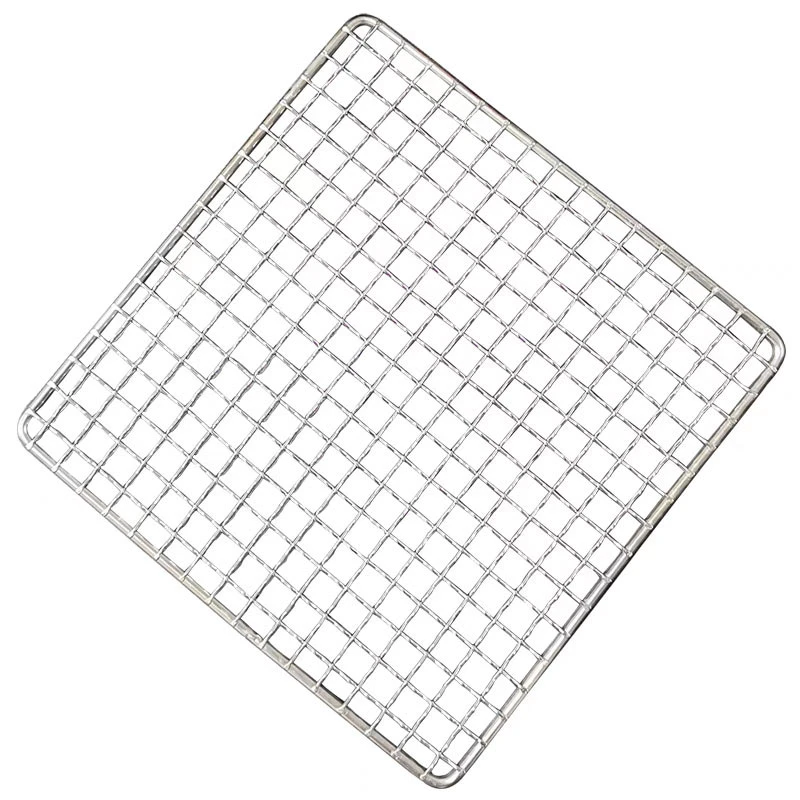
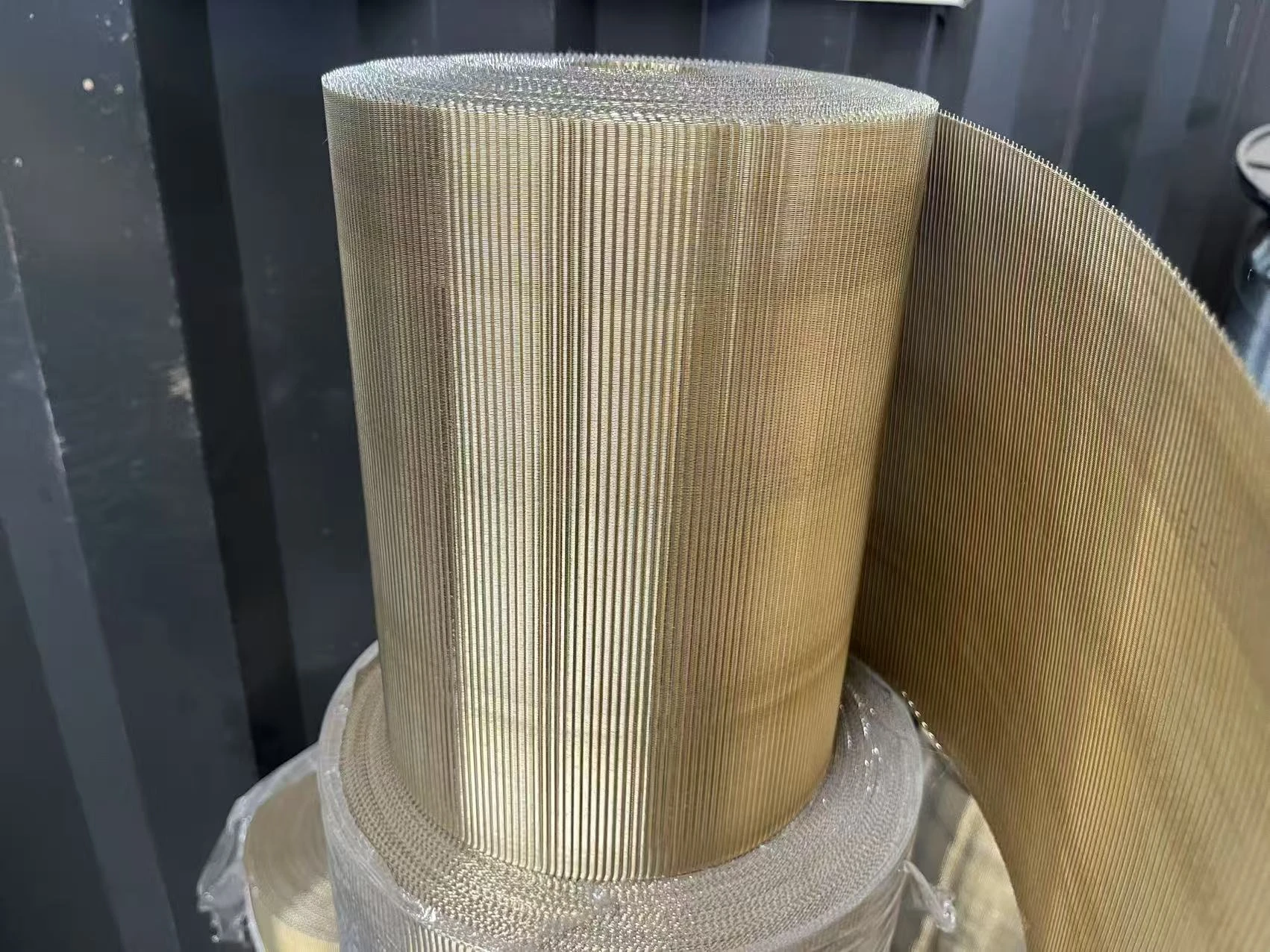
So, what exactly is this stuff? In simple terms, stainless steel mesh for mice is a woven or welded grid made of corrosion-resistant steel wire, designed with small holes that block entry of mice while allowing ventilation or light through. It’s engineered more finely than typical fencing but tougher than plastic meshes, with apertures generally below 6 millimeters to prevent mouse infiltration.
Aside from industry, it’s also gaining traction in humanitarian work where rodent-borne diseases in disaster zones threaten vulnerable populations, and chemical rodenticides pose health risks. Stainless steel meshes serve as a lasting, safe barrier that requires little maintenance.
Core Features of Stainless Steel Mesh for Mice
Durability
Made of stainless steel grades like 304 or 316, these meshes resist rust and corrosion even in moist or salty environments. They often outlast alternative materials by many years, reducing the need for replacements.
Fine Aperture Size
The zealous design of aperture sizes ensures even the nimblest mice can’t squeeze through, unlike coarser screens. This is critical, because mice are notorious for exploiting the tiniest gaps.
Fire and Heat Resistance
Unlike plastic or fabric meshes, stainless steel withstands high temperatures, valuable for applications near ovens or chemical processing units.
Non-Toxic and Eco-Friendly
Because it’s metal, there are no harmful chemicals involved in the mesh itself. It’s reusable and recyclable, aligning with sustainability goals.
Easy to Customize and Install
Meshes can be cut, shaped, and fastened according to diverse needs—from window covers to air intake vents—making them versatile.
Specifications at a Glance
| Specification |
Typical Value |
Notes |
| Material |
Stainless Steel 304 / 316 |
Chosen for corrosion resistance |
| Mesh Aperture Size |
3x3 mm to 6x6 mm |
Prevents mouse entry |
| Wire Diameter |
0.3 mm to 0.6 mm |
Balances strength and flexibility |
| Thickness |
0.3 - 0.6 mm |
Varies by application |
| Roll Width |
1.0 m to 1.5 m |
Standard sizes for tailoring |
Mini takeaway: Stainless steel mesh tailored for mice strikes an effective balance between fine protective coverage and rugged durability—a combination crucial for modern pest control solutions.
Real-World Applications Around the Globe
This mesh finds uses from urban tech parks in Europe to agrifood storage facilities in Africa. For example, in disaster relief work, organizations use stainless steel mesh barriers in food distribution centers to keep stored supplies free of rodents, minimizing disease risk. In remote industrial sites, especially those near forests or wetlands where rodent populations are high, such meshes protect sensitive equipment and ventilation ducts.
In fact, manufacturing hubs in Asia increasingly adopt these meshes to comply with stricter health codes. Even schools and hospitals use them to maintain hygienic environments. The mesh is also found in homes where traditional wooden or plastic barriers fail against persistent mice.
Vendor Comparison: Key Players in Stainless Steel Mesh for Mice
| Vendor |
Material Grade |
Max Roll Width |
Customization Options |
Lead Time |
| Jinzehong Wire Mesh |
304, 316 |
1.5 m |
Thickness, aperture size, roll length |
2-3 weeks |
| Vendor B |
Only 304 |
1.0 m |
Limited |
4-5 weeks |
| Vendor C |
316 only |
1.2 m |
Limited |
3-4 weeks |
Advantages and Long-Term Value
- Cost Efficiency: While the upfront cost can be more than plastic or fabric meshes, stainless steel’s longevity and low maintenance make it cheaper over time.
- Sustainability: It's recyclable and reduces pesticide use, contributing to greener pest management.
- Safety and Trust: Food and pharmaceutical manufacturers rely on these meshes to meet safety certifications and avoid recalls.
- Emotional Peace of Mind: For end-users, knowing the rodent problem is physically blocked—no nasty poisons involved—brings a sense of relief and dignity.
Looking Ahead: Trends and Innovations
The future of stainless steel mesh for mice intertwines with broader sustainability and technology trends. Research into even finer yet stronger nano-coated stainless steel wires could mean meshes with near-invisible appearances and improved airflow. Automation in mesh cutting and installation, backed by AI, promises reduced waste and precision fitting.
There’s also a growing push for integrating such meshes with smart sensors to detect intrusion attempts—imagine a mesh that’s both a barrier and a sensor! This ties in with smart building design and digital transformation of infrastructure.
Challenges and Solutions
One challenge has been the initial cost and the physical rigidity of stainless steel mesh, which can make installation tricky in irregular spaces. However, flexible weaving patterns and hybrid systems combining mesh with soft trim materials are addressing this. Another limitation is ensuring meshes remain clean and free of debris that can trap moisture—regular inspection and choosing coated steels can help.
FAQ: Frequently Asked Questions About Stainless Steel Mesh for Mice
- Q: How do stainless steel meshes compare to chemical rodenticides?
A: Meshes provide a physical barrier that reduces chemical use, lowering health risks and environmental contamination. They’re reusable and permanent once installed properly.
- Q: Can stainless steel mesh for mice be used outdoors?
A: Absolutely. Stainless steel grades 304 and especially 316 are highly corrosion-resistant and suited for outdoor environments, even coastal areas.
- Q: What apertures are generally recommended to block mice?
A: Aperture sizes of 3x3 mm to 6x6 mm are commonly used, as mice can squeeze through any larger gaps.
- Q: Is it difficult to install this mesh on existing windows or vents?
A: Not usually—meshes can be cut and shaped on-site with common tools and fixed with screws or clips. Many suppliers offer tailored solutions to simplify retrofitting.
Conclusion
All in all, stainless steel mesh for mice represents a smart, long-term pest control solution that aligns with modern demands for sustainability, durability, and safety. Its applications span critical sectors worldwide where rodent prevention is vital. If you want to explore further or need customized solutions, stainless steel mesh for mice from trusted suppliers like Jinzehong Wire Mesh offers a range of options tailored to your needs.
So next time you consider how to protect your assets or facility against rodent damage, remember that stainless steel mesh isn’t just wire—it’s peace of mind woven in metal.
Final takeaway: Durable, eco-friendly, and versatile, stainless steel mesh for mice truly stands as a cornerstone in modern pest control efforts.
- FAO Rodent Control Information
- ISO 22000 Food Safety Management
- Wikipedia: Stainless Steel Mesh