Understanding Steel Metal Mesh: The Backbone of Modern Industry
Steel metal mesh might sound like something niche, but it’s actually a global workhorse. From construction scaffolding to filtration systems, this versatile material quietly holds up entire industries. As infrastructure expands worldwide and sustainability takes center stage, knowing what steel metal mesh is — and why it matters — isn’t just for engineers or architects. It’s about understanding a piece of the puzzle that supports safety, efficiency, and even humanitarian aid on a global scale. Plus, its benefits range from durability to cost-effectiveness, making it relevant to projects large and small.
The Global Stage: Why Steel Metal Mesh Matters Now More Than Ever
In an increasingly interconnected world, steel metal mesh plays a vital role in everything from industrial safety to environmental protection. According to the International Organization for Standardization (ISO), the global steel production hit over 1.8 billion metric tons in 2022 — a large chunk of which supports steel mesh manufacturing for construction, agriculture, and even military use.
1
However, rapid urbanization means more demand for materials that are both strong and adaptable. Steel metal mesh addresses problems like soil erosion control, ventilation, and protective barriers. The World Bank reports that infrastructure investments in developing countries are projected to reach $4 trillion by 2030 — much of which will lean on reliable, scalable materials such as steel mesh. This leads to fewer delays, less waste, and safer environments.
Oddly enough, despite its global footprint, many people have only a vague notion of what steel metal mesh really is — or how it quietly underpins so many parts of daily life.
Steel Metal Mesh Explained Simply
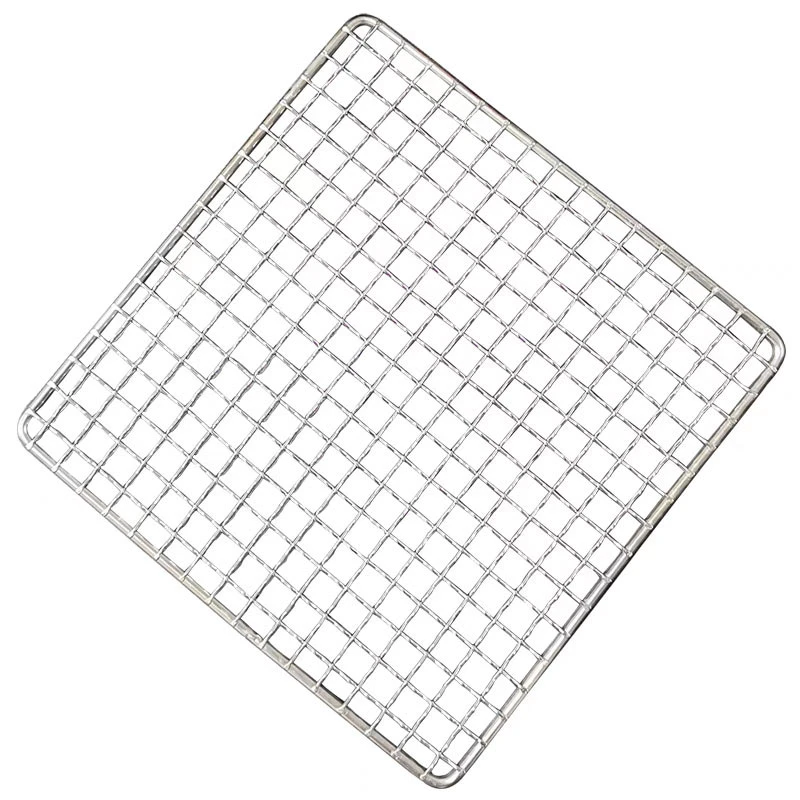
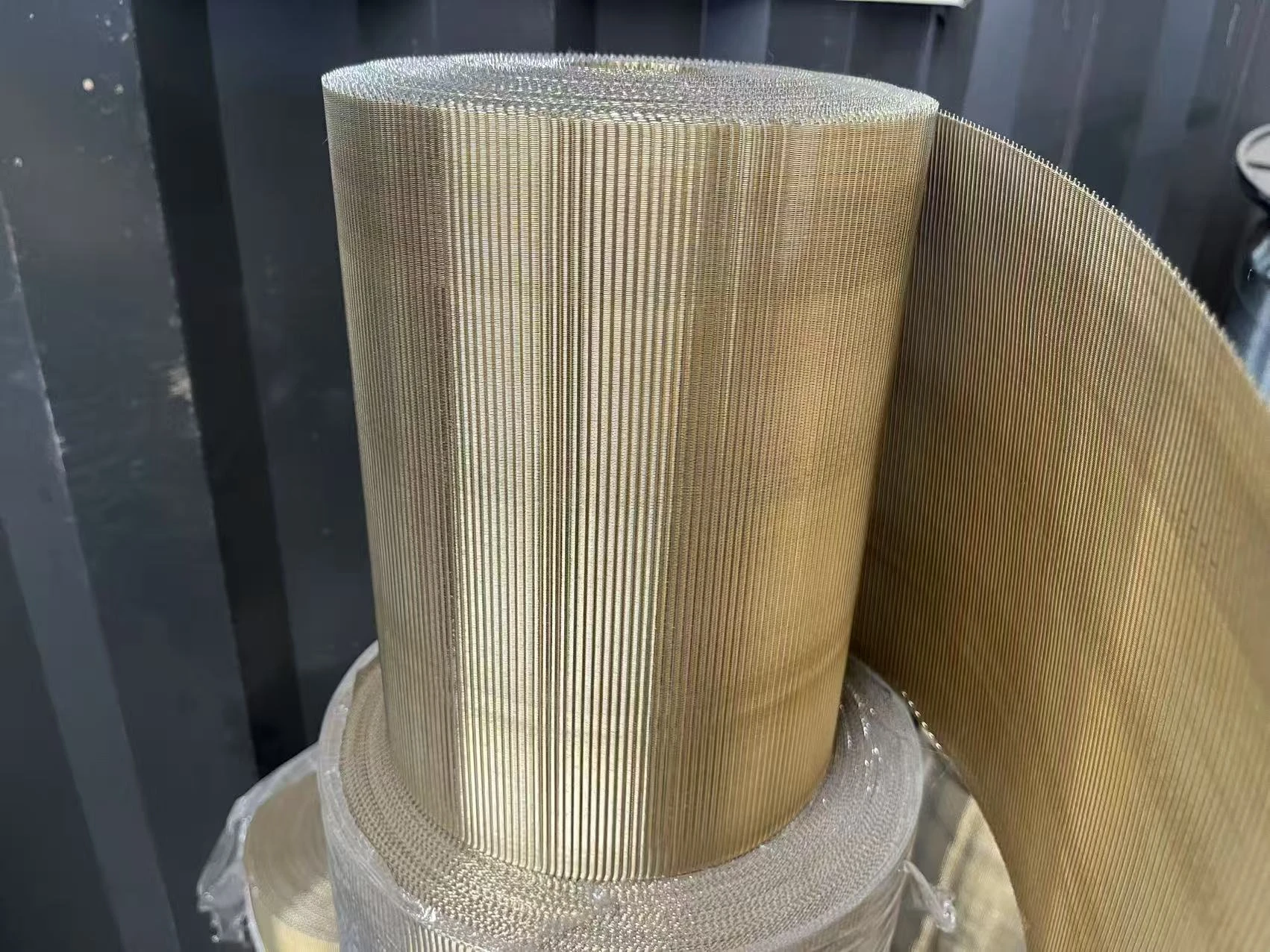
So, what is steel metal mesh? At its core, it’s a network of steel wires woven or welded into a grid pattern. This grid acts like a kind of reinforced fabric — lightweight but tough. Depending on the weave, wire thickness, and coating, the mesh can be flexible or rigid, fine or coarse.
Its connection to modern industry goes beyond basic utility. Steel metal mesh contributes significantly to humanitarian efforts too. For example, in disaster zones, pre-fabricated steel mesh panels are often used to rebuild shelters quickly and withstand harsh conditions.
Mini Takeaway:
Steel metal mesh is simply a durable network of steel strands designed to combine strength and flexibility, proving indispensable across industries and humanitarian needs.
Key Characteristics That Make Steel Metal Mesh So Reliable
1. Durability
steel metal mesh is famously tough. Resistant to corrosion when galvanized or stainless-steel coated, it can endure harsh weather and abrasion. This is why engineers often specify it for long-term structural support.
2. Scalability
Whether your job needs a few square feet for a filter or thousands for façade cladding, steel mesh is customizable. Manufacturers tailor wire thickness, mesh openings, and panel sizes to fit anything.
3. Cost Efficiency
While initial costs vary, steel metal mesh often reduces labor time due to easy installation and minimal maintenance. Over project lifetimes, this translates to significant savings.
4. Versatility
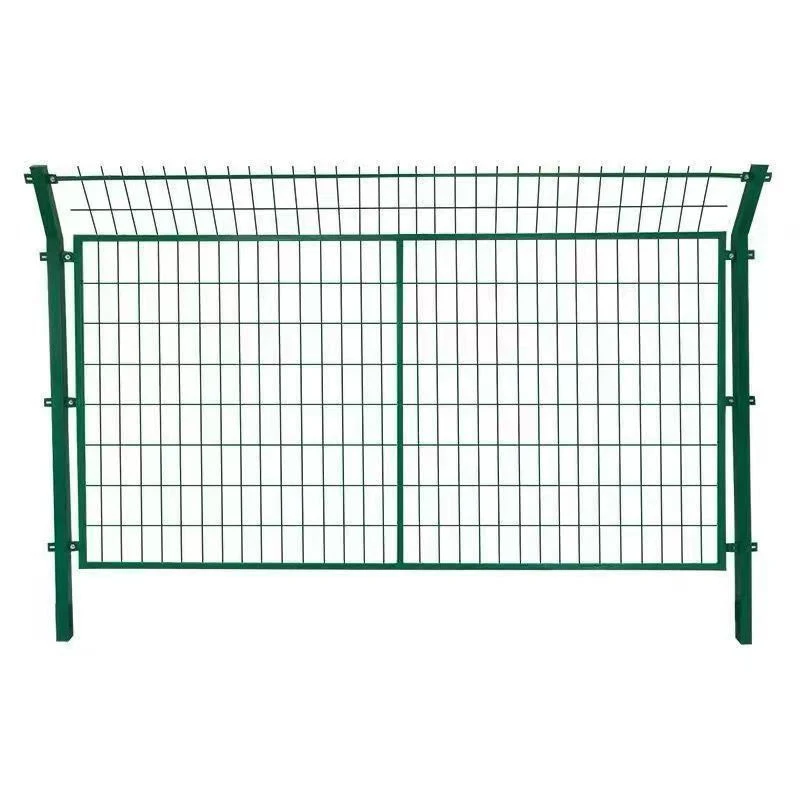
In practice, steel metal mesh works in security fencing, drying racks, industrial sieves, or architectural features. Its adaptability means it’s specified across many sectors without reinventing the wheel.
5. Sustainability
Steel is recyclable without losing quality. Utilizing recycled steel mesh aligns with rising environmental standards and circular economy principles worldwide.
2
Mini Takeaway:
The blend of durability, scalability, cost savings, and sustainability ensures steel metal mesh keeps pace with dynamic industry needs.
Steel Metal Mesh in Action: Global Applications
Around the world, steel metal mesh demonstrates practical value daily:
- Construction & Infrastructure: Used as reinforcement in concrete, scaffolding guards, and façade elements, particularly in urban centers like Shanghai and New York.
- Agriculture: Helps protect crops and livestock by forming fences resistant to pests and weather extremes—common in Australia and parts of Africa.
- Disaster Relief: Steel mesh panels swiftly create temporary shelters and protective barriers in earthquake and flood zones (look at Nepal’s 2015 recovery efforts as an example).
- Industrial Filtration: Petrochemical and food industries worldwide use varying steel mesh grades for filtering liquids and gases with high precision.
Mini Takeaway:
Steel metal mesh’s real-world uses span continents and sectors — a silent but steadfast contributor to safety, agriculture, and industry alike.
Steel Metal Mesh Specifications At a Glance
| Attribute |
Common Range/Values |
Description |
| Wire Diameter |
0.2 mm – 6 mm |
Determines strength and flexibility |
| Mesh Opening Size |
0.5 mm – 100 mm |
Controls filtration/coarseness levels |
| Material Type |
Carbon Steel, Stainless Steel, Galvanized Steel |
Affects corrosion resistance and cost |
| Panel Size |
Customizable up to 3 m x 12 m |
Flexible formats for different projects |
| Surface Treatment |
Galvanized, PVC Coated, Powder Coated |
Enhances longevity and aesthetics |
Comparing Leading Steel Metal Mesh Vendors
| Vendor |
Product Range |
Customization Options |
Lead Time |
Global Reach |
| Jinzehong Wire Mesh |
Wide (woven, welded, coated meshes) |
High — custom wire and mesh size |
2–4 weeks |
Asia, Europe, Americas |
| Global Mesh Solutions |
Specialty meshes for filtration |
Medium — mostly filtration grades |
3–6 weeks |
North America, Europe |
| SteelNet Tech |
Architectural & security meshes |
High — decorative finishes available |
4–5 weeks |
Europe, Middle East |
Why Steel Metal Mesh Is Worth the Investment
In real terms, using steel metal mesh isn’t just about cash saved on materials. It’s about future-proofing projects with a material that’s safe, reliable, and sustainable. Many engineers I've spoken to emphasize its role in reducing failures under stress and harsh climates — which often means less downtime and repair costs.
Emotionally, a project built with quality steel mesh conveys trust and longevity. For humanitarian efforts, it symbolizes dignity and resilience — the ability to provide sturdy shelter quickly after disaster strikes.
Sustainability-wise, the recyclability of steel mesh makes it a preferable alternative to plastic or composite panels, aligning with global carbon-reduction goals.
3
Mini Takeaway:
Steel metal mesh pays dividends beyond initial purchase price — safety, trust, and sustainability are investments on their own.
The Future: Innovations and Trends Shaping Steel Metal Mesh
The future here is exciting. With advances in metallurgy and coatings, steel mesh is becoming lighter yet stronger. Nanotechnology coatings aim to improve corrosion resistance even further.
Digital transformation touches manufacturing too—with AI-driven quality control and automated weaving technology enhancing precision and speed.
Sustainability remains a key priority. New regulations push for greener products, encouraging recycled steel use and eco-friendly coatings. There's also growing interest in integrating steel mesh with renewable energy tech, like solar panel mounting systems.
Challenges and Practical Solutions
Challenges exist: sometimes steel mesh requires protective treatment to avoid rust, especially in marine environments. Fabrication can be complex for intricate patterns, and lead times vary based on customization.
Solutions? Using galvanized or stainless-steel varieties helps. Plus, advances in CNC cutting and robotic welding have streamlined production, reducing errors. Collaborating early with manufacturers like
steel metal mesh suppliers ensures design feasibility and lead time management.
FAQ: Steel Metal Mesh Essentials
- What types of steel are best for mesh in outdoor construction?
- Galvanized steel mesh offers good corrosion resistance for most outdoor uses. For harsher environments like coastal zones, stainless steel is preferred due to its superior rust resistance.
- How do I determine the right mesh size for filtration?
- It depends on the particle size you need to filter. Smaller mesh openings catch finer materials but may reduce flow rates. Consulting with a supplier about your specific application helps determine optimal size.
- Can steel metal mesh panels be customized to odd shapes?
- Yes! Modern fabrication techniques allow cutting and welding mesh panels into various shapes, useful for architectural designs or specialized industrial equipment.
- Is steel metal mesh recyclable after project completion?
- Absolutely. Steel mesh can be melted down and reused multiple times without quality loss, supporting sustainable construction practices.
Wrapping Up: Why Steel Metal Mesh Should Be on Your Radar
Steel metal mesh is more than just a grid of wires; it’s a cornerstone of modern infrastructure, environmental management, and rapid humanitarian response. Its strength, adaptability, and sustainability make it an asset for a wide variety of industries worldwide.
Thinking of your next project? Consider how steel metal mesh could both safeguard your investment and advance your sustainability goals. Curious to learn more? Visit
our website for detailed specs, case studies, and supplier contacts.
---
References
- ISO Steel Production Statistics, 2023 — iso.org
- World Bank Infrastructure Projects Report, 2023 — worldbank.org
- Recyclability of Steel, Wikipedia — wikipedia.org