Crowd Control Barrier Fence: What It Is and Why It Matters Worldwide
When you think about managing large gatherings—whether it's a sports event, a concert, or even emergency evacuation—one unsung hero often comes to mind: the crowd control barrier fence. These structures may seem mundane, but their impact on public safety, order, and efficiency is profound. Globally, in an age where mass events are becoming larger and more frequent, understanding the essentials of crowd control barriers is more than just practical; it’s essential. They help prevent chaos, protect lives, and maintain smooth flow during critical moments.
In short, the crowd control barrier fence is a cornerstone of modern event management and public safety infrastructure.
Global Importance in Context
With the United Nations estimating that over half the world’s population lives in urban areas, the challenges of managing crowds have never been greater [1]. Events drawing tens of thousands—or even millions—of people require carefully engineered solutions to maintain order. The World Health Organization (WHO) highlights crowd-related incidents as a common cause of injury during mass gatherings [2]. Crowd control barriers are an integral tool in preventing stampedes, unauthorized access, and risks associated with overcrowding.
The challenge is simple but serious: how do you effectively direct or contain crowds in fast-changing environments? That’s where crowd control barrier fences come in.
Defining Crowd Control Barrier Fences
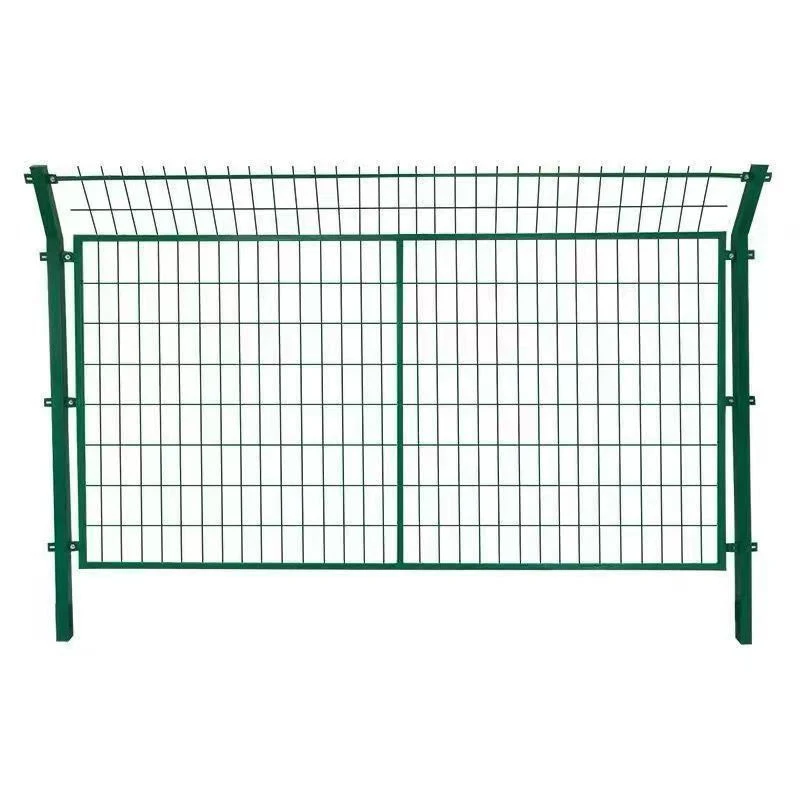
At its core, a crowd control barrier fence is a physical structure used to manage the movement and behavior of people in public spaces. Usually lightweight yet durable, these fences create defined pathways, block off restricted areas, or simply organize the flow of attendees. Think of them as the invisible hands guiding crowds towards safety and order.
Their use spans industries—it’s not just concerts or sporting arenas. In humanitarian aid, for example, barrier fences may segregate zones in refugee camps or organize queues during food distribution. Essentially, they are a pragmatic solution to crowd-related challenges in both commercial and humanitarian contexts.
Core Components & Essential Features
Durability
Crowd control barrier fences must withstand outdoor elements—rain, wind, even tempered crowds. Usually made of galvanized steel, aluminum, or heavy-duty plastics, they combine strength with corrosion resistance. Oddly enough, their lifespan often depends as much on design as materials.
Scalability & Modularity
One of the neat things about these fences is how easily they can be linked or removed to fit spaces from a tiny storefront queue to sprawling festival grounds. Modular sections allow for quick customization without heavy machinery.
Portability and Ease of Deployment
Many event planners and emergency responders praise fences that are lightweight yet stable, stacking neatly for transport and fast to set up. Quick assembly means they can be rerouted on the fly—a key feature during dynamic situations.
Cost Efficiency
Budget constraints mean that cost-effectiveness is pivotal. The best barrier fences offer a balance of upfront cost and maintenance investment to maximize utility over time.
Safety Features
Rounded edges, standardized heights and reflexive paint or markings improve visibility and reduce injury risk. Safety is as much about design as placement.
Typical Crowd Control Barrier Fence Specifications
| Specification |
Details |
| Material |
Galvanized Steel or Aluminum |
| Height |
Typically 1.1m to 1.2m |
| Weight |
10-20 kg per section |
| Connection |
Interlocking hooks or clamps |
| Finish |
Anti-rust coating or powder coat paint |
| Deployment Time |
Under 5 minutes per section |
Where Crowd Control Barrier Fences Shine Globally
Crowd control barrier fences have been deployed worldwide—from large urban marathons like the Boston Marathon, to post-disaster relief zones organized by NGOs in Southeast Asia. In Europe, they help manage the influx of tourists at busy train stations and festival grounds. This contrast of high-profile and humanitarian uses is a testament to their versatility. For instance:
- In post-disaster relief operations, barriers help organize queues for aid distribution, preserving dignity and reducing stress at makeshift camps.
- In remote industrial zones, such as mining sites in Australia, they safely separate equipment areas from worker rest zones.
- During political demonstrations, they delineate protest areas to prevent escalation and control flow.
Crowd control barrier fence solutions are thus woven deeply into global public safety, commerce, and humanitarian frameworks.
Advantages & Lasting Value of Crowd Control Fences
The benefits stack up nicely. From an economic standpoint, their reusability and robustness bring down costs in the long haul. Add sustainability benefits when fences are made from recyclable or lightweight materials that reduce transportation emissions.
There’s also a strong social impact angle: barriers maintain safety and trust in public spaces, supporting peaceful gatherings. It feels like these humble fences are quietly fostering social cohesion.
The Future: Innovation & Sustainability
Frankly, the future looks bright. Innovations include fences made with composite materials combining strength and lightness, solar-powered LED indicators for low-light events, and smart sensors embedded to monitor crowd density in real-time. Governments and event planners are increasingly looking for eco-friendly options, too—biodegradable plastics and modular designs minimizing waste are gaining traction.
Integrating digital transformation, like RFID-enabled barrier gates, is also on the horizon — merging physical control with data to enhance safety.
Challenges and Smarter Solutions
Of course, no solution is without its quirks. Barrier fences sometimes struggle against uneven terrain or extremely dense crowds. Transporting them to remote locations may be costly or slow. Moreover, misuse or poor placement can undermine effectiveness.
Experts recommend thorough site assessments and investing in modular fencing systems adaptable enough for diverse environments. Building local partnerships can also speed deployment and reduce logistics hassles.
Vendor Comparison for Crowd Control Barrier Fences
| Vendor |
Materials |
Price Range |
Lead Time |
USP |
| Jinzehong Wire Mesh |
Galvanized Steel |
$$ |
2 weeks |
Customizable, durable |
| SteelSafe Barriers |
Aluminum Alloy |
$$$ |
3 weeks |
Lightweight, corrosion-resistant |
| EcoBarrier Solutions |
Recycled Plastic Composite |
$$ |
4 weeks |
Eco-friendly, modular |
FAQ: Your Top Questions about Crowd Control Barrier Fence
Q1: How quickly can crowd control barrier fences be set up for events?
Most modern barrier fences are designed for rapid assembly. Depending on the size, a single section can often be deployed in under 5 minutes by a small team. This speed helps event organizers react to last-minute changes or emergency situations seamlessly.
Q2: Are these fences reusable and sustainable?
Absolutely. High-quality crowd control fences are built to be reused for many years, sometimes decades, which greatly reduces the environmental impact compared to single-use solutions. In addition, manufacturers increasingly use recyclable and eco-friendly materials.
Q3: Can crowd control barrier fences be customized for specific needs?
Yes, customization is common; vendors like Jinzehong Wire Mesh offer adjustable heights, widths, and branding options, allowing fences to match exactly the requirements of different venues or safety regulations.
Q4: What are the main safety features to look for in a barrier fence?
Look for rounded edges, stable bases, high-visibility finishes (like reflective paint), and strong locking mechanisms to prevent accidental collapse or injuries. Standards vary by region but generally emphasize these features.
Q5: How do crowd control fences perform in extreme weather?
Weather resistance depends on material and design. Galvanized steel fences handle rain and wind well, while aluminum offers corrosion resistance in coastal areas. However, extreme wind can be challenging, requiring heavier bases or anchoring solutions.
Conclusion: Why Crowd Control Barrier Fences Are Here to Stay
To sum it up, crowd control barrier fences are a foundational piece of public safety and event management—quietly safeguarding millions worldwide. Their mix of practicality, adaptability, and increasing technological innovation positions them perfectly for growing urban challenges and humanitarian needs.
Curious to learn more or ready to find a barrier fence solution tailored for your next event or project? Visit our website: https://www.jinzehongwiremesh.com
It’s amazing how something as straightforward as a fence can contribute so deeply to safety and order. The more I learn, the more I appreciate the mix of engineering, design, and human factors behind crowd management.
References:
- United Nations – Urbanization
- World Health Organization – Mass Gatherings Risk Assessment
- International Organization for Standardization (ISO)
Mini Takeaways
- Crowd control barrier fences are a vital safety tool worldwide, ranging from events to humanitarian aid.
- Key qualities include durability, portability, scalability, and affordability.
- Innovation is trending toward smart, eco-friendly, and modular designs.
- Effective barrier deployment requires thoughtful site assessment and quality materials.