Understanding 2mm Stainless Steel Mesh and Its Global Significance
If you haven’t had a close look at 2mm stainless steel mesh before, it might seem like just another industrial fabric. But in reality, this precise, durable mesh plays a critical role in sectors from construction to food safety worldwide. Why does it matter so much? Well, around the globe, industries rely on materials that are not only sturdy but also corrosion-resistant, hygienic, and adaptable. The 2mm stainless steel mesh has proven to be an ideal candidate—offering key benefits like longevity, ease of cleaning, and mechanical strength that help industries reduce costs and improve safety.
With the world rapidly moving towards more sustainable and efficient manufacturing, understanding the design and application of this mesh could mean smarter choices in materials engineering and procurement. It’s not just about metal wires woven tight; it’s about solving real problems—from preventing contamination in food processing to supporting architectural innovations.
The Global Context: Where 2mm Stainless Steel Mesh Fits In
The global stainless steel market was valued at around $120 billion in 2022 (according to industry data) and is projected to grow steadily. Much of that demand comes from mesh products of various sizes, including the popular 2mm mesh size due to its balance of robustness and versatility.
One challenge many industries face is environmental exposure. Corrosion, wear, and contamination lead to safety risks and maintenance headaches. This is particularly relevant in parts of Asia and Europe where regulatory standards are stringent, requiring materials that can stand the test of time without chemical degradation.
Clearly, 2mm stainless steel mesh addresses one big problem: how to create materials that don't compromise on strength while remaining hygienic and easy to maintain. For industries striving to meet global ISO standards (like ISO 9001 or ISO 22000 for food safety), choosing the right mesh can mean the difference between compliance and costly recalls or repairs.
Mini takeaway: In a growing market emphasizing durability and hygiene, 2mm stainless steel mesh offers a reliable solution that meets international standards.
What Exactly Is 2mm Stainless Steel Mesh?
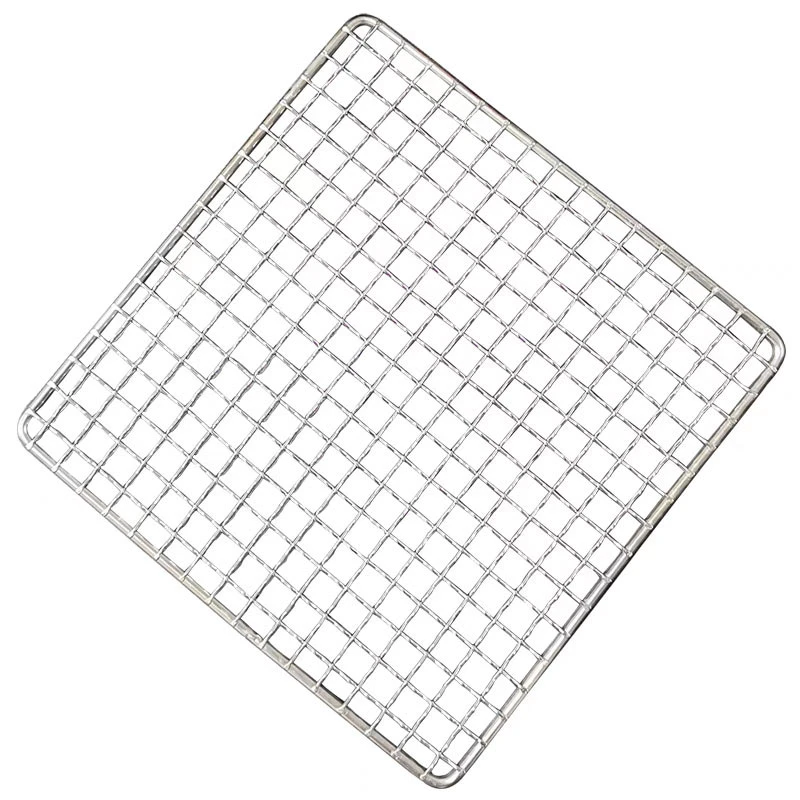
Let’s break down the term simply. “2mm” refers to the size of the openings in the mesh — essentially, the gap between the stainless steel wires that form a woven grid. This gap size is handy because it’s small enough to filter or protect but large enough to maintain airflow or visibility, depending on the use.
Stainless steel mesh means the wires themselves are made from stainless steel alloys — usually grades like 304 or 316 — that resist rust and corrosion very effectively. The combination results in a material that’s both strong and hygienic. It’s used in everything from kitchen sieves and industrial filters to protective barriers in construction.
Interestingly, as industries globalize, the demand for efficient and safe mesh products rises—whether it’s for designing smart city infrastructure or for clean water filtration in remote areas.
Core Features That Define the 2mm Stainless Steel Mesh
Durability and Corrosion Resistance
The stainless steel composition naturally stalls rust and staining, even under harsh weather or chemical exposure. This means industrial setups or outdoor installations using 2mm stainless steel mesh can count on long-term service without constant replacement.
Mechanical Strength
Despite the relatively fine gap, the mesh remains tough under tension and pressure. If you're using it as a protective screen or structural reinforcement, it won't bend or break easily.
Ease of Cleaning and Hygiene
Stainless steel surfaces don’t trap dirt, bacteria, or oils like other materials might. For food processing plants or medical industries, this property translates directly to safer working conditions and compliance with health regulations.
Cost Efficiency
While initially it might seem pricier than plastic or aluminum alternatives, the long lifespan and minimal maintenance needs of the mesh balance the upfront cost in real terms.
Mini takeaway: The synergy between strength, corrosion resistance, hygiene, and cost-efficiency makes 2mm stainless steel mesh a smart choice for diverse applications.
Where Is 2mm Stainless Steel Mesh Actually Used?
This mesh finds utility in a surprising range of applications. Here’s a quick tour:
- Construction Industry: Used for concrete reinforcement, plastering screens, and safety barriers.
- Food Processing: Critical in conveyor belts, filtering, and air flow systems where hygiene is non-negotiable.
- Water and Air Filtration: Deployed in filtration systems in both urban and remote locations, including disaster relief clean water projects.
- Aerospace and Automotive: For protective grills, component reinforcement, and shielding.
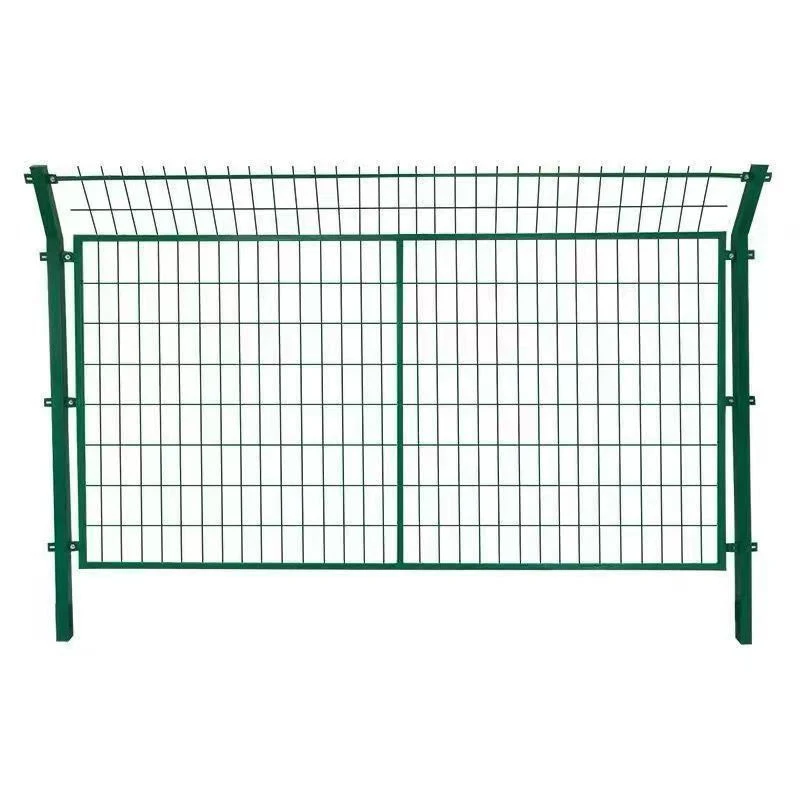
- Security: Enhancing windows, doors, and enclosures to prevent unauthorized access while allowing light and ventilation.
For example, in post-disaster relief operations in Southeast Asia, the mesh acts as a durable, reusable material for temporary shelters and water filtration units. Similarly, in remote industrial zones in Africa, it often doubles as a protective mesh for valuable equipment exposed to nature.
Product Specification Table
| Specification |
Details |
| Mesh Opening Size |
2 mm (±0.1 mm) |
| Material Grade |
Stainless Steel 304 / 316 options |
| Wire Diameter |
0.4 - 0.6 mm |
| Tensile Strength |
> 500 MPa (depends on grade) |
| Corrosion Resistance |
Excellent in marine & chemical environments |
| Standard Sizes |
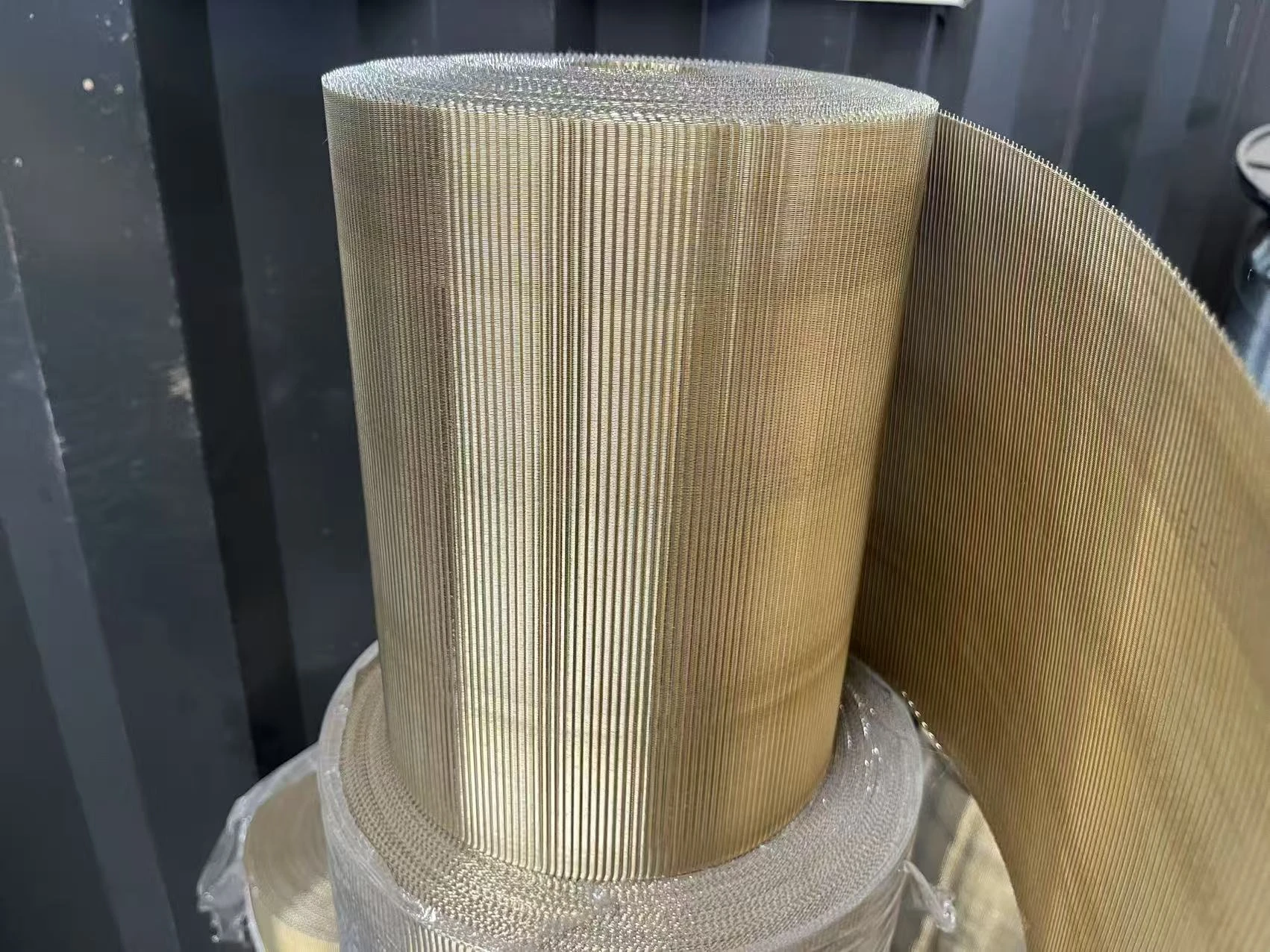
Roll width: up to 1.5 meters; Length customizable |
The Advantages & Long-Term Value of Choosing 2mm Stainless Steel Mesh
Tangibly, it cuts down maintenance costs significantly. Fewer replacements, less downtime, and lower hygiene-related risks translate to a strong ROI.
Emotionally, managers and workers gain peace of mind knowing their environment is safer and more reliable. It’s a material you can trust — which often sounds simple but builds enormous goodwill in industries where safety and quality are paramount.
Moreover, with increasing attention on sustainability, opting for materials that last and can be recycled pushes companies toward greener footprints without compromising utility.
Comparing Major Vendors of 2mm Stainless Steel Mesh
| Vendor |
Material Grades |
Pricing (USD per sqm) |
Customization Options |
Delivery Times |
| JinzeHong Wire Mesh |
304, 316 Stainless Steel |
$35 - $45 |
Custom widths, lengths, coil sizes |
| GlobalMesh Co. |
304 Stainless Steel only |
$30 - $40 |
Standard sizes, limited custom |
| SteelWorks International |
304, 316, 321 Stainless |
$40 - $50 |
Extensive customization, modern coatings |
Looking Forward: Trends and Innovations Surrounding 2mm Stainless Steel Mesh
Digitization is coming to the wire mesh production line—machine learning algorithms now analyze weave tightness and detect flawed strands in real time, ensuring quality far better than traditional methods.
Environmentally, research into low-carbon and recycled stainless steel means future editions of 2mm stainless steel mesh could boast smaller carbon footprints without losing durability.
We’re also seeing hybrid meshes infused with coatings that improve anti-bacterial properties for medical applications—a small touch that might redefine hospital hygiene standards in years to come.
Common Challenges & Practical Solutions
Of course, not everything is perfect. One typical snag involves initial cost and availability in less-developed markets. The 2mm stainless steel mesh can be pricier upfront compared to alternative materials.
Yet, many engineers have pointed out solutions like bulk ordering and supplier partnerships that spread costs and expedite delivery. Some niche startups are even experimenting with modular kit designs to ease transport and installation.
FAQs About 2mm Stainless Steel Mesh
- Q1: How durable is 2mm stainless steel mesh in outdoor marine environments?
- A1: When made with marine grade 316 stainless steel, 2mm mesh offers excellent resistance to saltwater corrosion, making it suitable for coastal applications, offshore platforms, and marine filtration systems. Proper maintenance still helps extend lifespan greatly.
- Q2: Can I customize the dimensions of the mesh rolls?
- A2: Most manufacturers provide customization options for width, length, and coil diameter to fit your project needs. It’s wise to discuss early with suppliers like JinzeHong Wire Mesh to ensure availability and lead times.
- Q3: Is 2mm stainless steel mesh safe for food contact applications?
- A3: Yes, using food-grade stainless steel (304 or better 316) meshes is common in food processing for sieves, conveyors, and equipment guards due to its hygienic, corrosion-resistant qualities.
- Q4: How does this mesh perform in filtration systems?
- A4: The 2mm opening size allows it to act as a coarse filter, removing larger debris and particles. It’s often used as a pre-filter in water treatment or industrial air filtration, protecting finer filters downstream.
- Q5: What are the environmental benefits of using stainless steel mesh?
- A5: Stainless steel is nearly 100% recyclable and often contains recycled content. Its long service life reduces waste and need for replacement, supporting circular economy practices and lowering environmental impact.
Wrapping Up: Why 2mm Stainless Steel Mesh is Worth Your Attention
To think, such a simple sounding product like 2mm stainless steel mesh can quietly underpin critical industries — from clean water access to infrastructure safety — is fascinating. Its blend of strength, hygiene, and versatility keeps it relevant and valuable as global demands evolve.
Interested in sourcing premium quality meshes designed for your specific needs? Visit us at https://www.jinzehongwiremesh.com to explore options tailored for a better, safer tomorrow.
Remember: Choosing the right material isn’t just about specs on paper. It’s about reliability, sustainability, and peace of mind in the real world.
References
- Wikipedia - Stainless Steel
- ISO 9001 Quality Management
- World Bank - Environment and Sustainable Development