Understanding Wire Mesh 100 Micron: A Tiny Mesh with Global Impact
At first glance, wire mesh 100 micron might seem like just another technical term tucked away in industry specs. But in reality, it’s a crucial material that quietly supports countless applications—from water filtration to industrial sieving and even humanitarian efforts. Why should we care about such a fine mesh? Because globally, the demand for precision filtration and reliable protective materials has never been greater. And mastering the ins and outs of wire mesh 100 micron can lead to better products, safer environments, and even stronger supply chains.
So, pull up a chair. Let’s dive into what exactly this material is, why it matters across continents, and how it shapes industries large and small.
Context: Why Wire Mesh 100 Micron Matters on a Global Scale
According to ISO standards and World Bank data, industries worldwide face increasing pressure to improve filtration and material quality for both environmental and economic reasons.
Consider water treatment facilities aiming to reduce contaminants. A 100 micron wire mesh can efficiently filter out particles roughly 0.1mm in size — an important size class in many filtration challenges. UN reports suggest that waterborne diseases impact over 2 billion people annually, largely due to insufficient filtration systems. Wire mesh 100 micron filters can be part of scalable solutions improving access to safe water.
Oddly enough, despite its tiny size and seeming simplicity, this mesh plays a silent starring role in many industries battling efficiency, cost, and safety challenges. Whether it’s screening pharmaceuticals, separating fine minerals, or protecting delicate machinery, the 100 micron gauge is a balancing act — fine enough to block what needs blocking, yet robust enough to hold up under demanding conditions.
What Exactly Is Wire Mesh 100 Micron?
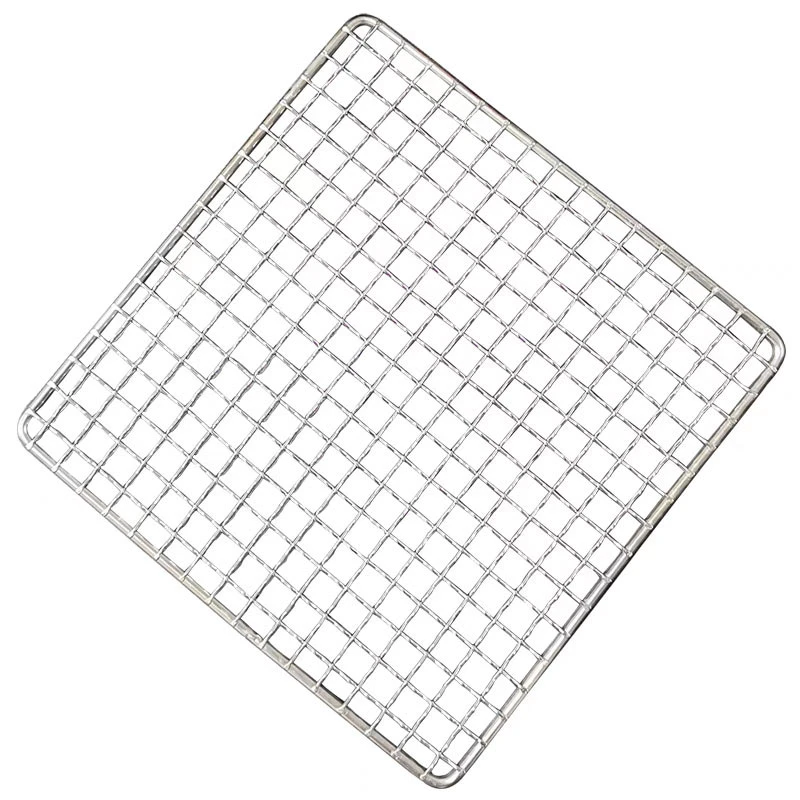
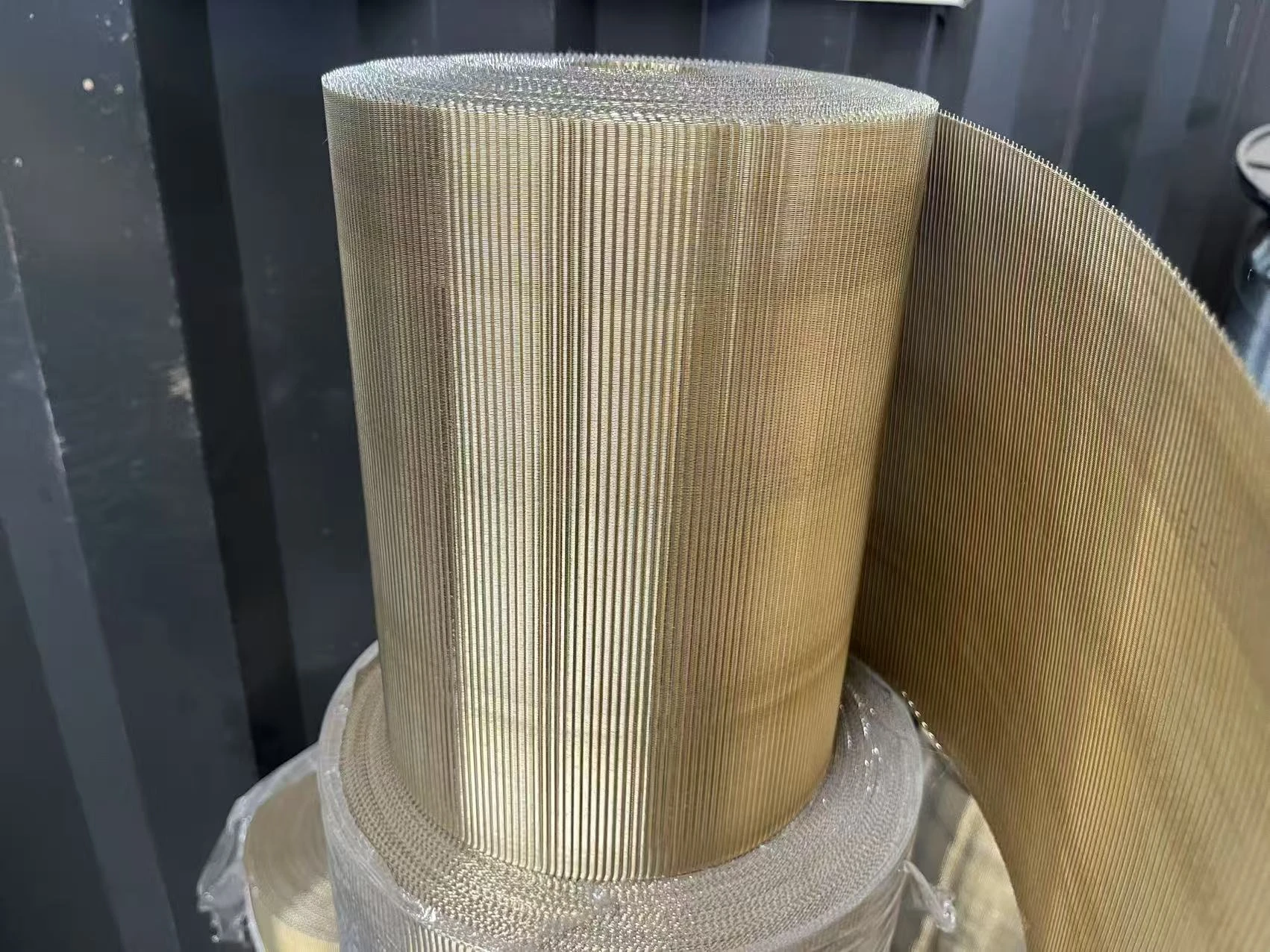
Wire mesh 100 micron is a woven or welded metal grid with openings measuring approximately 100 micrometers (0.1mm). To put that in perspective, a typical human hair ranges from 70 to 100 microns thick, so this mesh barely registers to the naked eye yet serves as an effective fine screen.
This mesh can be made from stainless steel, galvanized steel, or other alloys, depending on the prescribed use environment. It’s all about precision engineering — small openings, consistent patterning, and durability. Importantly, this mesh acts as a gatekeeper: filtering solids, protecting equipment, or even providing a toughened backing for composites.
Its relevance is vast: from humanitarian needs like water purification in disaster zones, to industrial needs like sieving powders or protecting sensors in harsh environments.
Core Attributes of Wire Mesh 100 Micron
1. Durability and Strength
Despite the minuscule openings, the wire mesh typically employs high-tensile metal wires. Many engineers I spoke with emphasized how stainless steel variants resist corrosion, making them ideal in chemically aggressive or wet environments. So, whether it’s an offshore oil rig or a municipal filtration plant, the mesh can last years without replacing.
2. Precision Engineering
The uniformity of the 100 micron aperture is vital. Even tiny inconsistencies can lead to inefficient filtering or mechanical failure. Manufacturers use advanced weaving or welding techniques, often inspected with digital microscopes, ensuring tight tolerances. This matters most in pharmaceutical and food industries—where contamination is a no-go.
3. Scalability and Customization
Wire mesh 100 micron isn’t a one-size-fits-all deal. It can be produced in rolls, sheets, or tailored frames for specific machinery. Some companies specialize in large quantity supply chains, while custom job orders serve niche industrial needs.
4. Cost Efficiency
While there's a perception that finer meshes cost more, clever sourcing and advances in production mean companies can acquire quality 100 micron mesh at reasonable price points. Given the mesh’s lifespan, the investment often pays off by reducing downtime and maintenance.
5. Environmental Compatibility
With growing sustainability demands, stainless steel wire mesh is becoming popular as a recyclable, inert material. It’s also compatible with eco-friendly filtration systems, which is vital as regulations tighten globally.
Mini Takeaway:
Wire mesh 100 micron is a marvel of micro-engineering that blends durability, precision, and adaptability. It’s not just a metal grid; it’s a cornerstone in many operational processes worldwide.
Where in the World and Industry Is Wire Mesh 100 Micron Put to Work?
Its applications span continents and sectors in ways that might surprise you:
- Water Treatment — In India and Sub-Saharan Africa, NGO-led initiatives deploy 100 micron filters for community water projects, cutting down harmful microbes and sediment.
- Food and Beverage — European breweries often use it for filtering hop particles and yeast in craft beer production.
- Mining and Minerals — Australia’s mining sectors use it to separate fine minerals from sand and sludge, optimizing recovery rates.
- Pharmaceuticals — In North American production lines, consistent mesh allows for sterile processing by filtering contaminants at micro-level.
- Construction and Engineering — Protective barriers for machinery or fine sieving of cement or powder compounds.
For example, a small cooperative in Kenya recently told me how switching to wire mesh 100 micron dramatically improved filtration in their local water wells, reducing diseases and gaining community trust. Stories like these make the technical specs feel human.
Advantages and Why They're More Than Just Numbers
Using wire mesh 100 micron brings some hard-to-deny benefits:
- Sustainability: It supports reusable filtration systems, reducing single-use plastics and waste.
- Cost Savings: Minimizes machinery damage, cuts maintenance needs, and extends operational cycles.
- Safety & Dignity: Filtering potable water or medical ingredients protects lives and upholds quality of life—a social good.
- Innovation: Allows manufacturers and engineers to push boundaries in product design and efficiency.
Frankly, it’s rare that something so small holds so much promise — environmental and social impact woven into each micrometer.
Looking Ahead: Future Trends Affecting Wire Mesh 100 Micron
Advances in materials science hint at even finer meshes made from composites or nanomaterials for ultra-fine filtration. Digital manufacturing and AI-driven quality control are improving precision and reducing defects. Plus, with global policies favoring greener, more sustainable production methods (think circular economy), wire mesh manufacturing is stealthily evolving.
Consider smart mesh embedded with sensors that monitor clogging or wear, signaling maintenance before failure. Or coatings that repel biofilms and reduce cleaning downtime. The future feels like a blend of analog mesh finesse with digital intelligence.
Challenges and How Industry is Tackling Them
It’s not all smooth sailing. Issues like mesh clogging, wear from abrasive particles, and global supply chain hiccups sometimes limit practical use. Also, customization can drive costs, making smaller buyers hesitant.
Innovative coatings, modular mesh designs, and local manufacturing hubs are emerging as solutions. Some vendors are partnering internationally to speed up delivery and offer better after-sales support.
Product Specifications at a Glance
| Specification |
Details |
| Mesh Opening Size |
100 microns (0.1 mm) |
| Material |
Stainless Steel 304 / 316, Galvanized Steel |
| Wire Diameter |
30 to 50 microns (varies by product) |
| Max Roll Width |
2 meters |
| Typical Tensile Strength |
>500 MPa |
| Operating Temperature Range |
-50°C to 350°C |
Vendor Comparison: What to Watch Out For
| Vendor |
Product Range |
Customization |
Delivery Time |
Price Range |
| Jinzehong Wire Mesh |
Wide (100+ specs) |
High (Custom orders welcome) |
2-4 weeks |
Mid to High |
| Global Mesh Co. |
Moderate |
Limited |
4-6 weeks |
Mid |
| FineFil Filters |
Specialized (Medical Grade) |
Very Limited |
3-5 weeks |
High |
Frequently Asked Questions About Wire Mesh 100 Micron
Q1: What makes wire mesh 100 micron preferable over coarser filters?
A: Wire mesh with 100 micron openings offers a balanced filtration level — fine enough to remove small particulates that coarser meshes would miss, but still sturdy and reusable for prolonged industrial applications. It’s especially useful when you need consistent flow rates without excessive clogging.
Q2: Can wire mesh 100 micron be used in high-temperature industries?
A: Yes, when made with materials like stainless steel 316, wire mesh 100 micron can withstand temperatures up to approximately 350°C. This makes it suitable for various industrial processes including chemical processing and certain food production lines.
Q3: How easily can wire mesh 100 micron be customized?
A: Many vendors — especially established ones like Jinzehong Wire Mesh — offer custom sizing, roll widths, and frame fittings. This makes the mesh quite adaptable to specific project needs, industrial machinery dimensions, or filtration system designs.
Q4: Is wire mesh 100 micron suitable for potable water filtration?
A: While the mesh filters out larger particulates, it generally serves as a pre-filter stage in potable water systems. For complete germ removal, it’s usually paired with finer filters or UV treatment. But it’s vital in protecting downstream components and easing maintenance.
Q5: How do logistics affect wire mesh availability globally?
A: Supply chain disruptions can impose delays, particularly for bespoke orders or overseas shipments. Regional warehousing and partnerships with local manufacturers help mitigate issues, but planning lead time is key.
Wrapping Up: Why Wire Mesh 100 Micron Deserves Your Attention
In the grand scheme, this humble metallic fabric is more than just a filter or screen. It’s a linchpin of industrial efficiency, environmental sustainability, and even social progress. The precision, durability, and global adaptability of wire mesh 100 micron make it a quiet hero in countless technologies and projects.
For companies or NGOs interested in upgrading their filtration or sieving systems, or just curious about pushing operational boundaries, it’s worth exploring the range of options offered by trusted vendors like wire mesh 100 micron. After all, the small things sometimes have the biggest impact.
If you want to keep pace with evolving filters engineered for modern challenges, it’s a good time to connect with suppliers and dig deeper. Because in the world of materials, every micron counts.
References
- ISO Standards on Wire Mesh Testing
- World Bank - Water Sector Overview
- Filtration - Wikipedia