Barbed Wire Security Fence: Durable Protection from Years in the Field
Having worked in the industrial equipment sector for more than a decade, I’ve pretty much seen it all when it comes to fencing solutions. But if someone asked me what’s still a go-to for robust, cost-effective perimeter security, I’d say barbed wire security fence — the unpretentious workhorse that never really goes out of style.
Now, I won’t pretend it’s glamorous. In fact, it’s a bit rough around the edges, literally. But that’s part of its charm. Barbed wire fences have an almost iconic presence around industrial sites, farms, even prisons — basically anywhere you need a physical deterrent that’s straightforward and reliable.
One thing that’s struck me, over years of installations and maintenance, is how the materials and design choices make a huge practical difference. The quality of the wire — whether hot-dipped galvanized steel or razor-sharp stainless variants — affects everything from durability to corrosion resistance. I recall a site in a coastal area where the salty air made most fences rust fast, but high-gauge galvanized barbed wire held up just fine.
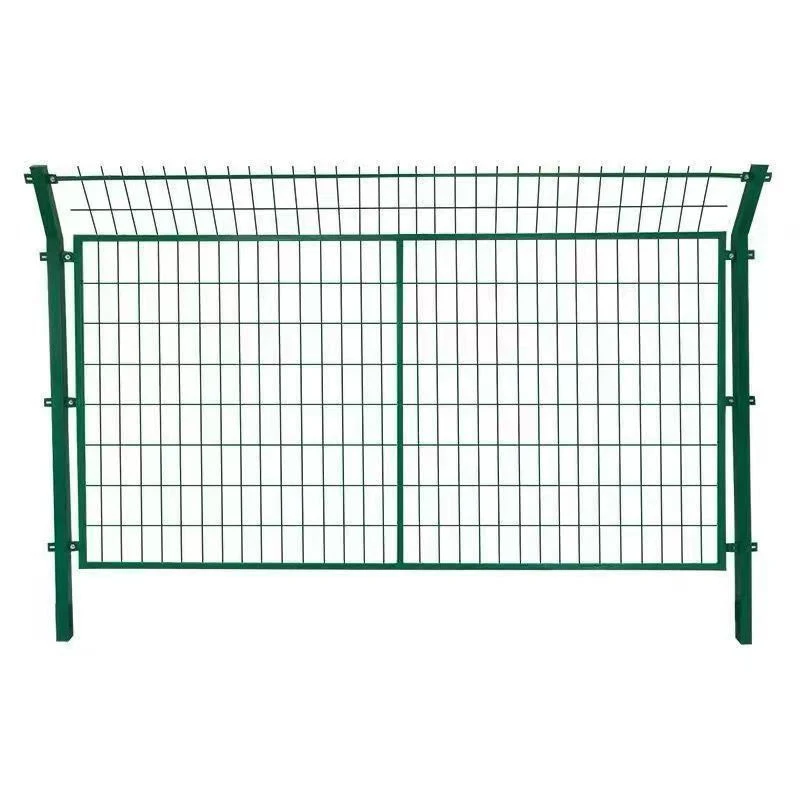
The barbed wire security fence I’ve sourced from reputable manufacturers here often comes with multi-strand configurations and sharp twisted barbs designed to discourage climbing. And frankly, these features are why many engineers still trust this fence type for perimeter security around industrial plants — it’s effective, affordable, and quite flexible for custom lengths and heights.
Product Specifications at a Glance
| Specification |
Details |
| Material |
Galvanized Steel / Stainless Steel |
| Wire Gauge |
10 - 14 Gauge |
| Barb Spacing |
4 - 5 inches (approx.) |
| Coating |
Hot-dip Galvanized or PVC Coated |
| Max Roll Length |
350 meters |
| Tensile Strength |
700 - 1200 MPa |
Oddly enough, many newcomers underestimate the importance of proper installation. You know, the tension on the wire, the post spacing — those details can make or break effectiveness. I remember a project where cheap fencing went up fast but sagged and failed within a season. The lesson? Invest time up front, or you’ll pay more later.
Comparing Top Barbed Wire Vendors
| Vendor |
Material Quality |
Customization |
Price Range |
Lead Time |
| Jinzehong Wire Mesh |
High-grade galvanized, stainless options |
Roll length, barb spacing, gauge |
Moderate |
1–2 weeks |
| Vendor B |
Standard galvanized steel |
Limited options |
Low |
3–4 weeks |
| Vendor C |
Mixed steel alloys |
Custom coatings available |
High |
2–3 weeks |
On a more personal note, I once helped a client secure a large farming estate prone to vandalism. We went with multiple strands of galvanized barbed wire, carefully spacing and tensioning each roll. Results? No breach attempts in over two years. The client remarked that the fence’s mere presence was a significant deterrent. That kind of feedback reminds me why we rely on this tried-and-true solution.
In real terms, barbed wire security fence is a solid entry point into any perimeter security strategy. It’s not flashy, but it works — especially when you source from knowledgeable manufacturers and remember to respect installation best practices.
So next time you’re specifying industrial fencing, don’t overlook this classic. It might surprise you how a simple wire, with just enough bite, can keep your assets safe without breaking your budget.
References:
- Industrial Wire Mesh, Coating and Tensile Testing Standards, ASTM Reports, 2022.
- Field Notes from Perimeter Security Installations, 2015-2023.
- Jinzehong Wire Mesh Product Catalog and Technical Datasheets, 2024.
Sometimes, it's the simple, no-nonsense tools that serve us best out there.