The Rising Importance of Wire Mesh Fine in Today's Global Industry
Wire mesh fine may sound like an unassuming industrial material, but it quietly threads its way through critical sectors worldwide. From construction meshes to filtration systems and even humanitarian aid, understanding the nuances of wire mesh fine reveals significant insights into how industries optimize safety, efficiency, and innovation.
In a world increasingly focused on sustainability, resilience, and precision manufacturing, fine wire mesh solutions bridge technical demands and practical challenges. Their delicacy is their strength, offering refined filtering capabilities, durable reinforcement, and flexible adaptability that few alternatives can match.
Looking at Wire Mesh Fine from a Global Perspective
Globally, the demand for wire mesh fine is growing as industries tackle rising standards and environmental constraints. According to the International Standards Organization (ISO), mesh size, tensile strength, and materials continue to drive market evolution across Asia, Europe, and the Americas — regions that contribute roughly 70% of the wire mesh market volume (iso.org).
At the same time, the UN highlights the role of advanced construction materials, like fine mesh, in post-disaster reconstruction and sustainable urban development (un.org).
But there’s a twist: many sectors struggle with sourcing meshes that deliver precision without escalating costs or sacrificing durability. Wire mesh fine steps in to solve this by balancing quality and scalability, often replacing bulkier, more expensive materials.
Mini takeaway:
- Wire mesh fine answers global needs for precision, cost control, and durability.
- Its role is expanding in both developed and developing markets.
What Exactly Is Wire Mesh Fine?
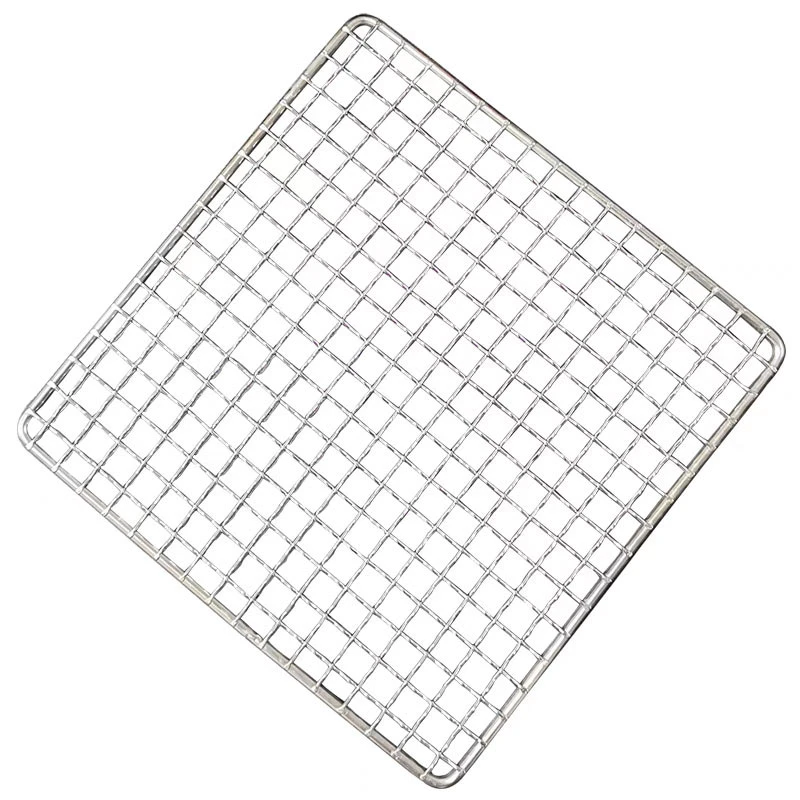
At its core, wire mesh fine refers to woven or welded metal grids with very tight mesh openings — typically measured in microns or fine millimeters — designed for filtration, reinforcement, or protective applications.
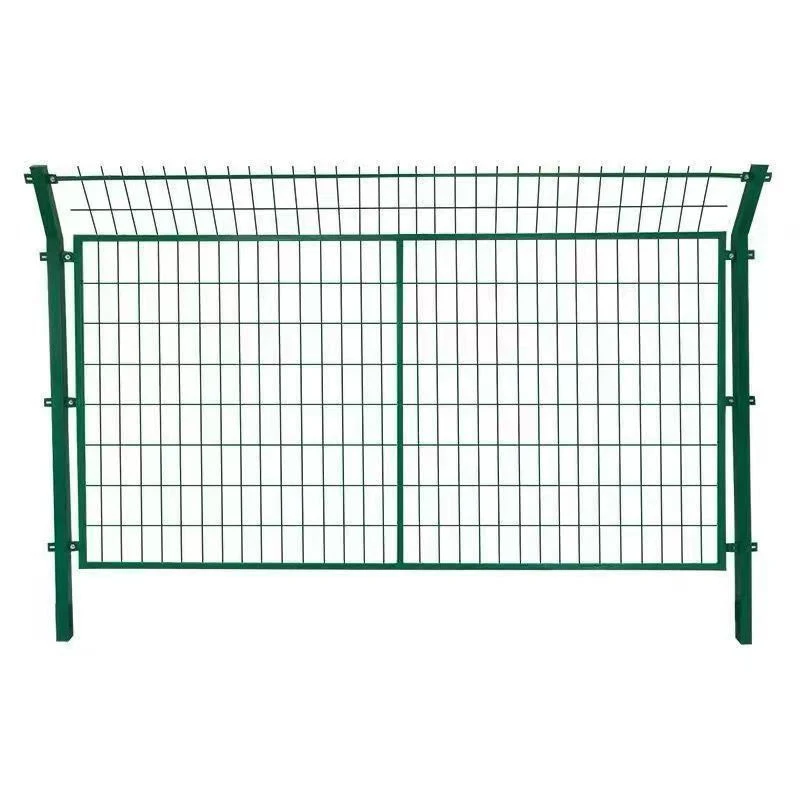
Unlike coarser mesh types used mainly for fencing or rough filtering, wire mesh fine governs how industries filter impurities, reinforce concrete subtly, or cage delicate products without obstructing visibility or air flow.
It’s a bit like the difference between a fishing net and silk fabric; both catch, but the finer weave is suited to different tasks.
How it connects to modern needs:
- Critical in water treatment plants removing microscopic contaminants.
- Protects sensitive electronics by filtering dust and particles.
- Strengthens construction with thin, resilient layers.
Key Features of Wire Mesh Fine: What Makes It Tick
1. Precision and Mesh Size
The finesse of wire mesh fine lies in its incredibly small opening sizes that can range from 0.01 mm up to about 1 mm. This precision controls what passes through, whether it’s filtering powder particles in a pharmaceutical plant or sifting sand grains at a mining site.
2. Material Quality and Durability
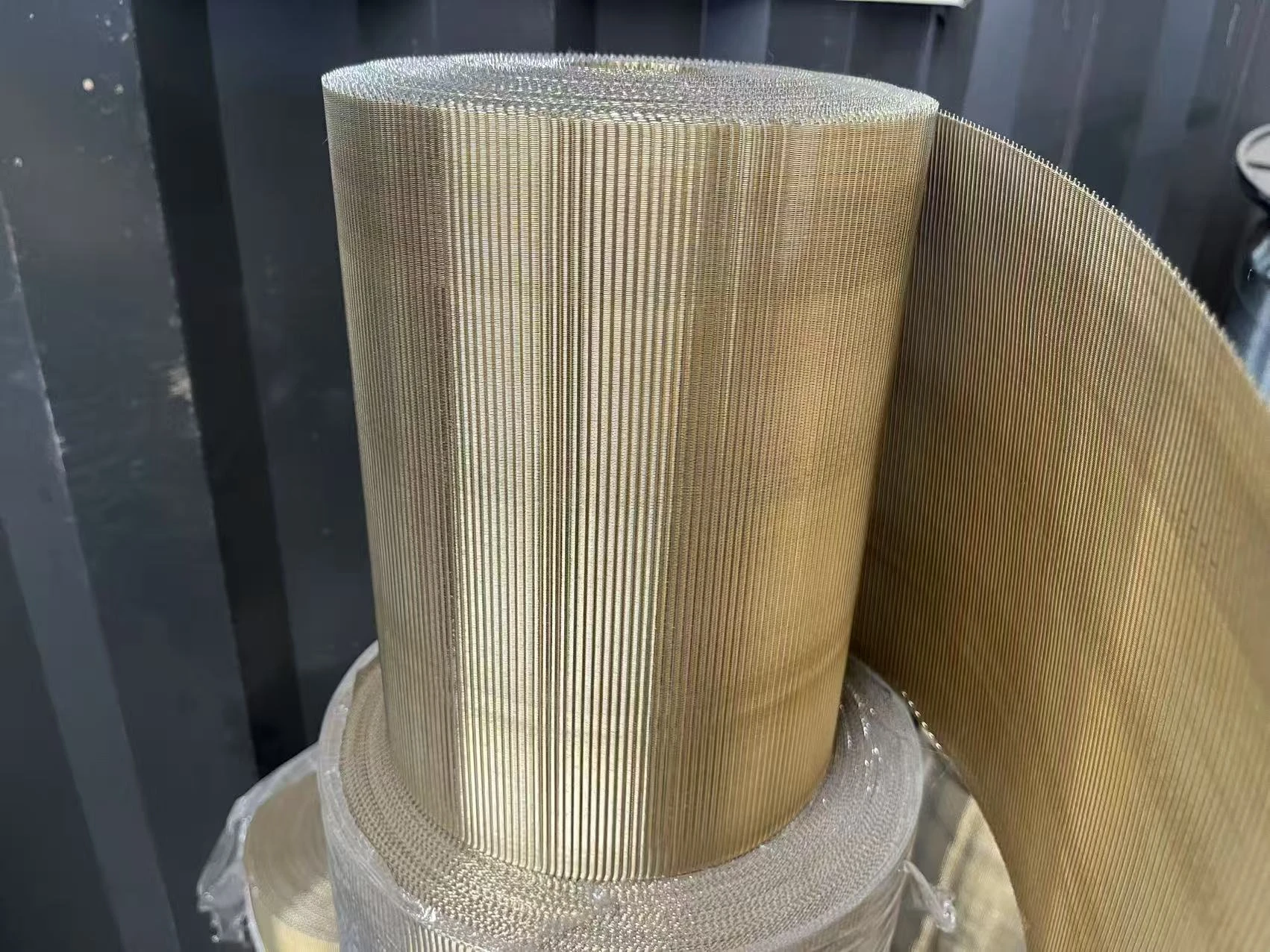
Most fine wire meshes are made from stainless steel, galvanized steel, or sometimes brass — materials that resist corrosion and mechanical wear. This matters in chemical plants or coastal construction, where rust can degrade performance fast.
3. Versatility and Adaptability
Wire mesh fine comes in many forms: woven, welded, knitted, or expanded. This diversity lets engineers customize according to tension requirements, flexibility, or filtration needs.
4. Cost Efficiency
While production of very fine mesh can seem costly, manufacturers optimize by combining advanced winding machines with standardized wire diameters, making the material surprisingly affordable even at scale.
Mini takeaway:
- The four components — mesh precision, material quality, adaptability, and cost — form the backbone of effective wire mesh fine solutions.
- Knowing these helps engineers and buyers pick the right mesh without costly trial and error.
Real-World Applications That Showcase Wire Mesh Fine’s Value
Wire mesh fine quietly supports industries around the globe. Here’s a snapshot:
- Water Treatment Facilities: Filtering micro-particles for municipal and industrial water supplies.
- Mining and Quarrying: Screening fine mineral particles before processing.
- Food Industry: Sieving powders and granular ingredients to maintain purity standards.
- Construction: Reinforcement meshes in concrete and plaster to prevent cracking.
- Humanitarian Logistics: Packaging and protecting fragile supplies during disaster relief efforts.
For example, in Southeast Asia's flood-prone zones, NGOs rely on wire mesh fine for temporary water filtration and shelter reinforcement, boosting both safety and comfort rapidly after disaster strikes.
Similarly, European green-tech firms are incorporating fine mesh filters in wind turbines to protect inner gears and reduce maintenance downtime.
Product Specification Table: Example Wire Mesh Fine Variants
| Model |
Material |
Mesh Opening (mm) |
Wire Diameter (mm) |
Tensile Strength (MPa) |
Applications |
| JZH-FM-100 |
Stainless Steel 304 |
0.1 |
0.05 |
650 |
Ultra-Fine Filtration |
| JZH-KW-250 |
Galvanized Steel |
0.25 |
0.1 |
500 |
Concrete Reinforcement |
| JZH-BR-500 |
Brass |
0.5 |
0.15 |
320 |
Powder Sieving |
Vendor Comparison: Who to Trust for Wire Mesh Fine?
| Vendor |
Material Range |
Customization |
Lead Time |
Pricing |
Global Shipping |
| Jinzehong Wire Mesh |
SS, Galvanized, Brass |
High, specs to micron-level |
2-4 weeks |
Competitive |
Yes, worldwide |
| Global Mesh Inc. |
Limited to SS |
Medium |
3-5 weeks |
Mid-range |
Selective regions |
| FineMesh Supplies Ltd. |
SS, Aluminum |
Low |
1-3 weeks |
Premium |
Selective regions |
Why Wire Mesh Fine Is Worth Your Investment
Embracing wire mesh fine means more than just buying a product — it’s an investment in safety, sustainability, and long-term operational excellence. Many engineers say it offers a rare balance of resilience and precision that brightens project success rates.
- Cost Savings: Fine meshes reduce waste and rework by preventing flaws early.
- Eco-Friendly: Durable meshes extend the service life of infrastructure, lowering resource use.
- Reliable Performance: With stable specifications, testing is more straightforward — fewer surprises on site.
On a human level, the safety net that mesh provides in delicate filtration or construction literally protects lives. It feels reassuring to know the mesh supporting a skyscraper, filtering your drinking water, or safeguarding equipment was thoughtfully chosen.
Looking Ahead: Trends Shaping Wire Mesh Fine’s Future
The future is bright for wire mesh fine. Digital tech and automation are increasingly integrated into production lines, creating even thinner, more accurate meshes faster than ever. There’s also a surge in eco-conscious materials — recycled metals, corrosion-resistant coatings, and biodegradable options.
Another promising frontier is smart mesh embedded with sensors for real-time structural monitoring. Imagine mesh that not only reinforces but talks back—though that might still be a few years away.
Challenges on the Horizon and How Experts Are Tackling Them
Despite many strengths, manufacturers wrestle with scaling ultra-fine meshes without defects and meeting customized demand quickly. Wire diameter uniformity and mesh tension inconsistencies cause headaches sometimes.
Yet, advances in machine vision quality control and AI-guided production are already mitigating these issues, pushing fine mesh quality closer to perfection. Collaborative vendor relationships also help clients specify clearer requirements upfront — a simple, often overlooked, fix.
FAQ: Your Most Pressing Questions on Wire Mesh Fine
- What industries benefit most from wire mesh fine?
- Filtration, construction, mining, pharmaceutical, and food production industries all rely heavily on wire mesh fine due to its filtering accuracy and reinforcement properties.
- How durable is fine wire mesh in outdoor conditions?
- When made from stainless steel or galvanized materials, wire mesh fine resists corrosion and UV damage quite well, making it suitable for outdoor use in harsh environments.
- Can wire mesh fine be customized to specific project needs?
- Absolutely. Vendors like wire mesh fine manufacturers offer tailored mesh sizes, wire diameters, and materials to meet exact specifications.
- What is the typical lead time for ordering fine wire mesh?
- Depending on complexity and quantity, lead time can range between 2 to 5 weeks, with many vendors offering expedited options for urgent needs.
- Is wire mesh fine recyclable or eco-friendly?
- Yes, most wire mesh fine products are recyclable, especially those made from stainless steel. Selecting recycled inputs and durable designs enhances sustainability.
Wrapping Up: Why Wire Mesh Fine Deserves Your Attention
Wire mesh fine is far from a simple grid; it's a solution that meets the exacting demands of a world that prizes precision, durability, and sustainability. Whether you're ensuring the purity of drinking water, reinforcing vital infrastructure, or safeguarding critical manufacturing processes, investing in quality fine wire mesh pays dividends over time.
Ready to explore high-quality solutions? Visit our website for expert guidance and tailored products that might just be the missing thread in your next project.
Final thought:
Often it’s the smallest mesh opening that lets in the biggest difference — whether in performance, cost-saving, or peace of mind.
References
- International Standards Organization (ISO)
- United Nations Sustainable Development Goals
- Wire Mesh - Wikipedia