Understanding Stainless Steel Window Mesh: A Global Perspective
At first glance, stainless steel window mesh might seem like just a simple component tucked into buildings or vehicles. Yet, it’s a quietly vital part of countless industries and communities worldwide. Its impact spans from boosting security and durability to supporting sustainable architecture and humanitarian efforts. Given ongoing urbanization and safety awareness, understanding stainless steel window mesh is key—not just for engineers or architects but anyone invested in modern infrastructure and smart design.
Globally, the demand for resilient and corrosion-resistant materials continues to soar. According to a recent ISO report, over 60% of new constructions in industrial regions incorporate advanced metal meshes for safety and ventilation purposes. And with climate challenges intensifying, stainless steel’s longevity adds an unseen but appreciated layer of environmental responsibility. In this article, we’ll walk through what stainless steel window mesh really is, why it matters, and where it’s headed next.
Mini Takeaway: Stainless steel mesh isn’t just industrial jargon—it’s a critical element in safer, greener, and more durable construction worldwide.
What Exactly Is Stainless Steel Window Mesh?
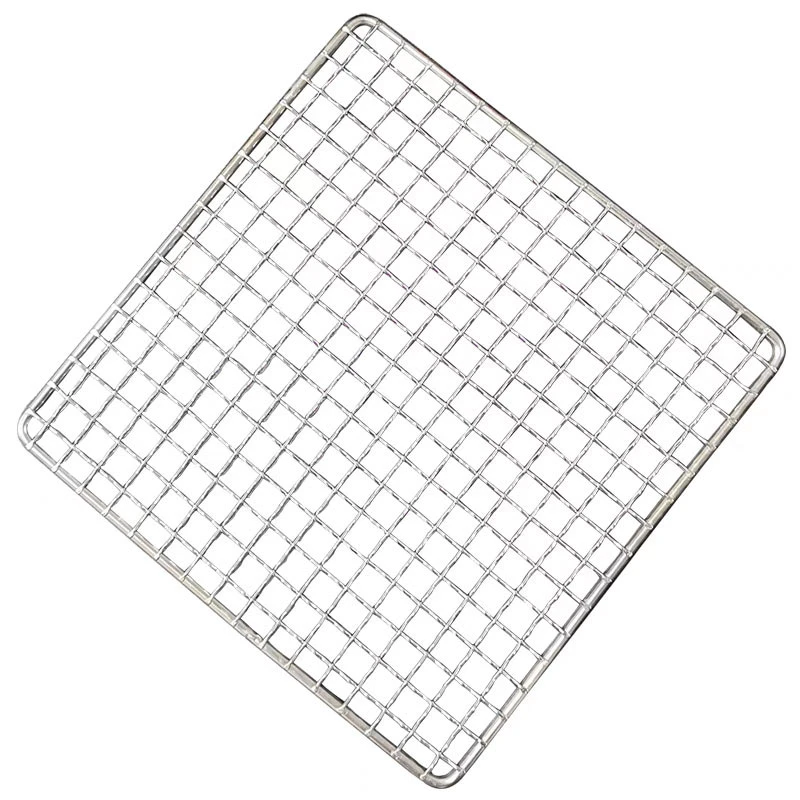
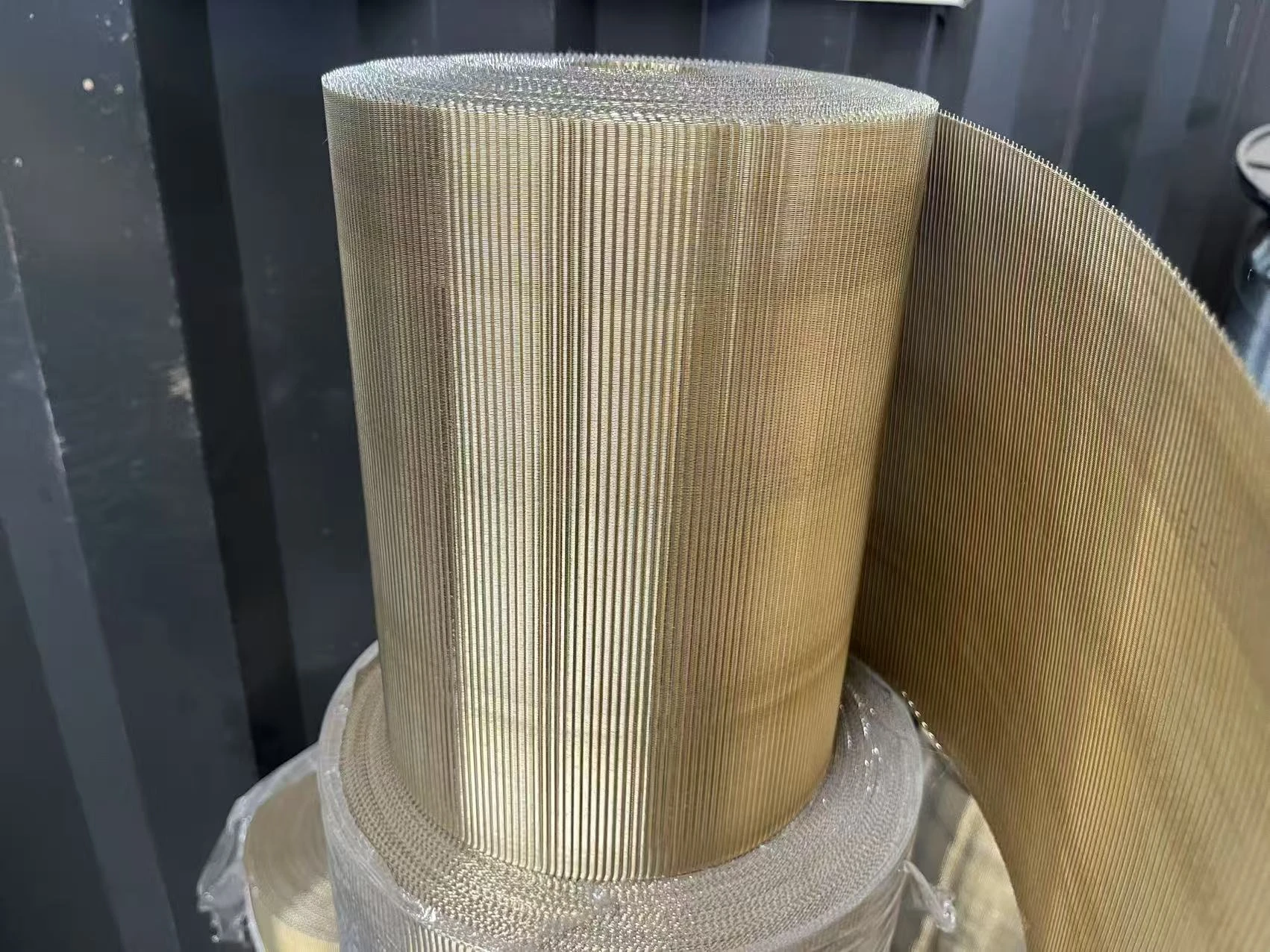
Put simply, stainless steel window mesh is a grid or netting made from finely woven or welded stainless steel wires, specifically designed to cover windows. It acts as a barrier—keeping insects, debris, or intruders out—while allowing air and light to pass through.
But there’s more nuance here. This isn’t your run-of-the-mill screen; it serves multiple purposes in industrial and humanitarian contexts. Think about resilience during storms or durability in harsh environments: stainless steel provides corrosion resistance and mechanical strength in a way other metals or plastics can’t easily match.
From modern skyscrapers in Dubai to remote clinics in rural Africa, stainless steel window mesh ensures safety, ventilation, and longevity all in one sleek package.
Core Considerations When Choosing Stainless Steel Window Mesh
Durability & Corrosion Resistance
One major selling point is the excellent corrosion resistance of stainless steel. Unlike iron or low-grade metals that rust quickly, stainless steel holds up under humidity, salt spray, and extreme weather — making it ideal for coastal or industrial zones.
Mesh Size & Airflow
The size of the mesh openings balances security and ventilation. Smaller apertures keep out even tiny insects; larger ones maximize airflow. This factor matters hugely in climates where fresh air circulation prevents mold or heat buildup.
Security & Safety
Beyond insects, these meshes serve as physical security barriers—deter burglars, prevent debris intrusion, and sometimes even withstand impacts or vandalism. The alloy and weave type influence how strong and tamper-proof the mesh is.
Cost Efficiency & Maintenance
Though stainless steel meshes come at a higher initial cost versus aluminum or fiberglass, the return through minimal maintenance and decades-long lifespan often offsets this upfront investment.
Aesthetics & Customization
Thanks to varied finishes and wire thicknesses, stainless steel mesh can fit design needs for both industrial and residential settings—sometimes nearly invisible yet tough, other times bold and industrial-chic.
Mini Takeaway: It's rarely just one factor that drives stainless steel window mesh choice — durability, airflow, security, cost, and style all weave together.
Global Applications of Stainless Steel Window Mesh
Oddly enough, this product finds homes in places you'd never immediately expect:
- Disaster Relief & Refugee Housing: With quick-deploy shelters requiring ventilation and safety, stainless steel mesh fits the bill well, balancing airflow with protection from insects and the elements.
- Industrial Zones & Chemical Plants: Harsh environments with aggressive chemicals and wastewater make corrosion resistance vital, and stainless steel mesh offers this reliability.
- Coastal and Marine Architecture: Salt air accelerates rust, so coastal buildings and vessels often rely on stainless steel window mesh to avoid rapid degradation.
- Urban Residences and Commercial Buildings: Many architects specify these meshes in windows and façade elements both to enhance security and improve natural ventilation.
- Healthcare Facilities: Infection control benefits from insect-proof meshes that are easy to clean and sanitize.
For instance, a hospital in Singapore retrofitted its windows with stainless steel mesh to reduce mosquito-borne diseases—a small change with a big public health impact. Meanwhile, NGOs operating in Southeast Asia have adopted such meshes in temporary clinics to balance airflow and biosecurity.
Advantages & Lasting Value
Let’s talk benefits, not just specs. Stainless steel window mesh delivers both practical and emotional value:
- Longevity & Reduced Replacements: Over decades, stainless steel meshes save money by lasting far longer than alternatives.
- Health & Safety: Insect exclusion prevents disease spread; robust barriers also enhance personal security.
- Sustainability: Stainless steel’s recyclability and corrosion resistance align with green building goals.
- Trust & Peace of Mind: For occupants, knowing their windows provide protection without sacrificing fresh air builds comfort and reassurance.
In real terms, investing in stainless steel window mesh often means less hassle, safer spaces, and architecture that stands the test of time.
Product Specifications: Typical Stainless Steel Window Mesh
| Specification |
Details |
| Material |
304 or 316 Stainless Steel |
| Wire Diameter |
0.3 mm to 0.8 mm |
| Mesh Opening Size |
0.5 mm to 2.5 mm |
| Finishes |
Polished, Matte, Brushed |
| Roll Width |
1 m to 2 m |
| Roll Length |
10 m to 30 m |
Vendor Comparison: Leading Stainless Steel Window Mesh Suppliers
| Vendor |
Materials Offered |
Customization |
Lead Times |
Typical Pricing |
| Jinze Hong Wire Mesh |
304, 316 SS, Duplex |
Custom wire gauges, finishes |
2-3 weeks |
Competitive bulk pricing |
| Global Mesh Solutions |
304, 316 SS |
Standard sizes only |
3-4 weeks |
Mid-range pricing |
| SafeVent Industries |
Stainless steel & others |
Custom meshes, coatings |
4 weeks+ |
Premium pricing |
Emerging Trends and Innovations in Stainless Steel Window Mesh
We’re on the cusp of interesting shifts here. As green building gains traction, the utilization of recycled stainless steel meshes is rising — cutting the carbon footprint. At the same time, digital fabrication and automation allow for ever-more precise mesh sizes and customizations — kind of like tailoring for windows.
Another neat innovation is integrating stainless steel mesh with smart home tech—coated to repel dirt or embedded with sensors that can detect damage or intrusion attempts before you notice. Plus, policies from organizations like the International WELL Building Institute push for enhanced ventilation and safety, which only underscores stainless steel mesh’s role.
Of course, solar shading meshes with reflective finishes are growing in interest, helping reduce cooling costs in hot climates, which is pretty cool if you ask me.
Challenges and Solutions: Navigating Real-World Use
As perfect as it sounds, stainless steel mesh isn’t without hurdles:
- Cost Barrier: The upfront investment can be a blocker for smaller projects, especially in low-income regions.
- Installation Complexity: Precise mounting is necessary to avoid corrosion from water trapping or physical damage.
- Limited Local Availability: Some remote areas struggle to source high-grade stainless steel mesh promptly.
However, solutions are evolving. For example, modular window mesh frames simplify fitting, localizing supply chains reduce wait times, and NGOs often fund bulk procurement to drive down costs. Plus, emphasizing long-term savings over short-term expenses helps stakeholders see the bigger picture.
Frequently Asked Questions About Stainless Steel Window Mesh
Q1: How does stainless steel window mesh compare to aluminum mesh in corrosion resistance?
A1: Stainless steel window mesh generally outperforms aluminum in corrosion resistance, especially in salty or humid environments. While aluminum can oxidize and lose strength over time, stainless steel maintains its integrity longer, making it preferable for coastal or industrial applications.
Q2: Can stainless steel window mesh prevent entry of very small insects like mosquitoes?
A2: Yes, by choosing an appropriate mesh opening size — typically under 1 mm — stainless steel window mesh effectively stops mosquitoes and other small pests while still allowing airflow.
Q3: What maintenance does stainless steel window mesh require?
A3: Relatively minimal—periodic cleaning to remove dirt or debris is usually sufficient. The steel’s corrosion resistance means it doesn't need rust treatment or repainting.
Q4: Is it possible to customize stainless steel meshes for special architectural designs?
A4: Definitely. Many suppliers offer customization in wire diameter, mesh size, finish, and roll dimensions to suit unique project requirements.
Q5: Are stainless steel window meshes environmentally friendly?
A5: Yes. Stainless steel is highly recyclable, durable (reducing replacements), and can contribute to energy-efficient building designs when combined with solar shading.
Wrapping Up: Why Stainless Steel Window Mesh Matters
In the grand scheme, stainless steel window mesh isn’t flashy, but it’s foundational. It weaves together safety, sustainability, and style in one tidy package that serves diverse industries, regions, and purposes. Whether protecting a coastal laboratory or ventilating a refugee shelter, this material keeps performing under pressure.
Interested in exploring more or sourcing top-quality stainless steel window mesh? Visit our website here to see detailed catalogs and speak with our experts.
Mini Takeaway: The investment in stainless steel mesh pays dividends in trust, durability, and long-term savings—and frankly, that’s something worth putting a window on.
References
- ISO 7:2019 Steel Wire Mesh Standards
- Wikipedia: Stainless Steel
- WHO: Vector-borne diseases & prevention