Why the Steel Wire Net Is a Global Game-Changer
If you’ve ever wondered how we manage to keep large construction projects stable, protect crops effectively, or secure zones safely—well, the steel wire net quietly makes it all possible. It’s more than a simple mesh of metal threads; it's a foundation stone in industries across the globe, from agriculture to infrastructure. As urbanization races ahead and climates grow unpredictable, understanding steel wire nets isn't just technical jargon—it’s essential for sustainability, safety, and innovation worldwide.
Steel Wire Net in the Global Landscape: Why It Matters
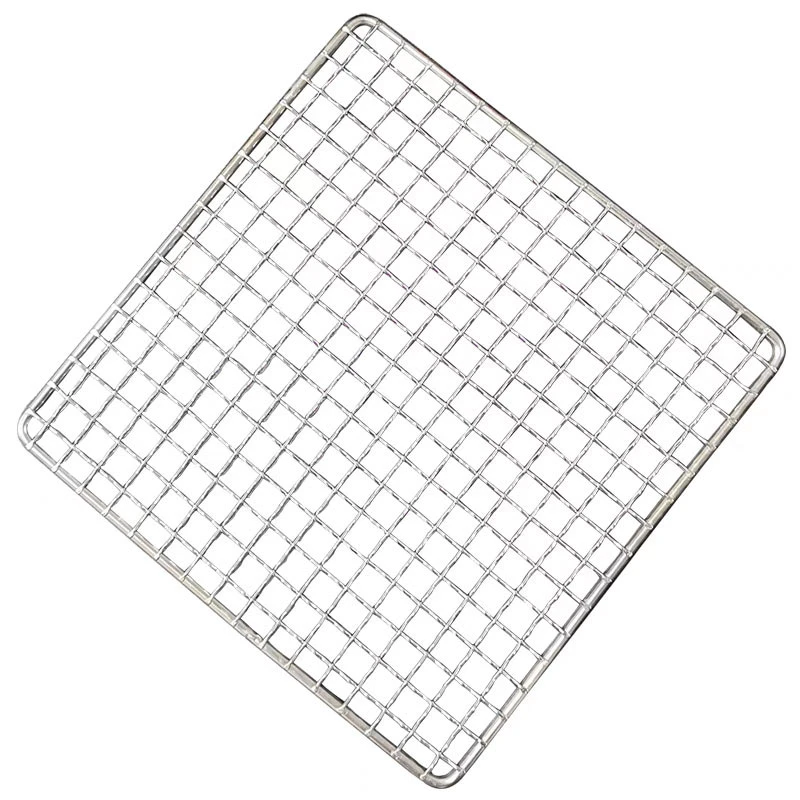
The steel wire net, also often called wire mesh or wire netting, is woven or welded wire arranged in a grid—a structural backbone for countless applications. According to data from the International Organization for Standardization (ISO), steel remains a top choice in materials standards due to its durability and versatility. Currently, the global steel market is projected to grow steadily, with wire mesh forms making up an increasingly important share.
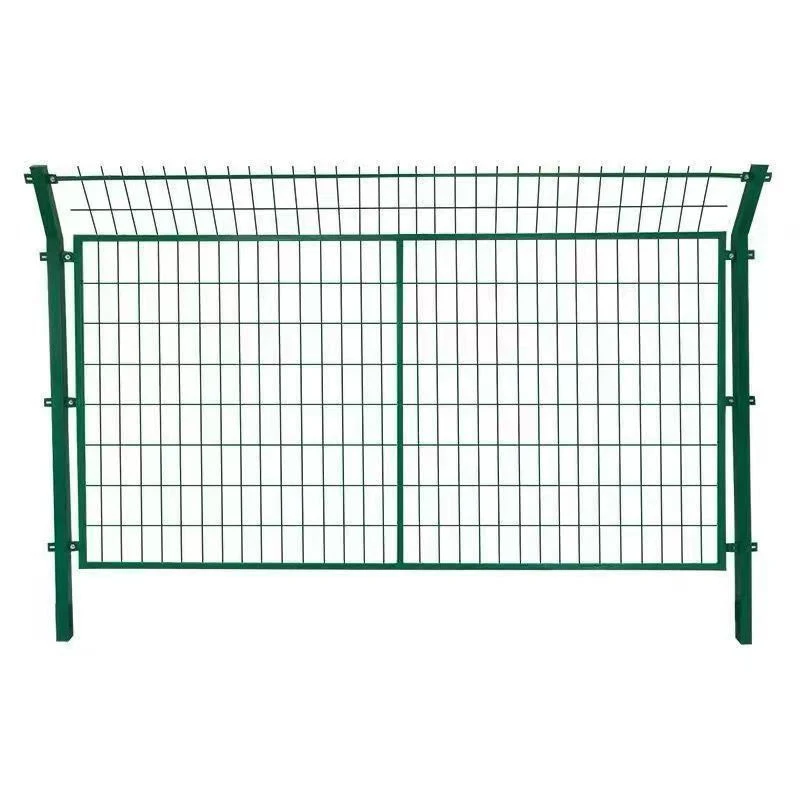
Consider agriculture: securing fencing for livestock and crops is vital in regions vulnerable to wildlife encroachment or weather damage. Or take construction—the mesh reinforces concrete, forming rebar and gabions that withstand seismic stresses. But the challenge? Producing a steel wire net that balances strength, cost-effectiveness, and environmental footprint without compromising performance.
Breaking It Down: What Exactly Is Steel Wire Net?
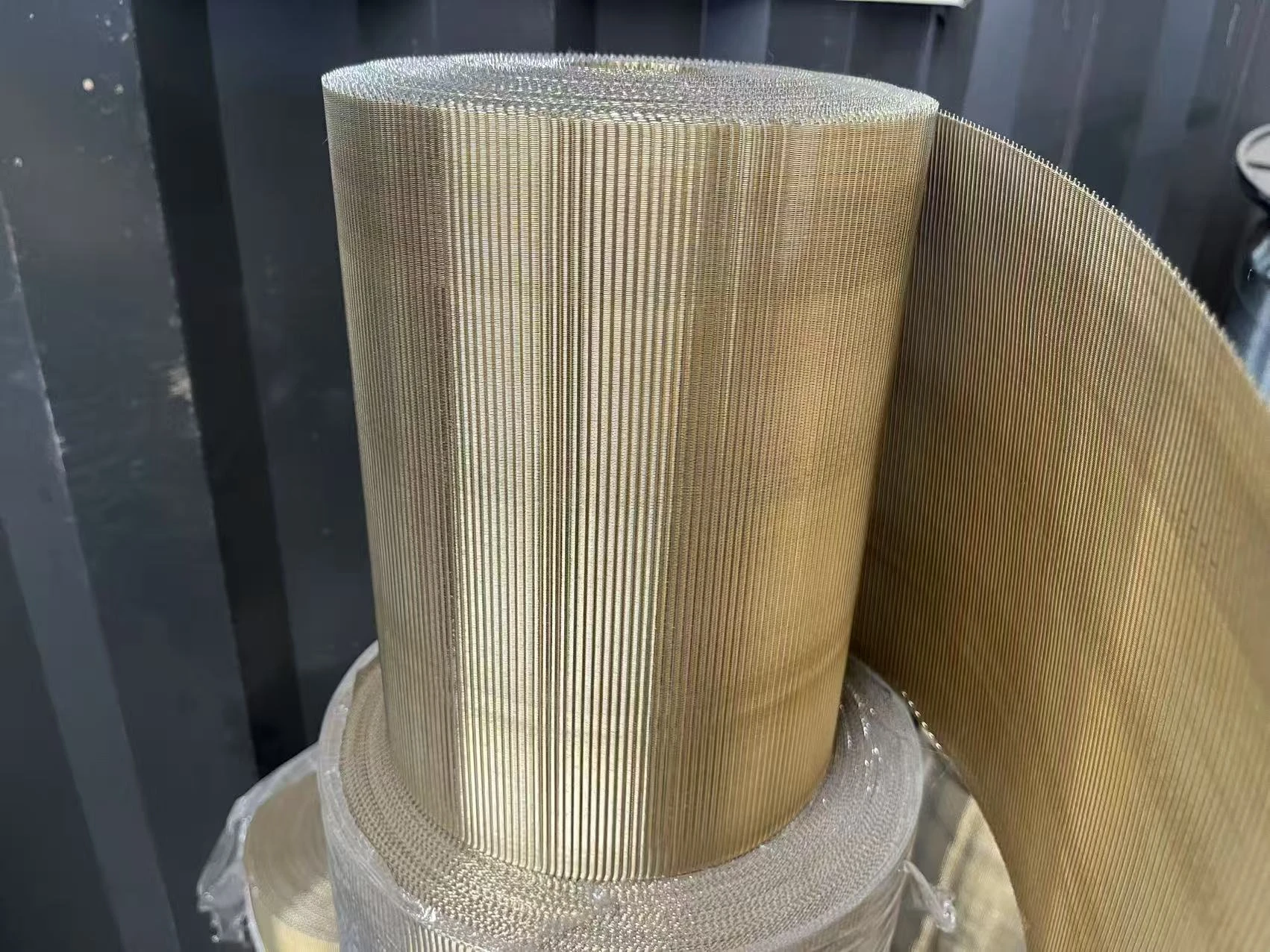
In simple terms, a steel wire net is a sheet or roll of steel wires arranged regularly, connected either by weaving or welding. They vary in mesh size, wire thickness, and coating type, depending on purpose.
It’s this adaptability that connects steel wire nets deeply with modern industry—shelters, barriers, filtration systems, even erosion control all depend on it. Plus, humanitarian missions use wire netting for quick, sturdy fencing or temporary storage solutions that require no fuss.
Key Features of Steel Wire Nets
1. Durability that Lasts Decades
Steel’s resistance to corrosion, especially when galvanized or PVC-coated, ensures its function even in harsh conditions. For infrastructure projects, this means safe, long-lasting support that withstands weather and wear.
2. Scalability & Versatility
Whether you need a fine mesh for insect control or a robust, wide grid for structural reinforcement, steel wire nets can be customized. They come in rolls or panels, allowing easy expansion or segmentation.
3. Cost Efficiency
Compared to alternatives like plastic nets or wooden fences, steel wire nets offer affordable longevity. Lower maintenance costs and recyclability add layers to their eco-conscious appeal.
4. Safety and Security
Wire mesh fencing creates effective barriers for both people and animals while ensuring visibility—crucial for security zones, farms, or public spaces.
5. Eco-Friendliness
Thankfully, many steel wire nets use recycled steel and are fully recyclable at end-of-life, dovetailing well into sustainable building practices. Green certifications are becoming standard in many construction bids.
Mini takeaway: Simply put, steel wire nets are a smart combination of robust performance and smart design that help solve complex problems at scale.
How Steel Wire Nets Are Used Around the World
The applications of steel wire netting span continents and industries.
- Construction: Rebar reinforcement within concrete, gabions for retaining walls in mountainous zones (popular across Europe and Asia).
- Agriculture: Protective fencing in farms across Australia, Africa, and the Americas, especially for high-value crops vulnerable to wildlife.
- Disaster Relief: NGOs use steel mesh fencing for temporary shelter zones, debris containment, and storage in post-earthquake sites such as Nepal and Turkey.
- Mining & Industry: Safety netting on mining sites or conveyor belt guards to prevent accidents.
For example, in remote industrial zones of Canada, steel wire nets form the backbone of snow fencing systems that protect mining equipment from harsh winter drifts.
Steel Wire Net: Specifications At a Glance
| Specification |
Typical Range |
Application Notes |
| Wire Diameter |
0.3 mm to 6 mm |
Thin for filters, thick for barriers |
| Mesh Size |
1 cm to 10 cm spacing |
Controls flow and visibility |
| Coating |
Galvanized, PVC, or None |
Corrosion Protection & Appearance |
| Material Grade |
Low-carbon steel, stainless steel |
Depends on environment and load |
| Format |
Rolls, Panels, Custom Shapes |
Ease of transport and installation |
Comparing Leading Steel Wire Net Suppliers
| Vendor |
Range of Products |
Price Range (per sqm) |
Lead Time |
Eco-certification |
| JinzeHong Wire Mesh |
Wide, customized coatings |
$2–$5 |
2–4 weeks |
ISO 14001 |
| Global Mesh Ltd. |
Standard panels |
$3–$6 |
3–5 weeks |
No |
| EcoMesh Corp. |
Recycled steel options |
$2.5–$4.5 |
4–6 weeks |
LEED Certified |
What Makes Steel Wire Net So Valuable Over Time?
The advantages go beyond just metal wires crisscrossed in a pattern—it’s about trust and innovation wrapped in durability. Cost savings through fewer replacements, lower maintenance, all while helping build safe living spaces, efficient farms, and sound infrastructure.
Plus, with rising awareness of sustainability, steel wire nets’ recyclability offers peace of mind not often found in cheaper alternatives. Many engineers say a good wire mesh installation “is one of those rare things: both unglamorous and utterly indispensable.”
Looking Ahead: Innovations in Steel Wire Nets
Research isn’t slowing down: smart coatings that self-heal or sensors woven into wire nets to monitor structural integrity are no longer science fiction. This merges the old-school toughness of steel with modern digital transformation.
Also, green steel production—reduced carbon emissions, hydrogen usage—is making wire nets an even greener choice. Automation in manufacturing further reduces costs and improves quality consistency.
Facing the Challenges: Issues and Solutions
Of course, steel wire nets aren’t perfect. Corrosion remains a concern in highly acidic or salty environments, and improper installation can reduce effectiveness drastically.
But coating technologies and regular maintenance schedules, plus thorough project-specific consultation, have proven effective at mitigating these risks. Partnering with experienced vendors, like JinzeHong Wire Mesh, ensures these challenges don’t become showstoppers.
FAQ: Common Questions About Steel Wire Net
- Q1: How long does a galvanized steel wire net typically last outdoors?
A1: When properly installed and maintained, galvanized steel wire nets can last 20 to 30 years even in harsh outdoor conditions. The coating resists rust and deterioration but may need inspection every few years to catch damage early.
- Q2: Are steel wire nets customizable for specific industrial uses?
A2: Absolutely. Wire diameter, mesh size, coating, and format can all be tailored to meet different requirements, from fine filtration to heavy-duty fencing, helping optimize performance in varied environments.
- Q3: Is steel wire netting recyclable?
A3: Yes. Steel wire nets are typically made from recyclable steel and can be reused or recycled at end-of-life, which aligns with eco-friendly sourcing policies and circular economy principles.
- Q4: How do I ensure the steel wire net meets safety standards?
A4: Look for vendors compliant with ISO standards and certifications such as ISO 9001 for quality management. Request detailed product datasheets or testing reports for verification.
Wrapping Up: Why Your Next Project Needs Steel Wire Net
In a nutshell, the steel wire net is an unsung hero—simple yet intricate, strong yet flexible. It’s been silently holding up buildings, farms, and relief operations for decades, proving its worth globally. For anyone tackling construction, agriculture, or security challenges, understanding and utilizing steel wire nets wisely is a no-brainer.
Curious to explore the best options? Take a closer look at our steel wire net selection and see how they can power your next project with both reliability and sustainability.
References:
1. Wikipedia: Wire Mesh
2. ISO Standards Overview
3. World Steel Association Market News