Why Stainless Steel Wire Cloth Mesh Matters Worldwide
If you’ve ever paused to wonder about the humble mesh behind industrial filters, architectural facades, or security screens, you’re closer to understanding the quietly indispensable role of
stainless steel wire cloth mesh. This material is woven, much like fabric, but crafted from stainless steel wires—giving it remarkable strength, flexibility, and resistance. Globally, it's a sinew holding together countless industries—from mining to humanitarian water purification—making life cleaner, safer, and slightly easier every day. Its benefits ripple across continents, from high-tech factories in Germany to remote relief sites in Africa.
I find it fascinating that something seemingly so ordinary can address such extraordinary challenges—like sustaining fragile ecosystems while advancing urban infrastructure. Once you grasp its varied uses and sturdy nature, it’s obvious stainless steel wire cloth mesh isn’t just “mesh”; it’s a global workhorse.
The Global Stage: Why Stainless Steel Wire Cloth Mesh is Essential
To appreciate this further, consider the numbers. According to the International Stainless Steel Forum (ISSF), global stainless steel production topped 54 million metric tons in 2022, with an increasing share diverted for wire-based products like mesh. The World Bank reports that sustainable industrial growth requires resilient materials that last—and stainless steel mesh fits the bill with longevity and recyclability.
So what problem does it solve? Well, industries need materials that can handle tough environments—corrosive chemicals, abrasive particles, extreme temperatures—without degrading. For example, filtration systems in water treatment plants rely heavily on stainless steel wire cloth mesh for reliable performance, preventing contamination and maintaining clean waterways for millions.
Defining Stainless Steel Wire Cloth Mesh
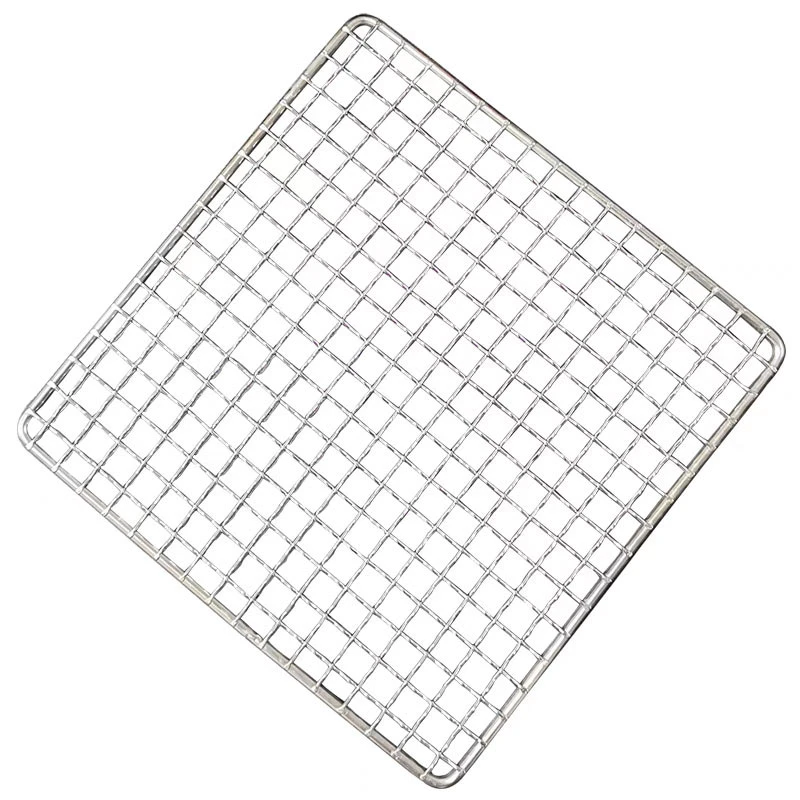
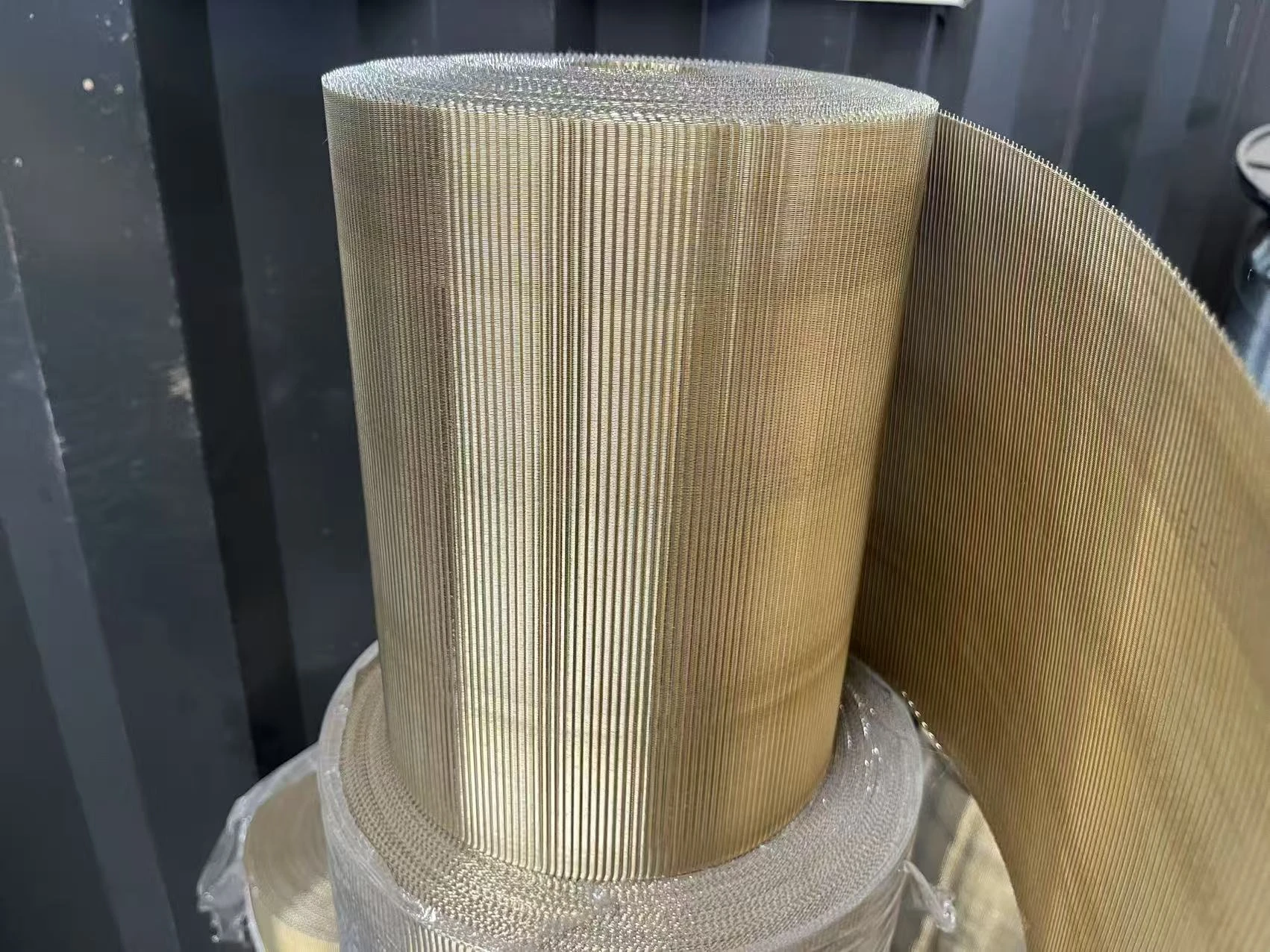
Sounding technical but simple: stainless steel wire cloth mesh is a woven fabric of stainless steel wires arranged in a grid pattern. The weave can vary—from plain to twill—to meet specific tension, filtration, or aesthetic needs. The “stainless” part is key; it provides corrosion resistance, so this mesh doesn’t rust or weaken easily, making it suitable for indoor and outdoor applications alike.
It’s not just about industrial grunt work, either. In humanitarian scenarios, such as refugee camps, this mesh can be used for ventilated, secure shelters or safe water filtration units, marrying practicality with dignity. It’s a small but vital detail in building resilient communities.
Mini Takeaway: Understanding the material’s definition helps us see how its physical properties translate to real-world reliability.
Core Attributes of Stainless Steel Wire Cloth Mesh
Durability
Its resistance to corrosion and wear means you’re getting a product that endures harsh chemicals and weather conditions without losing integrity. For anyone who’s worked on infrastructure in coastal or industrial zones knows this is a game-changer.
Precision and Scalability
Stainless steel wire cloth mesh can be produced in a huge range of opening sizes and wire gauges—from ultra-fine filtration meshes with micron-level precision to heavy-duty screening on construction sites. This scalability makes it flexible across industries.
Cost Efficiency
While stainless steel might feel “premium,” over time it reduces replacement costs because it lasts longer than alternatives like galvanized meshes or plastic filters, which degrade faster. The upfront investment pays off.
Environmental Resistance
Apart from corrosion, it handles UV radiation, temperature swings, and even microbial growth better than many competitors, meaning less maintenance.
Customizability
Many manufacturers accommodate custom weaves, sizes, and coatings—a boon for specialized industrial processes or architectural designs.
Mini Takeaway: These factors collectively explain why stainless steel wire cloth mesh has staying power in complex environments.
Worldwide Uses: From Industry to Relief Efforts
The applications are remarkably diverse:
- Mining and Quarrying: Sieving ores, reducing impurities.
- Food Processing: Filtering liquids, ensuring hygiene.
- Water Treatment: Filtering contaminants for safe drinking water.
- Architecture: Facades, sunscreens, interior design elements.
- Disaster Relief: Temporary, safe housing components and filtration units.
Oddly enough, regions with recurring natural disasters rely heavily on durable, easy-to-install materials like stainless steel wire cloth mesh. In South Asia’s cyclone-prone areas, for instance, this mesh is part of robust shelters that balance ventilation with security.
Product Specification Table
| Specification |
Typical Value |
Unit |
| Material Grade |
304, 316 |
- |
| Mesh Count |
10 to 325 |
Mesh/inch |
| Wire Diameter |
0.02 to 3.0 |
mm |
| Max Roll Width |
1500 |
mm |
| Tensile Strength |
540 - 750 |
MPa |
Comparing Top Stainless Steel Wire Cloth Mesh Vendors
| Vendor |
Material Grade |
Custom Weaving |
ISO Certification |
Typical Lead Time |
| Jinzehong Wire Mesh |
304, 316L |
Yes |
ISO 9001 |
2-3 weeks |
| WireTech Global |
304, 316 |
Limited |
ISO 14001 |
3-4 weeks |
| MeshMasters Co. |
316L only |
Yes |
ISO 9001 |
1-2 weeks |
What Advantages Does Stainless Steel Wire Cloth Mesh Bring?
On the surface, you might think stainless steel mesh just lasts longer, but it’s also about safety and trust. Industries trust it because it doesn’t flex under pressure and won’t introduce contaminants. For governments and NGOs, its sustainability profile means waste reduction and recyclability.
Plus, users often report peace of mind when using products like
stainless steel wire cloth mesh—knowing it can hold up through storms, pollutants, and the test of time. That sense of reliability is hard to quantify but invaluable.
Innovations on the Horizon
The future? Some pretty exciting things. New hybrid meshes mix stainless steel with other alloys or nano-coatings that repel bacteria and improve flow rates. Automated weaving machines now deliver ultra-high precision weaves that previously seemed impossible. Sustainability is front and center too, with manufacturers optimizing recycling processes and adopting “green steel” inputs to shrink carbon footprints.
Digital traceability—QR codes and blockchain, anyone?—may also soon verify mesh origin and production parameters, raising product assurance to new levels.
Facing Challenges Head-On
Despite all this, stainless steel wire cloth mesh does have challenges. It can be pricier upfront compared to alternative materials. Sometimes, precise weave tolerances require longer lead times or more specialized equipment.
But suppliers are responding with modular manufacturing and volume customization to cut wait times and cost. Plus, customers are realizing that buying once and buying right beats constant replacements.
FAQ: Your Questions About Stainless Steel Wire Cloth Mesh
Q1: What factors should I consider when choosing stainless steel wire cloth mesh for filtration?
A: Look at the mesh size (opening), wire diameter, and weave type, as these control what particles are filtered. Also consider corrosion resistance depending on chemical exposure, and ensure compliance with industry certifications for quality.
Q2: How does stainless steel mesh help in architectural design?
A: Beyond aesthetics, it offers sun shading, security, and ventilation. Its corrosion resistance means it can withstand harsh climates while maintaining a modern, industrial look.
Q3: Can stainless steel wire cloth mesh be recycled?
A: Yes, stainless steel mesh is fully recyclable without loss of quality, making it an environmentally friendly option versus plastic or coated meshes.
Q4: How long does a stainless steel wire mesh installation typically last?
A: With proper maintenance, it can last several decades. Grades 316 and 316L especially excel in harsh or marine environments.
Q5: Are customized mesh patterns expensive?
A: Customization usually adds some cost but bringing exact specifications allows for better performance and longevity, often offsetting higher upfront costs.
Final Thoughts and Next Steps
So, here’s the deal: understanding stainless steel wire cloth mesh is like appreciating the quiet scaffolding behind much of modern life, industry, and relief. It’s an elegant balance between science and art—combining simple wire weaving with complex engineering needs. For businesses looking to invest in reliability, durability, and sustainability, this mesh is a smart ally.
If you want to explore products, get technical advice, or understand how stainless steel wire cloth mesh can transform your projects, please visit us at
https://www.jinzehongwiremesh.com. There’s a whole world of mesh waiting to make your work easier.
Mini Takeaway: Longevity, versatility, and trust in stainless steel wire cloth mesh keep it at the forefront of industrial materials worldwide.
References
- International Stainless Steel Forum (ISSF)
- World Bank Industrialization Data
- Wikipedia: Stainless Steel