What Is Wire Mesh SS 304 and Why Should We Care?
If you’ve ever peeked behind the scenes of construction projects, infrastructure, or even humanitarian aid setups, you might have come across wire mesh SS 304. At first glance, it’s just a network of metallic strands, right? Well, it’s so much more. This type of stainless steel wire mesh acts as a building block for reliability, safety, and sustainability in countless industries worldwide. Why does this matter? Because steel structures, protections, and filtration systems often rely heavily on this mesh — and in a world facing rapid industrial growth, climate challenges, and humanitarian crises, understanding its benefits means better solutions for everyone.
From reinforcing concrete to filtering water in remote zones, wire mesh SS 304 is quietly solving real problems. Plus, it’s got global appeal — thanks to its durability and resistance to corrosion, it’s a favorite in places as diverse as coastal China, European manufacturing plants, and African humanitarian missions.
So let’s unravel why this material matters now more than ever.
Global Context: Why Wire Mesh SS 304 Is a Quiet Hero
The last decade has seen spikes in urbanization, industrialization, and infrastructure development. According to the World Bank, over 55% of the global population now lives in urban areas, demanding stronger, safer, and more sustainable construction materials. Meanwhile, the International Organization for Standardization (ISO) sets guidelines pushing materials toward higher durability and environmental responsibility.
Here’s where wire mesh SS 304 steps in. It addresses the crucial need for materials that resist corrosion — especially in harsh environments like coastal regions or industrial zones riddled with chemical exposure. The mesh can be used in infrastructure, filtration, and protective barriers — practical everywhere from mega cities to isolated rural clinics delivering clean water.
One challenge this mesh responds to: minimizing maintenance costs while maximizing lifespan of structural reinforcements. With rising metal prices and climate change affecting corrosion rates, having a reliable, rust-resistant mesh is a big win globally.
Breaking It Down: What Exactly Is Wire Mesh SS 304?
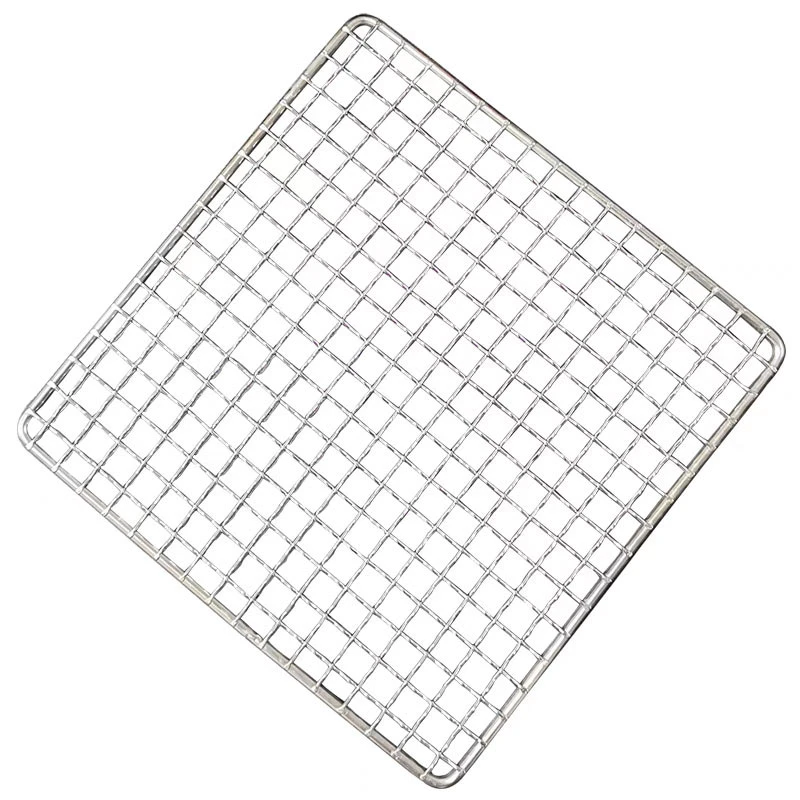
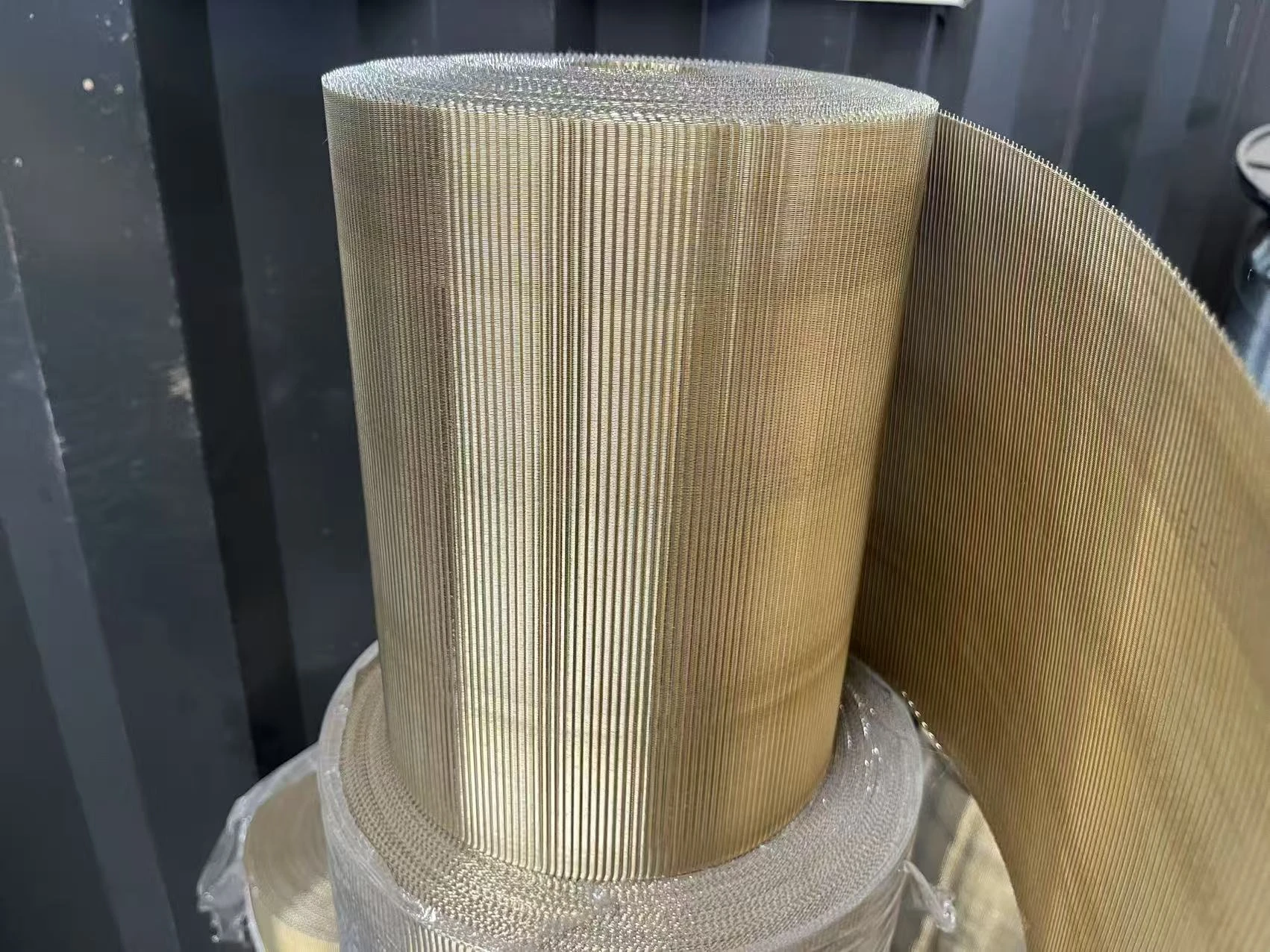
At its core, wire mesh SS 304 is a woven or welded grid of stainless steel wires, made specifically from the 304-grade stainless steel alloy. This grade contains around 18% chromium and 8% nickel — which is the combo that gives it excellent rust and chemical resistance. The mesh can come in varied aperture sizes (the gaps between wires) and wire thicknesses depending on the application.
Why use the 304 variety? Because it’s a versatile stainless steel that handles outdoor exposure, water contact, and extreme temperatures better than many alternatives. It’s a go-to for architects, engineers, and even humanitarian organizations looking for durable yet affordable materials that don’t compromise safety.
Core Components and Characteristics That Matter
1. Durability Against Corrosion
This mesh is practically the poster child for corrosion resistance. The chromium in SS 304 creates a passive oxide layer that protects the steel surface. Many engineers have found it works well even in salty environments like seaports or arid regions with dust and chemical exposure.
2. Strength and Flexibility
Steel’s inherent tensile strength means this mesh supports heavy loads and can be shaped or welded into custom frameworks without breaking. This flexibility benefits construction and industrial filtration systems alike.
3. Cost-Effectiveness Over Time
While initial costs can be slightly higher than galvanized options, the lifespan (often 20+ years without major upkeep) pays off. Less frequent replacement means better budget forecasting — a crucial factor for NGOs or municipal planners.
4. Size and Design Variability
It’s not one-size-fits-all. The mesh is made with different weave types and aperture sizes — from tight, fine meshes for filtering to larger, rugged grids for concrete reinforcement. This adaptability makes it great across multiple industries.
5. Sustainability and Recyclability
Made from stainless steel, wire mesh SS 304 is 100% recyclable. This offers environmental benefits over plastic or coated steel meshes, aligning with today’s sustainability goals informed by organizations like the United Nations Environment Programme.
Mini Takeaway: The unique blend of durability, adaptability, and sustainability makes wire mesh SS 304 a material that delivers reliable performance in diverse environments worldwide.
Real-World Applications: Where Wire Mesh SS 304 Truly Shines
Industries utilize the mesh in an incredibly wide range of applications:
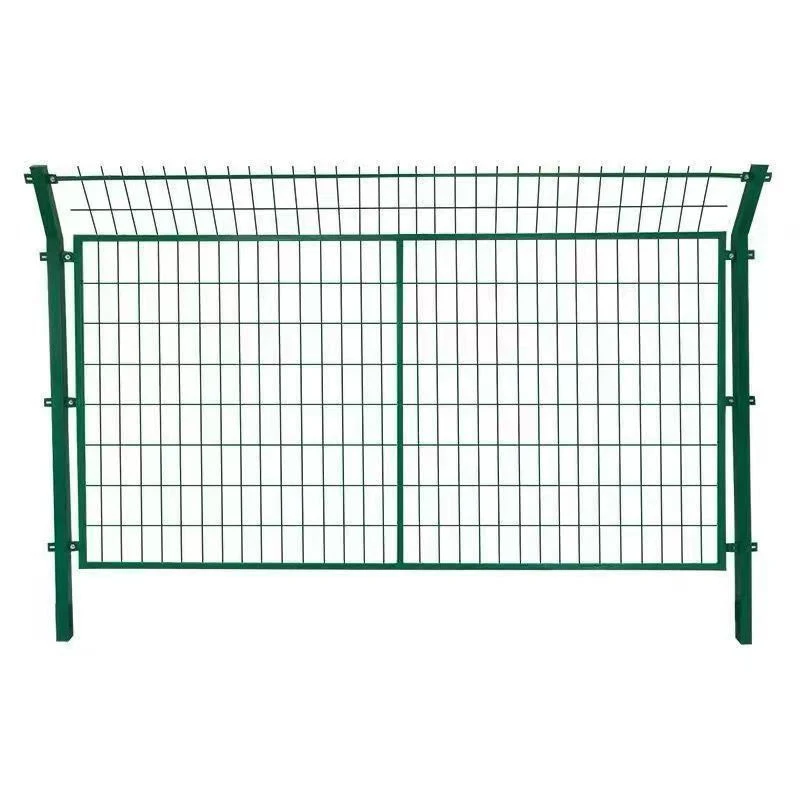
- Construction: Reinforcing concrete slabs, facades, and security fencing in urban projects.
- Water Treatment: Fine mesh filters for municipal water plants or rural clean water systems.
- Mining & Industrial: Screening ores and materials resistant to chemical degradation.
- Humanitarian and Disaster Relief: Temporary shelters or fencing that stand up to weather and contamination.
- Food Processing: Mesh screens that resist corrosion while filtering particulate matter.
For example, in Southeast Asia’s flood-prone zones, NGOs rely on SS 304 wire mesh to build quick-deploy, corrosion-resistant water treatment setups. Meanwhile, European manufacturers use it in food-grade filtration to meet hygiene standards effortlessly.
Product Specification: A Typical Wire Mesh SS 304 Model
| Specification |
Details |
| Material Grade |
Stainless Steel 304 (AISI) |
| Wire Diameter |
0.5 mm – 5 mm (custom available) |
| Mesh Aperture |
0.5 mm – 25 mm |
| Weave Type |
Plain, Twilled, or Dutch Weave |
| Tensile Strength |
≥ 520 MPa |
| Surface Finish |
Polished, Matte, or Mill Finish |
Comparing Major Vendors of Wire Mesh SS 304
| Vendor |
Range of Meshes |
Customization |
Price Range |
Lead Time |
| Jinzehong Wire Mesh |
Wide (0.5 mm - 25 mm apertures) |
High (custom wire diameter, weave) |
Competitive |
2-4 weeks |
| ABC Mesh Corp |
Medium (1 mm - 20 mm apertures) |
Moderate |
Mid to High |
3-5 weeks |
| Stainless Solutions Ltd. |
Narrow (2 mm - 15 mm apertures) |
Limited |
High |
4-6 weeks |
Advantages of Choosing Wire Mesh SS 304
Let's be frank—the financial bottom line is decisive for many decision-makers, but the benefits here aren’t just logical; they’re also emotional.
- Cost Savings: Less maintenance, fewer replacements, and longer lifespan reduce total project costs.
- Environmental Benefits: Recyclable and often used in green projects, it fits global sustainability goals.
- Safety and Security: Offers reliable protection against intrusions, contamination, or structural failure.
- Social Impact: Durable infrastructure using SS 304 mesh improves living conditions, whether in schools or refugee shelters.
What strikes me is how this mesh balances smart engineering with real-world human stories — a reminder that materials are never just materials; they support life itself.
Looking Forward: What’s Next for Wire Mesh SS 304?
Technology never stops, right? Research is focusing on integrating nanocoatings to further improve corrosion resistance, and laser cutting techniques are enabling ultra-precise wire meshes with custom designs.
Automation and digital quality checks reduce errors during production, while eco-certifications push manufacturers toward greener sourcing and waste recycling processes.
There’s even talk of hybrid meshes combining SS 304 wires with composites designed for seismic zones, which could revolutionize building resilience.
Challenges Engineers Face And How To Overcome Them
Despite all its strengths, wire mesh SS 304 isn’t magic. It costs more upfront than some alternatives, and weldability can be tricky for certain mesh types. Also, in extremely chlorinated or salty environments—think offshore oil rigs—grade 316 might be better suited.
To mitigate these:
- Manufacturers increasingly offer pre-fabricated mesh panels to reduce onsite welding complications.
- Hybrid material blends or protective coatings help in harsh chemical environments.
- Working with trusted vendors like Jinzehong Wire Mesh ensures quality control and customization options.
FAQ: What People Ask About Wire Mesh SS 304
- Q1: What makes wire mesh SS 304 better than galvanized wire mesh?
- A1: Stainless steel 304 resists corrosion much longer than galvanized steel, especially in wet or acidic environments. Although galvanized meshes are cheaper initially, SS 304’s extended durability means fewer replacements and better long-term value.
- Q2: Can wire mesh SS 304 be used for water filtration?
- A2: Absolutely. Its corrosion resistance and customizable aperture sizes make it ideal for water treatment applications. Fine weaves help filter particles without rust contamination, making it common in municipal and rural clean water projects.
- Q3: How long does wire mesh SS 304 typically last outdoors?
- A3: Depending on environmental exposure, SS 304 mesh can last 20-30 years or more without significant deterioration, especially if maintained properly. Coastal environments with heavy salt can reduce lifespan but still outperform many alternatives.
- Q4: Is custom sizing available for specific industrial needs?
- A4: Most reputable suppliers, including Jinzehong Wire Mesh, provide extensive customization for wire diameter, weave type, and mesh aperture to meet niche demands accurately.
Wrapping It Up: Why Wire Mesh SS 304 Still Matters Tomorrow
In essence, wire mesh SS 304 may seem like just a technical detail tucked inside sprawling projects, but it’s a silent champion of infrastructure resilience, environmental stewardship, and social betterment. Its perfect balance of strength, corrosion resistance, and adaptability makes it indispensable today—and poised for innovation tomorrow.
Curious to explore their offerings? Visit Jinzehong Wire Mesh for detailed product lines, customization, and expert advice to help your projects thrive.
Final Thought: Often, the most unassuming materials play the biggest roles in shaping our built world—mesh your knowledge with 304 steel and you’re ready for nearly any challenge coming your way.
References
- World Bank - Urban Development Data
- ISO Standards on Stainless Steel
- Wikipedia - Stainless Steel Overview