Understanding Steel Grill Mesh: A Global Perspective
If you’ve ever paused to admire a fence around a park, peeked through the protective grille on factory windows, or even noticed the sturdy mesh over an industrial vent, you’ve likely encountered steel grill mesh. While it might seem like a humble product, its presence is foundational across countless industries worldwide.
In an increasingly interconnected and industrialized world, solutions that combine strength, adaptability, and cost efficiency become critical. Steel grill mesh stands as a perfect example, playing a pivotal role in security, infrastructure, and humanitarian efforts — literally holding things together. Understanding its role unveils the subtle engineering that keeps our modern environments safe, secure, and resilient.
Why Steel Grill Mesh Matters Globally
Globally, infrastructure investment is projected to reach trillions USD in the coming decade, with security and safety infrastructures being a non-negotiable component. According to ISO reports, nearly 30% of infrastructure maintenance budgets worldwide account for materials like steel reinforcements and protective meshes.
Steel grill mesh directly addresses challenges related to environmental wear, physical security, and industrial safety. Whether in the scorching deserts of Saudi Arabia, the temperate zones of Europe, or disaster-prone coastal cities in Southeast Asia, the demand for durable barriers that balance ventilation with protection constantly rises.
For NGOs and construction firms working in post-disaster relief or rapid urbanization zones, finding reliable, deployable, and economical materials is vital. Steel grill meshes, with their strength-to-weight ratio and ease of customization, fit the bill remarkably well.
So, What Exactly Is Steel Grill Mesh?
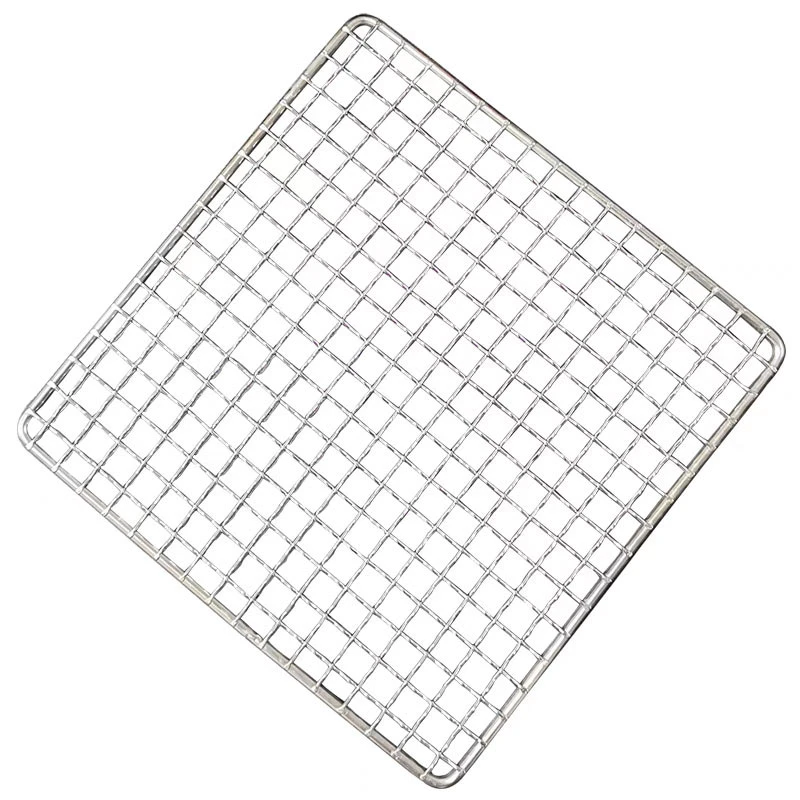
In simple terms, steel grill mesh is an engineered lattice of steel wires or rods woven or welded together to create a protective, permeable surface. Think of it as a grid that combines the toughness of steel with the flexibility of mesh design.
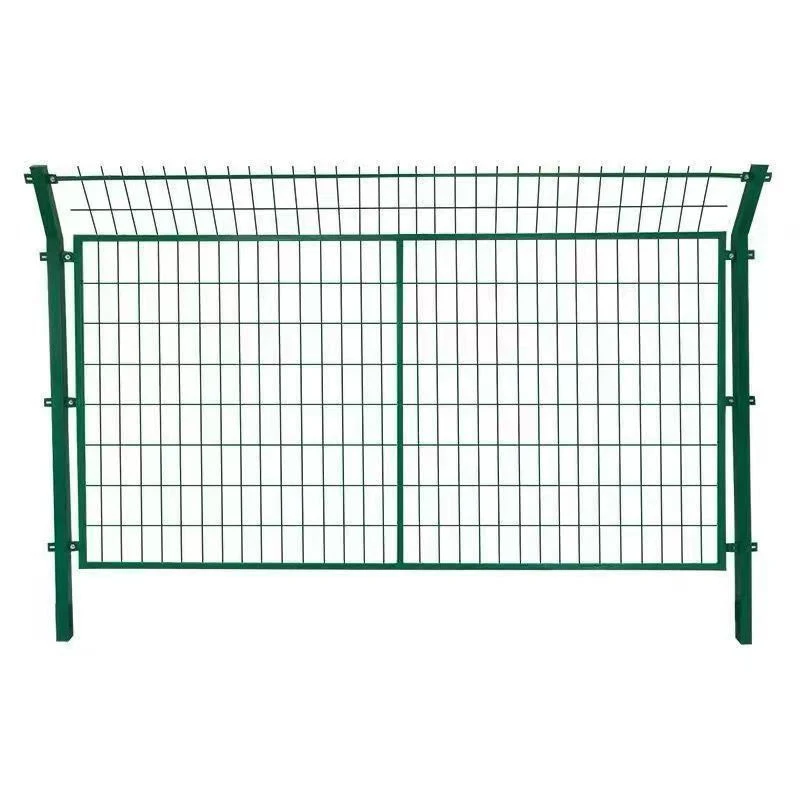
Its uses stretch from industrial safety grilles covering machinery, to security fencing, to reinforcement layers in concrete construction. More recently, it’s been adopted in humanitarian contexts — for example, ventilation grills in temporary shelters — meeting the dual need for protection and airflow.
Mini takeaway:
- Steel grill mesh is both a protective and functional material, critical in safety and infrastructure worldwide.
Core Features That Make Steel Grill Mesh Essential
1. Durability and Corrosion Resistance
Most steel grills undergo galvanization or stainless steel finishing, helping them resist rust and corrosion even in harsh environments — whether salty sea air or industrial chemicals.
2. Customizability and Scalability
Wire diameter, mesh opening size, and panel dimensions can be tailored for specific applications. From delicate vents to strong security fences, variations abound.
3. Cost Efficiency
Compared to solid steel sheets or other heavy barriers, steel mesh offers similar strength with less material consumption, lowering both production and transportation costs.
4. Ventilation and Visibility
The grid design allows airflow and light, crucial for industrial settings needing ventilation or enclosed public spaces requiring visibility without compromising safety.
5. Ease of Installation and Maintenance
Lightweight yet strong, steel grill mesh panels are quick to install and service — key when working under tight deadlines like construction sites or emergency setups.
Mini takeaway:
- Its strength, design flexibility, and low maintenance make steel grill mesh a versatile go-to choice.
Where in the World Do You See Steel Grill Mesh in Action?
It’s everywhere, but here are some illustrative highlights:
- Industrial sectors: Factories worldwide, from Germany to India, use steel grill mesh for machine guards and safety enclosures.
- Construction & Infrastructure: Reinforcing concrete structures in earthquake zones like Japan, or securing ventilation shafts in urban skyscrapers.
- Disaster relief & housing: NGOs use steel mesh panels in temporary shelter ventilation — for example, Red Cross projects in the Philippines.
- Agriculture: Protective cages and fencing in Europe and the Americas.
- Transport & Energy: Grilles in subway stations and power plants to secure equipment and ensure airflow.
The utility spans continents and industries, proving that this isn’t just an industrial niche but a global backbone element.
Mini takeaway:
- Steel grill mesh seamlessly adapts to multiple contexts — from disaster zones to high-tech industries.
Steel Grill Mesh Product Specification
| Specification |
Typical Values |
Comments |
| Material |
Galvanized Steel / Stainless Steel |
Corrosion resistant grades preferred |
| Wire Diameter |
2.0 mm – 6.0 mm |
Varies by application strength needs |
| Mesh Opening Size |
10 mm – 50 mm square |
Balance between airflow and security |
| Panel Size |
1.0m x 2.0m (standard) |
Custom sizes available |
| Finish |
Hot-dip galvanized or powder coated |
Enhances durability and aesthetics |
Comparing Leading Steel Grill Mesh Vendors
| Vendor |
Product Range |
Quality Certification |
Lead Time |
MOQ (Minimum Order Quantity) |
| Jinzehong Wire Mesh Co. |
steel grill mesh, fencing, reinforced mesh |
ISO 9001, CE |
2-3 weeks |
500 panels |
| Global Mesh Supplies Ltd. |
Industrial security mesh, custom panels |
ISO 14001 |
4-5 weeks |
1000 panels |
| Steel Secure Inc. |
Security grills, agricultural mesh |
CE, ASTM certified |
3 weeks |
200 panels |
What Are the Benefits of Steel Grill Mesh?
- Cost-effective protection: Offers sturdy defense against intrusion and contamination for a fraction of solid metal costs.
- Sustainability: Steel is highly recyclable, supporting circular economy principles.
- Safety assurance: Reduces accidents around machinery or on construction by limiting access only where needed.
- Emotional comfort: Provides peace of mind in sensitive environments — hospitals, schools, and emergency shelters.
Looking Ahead: Trends That Could Shape Steel Grill Mesh
Innovation never stands still. Recently, smart mesh materials embedded with corrosion sensors have hit testing phases, promising predictive maintenance. Meanwhile, eco-friendly coatings and powder paints reduce environmental impact even further.
In parallel, digital ordering and automated fabrication allow rapid custom sizing, fitting the exact dimensions for increasingly complex architectural needs. The rise of green building codes in the EU and North America also pushes suppliers to focus on life-cycle sustainability when designing grill meshes.
Addressing Common Challenges
Despite its advantages, steel grill mesh isn’t without issues. Installation in tough terrain or hazardous zones sometimes delays projects. Moreover, cleaning mesh in dusty or corrosive environments can be tricky — but regular maintenance schedules and protective finishes typically solve this.
Vendors are experimenting with modular panel designs to speed installation and reduce downtime — a promising development waiting on wider adoption.
Frequently Asked Questions About Steel Grill Mesh
- How resistant is steel grill mesh to rust in coastal areas?
- High-quality galvanized or stainless steel meshes offer excellent corrosion resistance. Proper coatings and maintenance extend lifespan even when exposed to salt spray and humidity commonly found in coastal environments.
- Can steel grill mesh be customized for unusual shapes or sizes?
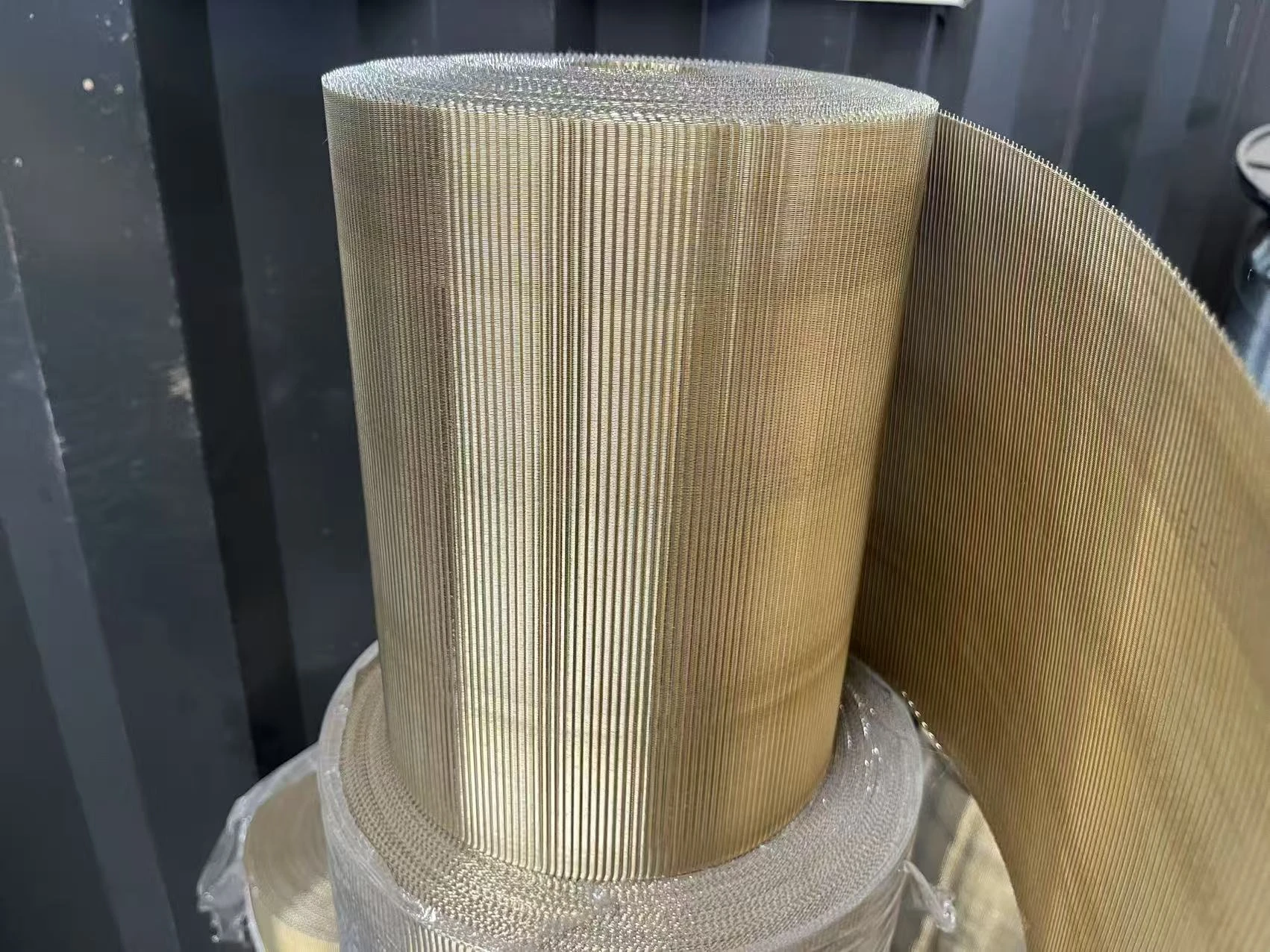
- Absolutely, customization is one of its strengths. Vendors often provide bespoke panels or roll meshes to fit specific architectural or industrial needs, ensuring flexibility.
- Is steel grill mesh suitable for temporary housing ventilation?
- Yes, its combination of airflow and security makes it an ideal solution in shelters or post-disaster housing, balancing protection with ventilation.
- How do I import steel grill mesh products for an international project?
- Most manufacturers assist with export documentation and logistics. It’s advisable to check certifications and lead times, and confirm local import regulations with your freight forwarders.
- What maintenance does steel grill mesh require?
- Regular inspection for damage or rust spots, cleaning to remove buildup, and occasional recoating depending on the environmental wear ensure a long service life.
Wrapping Up: Why Steel Grill Mesh Is Your Unsung Hero
From the big picture to the smallest details, steel grill mesh quietly but effectively supports industries, infrastructure, and communities alike. It protects, ventilates, and reinforces while being adaptable enough to handle the quirks of climate, environment, and use case.
If you want to explore high-quality, customizable steel grill mesh, take a deeper dive into product options and vendor solutions. Your next project could really benefit from this versatile material.
References
- ISO Standards for Steel Products
- World Bank Infrastructure Investment Outlook
- Steel - Wikipedia