What Is Stainless Steel Knitted Wire Mesh and Why It Matters Today
If you’ve ever held a fine metal fabric that’s flexible yet incredibly strong, you might have touched stainless steel knitted wire mesh—and chances are, you didn't realize just how versatile this material really is. Globally, industries from aerospace to humanitarian aid are quietly relying on this material, and understanding it unlocks a world of benefits: durability, filtration precision, and even sustainable design. So today, let's unravel what stainless steel knitted wire mesh is, explore why it's a bit of a hidden star in global commerce, and see why it has become an industrial darling.
---
Stainless Steel Knitted Wire Mesh in a Global Context
To speak frankly, the relevance of stainless steel knitted wire mesh extends far beyond just factory floors or laboratory filters. According to the International Organization for Standardization (ISO), stainless steel usage continues to grow 4-6% annually worldwide, largely driven by its corrosion resistance and recyclability—both crucial for sustainable development goals outlined by the UN. It’s no surprise that mesh versions of this metal are pivotal in environmental controls and filtration systems that protect water and air quality globally.
But here's a challenge many industries face: how to create materials that combine flexibility without sacrificing strength or longevity. Stainless steel knitted wire mesh answers this by offering mesh that is adaptable to complex shapes, reusable, and highly durable. That’s crucial for sectors tackling climate change or post-disaster recovery, where material failure isn’t an option.
Mini takeaway: Globally, this mesh is a technical hero balancing performance, strength, and sustainability — meeting modern industrial and humanitarian needs.
---
Defining Stainless Steel Knitted Wire Mesh: The Basics
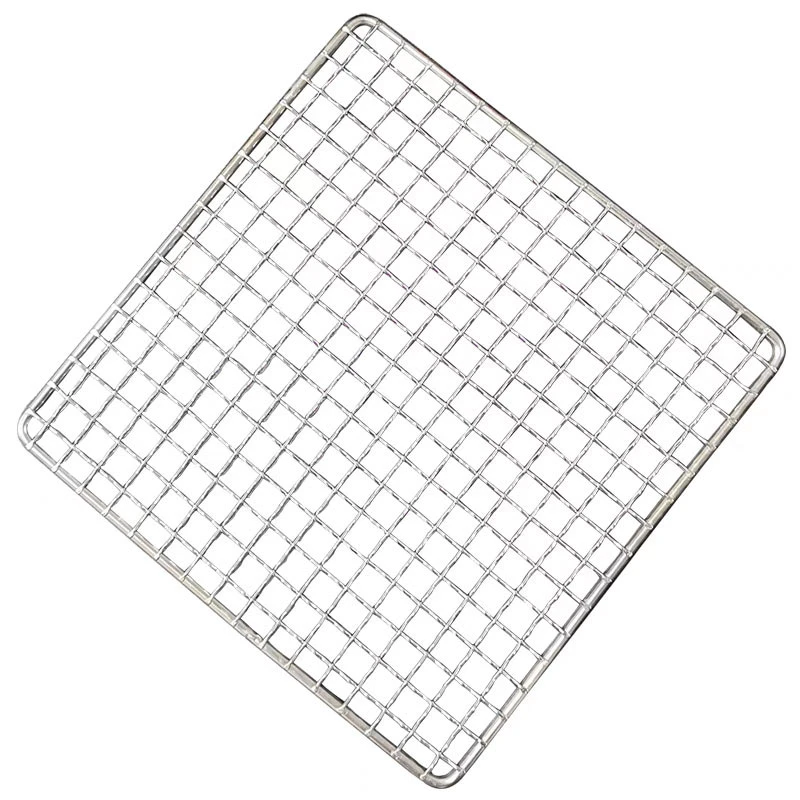
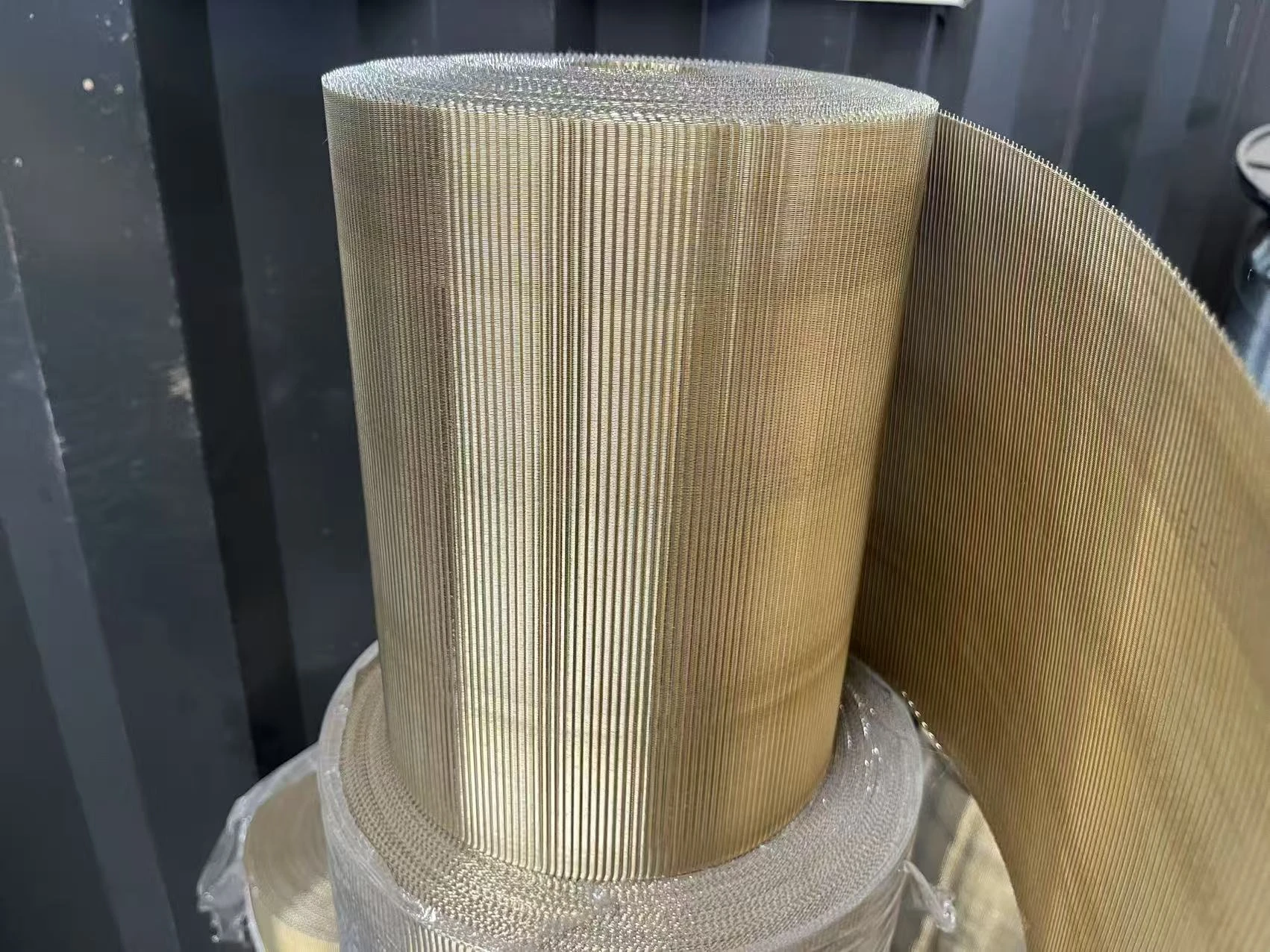
Simply put, stainless steel knitted wire mesh is a fabric made by interlocking fine stainless steel wires, much like knitting yarn, which produces a flexible and strong mesh network. Unlike welded or woven wire mesh, knitting gives this material its elasticity and durability in ways woven structures can't replicate.
It’s used to filter gases, reinforce structures, and even in protective clothing—linking modern industrial innovation with long-standing human needs for safety and functionality. The “stainless steel” part means it can resist corrosion, making it ideal for harsh environments—think factories, maritime applications, or even medical sterilization equipment.
---
Key Components and Factors That Make It Tick
1. Durability and Corrosion Resistance
The chromium content in stainless steel forms a protective oxide layer, preventing rust. This makes it ideal in chemically aggressive or marine environments. Plus, the knitted structure reduces breakage points—engineers often marvel at how it stays intact where woven meshes might snap.
2. Flexibility and Scalability
Imagine a filter that can curve around complex machinery without cracking or losing pores. That’s the knitted mesh advantage, often preferred in challenging filtration and cushioning applications. Plus, it scales easily in production — from tiny filters to large protective panels.
3. Cost and Efficiency
While stainless steel meshes are not the cheapest upfront compared to plastic meshes, their durability often means lower lifetime costs, especially in environments where replacement and downtime are expensive.
4. Adaptability to Industry Needs
From acoustic insulation to heat shielding or vibration damping, the mesh adapts. Industries like aerospace or oil refining require this multifaceted flexibility paired with physical strength.
Mini takeaway:
At its core, stainless steel knitted wire mesh is all about combining enduring strength with dynamic flexibility, a rare duo in industrial materials.
---
Global Applications: Real-World Impact of Stainless Steel Knitted Wire Mesh
If you look at infrastructure projects in Asia, advanced filtration plants in Europe, or mining operations in Australia, you’ll see stainless steel knitted wire mesh sneaking into everything from air filters to protective cages. NGOs working in disaster-prone regions use it in water purification—one example being post-tsunami relief in Southeast Asia, where reliable filtration material saved hundreds from waterborne diseases.
Regions with heavy industries like the Gulf and South America employ the mesh for oil and gas filtration. Frankly, it feels like the less glamorous backbone of many precision operations.
---
Why Invest in Stainless Steel Knitted Wire Mesh? The Long-Term Value
A quick glance shows cost-effectiveness, but the emotional and social value is striking too: companies trust its reliability to keep workers safe. Sustainability-wise, the recyclability speaks to corporate responsibility goals. Dignity and safety offered to end-users—whether workers or residents in remote areas—can't be underestimated. And truthfully, innovation in this product reflects the best of human ingenuity: creating materials that last, protect, and perform.
---
Looking Ahead: Innovations and Trends on the Horizon
Sustainability is steering future developments. Research in nano-coatings to further boost corrosion resistance without toxic chemicals is underway. Additive manufacturing (3D knitting?) could soon allow bespoke mesh structures tailored to exact application needs.
Digital sensors embedded within mesh fabrics might monitor stress and lifespan in real time—imagine an industrial mesh that sends you "hello, replace me soon” messages. Green energy industries, particularly wind and solar power, increasingly rely on these meshes for filtration and safety. The future feels electric.
---
Challenges Today and Innovative Workarounds
Like any material, stainless steel knitted wire mesh isn't perfect. It’s heavier than some alternatives, challenging installation in weight-sensitive applications. Cost can be a barrier for small enterprises. Plus, knitting machines require skill and maintenance—something many manufacturers still grapple with.
Solutions? Composite meshes combining lighter materials, and modular kits that simplify installation. Training workshops help spread expertise globally.
---
FAQs About Stainless Steel Knitted Wire Mesh
Q1: How durable is stainless steel knitted wire mesh in outdoor environments?
A: Thanks to its chromium oxide layer, the mesh is highly corrosion resistant, lasting decades even in salty ocean air or industrial pollution settings, with minimal maintenance.
Q2: Can stainless steel knitted wire mesh be customized for specific filtration needs?
A: Absolutely. Wire diameter, knitting patterns, and mesh density can be tailored to filter different particle sizes—from large debris to microscopic contaminants.
Q3: How does it compare cost-wise to synthetic mesh alternatives?
A: While initial costs are higher, stainless steel’s longevity and recyclability often make it more cost-effective over the product lifecycle.
Q4: Is stainless steel knitted wire mesh eco-friendly?
A: Yes, it is 100% recyclable and designed for durability, reducing waste from frequent replacements common with plastic meshes.
Q5: Where can I find reputable suppliers?
A: Established vendors with ISO certification and global shipping are advisable; see our vendor comparison table below for guidance.
---
Product Specification Table: Typical Stainless Steel Knitted Wire Mesh
| Specification |
Details |
| Material Grade |
304, 316 Stainless Steel |
| Wire Diameter |
0.1 mm to 1.5 mm |
| Mesh Opening |
1 mm to 20 mm (customizable) |
| Tensile Strength |
> 500 MPa |
| Max Operating Temperature |
870°C |
| Standard Roll Size |
1 m width x 50 m length |
Vendor Comparison Table: Leading Stainless Steel Knitted Wire Mesh Suppliers
| Vendor |
Location |
ISO Certification |
Specialty |
Global Shipping |
| Jinzehong Wire Mesh |
China |
ISO 9001 |
Customized mesh & quick turnaround |
Yes |
| WireTech Industries |
Germany |
ISO 14001 |
High-temp resistant mesh |
Selective |
| MetalFlex Solutions |
USA |
ISO 9001 & 45001 |
Innovative 3D knitted meshes |
Yes |
---
Wrapping Up: Why Stainless Steel Knitted Wire Mesh Should Be on Your Radar
In real terms, stainless steel knitted wire mesh might seem like a niche material to the uninitiated. But its long-term reliability, adaptability, and sustainable credentials paint a bigger picture — one where industries and humanitarian efforts alike depend on its unique qualities for safety and innovation. Whether you’re filtering air in a refinery or ensuring clean water in remote clinics, this mesh quietly holds things together.
If you’re curious to learn more or need tailored solutions,
visit Jinzehong’s official website to explore further— they’re one of the world’s most trusted suppliers.
---
References
- International Organization for Standardization (ISO)
- Stainless Steel - Wikipedia
- United Nations Sustainable Development Goals