Understanding Stainless Steel Gopher Wire Mesh: Why It Matters Worldwide
When you first hear the term stainless steel gopher wire mesh, you might immediately picture a utilitarian, technical product tucked away in some factory corner. But in reality, it’s this unsung hero of materials that quietly solves both everyday nuisances and complex industrial challenges across the globe. From agricultural protection to environmental engineering and even humanitarian projects, this mesh plays a significant role. Its durability and versatility make it not just a local fix, but a globally relevant solution.
The world faces many persistent challenges: invasive pests impacting crops, destructive burrowing animals compromising infrastructure, and the need for sustainable materials that endure harsh environments. Understanding the core benefits of stainless steel gopher wire mesh—namely its resilience, cost efficiency, and eco-friendliness—opens doors to appreciating how such a simple product can make a big difference.
Mini takeaway: Stainless steel gopher wire mesh is more than just wire: it’s a global response to protection and sustainability needs, across sectors from agriculture to humanitarian aid.
Global Context: Why Stainless Steel Gopher Wire Mesh Is More Relevant Than Ever
Globally, agriculture and infrastructure often face setbacks due to pests like gophers and other burrowing animals, which can cause millions in damage annually. According to UN agricultural reports, protecting crops sustainably is crucial for food security, especially in regions prone to environmental stress.
On an industrial level, ISO standards increasingly emphasize durable, corrosion-resistant materials that extend lifespan and reduce waste. Stainless steel gopher wire mesh meets these standards by combining strength and longevity.
Still, the problem is persistent: traditional barriers tend to rust, fail under pressure, or are costly to maintain. In many developing nations, reliable solutions aren’t just nice to have—they’re necessary to maintain livelihoods, avoid food scarcity, and protect infrastructure.
Mini takeaway: The rising demand for sustainable, damage-resistant barriers worldwide puts stainless steel gopher wire mesh center stage as a practical and economical solution.
Defining Stainless Steel Gopher Wire Mesh in Simple Terms
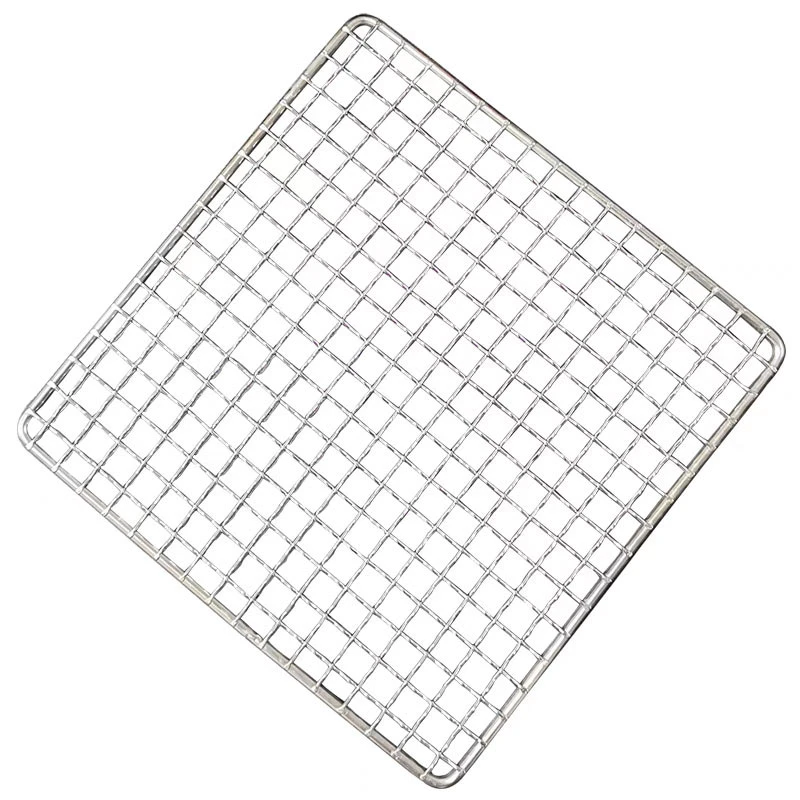
At its core, stainless steel gopher wire mesh is a woven or welded mesh made from corrosion-resistant stainless steel wires. The "gopher" part literally references its intended use: as a protective shield against gophers and other burrowing animals that threaten crops, gardens, and even industrial sites.
But it's more than just pest control. This mesh is a versatile material used for soil stabilization, erosion control, construction safety, and even asset protection in humanitarian efforts. Its stainless steel composition means it resists rust and deterioration, making it ideal for long-term outdoor use in varied environments.
Mini takeaway: Simply put, stainless steel gopher wire mesh is a robust, rust-proof fencing material designed to keep unwanted critters (and more) at bay, enhancing safety and productivity.
Core Components That Make This Mesh Stand Out
Durability
One of the biggest selling points is its high corrosion resistance. Unlike galvanized or iron wire meshes, stainless steel withstands harsh weather conditions and corrosive soils, leading to extended service life of 15+ years in many cases.
Flexibility & Scalability
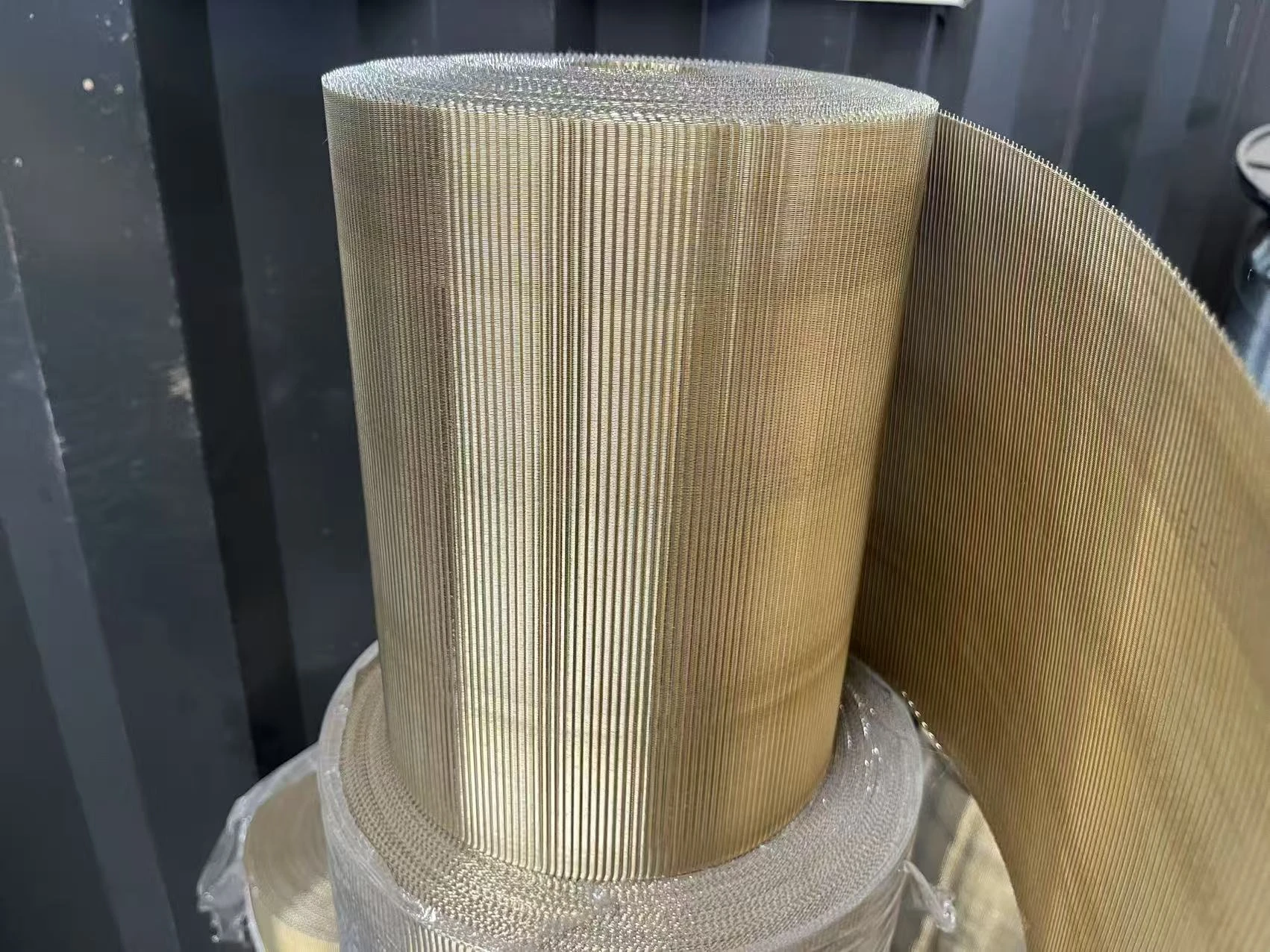
Manufacturers can customize mesh sizes and wire thicknesses to suit applications from small-scale garden protection to large infrastructure projects, adapting easily to different deployment scales.
Cost Efficiency
Though the initial investment may be higher than plastic or galvanized alternatives, its longevity and low maintenance costs make it more economical in the long run.
Eco-Friendliness
Stainless steel is 100% recyclable. Using this mesh reduces the frequency of replacements and waste, aligning with global sustainability goals.
Safety & Security
Its sturdy weave creates impenetrable barriers, protecting crops, livestock areas, and industrial assets alike—crucial in vulnerable regions.
Ease of Installation
It can be rolled out, cut, and fixed on various terrains swiftly, facilitating quick deployment—handy in disaster zones or large farms.
Mini takeaway: These features collectively explain why stainless steel gopher wire mesh has become the gold standard across sectors.
Product Specification Table
| Specification |
Details |
| Material Grade |
304 / 316 Stainless Steel |
| Wire Diameter |
0.5 mm – 2 mm |
| Mesh Opening Size |
10 mm x 10 mm – 50 mm x 50 mm |
| Roll Dimensions |
Custom length up to 50m; Widths 0.5 – 2m |
| Tensile Strength |
>500 MPa |
| Weight per sqm |
1.2 – 3.5 kg |
Where Stainless Steel Gopher Wire Mesh Makes a Difference Globally
Its protective qualities span multiple industries:
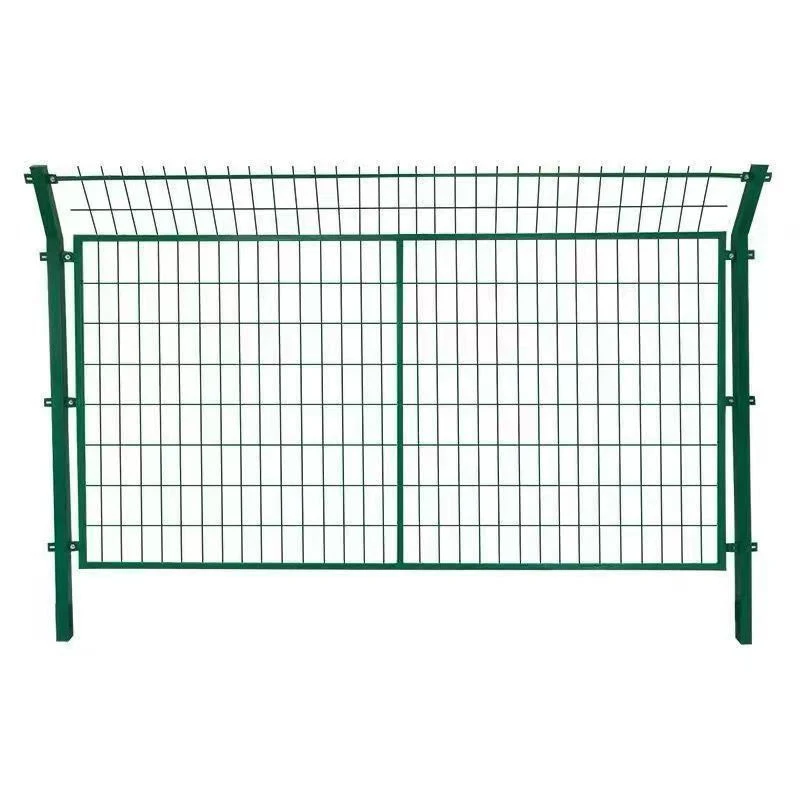
- Agriculture: Farmers in North America and Europe deploy this mesh to safeguard root vegetables and young plants from gophers and rodents.
- Construction & Infrastructure: In arid regions like Australia and parts of the Middle East, the mesh is used to stabilize soil and prevent animal damage to pipes or electrical conduits.
- Environmental Conservation: Projects combating erosion on riverbanks in South America and Africa frequently use stainless steel mesh for long-term durability.
- Humanitarian Aid & Disaster Relief: Some NGOs have innovated with this mesh to create modular protective compartments or quickly assembled fences in refugee camps, ensuring safer living spaces.
One relatively unknown story: a vineyard in Chile credited significant savings after switching to stainless steel mesh, avoiding repeated crop loss to burrowing pests and reducing pesticide use.
Mini takeaway: From farms to humanitarian settings, this mesh adapts across climates and sectors, proving its versatility.
Comparing Top Stainless Steel Gopher Wire Mesh Vendors
| Vendor |
Material Grade |
Customization |
Lead Time |
Pricing |
| Jinze Hong Wire Mesh |
304 / 316 |
Custom mesh size & roll length |
2-4 weeks |
Competitive |
| SteelPro Mesh Inc. |
304 only |
Standard sizes only |
3-5 weeks |
Moderate |
| EcoShield Wire Co. |
316 with eco-friendly finishing |
Partial customization |
4-6 weeks |
Premium |
The Advantages & Long-Term Value of Stainless Steel Gopher Wire Mesh
When investing in agricultural protection or infrastructure safeguards, it often boils down to safety, cost, and lasting value:
- Reliability & Safety: With its rust resistance and robust build, the mesh keeps environments safe from animal damage and contamination.
- Cost Savings: Less replacement and repair equals fewer interruptions and lower maintenance budgets.
- Sustainability: Its recyclable metal encourages a greener footprint, cutting down landfill waste and harmful chemical use.
- Trust & Peace of Mind: Users feel confident their investment stretches over years, empowering them to focus on productivity instead of constant fixes.
There’s a subtle emotional aspect here too. Knowing your family’s crops or livelihood are protected by such a resilient mesh — especially in hard-to-reach locations — brings a quiet reassurance that’s hard to quantify but truly matters.
Mini takeaway: The long-term impact is more than dollars; it’s trust, safety, and sustainability combined into a single wire mesh solution.
Looking Ahead: Future Trends and Innovations
As with every industry touching raw materials and environmental protection, trends push this product’s evolution too. A few directions to watch include:
- Eco-friendly Coatings: Enhancing corrosion resistance using green finishes without compromising recyclability.
- Smart Mesh: Integration with sensors to detect breaches or pressure changes — kind of like “smart fencing.”
- Automation in Manufacture: 3D weaving and robotic customization to shorten lead times and reduce waste.
- Policy-Driven Sustainability: Stricter ISO environmental standards encourage suppliers to offer even more durable, eco-conscious solutions.
Frankly, it feels like stainless steel gopher wire mesh is just getting started as a tech-savvy, eco-friendly staple material worldwide.
Challenges & Solutions in Deploying Stainless Steel Gopher Wire Mesh
No product is without hurdles. A few issues persist:
- Higher Upfront Cost: Not everyone can afford the initial expense despite long-term savings.
- Installation Complexity: In uneven terrains, securing the mesh perfectly can be tricky.
- Weight: Stainless steel mesh is heavier than plastic alternatives, affecting transport and labor.
Solutions? Well, many companies now offer modular kits with easier anchoring systems. Bulk shipping discounts help reduce haul costs, and NGOs often partner with suppliers to subsidize initial expenditures in developing regions.
Mini takeaway: The market is listening, and practical fixes keep improving user experience and access.
FAQ: What You Might Wonder About Stainless Steel Gopher Wire Mesh
Q1: How long does stainless steel gopher wire mesh typically last outdoors?
A1: Under normal environmental conditions, quality stainless steel mesh lasts 15 to 25 years without significant corrosion or structural loss. This longevity depends on factors like grade (304 vs. 316) and environmental aggressiveness—marine areas require 316 for best results.
Q2: Can stainless steel mesh be customized for different animal sizes or application needs?
A2: Absolutely. Manufacturers can alter wire diameter and mesh opening dimensions to target specific pests or usage scenarios, from small rodent control to industrial-grade soil reinforcement.
Q3: Is stainless steel gopher wire mesh recyclable after its service life?
A3: Yes, stainless steel is fully recyclable and valuable in scrap markets. Recycling helps reduce environmental impact compared to disposing of plastic or galvanized alternatives.
Q4: What regions benefit the most from using stainless steel mesh?
A4: Regions with high pest activity and/or harsh weather, such as North America, parts of Europe, Australia, and developing countries with agricultural challenges, gain immense benefits from this solution.
Conclusion: The Lasting Promise of Stainless Steel Gopher Wire Mesh
It’s easy to overlook something as simple as wire mesh—until you realize it’s a blend of science, engineering, economic sense, and even social responsibility. Stainless steel gopher wire mesh isn’t just fencing; it’s a reliable partner in protecting food, industry, and human dignity worldwide.
If you want to explore how this resilient mesh can serve your needs, visit our website to browse full product specs, customization options, and expert support.
After all, great solutions often come in seemingly simple packages.
References:
- UN Food Security Overview
- ISO Standards for Corrosion Resistance
- Wikipedia: Stainless Steel