Understanding Wire Rope Mesh and Why It Matters Globally
If you’ve ever paused to admire a sleek safety barrier on a scenic overlook, or marveled at the delicate yet strong tension cables holding up a pedestrian bridge, you’ve seen wire rope mesh in action — even if you didn’t know it. This fascinating product blends strength, flexibility, and durability, serving vital roles from industrial safety to environmental conservation around the world. Simply put, wire rope mesh is a woven or knitted pattern of steel cables that provides robust yet adaptable panels for fencing, containment, and protection.
In a global context where infrastructure needs to be resilient but economical, wire rope mesh shines. It’s not just about aesthetics; it’s about safeguarding lives, preserving environments, and adapting quickly to challenges like natural disasters and rapid urbanization.
The Global Importance of Wire Rope Mesh in Industry and Safety
Statistics show that over 70% of infrastructure failures happen because of inadequate barriers and protective measures (source: ISO 14122). Wire rope mesh helps fill that gap. Whether in industrial plants, transportation systems, or wildlife reserves in Africa and Asia, the need for reliable containment solutions is growing steadily. In fact, the UN’s Global Infrastructure Outlook projects a 50% increase in investment toward resilient safety apparatus by 2030, largely driven by urban growth and climate change.
The challenge? Traditional fencing materials like chain-link or solid panels often fall short when facing sheer force or environmental stressors. That’s where wire rope mesh comes in with its high tensile strength and corrosion resistance, capable of bending but not breaking under pressure.
Mini takeaway:
- Wire rope mesh addresses growing global infrastructure safety needs with versatile, durable designs.
- Its unique properties make it ideal for dynamic environments and rapid deployment.
What Exactly Is Wire Rope Mesh?
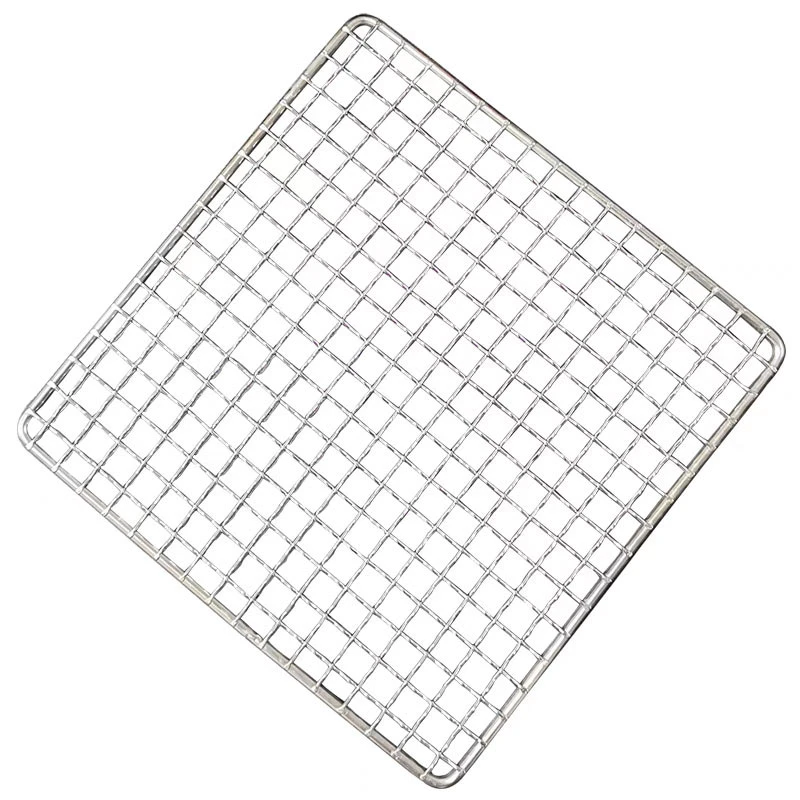
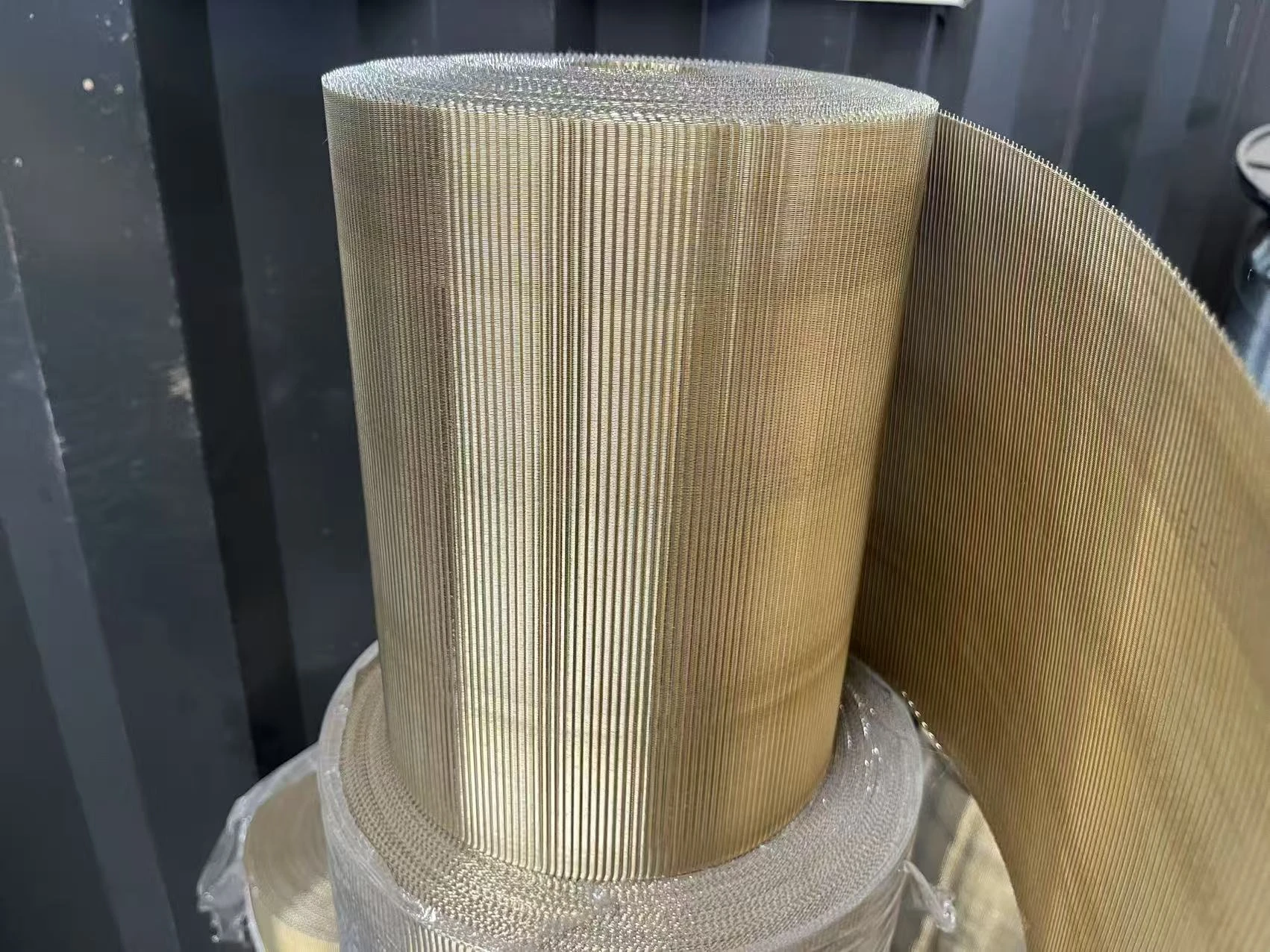
To break it down simply, wire rope mesh is woven from multiple small-diameter steel ropes that are twisted or knitted together to form a flexible grid pattern. Imagine a fabric – but instead of cotton thread, it’s constructed from high-grade steel strands, often stainless or galvanized for enhanced corrosion resistance.
This mesh is engineered to offer a perfect balance of strength and flexibility, making it especially valuable where you need containment but also want to absorb energy from impacts or pressure without total failure.
Its role goes beyond hardcore industry or infrastructure use; humanitarian efforts often leverage wire rope mesh for temporary barriers or enclosures, such as in refugee camps, disaster recovery zones, or temporary wildlife protection.
Mini takeaway:
- Wire rope mesh combines multiple steel ropes into a woven, flexible grid.
- It offers durability while allowing for energy absorption and adaptability.
Key Attributes of Wire Rope Mesh That Make It Stand Out
Durability and Corrosion Resistance
Steel wire ropes are typically galvanized or stainless steel, protecting against rust in harsh environments — from marine settings to heavy industrial zones. This longevity means fewer replacements, saving time and resources.
High Tensile Strength with Flexibility
Unlike rigid fencing, wire rope mesh can flex under pressure, distributing impact energy rather than snapping or warping. This is critical for things like wire rope mesh applications on rockfall barriers or safety nets where rock or objects might strike unpredictably.
Scalability and Customization
Wire rope mesh panels can be tailor-made in sizes, mesh openings, and wire diameters to fit vastly different applications — from large industrial enclosures to delicate animal cages. This versatility is a strong driver in global markets.
Cost Efficiency Over Time
Though initial costs might be higher than cheaper fencing options, the lifecycle cost of wire rope mesh is lower thanks to reduced maintenance and higher durability. Many engineers swear by the "install once, forget for decades" appeal.
Installation Flexibility
Wire rope mesh can be installed on complex surfaces, curved frames, or unusual shapes where rigid materials would simply not work. This makes it invaluable for modern architectural and infrastructural designs.
Mini takeaway:
- Wire rope mesh blends strength, flexibility, and corrosion resistance.
- Customizable sizing and mesh patterns enable broad global usage.
- Long-term cost savings offset higher initial investment.
Real-World Applications: Wire Rope Mesh in Action
The beauty of wire rope mesh is in its adaptability. Here are some concrete examples worth knowing:
- Infrastructure Safety: Used extensively in rockfall mitigation barriers along steep roads in mountainous regions like the Alps and the Rockies.
- Wildlife Protection: Large-scale aviaries and animal enclosures in African and Asian conservation parks use mesh to safely contain species without obstructing views.
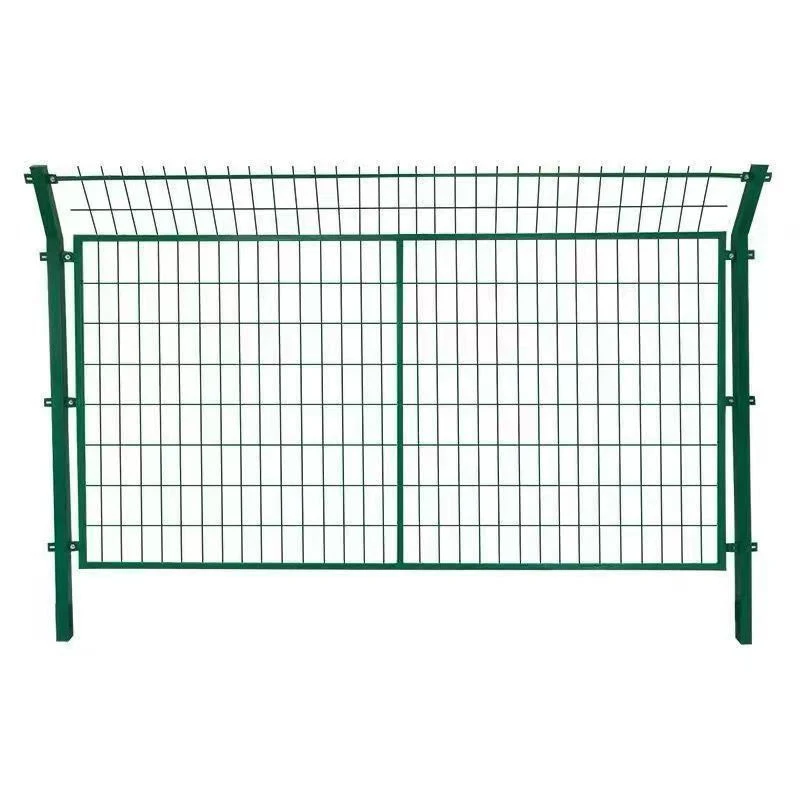
- Industrial Security: Factories and hazardous zones globally adopt wire rope mesh for perimeter barriers, allowing airflow and visibility without sacrificing security.
- Humanitarian Aid: In post-disaster zones, rugged yet lightweight wire rope mesh fencing helps quickly secure campsites or construction sites.
- Architectural Design: Apart from functional use, wire rope mesh has aesthetic appeal, often decorating facades or stairwell balustrades in eco-conscious urban design projects.
Mini takeaway:
- Wire rope mesh serves a broad spectrum — from safety nets on roads to animal protection.
- Its presence in humanitarian relief highlights its logistical ease and reliability.
Advantages and Long-Term Value of Wire Rope Mesh
In real terms, deciding on wire rope mesh boils down to trust. You want a system that protects people, preserves integrity, and withstands everything from weather extremes to physical abuse.
- Cost and Sustainability: Fewer replacements mean less waste and resource use, aligning with green building goals.
- Safety and Reliability: Flexible strength minimizes accidents – fences don't collapse sharply but absorb impacts.
- Social Impact: Safe containment means dignity and a sense of security, especially in delicate environments like refugee camps.
- Innovation and Trust: Combining traditional craftsmanship with modern materials creates a product engineers and end-users trust.
Mini takeaway:
- Wire rope mesh maximizes safety, sustainability, and cost-effectiveness.
- Its reliability builds trust in varied industries and social contexts.
Future Trends and Innovations in Wire Rope Mesh
The next few years look promising. Manufacturers are blending traditional steel with protective polymer coatings to enhance weather resistance further. Sustainable sourcing of steel, aligned with ISO 14001 environmental standards, is becoming the norm rather than the exception.
Smart fencing solutions are entering the scene, integrating sensors and IoT tech to monitor tension and integrity remotely. Imagine remote alerts when the mesh sustains impact damage or begins to rust — preventative maintenance becomes proactive.
Finally, digital fabrication—like 3D knitting of wire ropes—could revolutionize scalability and customization, allowing on-demand production near the point of use to reduce logistical headaches.
Challenges Facing Wire Rope Mesh and How Experts Are Addressing Them
A couple of sticking points remain. For one, installation can be labor-intensive, especially on complex curvatures requiring skilled hands. To combat this, some vendors now offer modular prefabricated panels and detailed guides reducing installation time and errors.
Corrosion control, while strong, still demands vigilance in extremely harsh chemical environments, like offshore oil rigs. Advances in double-layer polymer coating and stainless alloys are ongoing to address that.
Public perception can also be a challenge; some see wire rope mesh as industrial or harsh-looking compared to decorative fencing. Designers are responding with more aesthetic patterns and finishes.
Product Specification Table
| Specification |
Typical Range |
Notes |
| Wire Diameter |
2mm to 8mm |
Depends on application strength requirements |
| Mesh Opening Size |
10mm to 100mm |
Customized per containment needs |
| Material |
Galvanized Steel, Stainless Steel |
Coatings available for marine/industrial use |
| Panel Size |
Up to 3m x 12m |
Modular installation options exist |
| Tensile Strength |
Up to 1770 MPa |
Depends on grade and wire composition |
Vendor Comparison Table
| Vendor |
Material Options |
Customization |
Global Reach |
Sustainability Certifications |
| Jinzehong Wire Mesh |
Galvanized & Stainless Steel |
Full custom sizes & patterns |
Strong presence in Asia, Europe |
ISO 14001 certified |
| Global Mesh Corp. |
Stainless Steel only |
Limited to standard panels |
North America & Europe focus |
None |
| EcoMesh Industries |
Recycled Steel & Polymer Coated |
Semi-custom, mostly eco-focused |
Europe & Australia |
ISO 14001, LEED credits |
Frequently Asked Questions About Wire Rope Mesh
Q1: How do I choose the right wire rope mesh for my project?
A: It largely depends on your specific needs—consider the environment (marine, industrial, urban), required tensile strength, and desired aesthetics. Consulting with a vendor who offers customization, like Jinzehong Wire Mesh, will help tailor the mesh size, wire diameter, and coating to your project.
Q2: Is wire rope mesh cost-effective for long-term outdoor use?
A: Absolutely. While the upfront investment is higher than chain-link or welded wire fencing, the durability and reduced maintenance significantly cut lifecycle costs. Plus, the corrosion resistance means it often outlasts alternatives in harsh weather conditions.
Q3: Can wire rope mesh be used in delicate wildlife enclosures without harming animals?
A: Yes, the smooth surfaces and flexible properties reduce injury risk. The mesh openings can be custom sized to prevent escape while maintaining open sight lines, perfect for aviaries or other animal habitats.
Q4: How quickly can wire rope mesh fencing be installed on a complex site?
A: Modular panels and pre-engineered solutions speed up installation significantly. A skilled crew can install a medium-sized fence in days rather than weeks, especially with vendor support and prefabricated elements.
Q5: Does wire rope mesh support sustainability goals?
A: Definitely. Many products use recycled steel or environmentally friendly coatings. Companies adhering to ISO 14001 or participating in LEED projects integrate wire rope mesh as part of sustainable building efforts.
Conclusion and Next Steps
Wire rope mesh stands at an interesting crossroads of innovation, industry, and humanitarian need. Its strength, adaptability, and aesthetic potential make it a smart choice for a variety of projects worldwide. Whether you’re securing a hazardous site, designing an eco-conscious architectural facade, or facilitating rapid disaster response, it holds promise and proven performance.
If you’re eager to explore high-quality wire rope mesh solutions, visit https://www.jinzehongwiremesh.com to see current product offerings and customization options.