What is 1mm Stainless Steel Mesh and Why It Matters Globally
The humble 1mm stainless steel mesh feels like such a simple tool — a grid of finely woven metal threads — yet its significance stretches far beyond its slender profile. Worldwide, industries from filtration to construction lean heavily on this resilient material. Understanding its properties and applications can open doors to more sustainable infrastructure, reliable industrial processes, and even humanitarian projects where sturdy, adaptable materials make all the difference.
Frankly, with global demands rising for durability combined with lightweight solutions, stainless steel mesh strikes an important balance between strength and flexibility. This article walks through what makes 1mm stainless steel mesh special, how it's applied around the world, and the innovations shaping its future.
Global Context: Why 1mm Stainless Steel Mesh is in Demand
If you glance briefly at the global manufacturing and environmental landscapes, you’ll notice stainless steel products underpin many sectors. According to ISO standards, stainless steel meshes are essential for filtration, security, and support systems, especially where corrosion resistance is paramount.
The World Bank notes increasing investments in infrastructure and manufacturing throughout Asia and Africa — regions where durable, cost-effective materials like 1mm stainless steel mesh prove crucial. These meshes help solve challenges such as water filtration, air purification, and industrial screening where typical plastics or alloys might fail due to weather or contamination.
These examples bring up a key problem: many industries struggle to combine fine filtering precision with longevity and low maintenance costs. Here, stainless steel mesh, especially in the 1mm weave size, stands apart.
Defining 1mm Stainless Steel Mesh in Simple Terms
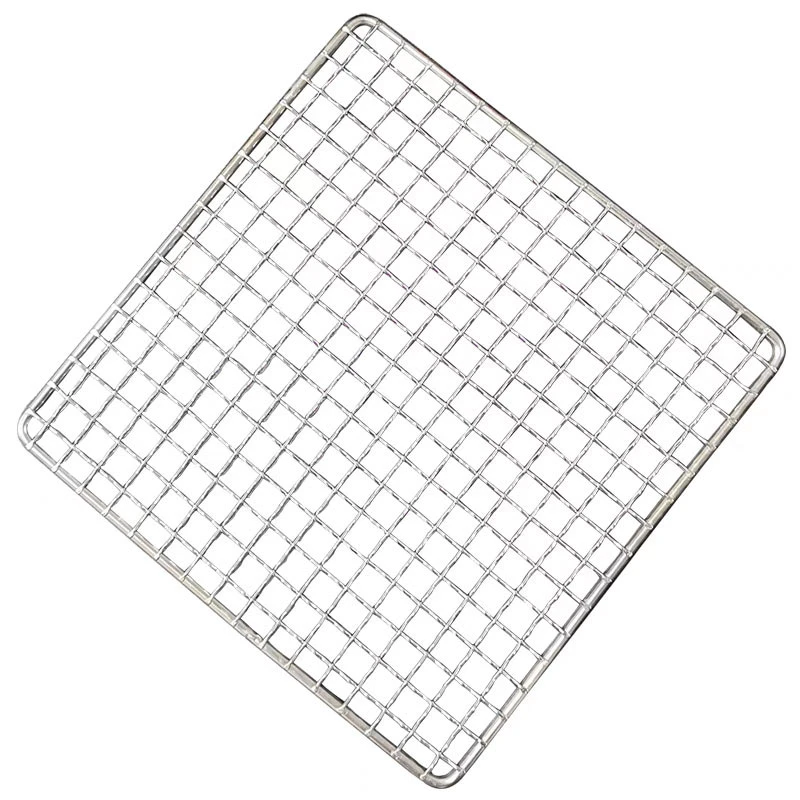
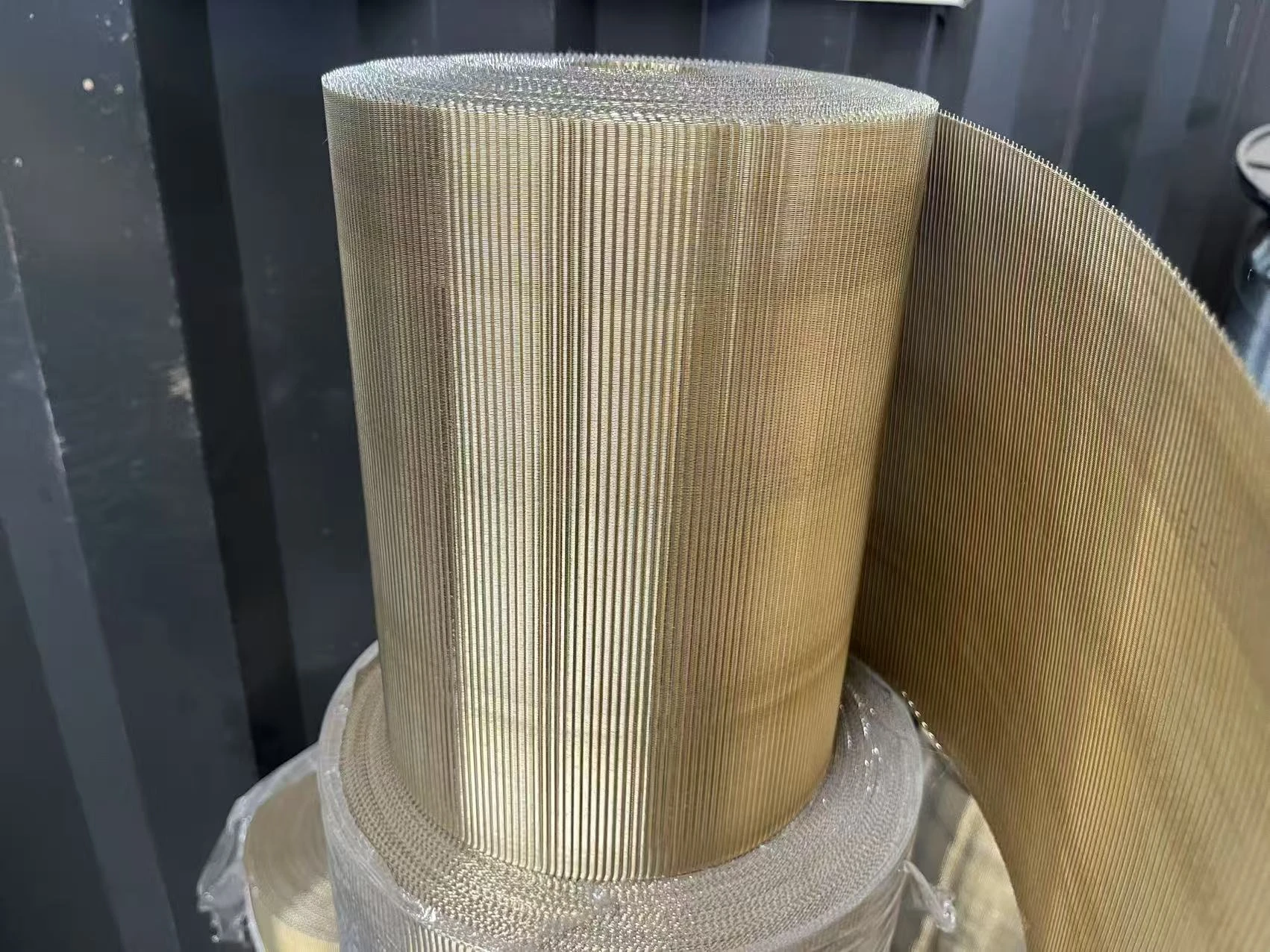
At its core, 1mm stainless steel mesh refers to a woven or welded grid made of thin stainless steel wire, each opening roughly one millimeter wide. This tight spacing allows for filtration or protection against small particles or pests while remaining structurally strong.
It’s no stretch to say this material supports needs in everything from modern industries requiring chemical resilience to humanitarian relief operations deploying lightweight, long-lasting shelter screens. The stainless component means it doesn’t rust or degrade easily, even in humid or salty conditions.
Key Factors of 1mm Stainless Steel Mesh
1. Durability
The stainless steel alloy lends exceptional resistance to corrosion, heat, and mechanical wear. Whether deployed in harsh marine environments or dusty industrial plants, it maintains its integrity over years.
2. Precision Filtering & Safety
The 1mm aperture size delivers a balance between allowing airflow or liquids through while blocking unwanted solids — important for water purification or insect barriers.
3. Flexibility & Scalability
Mesh sheets can be produced in customizable sizes and woven tightly or loosely depending on need. This scalability means they’re versatile for small electronic filters up to large-scale architectural façades.
4. Cost Efficiency
Considering longevity and low maintenance, investing in stainless steel meshes frequently reduces replacement and repair expenses compared to alternatives.
5. Environmental Sustainability
Stainless steel is recyclable, which lessens landfill impact. As industries pivot toward greener solutions, reliance on sustainable materials like these sees steady growth.
Mini takeaway: The combination of durability, filtering precision, and eco-friendly aspects makes 1mm stainless steel mesh a globally relevant material choice for many industries.
Global Applications of 1mm Stainless Steel Mesh
Around the world, applications vary extensively, showing how adaptable this simple mesh is:
- Water Treatment Plants: Used to filter sediments and impurities in municipal filtration systems across Europe and North America.
- Agricultural Insect Screens: In tropical regions like Southeast Asia, the mesh protects crops from pests while allowing air and light.
- Architectural Panels: Decorative yet functional sunshades in Middle Eastern commercial buildings.
- Industrial Screening: Heavy-duty screens for mining and material processing in South America.
- Disaster Relief: Lightweight cages and barriers made with 1mm stainless steel mesh support temporary infrastructure after natural disasters.
Oddly enough, I noticed in a case study how NGOs appreciated this material for creating safe, ventilated temporary shelters in disaster zones of the Caribbean — resilient, simple, and affordable. The mesh’s weight and corrosion resistance really came in handy in those salty coastal climates.
Advantages & Long-Term Value of Using 1mm Stainless Steel Mesh
The decision to opt for 1mm stainless steel mesh often evokes a few immediate benefits:
- Cost Savings: While the upfront cost may be higher than plastic or aluminum, the lifecycle savings from less frequent replacements is significant.
- Reliability & Safety: The mesh does not deform under stress, providing consistent performance in safety barriers or filtration.
- Enhancing Social Impact: In humanitarian contexts, using sturdy materials supports dignity and long-term shelter security.
- Sustainability: Being recyclable and requiring less frequent replacement, it fits into circular economy principles.
When you consider both rational financial aspects and the emotional comfort of reliable infrastructure, 1mm stainless steel mesh shines as an investment, not just a purchase.
Product Specification Table for 1mm Stainless Steel Mesh
| Specification |
Details |
| Mesh Opening Size |
1 millimeter (approx.) |
| Material Grade |
304 / 316 Stainless Steel |
| Wire Diameter |
0.3mm to 0.5mm |
| Weave Type |
Woven or Welded |
| Standard Sheet Sizes |
1m x 2m, Custom Sizes Available |
| Tensile Strength |
≥ 500 MPa |
Comparing Vendors: Key Features & Service
| Vendor |
Material Grades |
Customization Options |
Global Shipping |
Customer Support |
| Jinzehong Wire Mesh |
304, 316L |
Wire diameter, sheet size, weave type |
Yes |
Live chat, email, phone |
| Global Mesh Co. |
316, 430 |
Standard sizes only |
Regional |
Email only |
| Steel Tech Solutions |
304, Custom alloys |
Full customization, prototyping |
Yes |
Dedicated account managers |
Looking Ahead: Future Trends in 1mm Stainless Steel Mesh
What feels exciting is how this mesh is entering a new phase of innovation: additive manufacturing is enabling custom mesh designs tailored to even tighter tolerances and specific functions. The push to incorporate nickel-free or hypoallergenic alloys in medical filters is growing, too.
Sustainability remains a headline: carbon footprint assessments by industry analysts urge manufacturers to improve recycling pathways for stainless steel. Digital transforms like IoT-enabled mesh sensors are being prototyped in smart filtration systems — imagine a filter that tells you when it’s clogged.
These future-focused shifts will only deepen the mesh’s relevance, especially given global priorities for green energy and smart infrastructure.
Challenges & How to Overcome Them
Of course, stainless steel mesh isn’t without challenges. Cost is a perennial concern in budget-sensitive projects. Plus, the metal’s weight can be higher than polymer alternatives in some uses.
Also, imperfections in weave or welds affect performance — demanding strict quality control. Fortunately, innovations in laser welding and automated inspection tools reduce defects. Bulk orders through reliable vendors such as Jinzehong Wire Mesh can bring unit costs down, making this material more accessible.
FAQ: Common Questions About 1mm Stainless Steel Mesh
- Q: What industries typically use 1mm stainless steel mesh?
- A: Industries like water treatment, mining, agriculture, construction, and chemical processing all use this mesh for filtration, protection, and structural support due to its durability and fine aperture.
- Q: How can I ensure the mesh suits my project’s corrosion resistance needs?
- A: Selecting the right stainless steel grade (like 316 for marine use) and confirming supplier certifications ensures performance against corrosion. Discuss your environment and needs directly with vendors.
- Q: Can 1mm stainless steel mesh be customized into specialized shapes?
- A: Yes, the mesh can be cut, bent, or welded into various configurations. Some vendors offer laser cutting or prototyping services for bespoke projects.
- Q: Is this mesh environmentally sustainable?
- A: Stainless steel is highly recyclable and durable, reducing waste. Proper recycling practices and choosing recycled raw material grades further enhance eco-friendliness.
- Q: How quickly can I get custom orders delivered internationally?
- A: Lead times vary, but many global suppliers offer expedited production and shipping. It’s best to coordinate with your chosen vendor early to confirm timelines and logistics.
In Conclusion: Why Choose 1mm Stainless Steel Mesh?
Beyond just a technical component, 1mm stainless steel mesh embodies a smart investment in reliability, environmental responsibility, and versatility. Its ability to serve diverse global needs — from industrial filtration to architectural design — makes it a quietly powerful player in many sectors.
Curious to explore or order? Head over to our official site to see how you can incorporate high-quality 1mm stainless steel mesh into your projects. Their range covers customization options that’ll meet pretty much any technical or design challenge.
Final Thought
It's funny how something as small and seemingly straightforward as a 1mm stainless steel mesh has such wide-reaching impact. I suppose it’s a good reminder that even the simplest materials can play star roles in innovation and global development.
References
- ISO 9044 - Stainless steel wire cloth
- World Bank: Infrastructure
- Wikipedia: Stainless Steel Mesh